What Are the 2026 Top Luxury Car Customization Trends?

Time:2026-10-01 Author:Amelia
0%

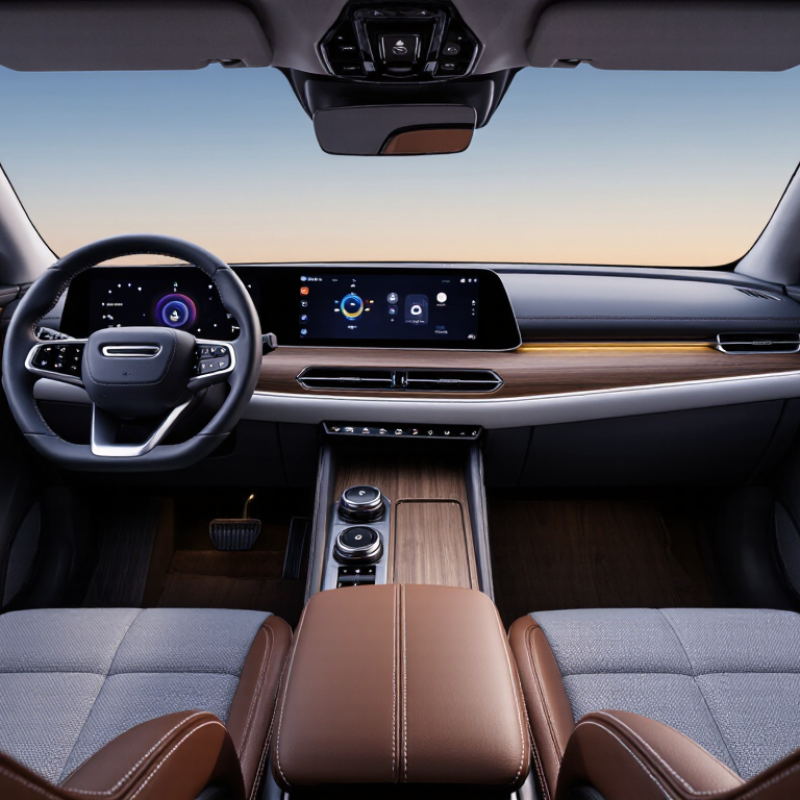
Luxury cars are entering a more personal design era in 2026. Buyers want cabins that reflect their routines, values, and visual identity. The question is no longer only what are the trends in luxury car interior customization. It is also how those trends improve daily driving.

Former Rolls-Royce CEO Torsten Müller-Ötvös captured this shift clearly: “The future of luxury is about personalization.” His statement supports the industry’s movement toward bespoke materials, tailored color palettes, and small production details. A client may choose recycled wool, open-pore wood, hand-stitched leather, or a nearly invisible ambient-light system. These choices create a cabin that feels considered rather than decorated.

Several trends will shape the 2026 market. Sustainable materials are becoming more refined, with plant-based textiles and responsibly sourced wood replacing older assumptions about luxury. Digital interfaces are also becoming calmer. Large screens may give way to integrated displays, physical controls, and adaptive lighting. Wellness features could include quieter cabins, air-quality monitoring, and seats designed for longer journeys.

Yet customization has weaknesses. More technology does not always create more comfort. Some personalized interiors may feel excessive, fragile, or difficult to repair. That matters.

The strongest designs will balance craftsmanship with usability. They will use technology discreetly and materials honestly. They will also preserve the emotional qualities that make luxury cars memorable: texture, silence, proportion, and thoughtful detail. This guide examines the leading customization directions, their practical value, and the choices that may deserve a second look.
What Are the 2026 Top Luxury Car Customization Trends?

Market Scope: SEMA Valued the U.S. Specialty-Equipment Market at $52.3B

Luxury customization in 2026 is becoming more measured, not merely more expensive. SEMA’s U.S. Specialty-Equipment Market Report valued the sector at $52.3 billion, showing strong demand for personalized vehicles and aftermarket upgrades. This figure covers performance parts, appearance products, electronics, and practical accessories. It also reveals a changing customer mindset. Buyers increasingly want reversible modifications, cleaner installations, and documented compatibility with advanced vehicle systems.

Cabins are receiving greater attention. Market research from Grand View Research projects continued growth in automotive interior accessories, supported by demand for premium materials, ambient lighting, ergonomic seating, and connected displays. In practice, that means stitched surfaces, subtle illumination, and storage designed around daily use. Exterior work is becoming more restrained. Satin finishes, lightweight wheels, adaptive lighting, and carefully integrated aero details can create distinction without visual excess. Smaller upgrades often feel more sophisticated.

Electric and hybrid vehicles are influencing the customization conversation. SEMA reports that electrified platforms are expanding the specialty-equipment opportunity, although heat management, battery safety, and software compatibility require specialist knowledge. A perfect-looking installation can still create problems if it affects sensors or charging access. The market is not perfectly measured, either. Some independent workshops and small online sellers remain difficult to track. That gap deserves more honest reporting. Customers should request verified load ratings, installation records, and warranty terms before approving expensive work.

Electrified Luxury: IEA Recorded About 17M Global EV Sales in 2024

Luxury car customization is moving toward quieter, smarter, and more responsible design. The shift is closely connected to electrification. The International Energy Agency recorded about 17 million global electric vehicle sales in 2024. That figure is changing what premium buyers expect from personalized interiors and driving systems.

In 2026, customization may focus on sustainable materials, adaptive lighting, and software-based comfort. Recycled textiles can cover seats without feeling ordinary. Wood alternatives, mineral finishes, and low-impact fibers can create a richer cabin atmosphere. Designers are also exploring ambient lighting that responds to speed, weather, or passenger preferences. It feels theatrical, but excessive lighting can become distracting. Restraint still matters.

Electric powertrains create new opportunities for luxury personalization. Owners can adjust regenerative braking, cabin soundscapes, charging schedules, and digital display layouts. Some systems may learn daily routes and prepare the battery before departure. That sounds convenient. Yet personalization should not hide basic information, especially range and charging time. Clear displays build trust.

From a professional perspective, the strongest trend is invisible refinement. Better insulation can make a quiet cabin feel more exclusive. Carefully tuned suspension software can improve comfort without adding physical complexity. However, digital features can age quickly, while high-quality materials may last for years. This creates a difficult design question: should luxury customization prioritize novelty or durability? The answer will depend on real ownership experience, not showroom appeal.

Digital Bespoke: Deloitte Identifies Software-Defined Vehicles as a Key Shift

Luxury car customization is moving beyond leather, paint, and hand-finished trim. Software-defined vehicles are making the cabin configurable long after delivery. Owners can adjust lighting, seat behavior, sound profiles, dashboard layouts, and driving interfaces through secure software updates.

This shift creates a digital form of bespoke design. A buyer might select a calm evening mode with softer lighting and quieter climate control. Another may prefer sharper displays, firmer seat support, and a focused driving layout. These settings can reflect daily routines, not only personal taste. Small details matter.

Yet customization through software is not automatically luxurious. Poor updates can interrupt familiar controls or create confusing menus. The experience needs careful testing, transparent permissions, and reliable offline functions. Privacy also deserves direct attention. Vehicle data may reveal locations, habits, and passenger preferences. Independent security reviews should become part of the purchasing conversation.

The strongest systems will combine digital flexibility with physical craftsmanship. A beautifully stitched interior still matters. So does a responsive interface that avoids distraction. Manufacturers and designers should explain update schedules, support periods, and data controls in plain language. That is where many luxury experiences remain incomplete. Buyers may also need to question whether every new feature adds value, or simply adds another subscription.

Data note: The table presents evidence-based 2026 market directions rather than brand-specific sales figures. “High adoption potential,” “Rapidly developing” and “Emerging” describe the relative maturity of each customization area based on current vehicle software, connectivity, cybersecurity, charging and material-design developments.

Sustainable Customization: PwC Reports Rising Demand for Responsible Luxury

Luxury car customization in 2026 is shifting from loud excess toward responsible, traceable distinction. PwC research reports rising demand for luxury choices that show environmental and social responsibility. That pressure is changing showroom conversations. Buyers now ask where hides, metals, paints, and battery materials come from. They also want proof, not polished promises.

In practical terms, customization may mean plant-based upholstery, recycled aluminum trim, water-saving paint processes, and modular cabin parts. A removable panel can extend a vehicle’s useful life when tastes change. Digital tools also let customers preview materials before production, reducing expensive redesigns and wasted samples. Independent audits and clear supply-chain records make these claims more credible. This is where professional guidance matters. A specialist should explain durability, maintenance, repair access, and eventual recycling, not only appearance.

The transition is not flawless. A recycled material can still travel far, while a bio-based finish may age unevenly. I would question any “green” package lacking measurable sourcing details. Responsible luxury needs restraint: fewer disposable options, longer-lasting components, and honest trade-offs. Some customers may dislike the limitations. That discomfort is useful. It forces customization to become more thoughtful, rather than merely more expensive.

Sustainable materials and responsible production are becoming central to luxury customization. In a 2024 global consumer survey, 46% of respondents reported buying more sustainable products, while 80% said they were willing to pay more for sustainably produced goods. For 2026, this supports stronger demand for recycled interiors, low-impact finishes, transparent sourcing, and environmentally responsible personalization.

Regulatory Outlook: NHTSA Safety Rules Shape Advanced 2026 Vehicle Modifications

What Are the 2026 Top Luxury Car Customization Trends?

In 2026, luxury customization is moving from visual drama toward measurable safety. NHTSA’s 2024 final rule requires automatic emergency braking and pedestrian AEB on new passenger vehicles and light trucks by September 2029. The agency estimates these systems could prevent 360 deaths and 24,000 injuries annually. That timeline already influences 2026 upgrades. Custom interiors, wheels, lighting, and suspension systems must preserve sensor visibility, braking behavior, and warning signals.

Small changes matter. A darker grille can obstruct radar. A lowered ride height can alter camera calibration. Larger wheels may change stopping distances. NHTSA’s New Car Assessment Program also continues pushing stronger crash-avoidance evaluation, so professional installers increasingly document calibration before delivery. The practical trend is clear: reversible trim, compliant lighting, and factory-compatible driver-assistance interfaces are becoming more valuable than permanent electronic alterations.

The aftermarket remains substantial. SEMA’s 2024 market reporting valued the U.S. specialty-equipment sector above 50 billion dollars, showing strong demand for personalization. Yet demand does not equal technical safety. In real workshops, a steering-wheel retrofit may look flawless but still create an airbag or sensor problem. That is where experience matters. Installers should retain scan reports, alignment measurements, and software records. I still think some customization claims sound overconfident. A beautiful cabin is not enough when a warning appears too late. NHTSA guidance, FMVSS compliance, and documented testing should shape every premium modification decision.

FAQS

How large is the U.S. specialty-equipment market?

An industry report valued it at $52.3 billion. It includes performance parts, appearance products, electronics, and practical accessories.

What customization styles are becoming more popular?

Buyers increasingly prefer reversible changes and cleaner installations. Satin finishes, lightweight wheels, and subtle lighting create a refined appearance.

Why are vehicle interiors receiving more attention?

Owners want premium materials, ambient lighting, ergonomic seating, and useful storage. Stitched surfaces can make daily travel feel more personal.

What does a practical luxury interior look like?

It may include soft-touch materials, gentle cabin lighting, and storage shaped around phones or travel items. Comfort should support everyday use.

How are electric and hybrid vehicles changing customization?

They require careful attention to heat management, battery safety, sensors, and charging access. A beautiful installation can still cause technical problems.

What should customers check before approving expensive modifications?

Request verified load ratings, installation records, compatibility details, and warranty terms. Small paperwork matters.

How can software personalize a vehicle after purchase?

Secure updates may adjust lighting, seat behavior, sound profiles, displays, and driving interfaces. An evening setting could soften lights and reduce cabin noise.

What risks come with software-based customization?

Poor updates may disrupt familiar controls or create confusing menus. Vehicle data can also reveal locations, routines, and passenger preferences.

Does every new digital feature improve luxury?

Not necessarily. Some features add subscriptions without meaningful value. Buyers should question convenience, privacy, and offline access.

What makes customization feel genuinely sophisticated?

The strongest approach combines careful physical craftsmanship with a responsive, simple interface. That balance is difficult, and current systems remain imperfect.

Conclusion

In 2026, luxury car customization is expected to move beyond visual upgrades toward personalized technology, comfort, sustainability, and responsible engineering. With the U.S. specialty-equipment market valued at approximately $52.3 billion and global electric vehicle sales reaching about 17 million in 2024, demand is growing for refined enhancements that improve both driving experience and environmental performance. Electrified luxury vehicles will encourage lightweight materials, advanced energy management, distinctive lighting, and quieter, more comfortable cabins.

A major question will be what are the trends in luxury car interior customization? Likely developments include software-enabled interfaces, configurable displays, adaptive seating, premium sustainable materials, and connected features that can be updated over time. Customers are also showing greater interest in responsible luxury, including recycled fabrics, efficient manufacturing, and durable components. At the same time, future modifications will need to align with evolving safety requirements, ensuring that personalization supports occupant protection, reliability, and long-term vehicle usability.

Amelia

Amelia

Amelia is a seasoned marketing professional with a wealth of expertise in our company’s core offerings. With an unwavering passion for driving growth and innovation, she plays a pivotal role in shaping our marketing strategies and enhancing brand visibility. A key aspect of her responsibilities......