Luxury cars deserve more than a universal reflective screen that folds at the edges. A custom fit sunshade follows the windshield’s exact contours, including mirror housings, sensors, and dashboard angles. It creates a tighter barrier against direct sunlight. That matters inside a leather-lined cabin.
So, why do luxury car owners prefer custom fit sunshades? The answer involves protection, appearance, and daily convenience. High-quality shades can reduce dashboard fading, steering-wheel heat, and uncomfortable seat temperatures. They also preserve the vehicle’s carefully designed interior. A loose shade may leave bright gaps near the glass. Those small gaps become noticeable on long, sunny drives.
Richard Reina, Product Training Director at CARiD, has emphasized the practical value of proper automotive accessories: “The right accessory should fit the vehicle and support the owner’s everyday driving experience.” That principle applies here. Owners should check the shade’s material, edge stitching, storage method, warranty, and compatibility with cameras or rain sensors. A rigid, precisely measured shade usually looks cleaner than a generic accordion design. It may also stay in place without constant adjustment.
Still, custom fit does not guarantee perfect protection. Glass tint, parking direction, and climate affect results. Some products are expensive without offering better materials. That deserves reflection. Buyers should compare measurements and independent reviews before choosing. The best option balances heat reduction, durability, visual quality, and easy installation. In a luxury car, the shade should feel like part of the vehicle, not an afterthought.
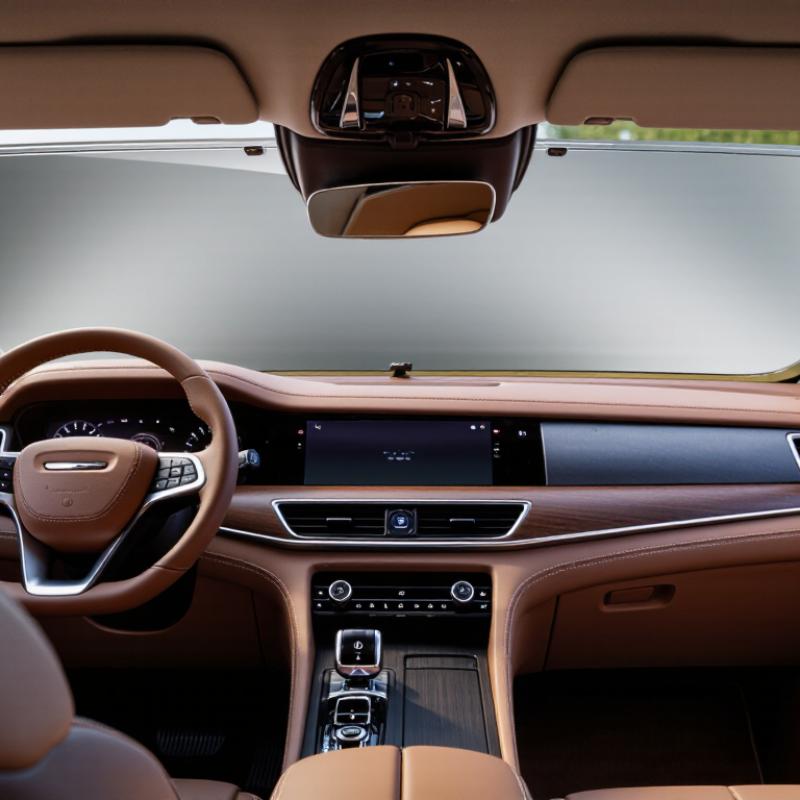
For luxury vehicles, custom-fit sunshades offer more than a polished appearance. They create a close barrier against intense sunlight. A loose universal shade often leaves bright gaps near mirrors and dashboard edges. Fit matters. The U.S. Department of Energy’s Energy Saver guidance reports that highly reflective interior shades can reduce solar heat gain by up to 45 percent. This figure applies to building windows, not cars. Still, it explains why reflective, close-fitting materials can improve cabin comfort.
UV protection is another practical benefit. The Skin Cancer Foundation’s vehicle-UV guidance notes that side windows may transmit UVA unless specially treated. A shaped sunshade reduces direct exposure through the windshield and side glass. That may help slow fading, drying, and surface cracking on leather, wood trim, and soft-touch panels. It cannot stop every form of aging.
Measure carefully around mirrors, sensors, and dashboard contours. Choose layered material with a bright reflective face and a soft interior surface. It should fold without leaving sharp pressure marks. Never let it obstruct cameras, vents, or safety equipment. In real use, the best shade is not always the thickest one. Excessive thickness can become awkward to store. That is the compromise. A custom fit can look slightly imperfect when folded, yet perform better when installed. Test the fit from the driver’s seat before regular use.
Choosing custom-fit sunshades for a luxury car begins with identifying every window. Do not measure only the windshield. Check the front side windows, rear side windows, quarter glass, rear windshield, and panoramic roof. Some vehicles have small angled windows that are easy to overlook. They still admit heat and glare.
Measure the visible glass, not the surrounding trim. Record the widest and tallest points in millimeters. For curved glass, note the deepest curve and corner shape. Check for cameras, rain sensors, mirror mounts, and dashboard vents near the windshield. These details can affect fit and visibility. I once measured from the outer frame and ordered a shade that blocked part of the sensor area. That mistake was avoidable.
Your shade requirements depend on daily conditions. A reflective windshield shade can reduce dashboard heat during long parking periods. Side shades may help passengers manage glare without limiting mirror visibility. Dense mesh can improve comfort, but it may reduce night-time visibility. For panoramic roofs, choose a rigid or well-supported design that follows the roof curve. Fabric alone may sag over time. Before purchasing, compare your measurements with the maker’s fitting guide and confirm whether each window needs a separate piece. Test the shade while seated in the driving position. A perfect edge fit means little if it obstructs your view.
Identifying your vehicle’s windows, dimensions, and shade requirements
These reference measurements represent common passenger-car window proportions in centimeters. Measure the visible glass area of each window, including width and height at the widest points, then select a shade that matches the shape and provides full edge coverage. The windshield and rear windshield generally require larger shades, while side windows need smaller, individually fitted panels.
How to Choose Custom Fit Sunshades for Luxury Cars
A custom sunshade should match the windshield precisely, not merely cover most of it. Gaps around mirrors and dashboard edges allow concentrated sunlight inside. The National Highway Traffic Safety Administration reports that vehicle interiors can rise about 20°F within ten minutes and nearly 40°F within an hour. That makes material choice practical, not cosmetic.
Reflective multilayer shades usually outperform dark fabric alone. Their outer metallic surface redirects solar radiation, while foam or air layers slow heat transfer. The U.S. Department of Energy explains that low-emissivity surfaces reduce radiant heat movement through windows. In testing, compare solar reflectance, thermal resistance, and visible-light transmission. A high reflectance value matters more than a thick appearance.
Fit matters just as much. A rigid folding design can seal the glass better, but it may leave small corner gaps in sharply curved windshields. A flexible roll-up shade stores easily, though repeated bending can weaken its reflective coating. Look for reinforced edges, soft contact points, and a stable center support. SAE guidance on vehicle thermal comfort treats solar load as a key cabin factor, but consumer tests rarely copy those conditions perfectly. I would measure dashboard temperature before and after thirty minutes of parking. The result may disappoint. That is useful evidence.
How to Choose Custom Fit Sunshades for Luxury Cars
A custom sunshade should follow the windshield’s exact edges, mirror cutouts, and dashboard shape. Gaps near the A-pillars allow bright strips of sunlight inside. My first fit test was too optimistic. A shade looked wide enough, yet exposed the upper corners by nearly two centimeters. Measure the glass, not the dashboard. Industry guidance from the International Window Film Association emphasizes that solar performance depends on coverage, material, and installation quality.
Usability matters when the car is parked outside. A rigid, spring-loaded shade may seal better, but it can be awkward in a narrow parking space. Check whether one person can install it without pressing against the glass or steering wheel. The U.S. Department of Energy reports that reflective window coverings can reduce solar heat gain by up to 77% in suitable applications. Automotive results vary, but the principle remains useful. A silver exterior and dark interior can reflect heat while reducing glare.
Appearance should match the cabin’s visual discipline. Avoid loose fabric, shiny wrinkles, and visible gaps. Interior protection is more than comfort. The Skin Cancer Foundation notes that UVA can pass through some untreated side glass, contributing to long-term skin and material damage. A well-fitted shade helps limit fading, drying, and dashboard temperature spikes. Still, no shade solves every problem. Leaving the car in direct sun for hours will expose weaknesses in any material. Look for verified UV-blocking data, heat-rejection testing, and clear care instructions.
Selecting a reliable custom sunshade starts with accurate vehicle information. Confirm the exact model, production year, windshield shape, and interior camera position. Fit matters. A proper shade should cover the glass without pressing against sensors, mirrors, or dashboard vents. Choose dense, reflective fabric with reinforced edges and stable folding joints. The U.S. Department of Energy reports that reflective window attachments can reduce solar heat gain by up to 65%. This can help protect leather, wood trim, and digital displays from repeated heat exposure.
Performance depends on daily maintenance. Clean the shade with a soft, slightly damp cloth. Avoid ammonia-based cleaners, which may weaken coatings or leave cloudy residue. Let it dry completely before folding. Keep it in a rigid storage sleeve, not under heavy luggage. I have found that small bends often become permanent after months of careless storage. That mistake is easy to make. Inspect stitching and edge tension every few weeks. A loose seam can create gaps where sunlight reaches the cabin.
A sunshade is not a safety device. The National Highway Traffic Safety Administration recorded 899 child vehicular heatstroke deaths in the United States from 1998 through 2023. Never leave a child, pet, or vulnerable person inside a parked vehicle, even with a shade installed. For better results, combine the shade with covered parking and regular interior temperature checks. Be realistic: premium materials still age under intense ultraviolet exposure.
| Selection or Maintenance Dimension | Recommended Specification or Practice | Why It Matters for Luxury Cars | Practical Check |
|---|---|---|---|
| Vehicle and windshield measurements | Use a pattern made for the exact model year, body style, windshield shape, and interior camera or sensor layout. | Luxury vehicles often have curved glass, large sensor housings, and complex dashboard contours that generic shades may not cover. | Confirm the shade reaches the windshield edges without blocking cameras, sensors, mirrors, or ventilation outlets. |
| Coverage area | Choose full windshield coverage with minimal visible gaps around the perimeter. | Greater coverage reduces direct solar exposure on the dashboard, steering wheel, seats, and trim. | Install the shade while parked and inspect the upper corners, lower dashboard area, and side edges. |
| Material construction | Prefer multi-layer construction with a reflective outer surface, insulating center layer, and soft interior layer. | Layered construction can improve heat management while reducing the risk of scratches on glass and dashboard surfaces. | Look for even stitching, sealed edges, smooth surfaces, and no exposed wire ends. |
| Reflective surface | Select a light-colored or metallic reflective face intended to face outward. | Reflective surfaces redirect part of the incoming solar radiation before it enters the cabin. | Make sure the reflective side faces the exterior and is not heavily scratched, peeling, or discolored. |
| UV protection | Choose a product with documented UV-blocking performance when available; do not rely only on appearance. | Reducing ultraviolet exposure helps limit fading and long-term deterioration of leather, plastics, textiles, and dashboard finishes. | Check whether performance information identifies a test method or measurable protection level. |
| Heat insulation | Consider a shade with an insulating foam or fiber layer rather than a single thin film. | A thicker, structured design can reduce heat transfer and make the cabin more comfortable after parking. | Avoid products that become misshapen, separate, or noticeably brittle after repeated heat exposure. |
| Fit and retention | Use a firm-fitting design supported by the windshield, visors, or suitable retention tabs without excessive pressure. | A stable fit prevents light gaps and helps keep the shade away from sensitive dashboard controls. | The shade should remain in position when doors are opened or the vehicle experiences light vibration. |
| Folding and storage | Select a folding system that stores without sharply bending the reflective layers or frame. | Controlled storage helps preserve the original shape and prevents permanent creases that create coverage gaps. | Use the supplied storage sleeve or a clean dry compartment; do not place heavy items on top. |
| Surface cleaning | Remove dust with a soft, dry microfiber cloth; use mild soapy water only when the care instructions permit it. | A clean reflective surface maintains more consistent light reflection and reduces abrasive particles near the glass. | Do not use abrasive pads, solvents, bleach, or strong ammonia-based cleaners unless specifically approved. |
| Inspection frequency | Inspect the shade monthly during frequent use and before each summer season. | Regular checks identify damage before it affects fit, coverage, or the vehicle interior. | Check seams, reflective coating, folds, frame wires, retention points, and edge binding. |
| Use on the windshield | Install only on clean, dry glass and keep the shade flat against the windshield. | Dust or trapped debris can create small pressure points and may contribute to glass or trim abrasion. | Remove visible dirt from both the windshield and shade before installation. |
| Replacement indicators | Replace the shade when it no longer fits correctly, loses structural support, or shows substantial surface deterioration. | A damaged or warped shade may provide uneven coverage and reduced protection for the cabin. | Replace it if the frame is exposed, sharp, broken, delaminated, or unable to hold the intended shape. |
| Reliable product evaluation | Review dimensional accuracy, material details, care instructions, warranty terms, and return conditions before purchase. | Clear specifications and support policies make it easier to resolve fit problems without risking damage to the vehicle. | Prefer documented measurements and transparent product information over vague claims such as “maximum protection.” |
They cover the windshield closely and reduce bright gaps near mirrors and dashboard edges. Fit matters.
Reflective materials can reduce solar heat entering the cabin. Automotive results vary, but the principle remains useful. A cooler dashboard feels less harsh after hours in direct sunlight.
It may reduce fading, drying, and cracking caused by repeated sunlight exposure. It cannot stop every form of aging.
Measure the glass, not the dashboard. Check the windshield edges, mirror positions, sensors, vents, and dashboard contours. Small gaps matter.
Look for layered material with a bright reflective face and a soft interior surface. Reinforced edges and stable folding joints can improve durability.
One person should install the shade without pressing against the glass or steering wheel. A very thick shade may seal well but become awkward to store.
Wipe it with a soft, slightly damp cloth. Let it dry fully before folding. Store it in a rigid sleeve, away from heavy luggage.
Loose seams, sharp folds, and careless storage can create permanent bends or sunlight gaps. My early fit test was too optimistic. Testing from the driver’s seat is wiser.
No. Never leave a child, pet, or vulnerable person inside a parked vehicle. Combine sunshade use with covered parking and temperature checks.
Choosing the right custom-fit sunshade for a luxury car begins with understanding how it protects the cabin while complementing the vehicle’s refined interior. A properly designed shade matches each window’s dimensions and shape, reducing gaps that allow sunlight and heat to enter. This helps maintain a more comfortable temperature, minimize fading, and protect dashboards, seats, and trim from prolonged UV exposure. When considering why do luxury car owners prefer custom fit sunshades, the answer often includes their precise fit, discreet appearance, and ability to preserve the vehicle’s comfort and presentation.
When comparing options, evaluate materials, reflective or insulated designs, heat-blocking performance, and ease of installation and storage. A quality shade should remain secure without obstructing visibility, folding or rolling conveniently when not in use, and matching the vehicle’s interior style. Buyers should also select a dependable supplier that provides accurate measurements and durable construction. Regularly cleaning the shade, storing it properly, and checking for wear will help maintain its performance and extend its useful life.

Molas Auto