Choosing the right custom car cover is essential for vehicle protection. A good cover shields against UV rays, dust, and moisture. But selecting one can be daunting. There are many options available, each claiming to offer the best protection.
When considering how to choose the right custom car cover, think about your specific needs. Is your car parked indoors or outdoors? Different covers offer unique benefits. Some are lightweight and easy to store, while others are durable and heavy-duty. Often, people overlook material quality in their decision-making. This can lead to disappointing results.
Furthermore, check for proper fit and coverage. A poorly fitting cover may do more harm than good. It can trap moisture or cause scratches. Reflecting on these details can help you avoid potential pitfalls. Ultimately, making an informed choice requires careful thought and research.
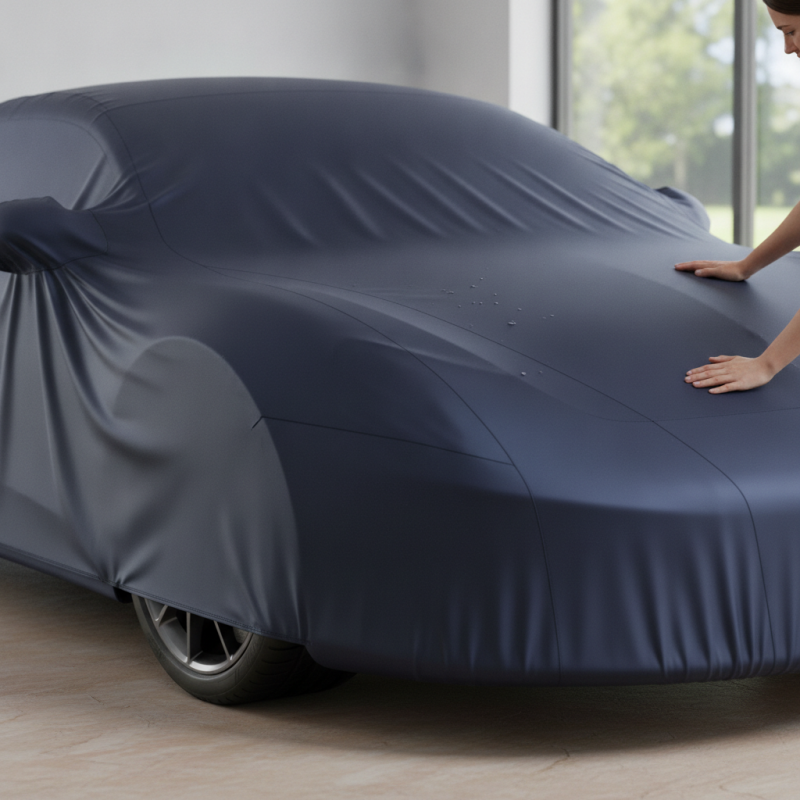
Choosing the right custom car cover starts with understanding your vehicle's specifications. Each car model has unique dimensions, which means a one-size-fits-all approach may not work. A cover that fits snugly protects your vehicle better than a loose one. Proper fit helps prevent scratches, dents, and exposure to harsh weather.
Tips: Measure your vehicle accurately. Use a measuring tape to get the length, width, and height. Check the wheelbase and ground clearance as well. This information is critical for finding a cover that suits your vehicle.
Consider fabric types as well. Some fabrics are better suited for indoor use while others withstand outdoor conditions better. Look for breathable materials that prevent moisture buildup, but be wary of overly thin fabrics. These might not provide sufficient protection.
Not every cover serves every purpose. Reflect on where you park your car most frequently. Do you need sun protection or a weatherproof option? These decisions will guide you toward the right custom fit for your needs. Be mindful that the wrong choice could lead to unnecessary wear and tear on your vehicle.
When selecting a custom car cover, the choice of material significantly impacts durability and protection. A recent industry report from the Automotive Protection Association indicates that covers made from polyester tend to last longer than those made from cotton. Polyester is resistant to tearing. It also offers sufficient breathability to prevent moisture buildup. This moisture can lead to mold growth if not properly ventilated. Choosing the right material is critical for preserving your vehicle.
Another notable option is waterproof fabric, which protects vehicles from rain and snow. According to the Car Cover Council, about 30% of car owners experience mold issues due to inadequate waterproofing. That’s a substantial figure that illustrates the importance of material choice. On the other hand, materials like flannel provide a softer touch but may lack in durability. These covers can wear out quickly in harsh environments. Consumers should weigh the trade-offs when considering comfort versus longevity.
Furthermore, UV protection plays a role in material selection. A study showed that cars covered with high-UV rated materials showed 50% less paint damage over time. The durability of a car cover can also be influenced by environmental factors such as sun exposure and temperature fluctuations. Thus, understanding these factors can improve your decision-making process. Prioritizing the right materials ensures that you protect your vehicle effectively.
When selecting a custom car cover, assessing weather conditions is crucial. Different environments require specific materials and features. For instance, heavy rain necessitates a waterproof cover. In contrast, sunny climates benefit from UV-resistant fabrics. Humidity and snow also impact your choice. A breathable cover can prevent mold growth, while insulation is key for snowy regions.
Consider where you park your vehicle. Is it outdoors, exposed to intense sun? Choose a cover with reflective properties. If your area experiences high winds, look for covers with tie-downs or secure fastenings. These small features are often overlooked but significantly affect performance.
It's essential to remember that no cover is perfect. Some materials can trap heat and moisture, causing paint damage. Weigh the pros and cons of each option. Reflect on personal experiences or customer reviews, as they provide valuable insights. An informed choice can enhance your vehicle's longevity and appearance.
When selecting a custom car cover, ease of use and maintenance are crucial factors. A study by the Automotive Care Association found that over 70% of car owners prefer covers that are user-friendly. This reflects a growing demand for products that simplify vehicle protection. An easy-to-install cover ensures you can quickly shield your car from dust and debris, encouraging regular use.
Maintenance also plays a vital role in the longevity of a car cover. Regular cleaning can extend its life significantly. According to a report from Consumer Reports, covers that are machine washable last 30% longer than those needing manual maintenance. A cover that is easy to maintain not only saves time but also keeps your vehicle looking its best. Choosing a fabric that is resistant to weather conditions eases upkeep, preventing mold and degradation.
While high-performance materials are desirable, they might come with higher care demands. It's essential to find a balance between durability and ease. Many buyers find that cheaper covers require more frequent replacement, leading to a false economy. Reflecting on your usage patterns may help inform your choice, ensuring you select a cover that meets your lifestyle while remaining manageable.
When purchasing a custom car cover, budget plays a crucial role. High-quality covers can range significantly in price. It's essential to balance cost and quality to protect your investment. Spending too little may lead to a cover that tears easily or fails to keep your car safe. On the other hand, overspending doesn't guarantee the best performance.
Research is vital. Look for materials that offer durability and reliability. Consider options like weather resistance and UV protection features. A breathable fabric may prevent mold and mildew. If a cover seems too cheap, it could compromise these qualities.
Consider your specific needs. For daily drivers, a lighter cover may suffice. Enthusiasts with classic cars might require something sturdier. Reflect on how often you park outdoors. The environment directly influences your cover choice. Weighing these factors alongside your budget ensures you make an informed decision.
: Accurate measurements ensure a proper fit. A loose cover risks scratches and exposure to harsh weather.
Measure the length, width, height, wheelbase, and ground clearance. This information helps find a suitable cover.
Different fabrics suit different conditions. Select breathable materials for moisture control, avoiding overly thin fabrics.
Consider where you park. Do you need sun protection or weather resistance? Your location affects your choice.
User-friendly covers encourage regular use. Quick installation protects your car from dust and debris effectively.
Regular cleaning extends cover life. Machine washable covers last longer than those needing manual maintenance.
Cheaper covers might need frequent replacements. This can lead to more costs over time, reflecting poor value.
Find a cover that offers good protection without demanding excessive upkeep. This balance is often not easy to achieve.
An ill-fitting cover can cause wear and tear and fail to protect. Reflecting on your choices is crucial for prevention.
Choose a fabric resistant to weather conditions and easy to maintain. Regular upkeep is key to preserving your vehicle's appearance.
When considering how to choose the right custom car cover for your vehicle, it’s essential to begin by understanding your car’s specifications. A precise fit ensures optimal protection against dust, weather, and other environmental factors. Evaluating different materials is also crucial; durable fabrics provide better safeguarding against wear and tear.
Moreover, assessing local weather conditions will influence your choice, as some materials are more suitable for extreme temperatures or heavy rainfall. Ease of use and maintenance should not be overlooked, as a cover that's simple to put on and clean will contribute to its longevity. Lastly, budget considerations are vital; finding a balance between price and quality will help you make a wise investment in your car's protection.

Molas Auto