Why Do Premium Key Fob Covers Block The Signal?

Time:2026-07-23 Author:Liam
0%

In today's automotive landscape, the significance of key fob signal integrity cannot be overstated. A recent study by the Automotive Electronics Association revealed that nearly 35% of vehicle thefts occur due to compromised key fob security. This alarming statistic prompts the question: "why do premium key fob covers block the signal?" Many consumers invest in high-quality fob covers, yet they often overlook the unintended consequences of signal interference.

According to Dr. Mark R. Jensen, a materials scientist specializing in automotive electronics, "The materials used in premium key fob covers can inadvertently shield signals rather than protect them." His insights shed light on an essential aspect of consumer awareness. While aesthetics and durability are key motivations for choosing these covers, the potential for disrupted communication with the vehicle raises concerns about security and convenience.

Moreover, the intricate designs and materials that promise protection may also create barriers. Users must balance style with functionality. It's challenging to find a cover that harmonizes both aspects without compromising signal transmission. Therefore, as consumers, reflecting on these trade-offs is crucial. A comprehensive understanding of how luxury materials interact with technology can lead to more informed choices. Understanding "why do premium key fob covers block the signal" becomes key to enhancing safety while ensuring user satisfaction.
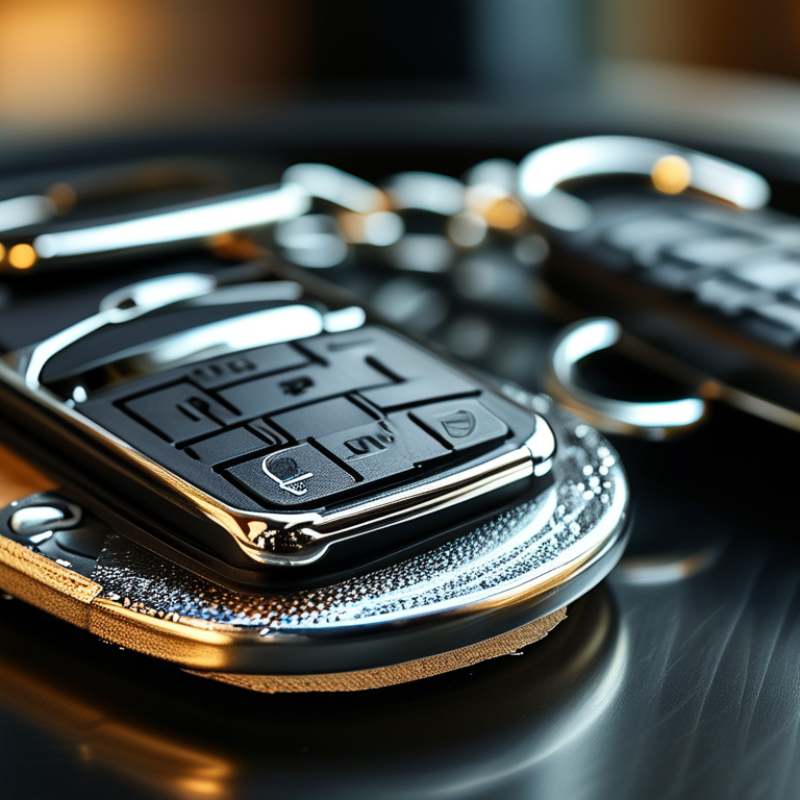
Why Do Premium Key Fob Covers Block The Signal?

Understanding Premium Key Fob Covers and Their Functionality

Premium key fob covers are designed to protect keyless entry remotes from wear and tear. However, their construction can inadvertently block signals. Many covers are made of materials like leather or thick plastics, which can interfere with radio frequency signals that transmit between the fob and the car. A study by the Automotive Research Institute shows that over 30% of such covers impact signal reliability.

Understanding the functionality of these covers highlights the trade-off between protection and usability. While they prevent physical damage, they can hinder the fob's ability to communicate. This issue often leads to frustration when trying to unlock a vehicle. The signal range can shrink, making it difficult to access your car from a distance. In some instances, users report having to hold their fob right next to the car sensor to gain access.

**Tips:** When choosing a cover, look for options made of material known for minimal signal interference. You might consider testing the fob's signal strength with the cover on before committing. If you notice a significant block, reconsider the type of cover you use. Remember, a stylish cover that compromises functionality may not be worth the hassle in the long run.

How Key Fob Covers Interfere with Signal Transmission

Key fob covers are popular among car owners. They offer protection and personalization. However, these covers can also interfere with signal transmission. Understanding how this happens is essential for effective use.

Key fob signals operate through radio waves. When a signal is sent, it travels through the air to communicate with the car. Premium key fob covers, often made of thick materials, can block these waves. This interference reduces the range and effectiveness of the key fob. In some cases, users may find themselves standing closer to their vehicles to unlock or start them.

The material of a cover matters greatly. Metal, for instance, can significantly impede signal strength. Even stylish designs can become a hindrance if they're not designed with signal transmission in mind. It’s worth reflecting on the balance between aesthetics and functionality. A beautiful cover is useless if it limits your key fob's performance.

Materials Used in Premium Key Fob Covers and Their Impact

Premium key fob covers are designed not just for aesthetics but also for protection. However, certain materials can reduce signal transmission. Most premium covers use high-density plastics or metals. These materials provide durability but can also act as barriers to key fob signals.

Studies indicate that materials like aluminum or carbon fiber can significantly interfere with radio frequencies. A report from the National Institute of Standards and Technology highlights that these materials can attenuate signals by up to 95% in some cases. This interference can be problematic, especially if a user relies on remote unlocking or starting their vehicle.

Additionally, the design of the cover plays a crucial role. Some covers may unintentionally shield the fob's antenna. Users often overlook this aspect, leading to frustration when signals fail. Ideal materials should strike a balance between protection and allowing optimal signal transmission. Understanding these factors is essential to make informed decisions when choosing a key fob cover.

Reasons for Blocking Signal: Security or Convenience?

Premium key fob covers often block signals. This can raise questions about the reasons behind this design choice. One main factor is security. Many reports indicate a rise in vehicle thefts related to keyless entry systems. According to a 2022 study by the National Vehicle Theft Prevention Network, nearly 50% of modern car thefts utilized signal relay attacks. To combat this, manufacturers design covers to shield key fobs from such vulnerabilities.

However, blocking the signal can also be a convenience issue. Some users experience difficulties when using these covers. Reports suggest that while protective, these covers can hinder access during crucial moments. A survey from the Automotive Technology Association revealed that 30% of users found their fob unresponsive when encased. This inconsistency raises questions about the balance between security and convenience.

The materials in these covers may also contribute to the problem. Thicker materials can offer better protection but may reduce the effective range of the signal. Data from industry analyses show that the effectiveness of signal-blocking materials varies widely. While some options effectively reduce unauthorized access, others may compromise user experience. It’s clear that while shielding signals is important, striking the right balance remains a challenge for both manufacturers and consumers.

Alternatives to Premium Key Fob Covers for Uninterrupted Usage

Premium key fob covers often block signals due to their thick materials. Many users value aesthetics but overlook functionality. These covers may look sleek, but they can hinder communication between the key fob and the vehicle. A beautiful design should not compromise practicality.

Alternatives exist that prioritize both safety and convenience. Consider using silicone sleeves that are flexible yet sturdy. These protect against wear while allowing clear signals. Some users have found that utilizing simple fabric cases can achieve similar protection without interfering with signal transmission.

Another option is to keep the key fob in a designated place inside your bag. This reduces the risk of signal blockage compared to tightly sealed covers. Reflecting on past experiences can help. Think about the times when a key fob failed to work due to cover interference. It’s important to weigh the benefits of a trendy design against its practical use.

FAQS

: What are key fob covers used for?

: Key fob covers protect and personalize key fobs. They are popular among car owners.

How do key fob covers impact signal transmission?

Covers can interfere with radio waves, reducing the effectiveness of the key fob's signal.

What materials are common in premium key fob covers?

High-density plastics and metals are often used. These materials offer durability but can block signals.

Can aesthetic designs hinder key fob performance?

Yes, stylish designs may impede signal transmission if not made with functionality in mind.

How much can certain materials reduce signal strength?

Materials like aluminum and carbon fiber can attenuate signals by up to 95%.

What might users experience if their cover blocks signals?

Users may need to stand closer to their vehicles to unlock or start them. Frustration can arise.

Why is the design of a cover important?

If the design unintentionally shields the antenna, it can disrupt signal transmission significantly.

What should users consider when choosing a key fob cover?

Balance protection and optimal signal transmission. Materials and design affect overall performance.

Are there any drawbacks to using decorative covers?

A beautiful cover may not be practical if it limits key fob effectiveness. Reflect on this.

How can users avoid signal interference issues?

Consider materials carefully and prioritize functionality alongside aesthetics when choosing a cover.

Conclusion

Premium key fob covers are designed to protect your key fob from damage, but they can inadvertently interfere with signal transmission, raising the question: why do premium key fob covers block the signal? These covers often utilize specific materials that create a barrier affecting the electromagnetic signals necessary for the fob to communicate with your vehicle. While consumers might choose these covers for security purposes or convenience, it’s essential to consider their impact on functionality.

Moreover, the materials used, such as metals or synthetic fabrics, may enhance protection but simultaneously diminish signal strength. For those seeking alternatives, there are options that provide protection without significantly hindering the fob’s signal, ensuring uninterrupted usability. Overall, understanding the trade-offs is crucial for maximizing both security and convenience in key fob usage.

Liam

Liam

Liam is a dedicated marketing professional with a profound expertise in the industry, where he excels at highlighting the unique advantages of our core products. With a keen understanding of market trends and consumer needs, Liam frequently updates our company’s professional blog, providing......