Premium wheels sharpen a vehicle’s stance, but their polished edges face daily threats. A tight parking space, a hidden curb, or a rushed turn can leave lasting scratches. Learning how to protect premium wheels from curb rash damage begins with prevention, not expensive repairs.
Mike Phillips, a respected automotive detailing educator, says, “Prevention is always better than correction.” That principle remains practical in 2026. Drivers should inspect wheel clearance, adjust mirror angles, and slow down near raised curbs. A few extra seconds can protect a costly finish. Tire pressure also matters. Underinflated tires may expose the wheel lip to harsher impact forces, although pressure should always follow the vehicle manufacturer’s specifications.
Protection requires suitable materials and realistic expectations. Ceramic coatings can simplify cleaning, but they cannot stop a hard curb strike. Alloy wheel protectors, rim guards, and carefully fitted parking sensors may reduce risk. However, poorly installed guards can trap grit beneath the edge. That detail is easy to miss. Clean the wheel thoroughly before applying any protective product, and check it regularly for movement or trapped debris.
Small habits matter.
Still, no method is perfect. Even experienced drivers misjudge distance in rain, darkness, or unfamiliar garages. When damage appears, photograph the area before attempting repairs. Avoid aggressive sanding on diamond-cut or painted wheels. A qualified wheel specialist can identify the finish and recommend a compatible repair. This guide examines practical habits, protective products, and maintenance decisions that help preserve premium wheels without promising unrealistic protection.
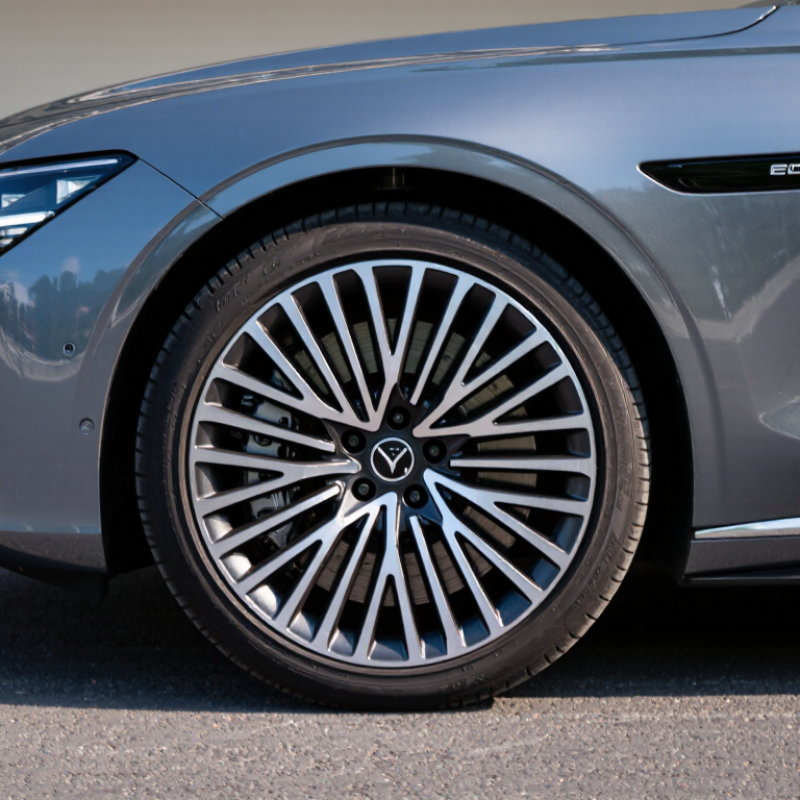
How to Protect Premium Wheels From Curb Rash Damage in 2026?
Understanding Curb Rash and Why Premium Wheels Are Vulnerable
Curb rash is the scraping or gouging of a wheel’s outer rim against concrete. It often happens while parallel parking or making a tight turn. The damage usually begins as a thin, dull mark. A harder impact can remove the finish, expose bare metal, or bend the rim edge. Premium wheels are especially vulnerable because their finishes may be polished, painted, or finely machined. These surfaces reveal damage quickly. Small flaws become visually obvious.
Low-profile tires provide less sidewall protection than taller tires. Their stiff sidewalls also offer limited cushioning during a curb impact. Larger wheel diameters leave less rubber between the road and the rim. This creates a sharper contact point. In practical inspections, I check the rim lip, tire bead, and nearby sidewall. A scrape may look harmless while hiding a slow air leak or slight deformation. Do not ignore it.
Careful parking helps, but judgment is imperfect. I have seen drivers protect the front wheels while forgetting the rear wheels during a tight exit. That mistake is common. Check tire pressure regularly, because an underinflated tire exposes more rim edge. Approach raised curbs slowly and leave extra clearance when the wheel is turned. A protective coating may reduce staining and make cleaning easier, but it cannot stop impact damage. A visual check after contact remains worthwhile.
Lower-profile tires provide less sidewall height between the road and the wheel rim. For example, a 225/40R19 tire has a nominal sidewall height of 90 mm, compared with 124 mm for a 225/55R17 tire. This reduced cushion can make premium wheels more vulnerable to curb rash, especially when parking close to raised curbs. Sidewall heights are calculated from the tire-size format: section width × aspect ratio.
Values shown are nominal dimensions calculated from standard tire-size notation and are not manufacturer-specific measurements.
Premium wheels need protection matched to their construction, not just their price. Forged aluminum wheels are strong, but their painted or polished surfaces can still suffer sharp curb contact. A clear protective film may reduce light scuffs and sand damage. It cannot absorb a hard impact. Ceramic coatings help repel brake dust and road grime, making cleaning gentler. They do not prevent curb rash.
Design changes the sensible choice. Wheels with a thin polished lip expose a vulnerable edge. A low-profile rim guard can shield that area during slow parking maneuvers. Deeply concave designs may need carefully shaped film, because flat protection can lift around tight curves. Split-spoke wheels also collect grit near their corners. I once underestimated those narrow gaps during cleaning. They needed a softer brush and more frequent inspection.
Driving conditions should decide how much protection is worthwhile. Dense city parking favors edge guards and frequent visual checks. Gravel roads call for impact-resistant film and conservative tire pressures within the vehicle maker’s limits. Winter drivers should inspect for trapped salt beneath guards and around valve areas. A professional installer should check adhesive contact, brake clearance, and wheel balance. Poor fitting can create new problems. No option is perfect. Even careful drivers may touch a hidden curb at night. That possibility should influence material choice, installation quality, and replacement planning.
Premium wheels need more than careful parking. In daily driving, a sharp curb can scrape exposed alloy within seconds. Protective accessories create a physical buffer between the rim and concrete. Choose a flexible rim guard that matches the wheel’s diameter and profile. Before fitting it, wash the wheel thoroughly and remove brake dust from the outer lip. The surface must be dry and free from wax. Even a small contaminant can weaken the adhesive bond.
Press the guard evenly around the rim, without stretching it aggressively. Leave no lifted sections near the valve stem or spoke openings. After installation, check the edge by hand and drive slowly for the first few miles. A technician should confirm that the accessory does not interfere with tire seating or routine tire service. Some guards look secure but loosen after heat, rain, or repeated washing. That detail is easy to miss.
A preventive coating adds another layer of protection. A professional-grade ceramic or polymer coating can reduce staining, brake-dust adhesion, and light surface scuffs. It cannot stop a hard curb impact. Apply it only after removing tar, oxidation, and old residues. Use thin, even passes, then respect the product’s curing time. Keep the wheel away from water during that period. I once rushed this step, and the finish cured unevenly near the spokes. That mistake showed me why preparation matters more than a glossy first impression. Inspect the accessories and coating every few weeks, especially after tire changes or winter driving.
Premium wheels need more than careful washing. Most curb rash begins during slow turns, tight parking, or rushed exits. Approach curbs at walking speed, keep the steering wheel nearly straight, and leave a visible gap between the tire and concrete. Your side mirrors help, but they can hide the lower rim. Check twice.
NHTSA’s Backover Prevention research estimates about 210 deaths and 15,000 injuries from backover crashes each year. That data concerns people, not wheel damage, but it supports a careful parking habit. Use the rear camera as an aid, never as your only view. Look over your shoulder and scan both mirrors. The U.S. Department of Energy’s Fuel Economy Guide says correct tire inflation can improve fuel economy by up to 3%. Proper pressure also supports predictable steering, although it cannot prevent every scrape.
Tips: Slow down before the turn. Straighten the wheels before reversing. Stop when the curb disappears from view. If the space feels narrow, exit and inspect it. I still misjudge tight spaces occasionally. Resetting the car feels awkward, yet it costs less than repairing a damaged rim. Avoid cutting sharply across angled curbs. When parallel parking, stop with the tire several inches away, then adjust gently. Door-edge markings and painted lines can become useful visual references, but they are not exact. Tire sensors may warn about pressure, not curb contact.
In 2026, minor curb rash deserves a careful inspection, not instant sanding.
AAA’s 2024 Your Driving Costs report estimates average annual vehicle ownership at $12,297. That figure is not a repair quote, but it shows how small maintenance costs accumulate. In workshop practice, the first mistake is rushing. Park on level ground, turn the wheels outward, and inspect the rim under a bright flashlight. Look for sharp edges, exposed metal, paint lifting, cracks, and uneven gaps near the tire bead.
Clean the wheel with cool water, mild automotive soap, and a soft brush. Avoid harsh chemicals on polished or coated surfaces. Dry the rim completely before judging the damage. A thin gray mark may be rubber transfer, not missing finish. A deep groove can expose aluminum and invite corrosion.
Check the tire sidewall carefully. The National Highway Traffic Safety Administration estimates that tire-related problems contribute to about 11,000 crashes annually. Replace or professionally assess any tire with bulges, cuts, or exposed cords. NHTSA also identifies 2/32 inch as the minimum tread depth.
For shallow cosmetic rash, a technician can smooth loose edges, clean the surface, apply suitable filler, and refinish the affected area. The repair should preserve the wheel’s original profile. Do not hammer a premium rim at home. Hidden bends can cause vibration or slow air loss.
I have seen clean-looking repairs fail because the bead area was ignored. Ask for runout and air-leak checks after repair. The wheel may look perfect. It still needs measurement.
Curb rash is scraping or gouging along a wheel’s outer rim. It often happens during tight turns or parallel parking.
Polished, painted, or finely machined finishes show small flaws quickly. Low-profile tires also provide less sidewall protection.
Yes. Inspect the rim lip, tire bead, and sidewall carefully. A shallow scrape may hide a bent edge or slow air leak.
Approach raised curbs slowly and leave extra clearance when turning. Check tire pressure regularly, because underinflation exposes more rim edge.
No. They create a flexible buffer between the rim and concrete. Hard impacts can still damage the wheel or loosen the guard.
Wash the wheel, remove brake dust, and dry the outer lip completely. Press the guard evenly without stretching it aggressively.
No. Coatings can reduce staining, brake-dust adhesion, and light scuffs. They cannot restore missing metal or stop a hard impact.
Park on level ground and use a bright flashlight. Look for cracks, sharp edges, lifted paint, exposed metal, and uneven tire-bead gaps.
Minor cosmetic damage may need professional smoothing, filling, and refinishing. Avoid hammering the wheel at home. Hidden bends can cause vibration.
Ask for runout and air-leak checks. Inspect the tire sidewall for cuts, bulges, or exposed cords. A perfect appearance is not enough.
Protecting premium wheels from curb rash begins with understanding why they are vulnerable. Low-profile tires, wide rims, polished finishes, and intricate designs can leave less room for error when parking near curbs. This guide explains how to protect premium wheels from curb rash damage by selecting suitable protection according to wheel material, design, road conditions, and driving habits. It also covers practical options such as rim protectors, protective coatings, and properly fitted tires, while emphasizing careful installation to avoid trapped dirt or uneven coverage.
Prevention remains the most effective strategy. Drivers should approach curbs slowly, maintain a safe distance, use mirrors and cameras carefully, and avoid turning sharply against the curb. Regular inspection and gentle cleaning can reveal small scratches before corrosion or finish deterioration develops. For minor damage, prompt touch-up work or professional refinishing can restore appearance, while deeper bends or cracks require qualified evaluation. With suitable protection, cautious driving, and consistent maintenance, premium wheels can retain their finish and structural condition throughout 2026.

Molas Auto