In recent years, wireless car chargers have surged in popularity, especially in China. Many users wonder, "why is my wireless car charger heating up?" This concern is valid, as excessive heat can lead to decreased efficiency and potential damage to devices. Understanding the reasons behind this phenomenon is crucial for safe usage.
Several factors contribute to the heating issue. For instance, the positioning of the charger may not align perfectly with the phone. Additionally, environmental conditions can play a significant role. A hot day can exacerbate the heating issue. Users may overlook these details, often attributing the problem solely to the charger itself. Feedback from daily experiences highlights these common misunderstandings.
Being aware of these factors can improve user experience. It's essential to regularly check both the charger and the phone's case. Sometimes, a simple adjustment can make a significant difference. Paying attention to usage habits can prevent potential overheating. As technology evolves, staying informed is vital for optimal performance.
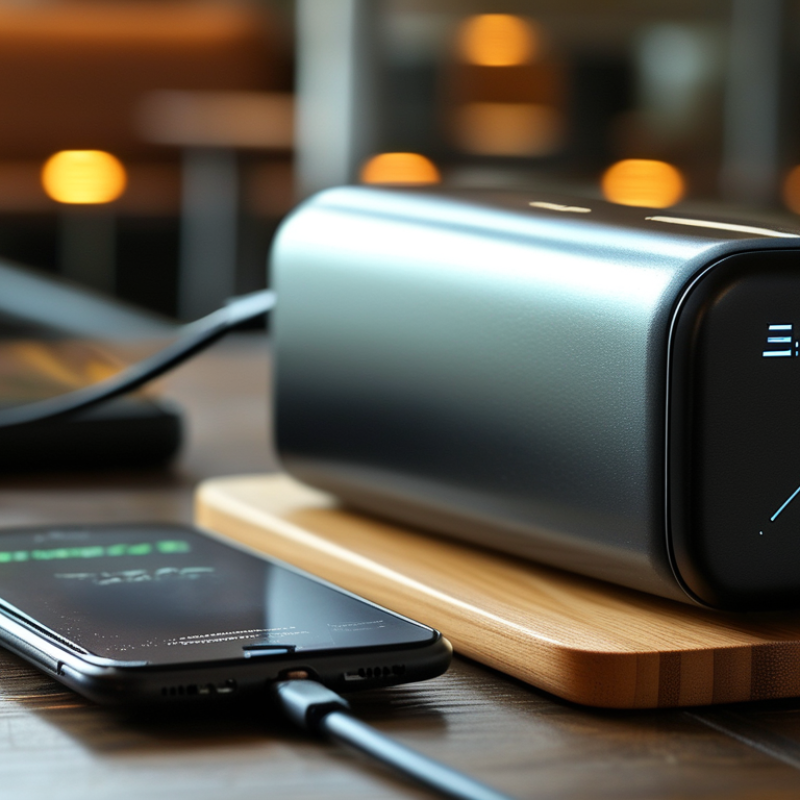
Understanding Wireless Car Chargers and Their Operating Mechanisms
Wireless car chargers use electromagnetic fields to transfer energy. This technology simplifies the charging process, eliminating messy cables. However, they can generate heat during operation. If you are in China, heat levels might rise depending on environmental conditions. High ambient temperatures can also affect performance.
When charging, the alignment of the phone and charger matters greatly. If not positioned correctly, inefficiencies arise, further increasing heat output. Users may notice their devices getting warmer over time. It's essential to ensure proper alignment for optimal functionality.
Quality and safety features vary among products. Some chargers have built-in cooling systems, while others do not. Users should consider these factors when selecting a charger. Maintaining good airflow around the device can help manage heat. Proper placement can enhance not only the lifespan of the charger but also the device being charged.
Common Causes of Heating in Wireless Car Chargers in China
Wireless car chargers are popular among drivers in China due to their convenience. However, overheating issues are common and warrant attention. One common cause of excessive heat is incompatible phone cases. Thick or metallic cases can obstruct charging efficiency, causing heat buildup. A study by the International Journal of Wireless Communications reveals that up to 30% of heat generation in wireless chargers is linked to these factors.
Another factor is the environmental temperature. In China, the summer months can reach high temperatures. When placed in direct sunlight, chargers may heat up quickly. Research indicates that high ambient temperatures can reduce charging efficiency by up to 25%. Furthermore, poor ventilation around the charger can exacerbate this problem, resulting in overheating.
Lastly, low-quality components can play a significant role. Many cheaper models may not adhere to safety standards. A report by the Asian Institute of Technology highlights that adhering to standard certifications can reduce overheating incidents significantly. As users become more aware of these issues, choosing reliable products becomes essential for safety and efficiency.
Reasons for Wireless Car Charger Heating in China
| Cause |
Description |
Impact |
Solution |
| Poor Ventilation |
Limited airflow around the charger can lead to overheating. |
Decreased charging efficiency and potential damage to the charger. |
Ensure proper placement for airflow; avoid enclosing the charger. |
| Incompatible Devices |
Charging a device that doesn't support Qi technology can cause overheating. |
Ineffective charging and possible damage to the charger and device. |
Use only compatible devices for wireless charging. |
| Overexposure to Heat |
Direct sunlight or high ambient temperatures can increase charger temperature. |
Risk of overheating and reduced lifespan of the charger. |
Park in shaded areas or use sunshades to protect the charger. |
| Faulty Charger |
Internal issues or defects in the charger can lead to excessive heat production. |
Risks of fire, melting components, or device damage. |
Replace the charger if it consistently overheats despite proper usage. |
| Misalignment |
Poor alignment of the device on the charging pad can cause inefficient charging. |
Increased heat generation without effective charging. |
Ensure that the device is centered on the charging pad. |
Impact of Environmental Factors on Wireless Charger Performance
Wireless chargers are convenient but can heat up, especially in warmer climates like China. High temperatures affect their efficiency and longevity. According to industry reports, chargers can lose up to 20% of their performance due to heat. Environmental factors play a crucial role. For instance, direct sunlight and high humidity can exacerbate overheating issues in wireless chargers.
Consider the placement of your charger. If it is near air vents or subject to sunlight, it may heat up more quickly. Internal components can struggle to dissipate heat when surrounded by high ambient temperatures. This can lead to slower charging speeds and reduce the charger’s lifespan.
To mitigate overheating, ensure your charger is on a flat, cool surface. Avoid using it during peak heat hours. Also, check your device’s compatibility. Some devices generate more heat than others, which can impact charger performance. Remember, a little care in usage can prolong the lifespan of your wireless charger and maintain optimal charging speeds.
Tips for Preventing Overheating in Wireless Car Chargers
Wireless car chargers are convenient, but overheating can be a common issue. In many cases, this is caused by dust or debris blocking the charging coils. Keep the charger and your phone clean. Regularly wipe down the surfaces with a soft cloth. This simple act can improve efficiency and reduce heat.
Another key reason for overheating is improper phone alignment. Ensure your phone is positioned correctly on the charger. Misalignment not only slows down charging but can also generate unnecessary heat.
Invest in a charger with adjustable coils for better alignment.
Temperature variations can also affect performance. In hot weather, avoid placing your charger in direct sunlight. Instead, try to park in shaded areas. Using your phone for navigation while charging can increase the device's heat.
Monitor its temperature, and if it gets too hot, take a break from using it. These small adjustments can significantly mitigate overheating issues.
Comparative Analysis of Wireless Charger Brands and Their Heat Management
When evaluating wireless chargers, heat management stands out as a crucial factor. Many consumers notice their devices get uncomfortably warm during use. This is especially evident in hot climates, like parts of China. Understanding the underlying reasons for heat generation is essential. Poor design, inadequate materials, or lack of efficient cooling solutions significantly contribute to overheating.
Some brands excel in heat dissipation, employing advanced engineering techniques. These methods can include multiple coils or enhanced airflow designs. However, not all brands prioritize this aspect. Consumers often face a tough choice while selecting the best wireless charger. An overheating device can lead to decreased efficiency and damaged components.
Certain chargers might even struggle with basic heat management. Users may find their phones charged intermittently or not at all due to this issue. It's a reminder of how important it is to research before making a purchase. Always read reviews and seek expert opinions. A little diligence can go a long way in ensuring a reliable and effective charging experience.
Wireless Car Charger Temperature Management Comparison
This chart illustrates the average operating temperature of various wireless car chargers. Managing heat effectively is crucial for performance and safety. The data indicates that Charger D exhibits the highest average temperature, which could impact its longevity and charging efficiency.
FAQS
: Incompatible phone cases and high ambient temperatures often lead to overheating. Thick or metallic cases can obstruct charging efficiency.
High temperatures can reduce charging efficiency by up to 25%. Direct sunlight can quickly heat up chargers.
Yes, dust and debris can block charging coils. Keeping them clean can improve efficiency and reduce heat buildup.
Improper alignment can slow charging and cause excess heat. Ensure your phone is positioned correctly on the charger.
Monitor the charger's temperature. If it gets too hot, stop using your phone for navigation and take a break.
Yes, low-quality components may not meet safety standards. Choosing reliable products can help reduce overheating incidents.
Conclusion
In the quest to understand "why is my wireless car charger heating up," it is essential to examine the operating mechanisms of these devices. Wireless car chargers utilize electromagnetic fields to transfer energy, which can lead to heat generation, particularly in environments with extreme temperatures. Common causes of overheating include poor alignment of the phone with the charger, the use of thick phone cases, and prolonged charging sessions in hot conditions typical in China.
Furthermore, external factors such as humidity and vehicle heating systems can exacerbate the issue. To mitigate overheating, users should ensure proper alignment of their devices, avoid using bulky cases, and limit charging duration under high temperatures. By addressing these common concerns, users can optimize the performance of their wireless car chargers and reduce the risk of overheating, ensuring a safer charging experience.

 Molas Auto