Select premium aftermarket mechanical assemblies and custom components engineered for luxury vehicle applications.

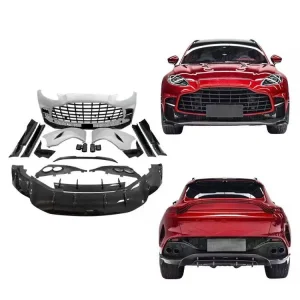
In the contemporary automotive landscape, the complexity of vehicle electronics is expanding exponentially. Modern vehicles are no longer purely mechanical assemblies; they are integrated, mobile server networks running on complex Controller Area Network (CAN bus) architectures. As a leading manufacturer in Guangzhou, China, Guangzhou Molas Auto Co., Ltd. stands at the intersection of mechanical precision and electronic optimization, ensuring compatibility across sophisticated platforms.
At the center of this transformation is the Onboard Diagnostic (OBD-II) system. Originating from California Air Resources Board (CARB) initiatives in the late 1980s, diagnostic protocols have evolved from simple sensor thresholds to real-time, predictive multi-system analysis. Diagnostic frameworks like ISO 15765-4 (CAN), ISO 14229 (UDS), and SAE J1979 form the foundation of global standardization, ensuring modern diagnostic scanners can interface directly with Engine Control Units (ECUs), Transmission Control Modules (TCMs), and Advanced Driver Assistance Systems (ADAS).
For B2B procurement professionals, compliance is a non-negotiable metric. Selling diagnostic interfaces in highly regulated jurisdictions such as the European Union requires rigorous certification. CE Certification acts as proof that diagnostic equipment complies with European health, safety, and environmental protection standards.
Crucially, CE certification of OBD tools involves evaluating electromagnetic compatibility (EMC under the EN 55032 and EN 55035 standards) to ensure that high-frequency wireless communications (Wi-Fi, Bluetooth 5.0) do not disrupt critical vehicle electronics. Molas Auto ensures that all diagnostic components and mechanical hardware undergo rigorous laboratory testing to protect vehicle communication links from noise interference and signal decay.
Performance indicators that define our manufacturing and service standards.
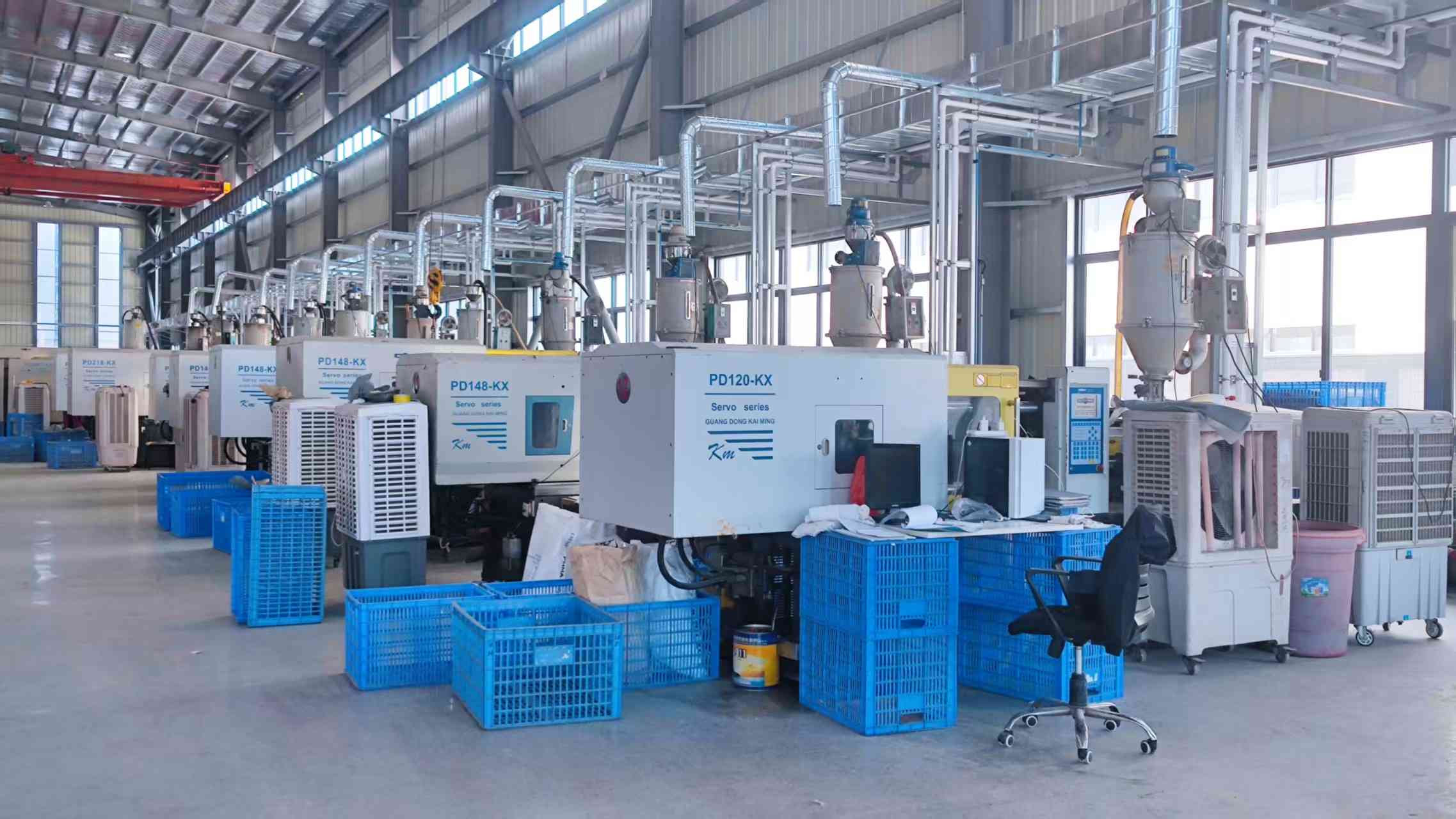
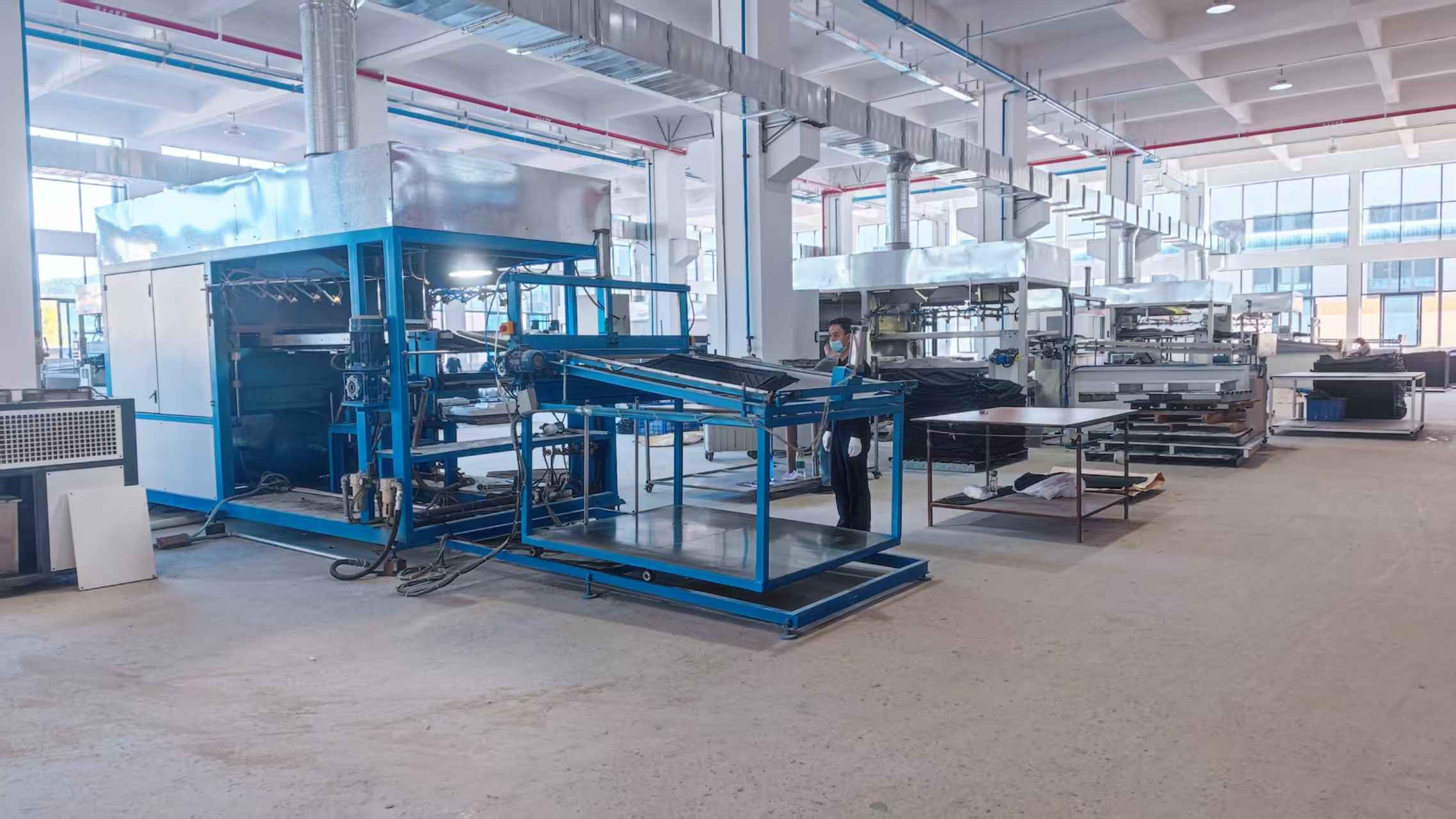
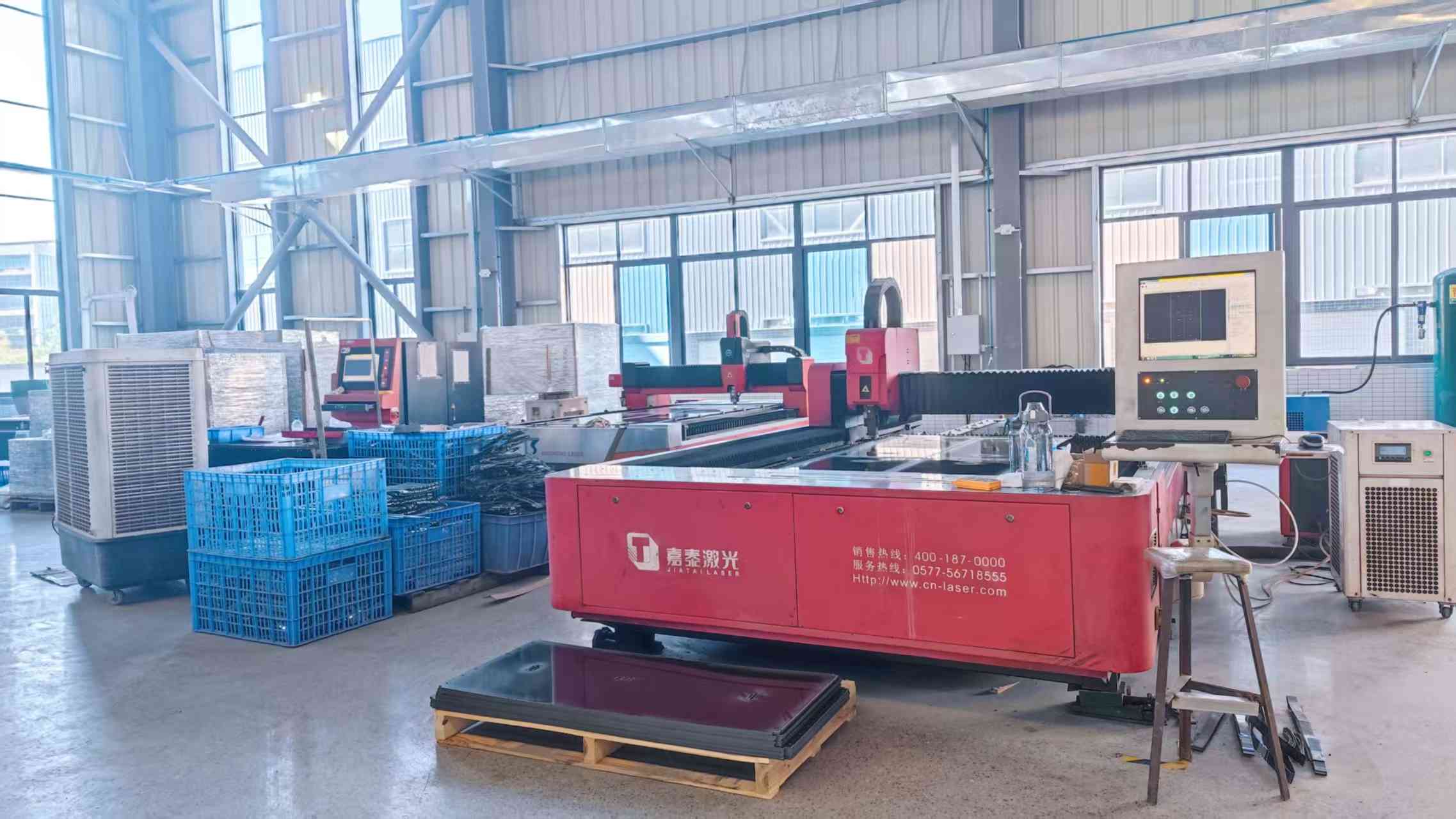
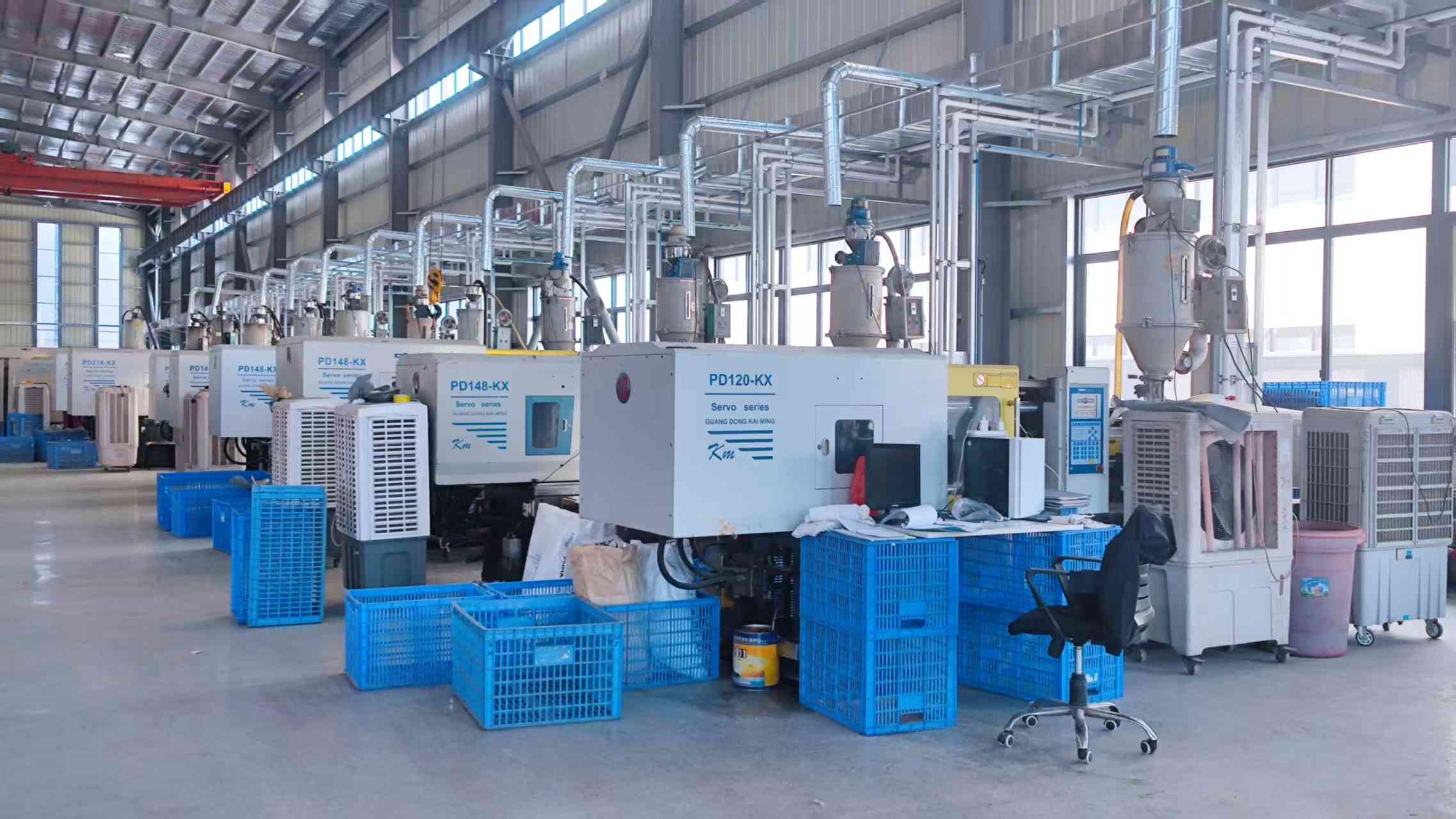
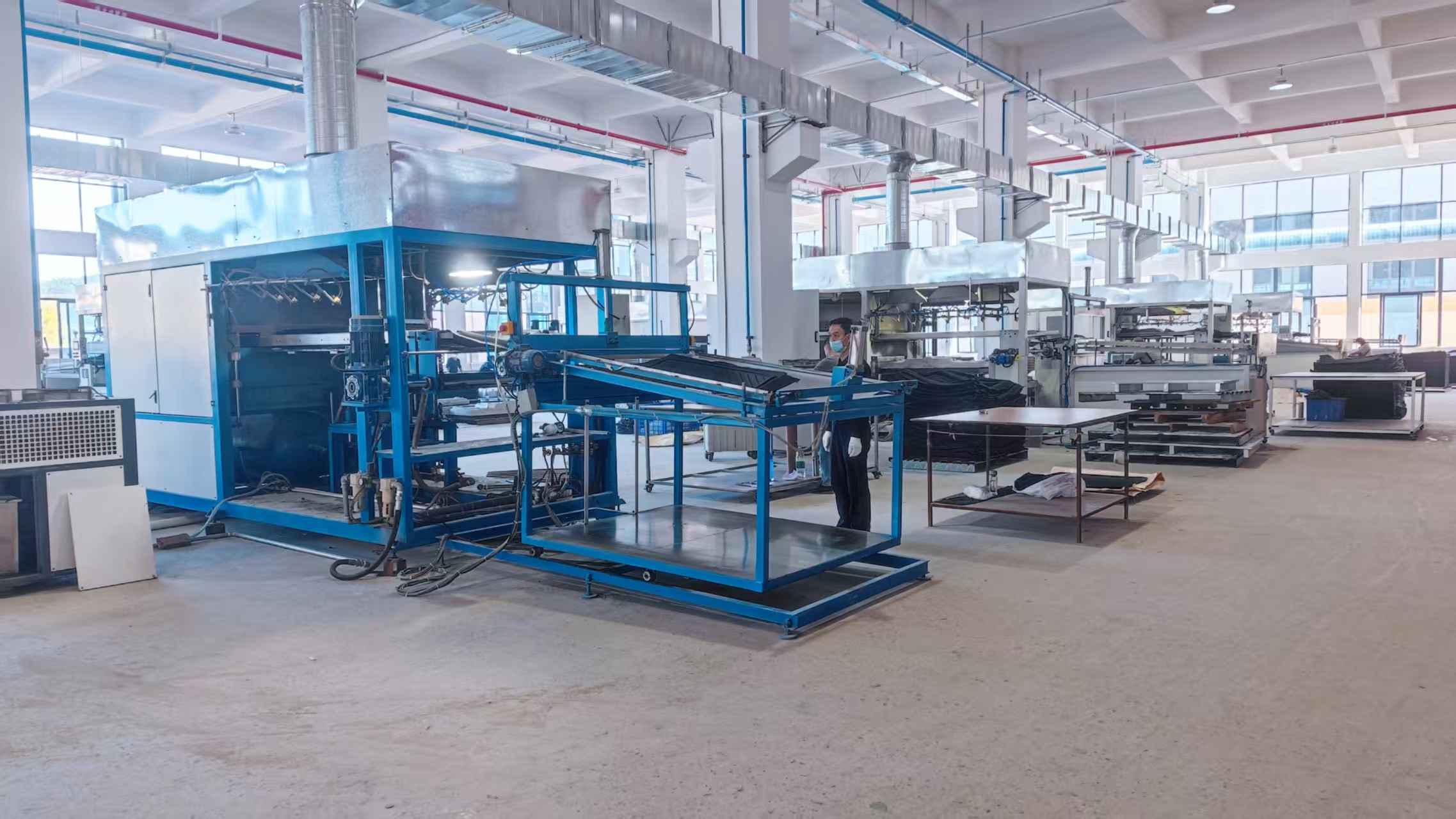
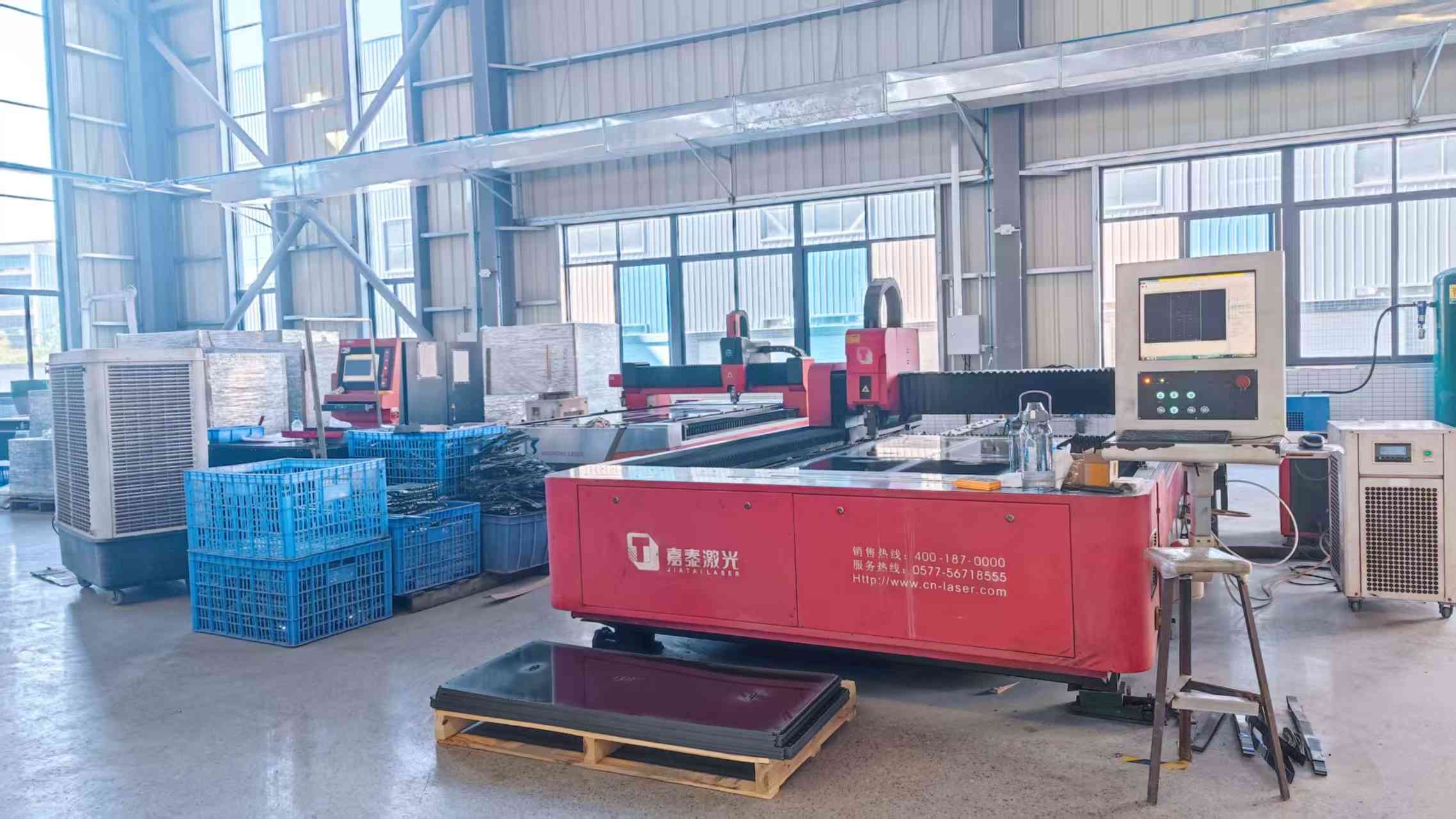
Guangzhou is one of the world's most dynamic automotive industrial clusters. This regional ecosystem allows Guangzhou Molas Auto Co., Ltd. to coordinate complex engineering processes with fast turnaround times. From raw ABS injection molding and laser cutting of structural components to clean-room PCB assembly and testing of multi-protocol diagnostic systems, our localized supply chain helps optimize costs and production schedules.
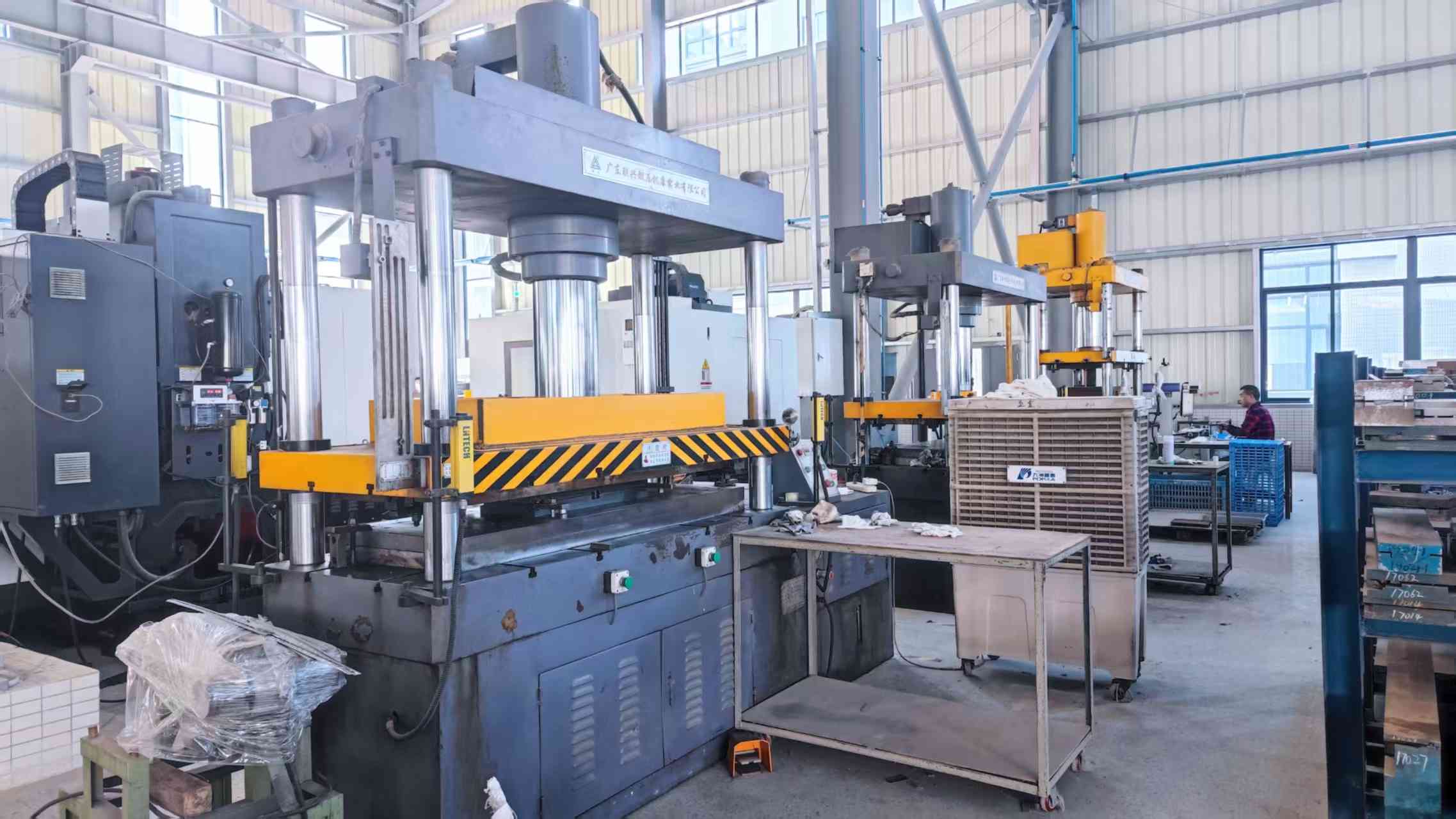
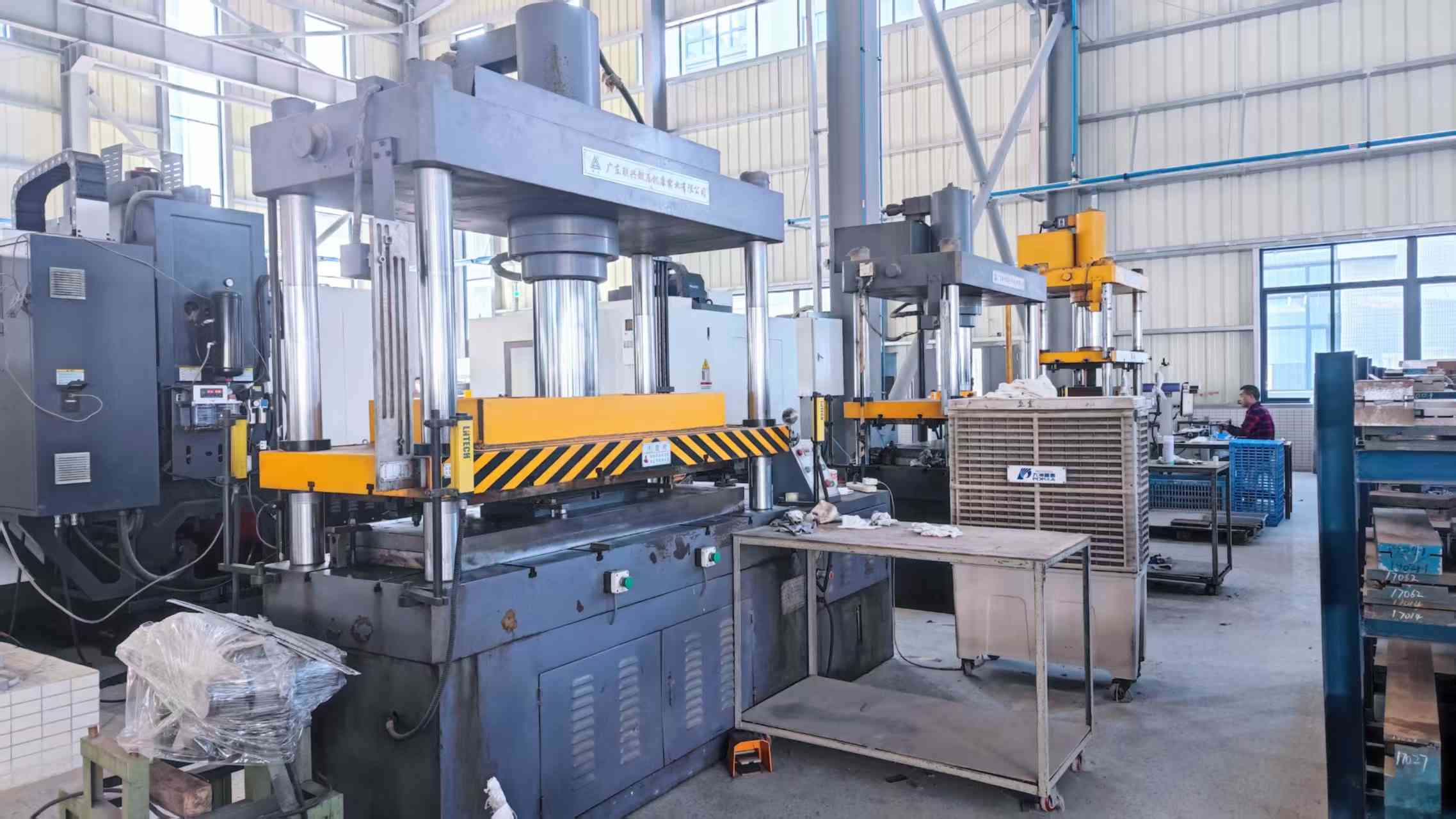
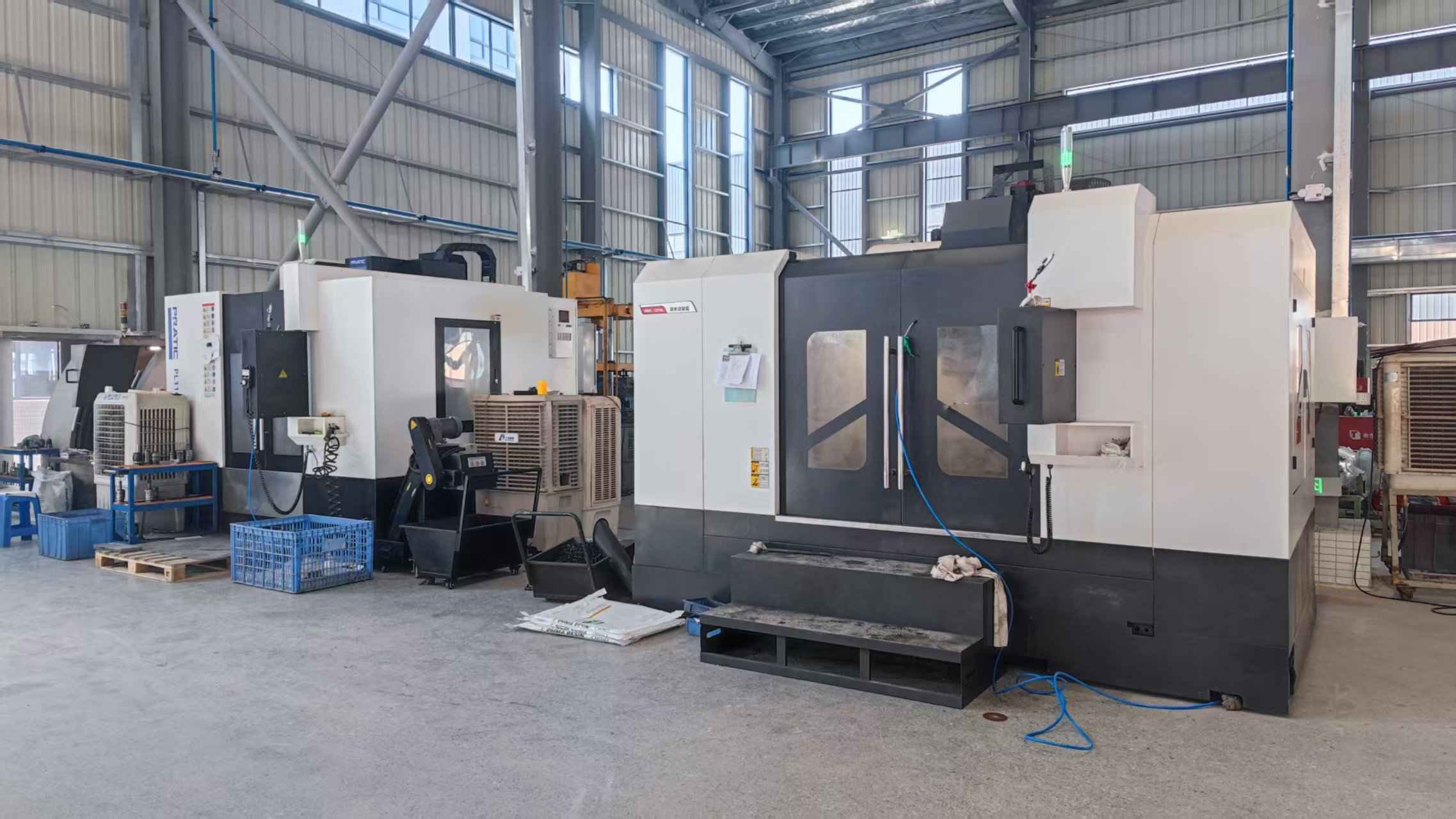
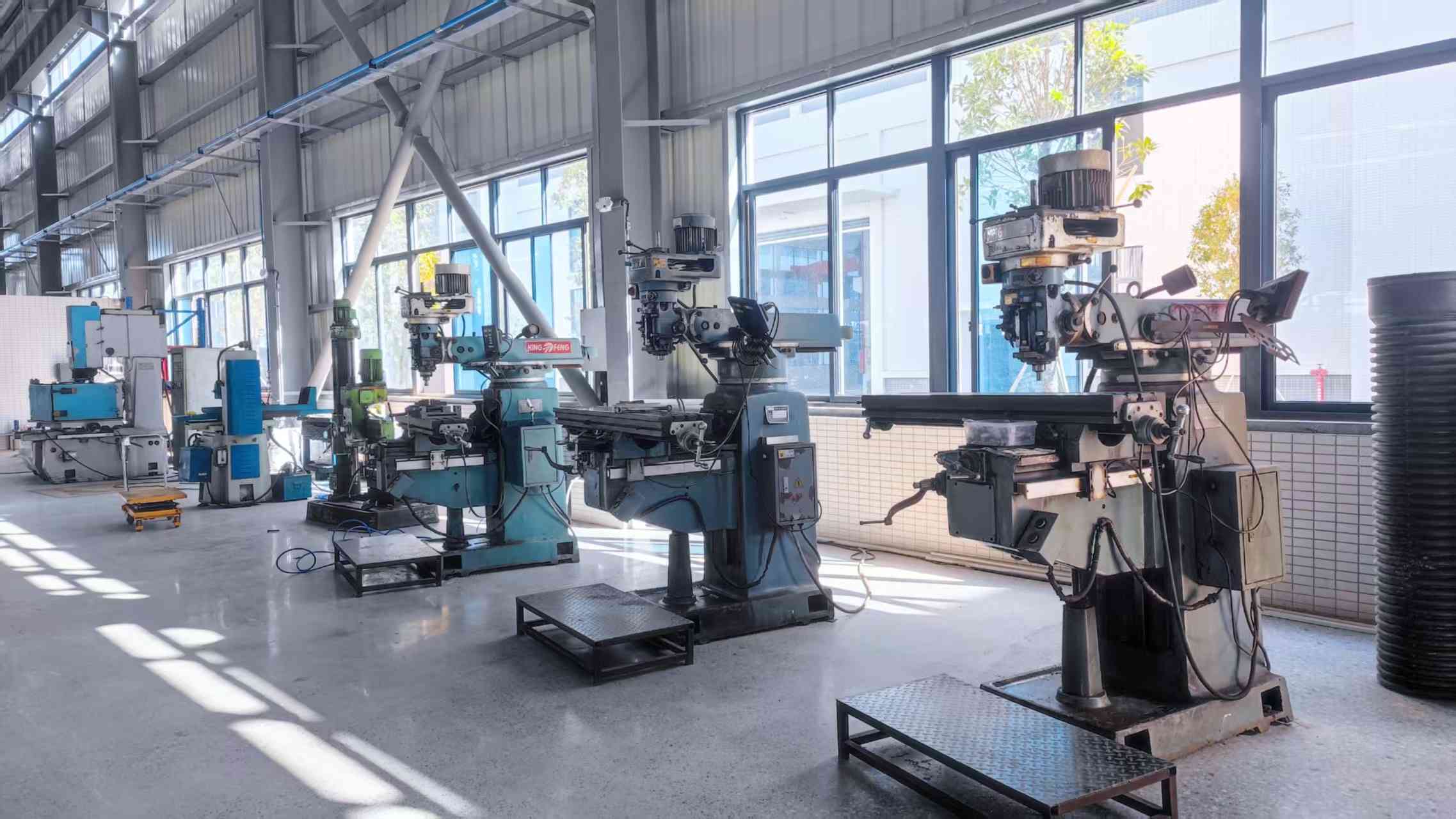
By using modern manufacturing equipment like high-precision CNC machining centers, plastic vacuum forming machines, and automated laser cutters, we build durability and reliability into every component we supply. Our capability to switch seamlessly between manufacturing luxury body kits, structural engine parts, and diagnostic equipment modules shows the depth of our engineering and manufacturing capacity.
For B2B buyers, these localized manufacturing capabilities mean we can offer highly customizable OEM and ODM support. Whether you need custom housing colors for diagnostic scanners, custom OBD wire harnesses, or specific component branding, our engineering teams can take your requirements from design to final production efficiently.
Modern diagnostic interfaces must withstand harsh service bay environments, including exposure to lubricants, high physical impact, and thermal cycling. Our production lines use premium ABS-Polycarbonate blends for tool enclosures, which provides excellent structural integrity, heat resistance, and chemical protection.
Inside the diagnostic interfaces, we use gold-plated OBD-II pins to prevent contact resistance and signal degradation. This attention to detail ensures stable communications with vehicle controllers over hundreds of connection cycles, even in high-vibration automotive environments.
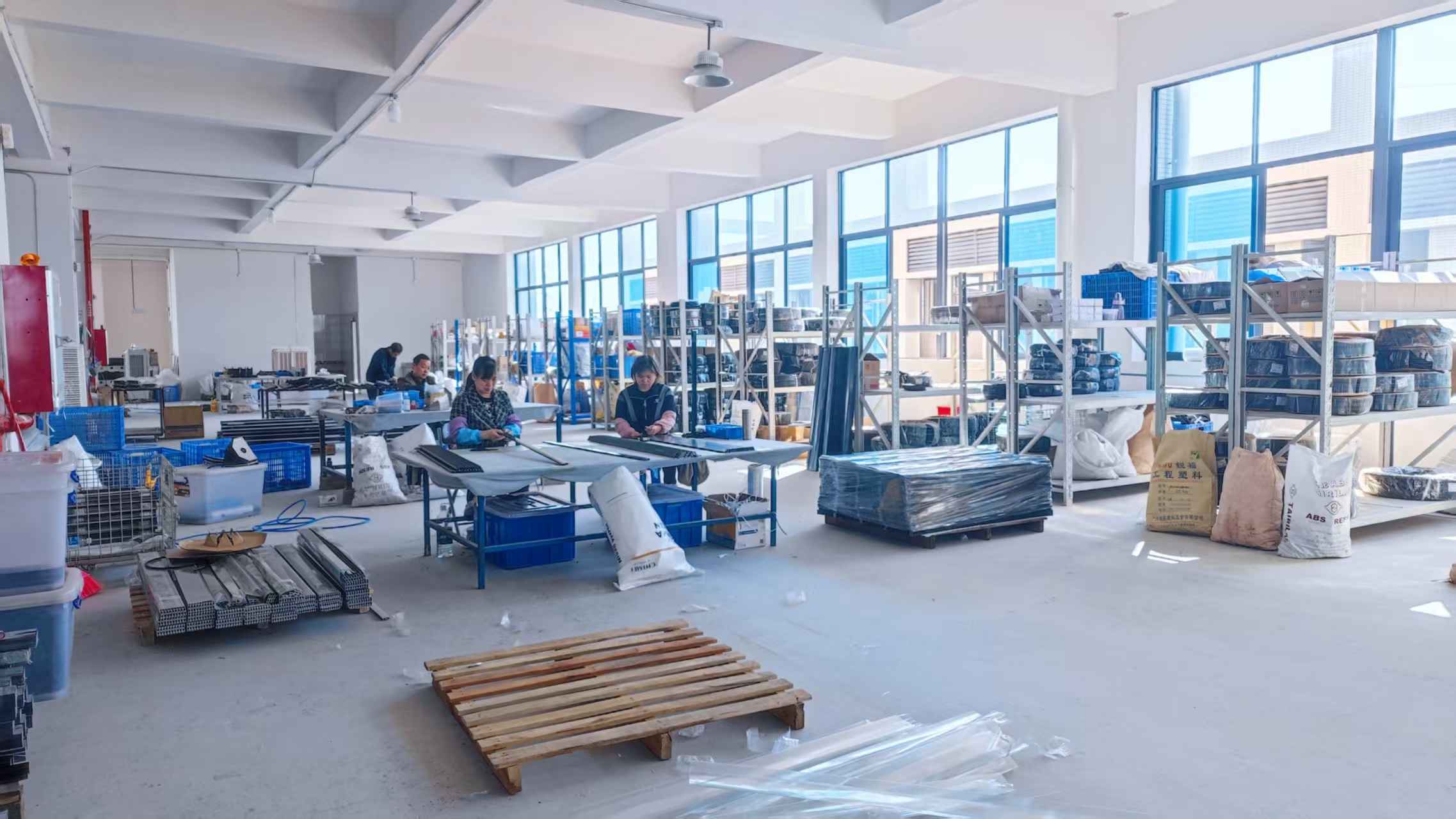
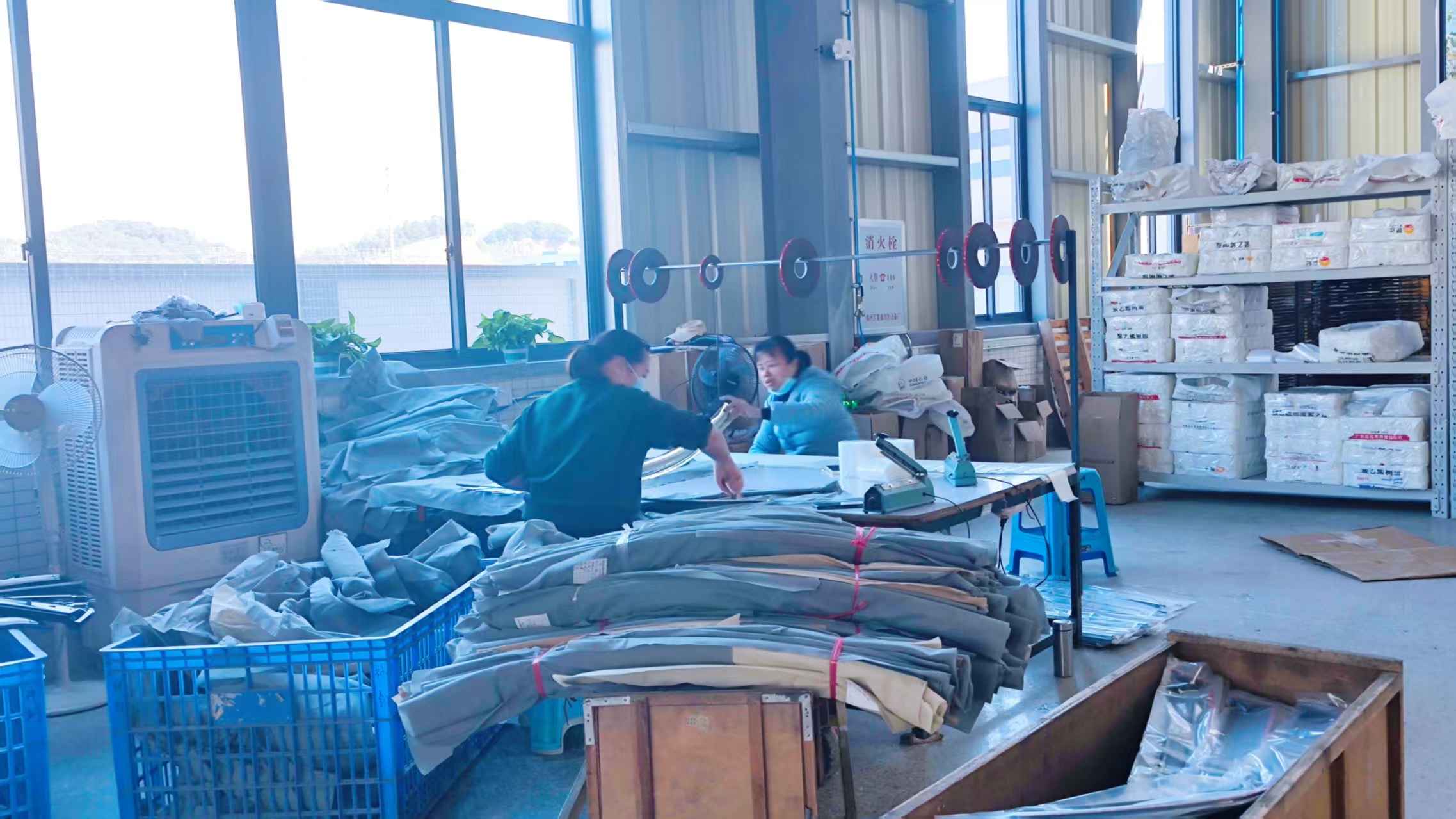
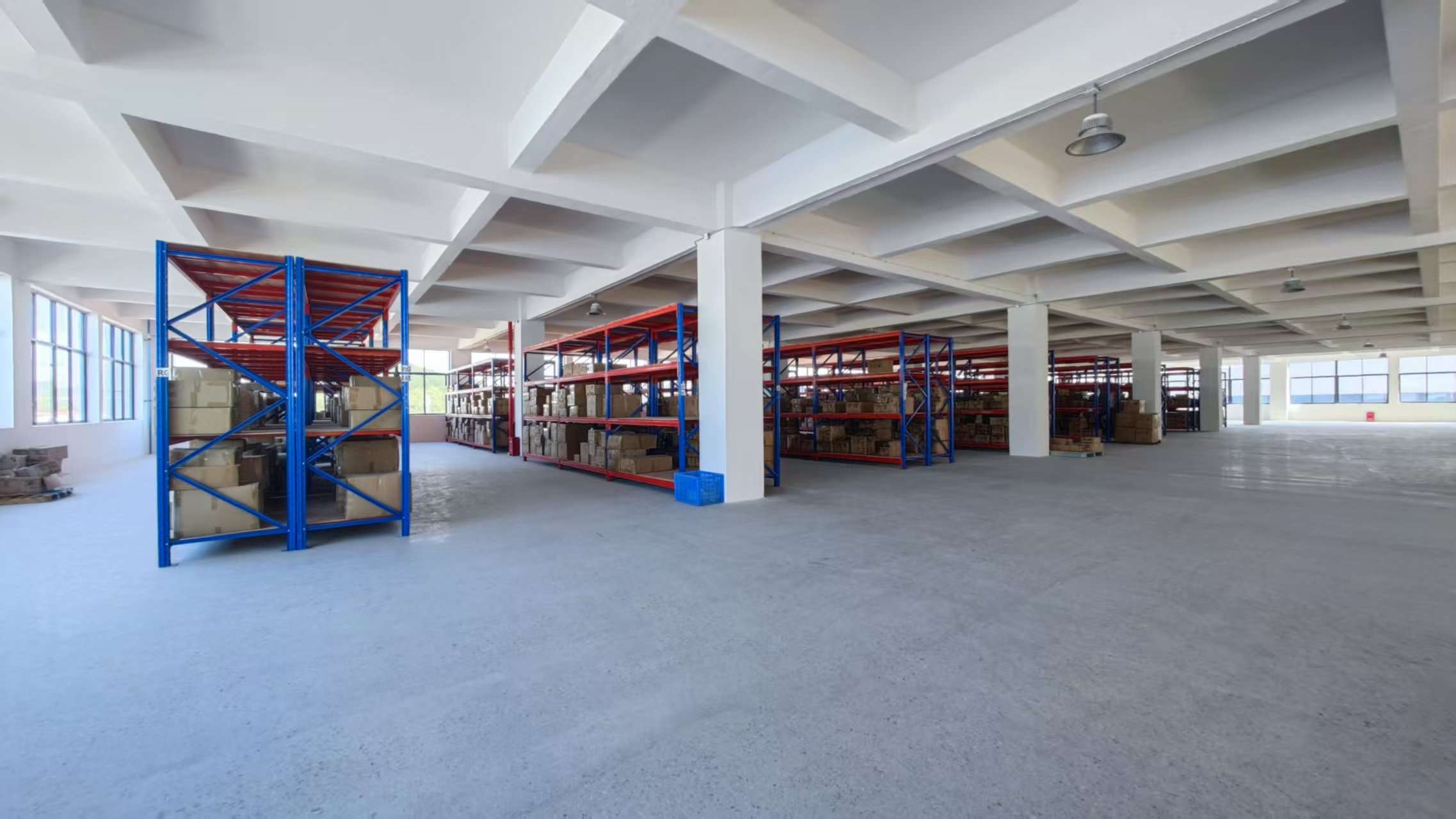
Our manufacturing and engineering facilities in Guangzhou are structured to support a wide range of specialized automotive production steps. The physical processes behind our quality automotive parts and diagnostic enclosures include:
A look inside our manufacturing processes and production machinery in Guangzhou, China.
Because diagnostic standards vary by region, B2B hardware suppliers must support multiple software configurations to ensure compatibility across different international markets.
| Regional Standard | Core Protocols Required | Target Vehicles | Regulatory Reference |
|---|---|---|---|
| OBD-II (North America) | SAE J1850 VPW/PWM, ISO 15765 CAN | Light Passenger Vehicles from 1996 | US EPA Title 40, CARB Compliance |
| EOBD (Europe) | ISO 14230-4 (KWP2000), ISO 15765 UDS | Gasoline (2001+), Diesel (2004+) | EC Directive 98/69/EC |
| JOBD (Japan) | ISO 14230, ISO 15765 (12V & 24V Systems) | Domestic Japanese Brands (2002+) | JARI Standards |
| ADR 79 (Australia) | ISO 15765 CAN, OBD-II Protocols | All imports and local manufacturing | Australian Design Rules (ADR) |
Professional diagnostic equipment importers, wholesalers, and fleet managers assess potential suppliers on specific parameters that directly impact operational risk. High-quality diagnostics require stable hardware execution, reliable field communication, and complete certification compliance.
With an experienced multilingual team and international trade services, Molas Auto manages these technical B2B procurement requirements:
The diagnostic sector is experiencing a technological transition as vehicle drivetrains evolve toward electrification. Traditional emissions monitoring (such as catalytic converter efficiency and oxygen sensor status) is giving way to battery pack diagnostics, thermal management system tracking, and electrical insulation tests.
Additionally, the adoption of Remote Telematics and DoIP (Diagnostics over Internet Protocol) enables real-time remote vehicle monitoring. Fleet managers can collect trouble codes, battery state-of-health, and brake wear metrics from central operation offices. Integrating Artificial Intelligence allows diagnostic software to perform predictive maintenance, analyzing sensor drift and historical anomalies to resolve issues before a breakdown occurs.
To support this evolution, Molas Auto is continuously investing in technical and service improvements. Our development focus includes:
Professional responses to common questions from global automotive distributors, engineers, and purchasing teams.
Browse additional OEM-spec replacement options and upgrades built for high durability.
 Molas Auto