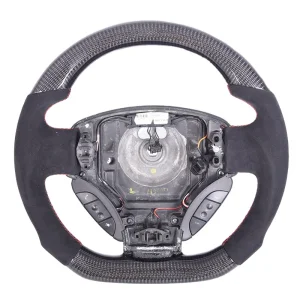
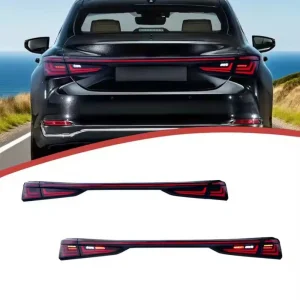
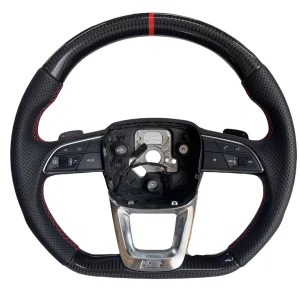
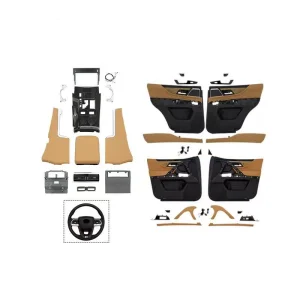
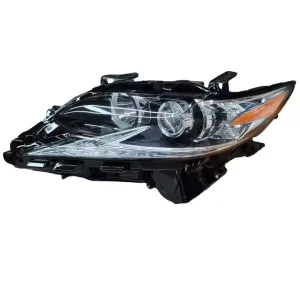
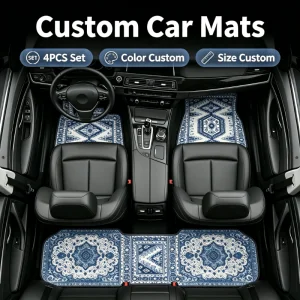
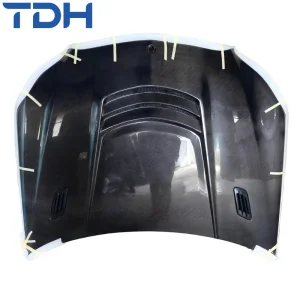
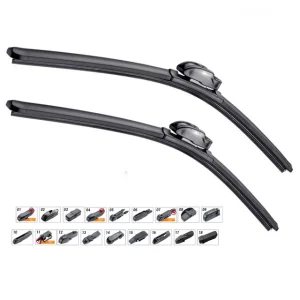
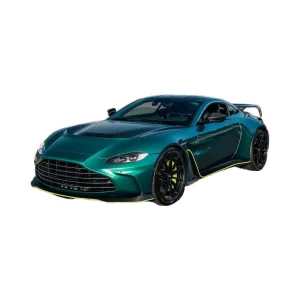
Guangzhou Molas Auto Co., Ltd. stands as a premier developer and global supplier of high-end automotive parts, conversion systems, and luxury styling accessories. Combining state-of-the-art materials science with precision manufacturing, the company has carved out an authoritative position in the global supply chains of prestige brands, including Mercedes-Benz, BMW, Land Rover, Audi, Porsche, and notably, Lexus. Drawing on the sophisticated manufacturing ecosystem of Guangzhou, China, we execute processes that transition seamlessly from raw material validation to final high-volume global distribution.
Through our dedicated design and engineering divisions, Molas Auto is capable of translating CAD models into structural automotive parts that meet the rigorous durability mandates of the global aftermarket. Under our operating philosophy, "Quality Creates Value, Service Builds Trust", we provide international commercial buyers with the agility of customized manufacturing alongside the structural assurance of OEM-equivalent tolerances. This technical foundation allows us to address the exact demands of international importers, high-end customization workshops, and regional distributors.
Our production facility operates a fully integrated industrial floor, utilizing computer numerical control (CNC), high-pressure vacuum systems, thermal forming lines, and automated hydraulic presses. This infrastructure guarantees structural consistency and reliable dimensional stability across both aesthetic interior trim and safety-critical exterior assemblies.
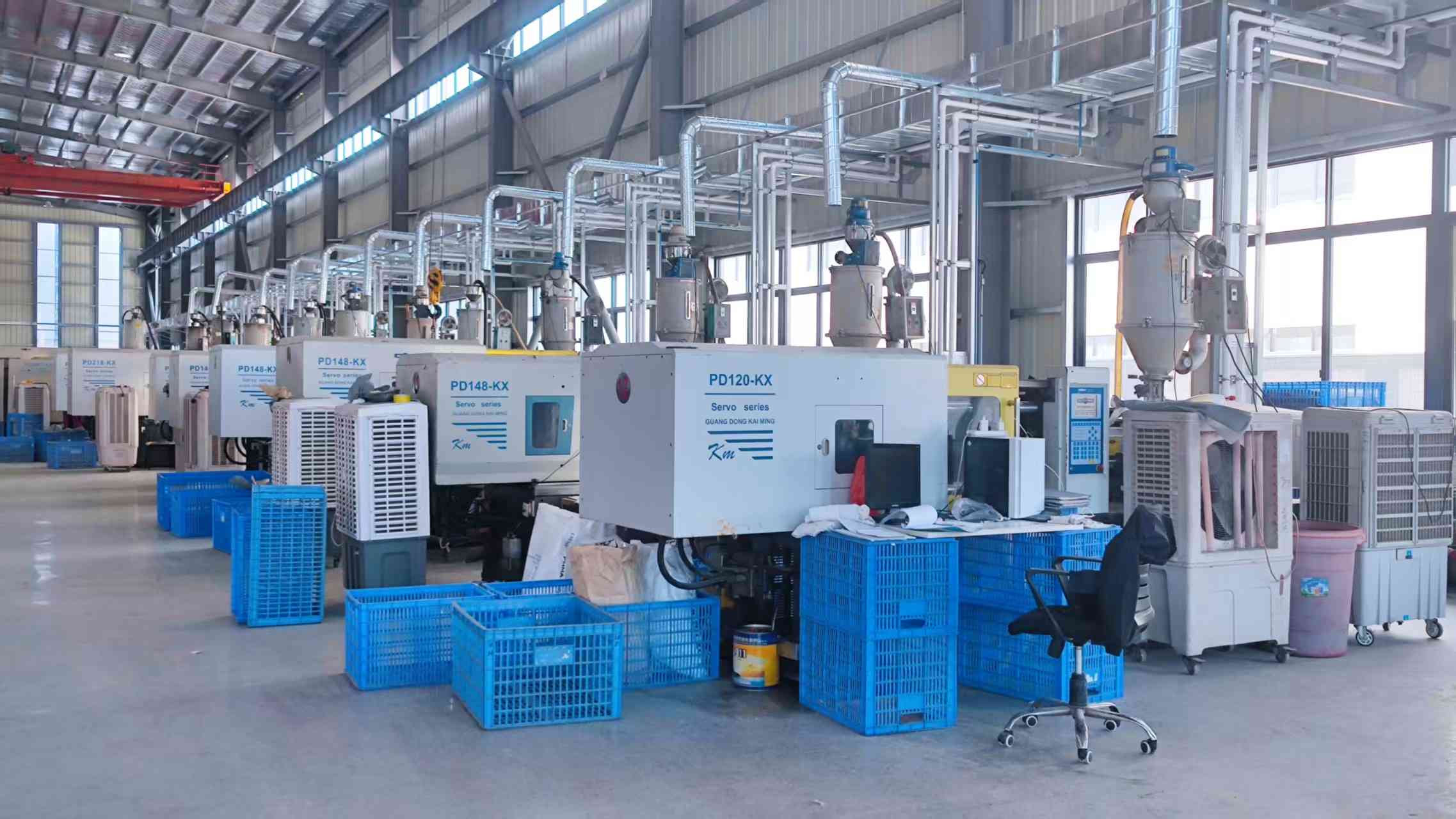
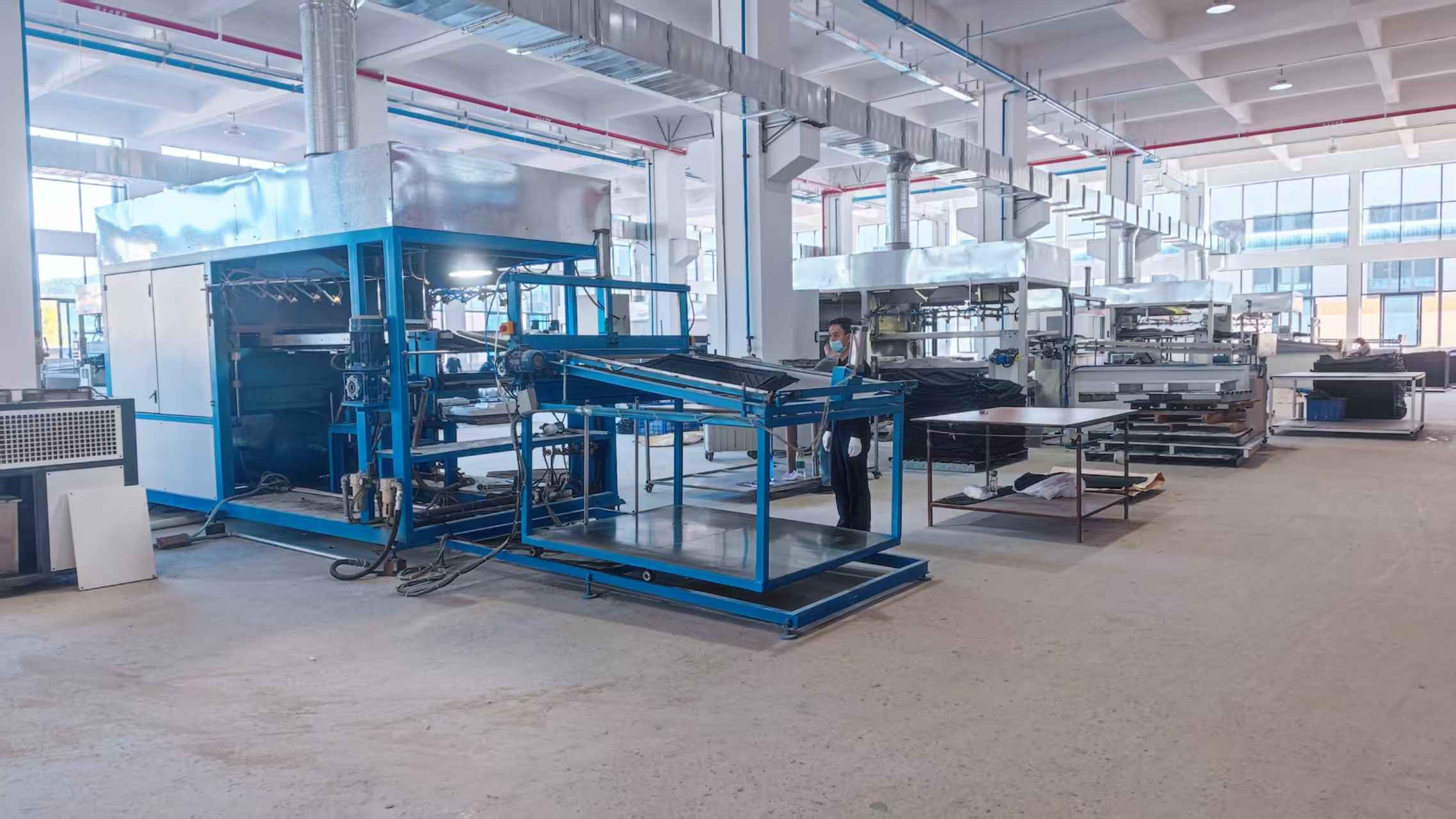
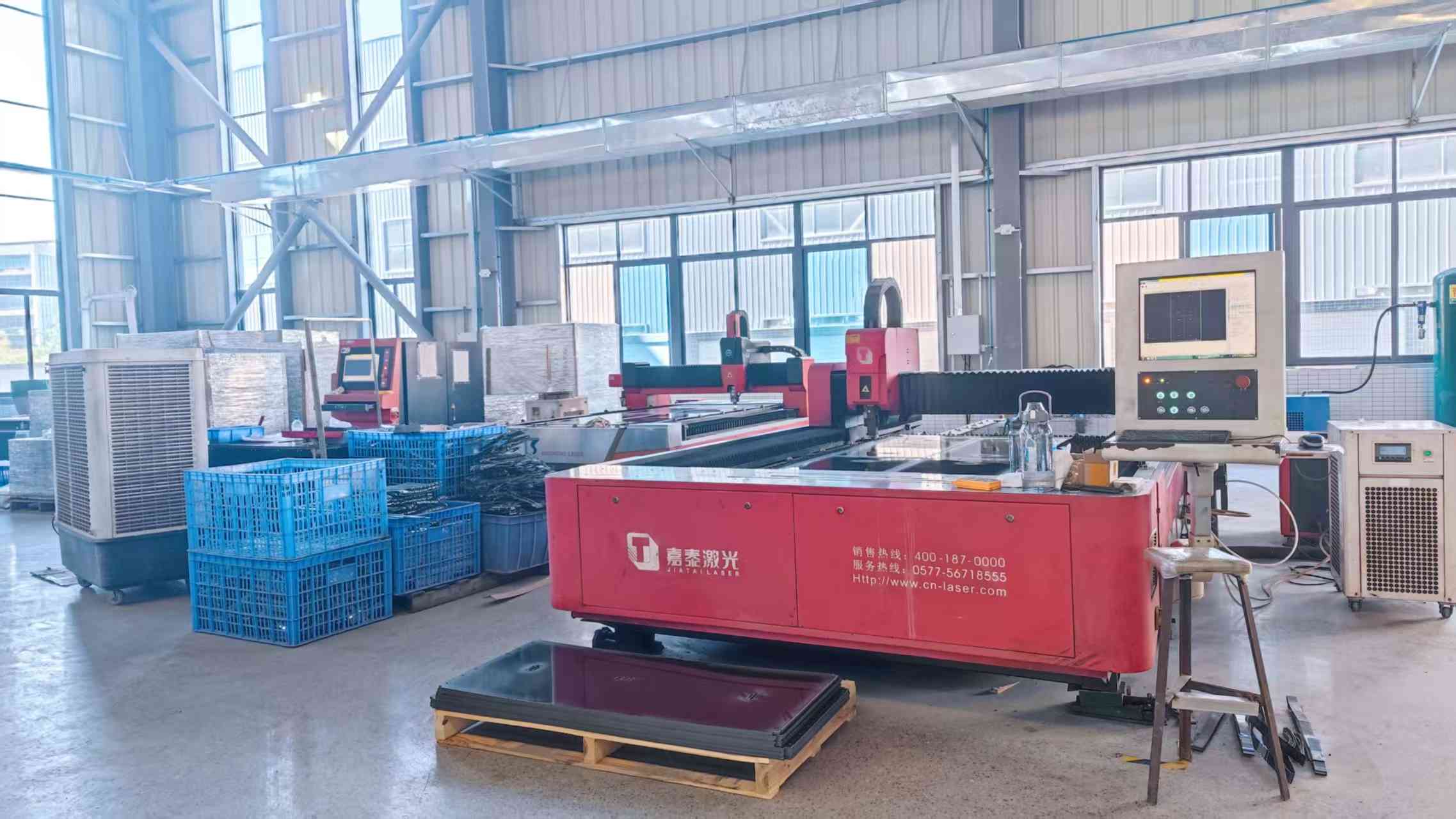
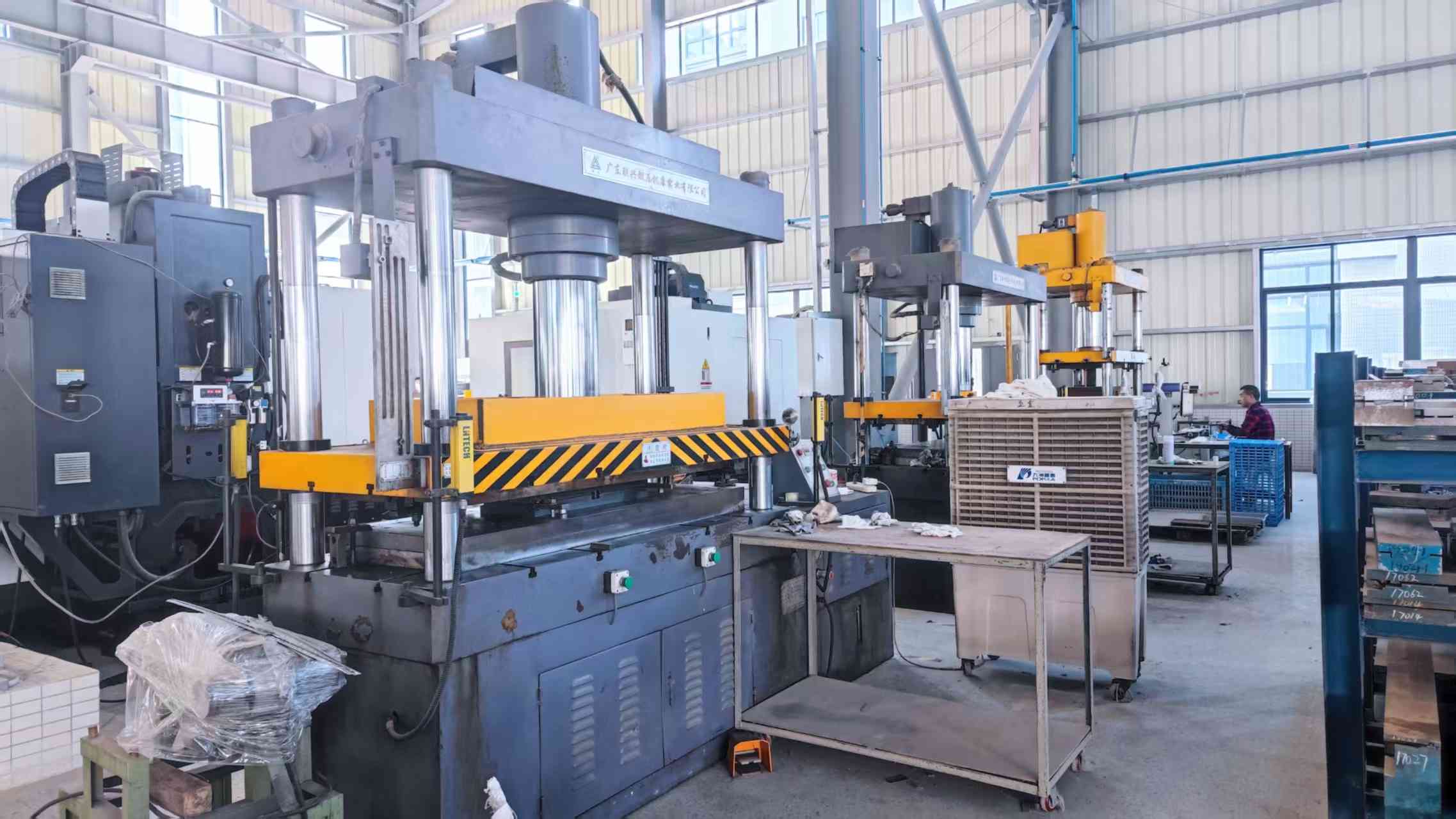
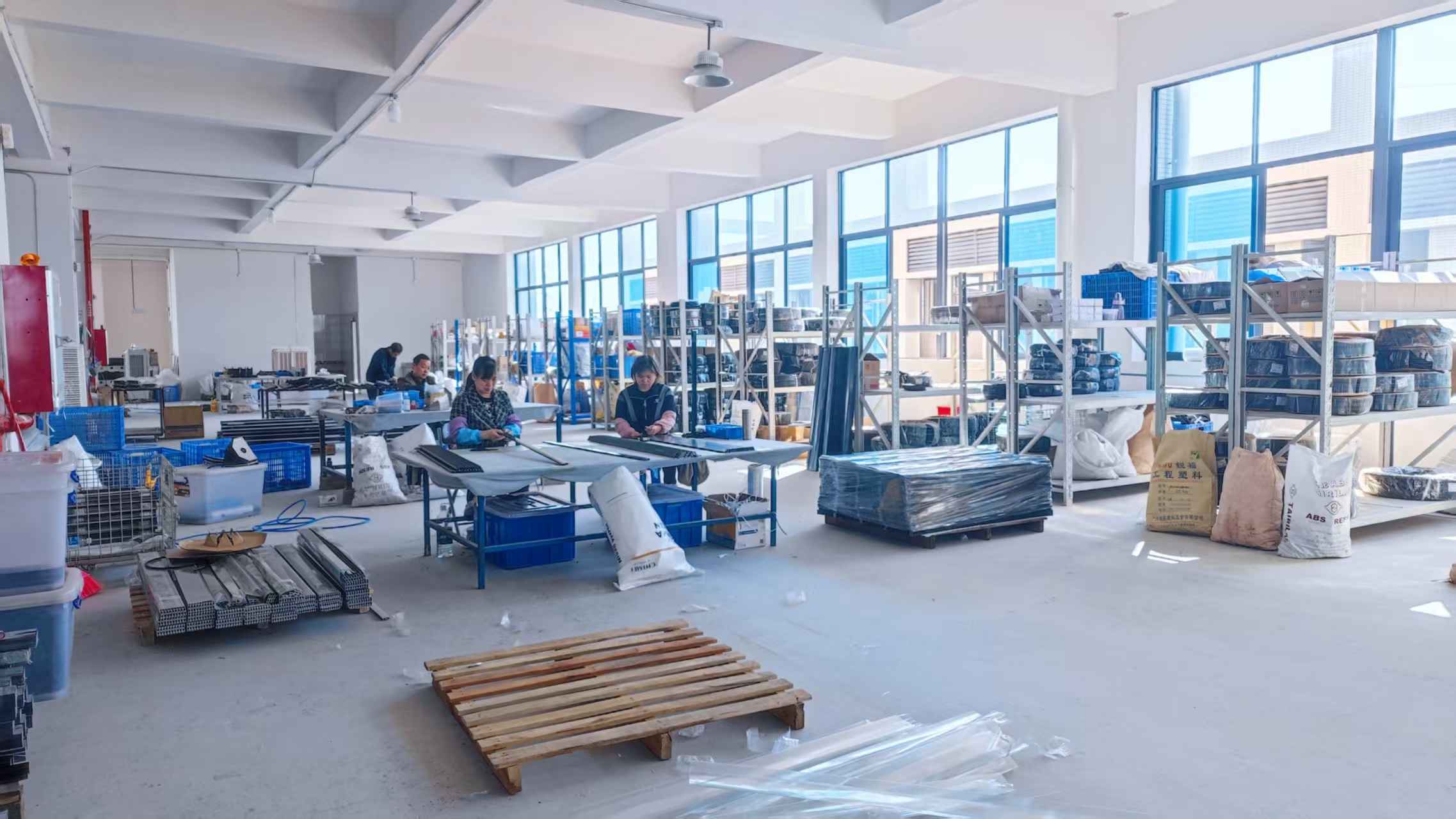
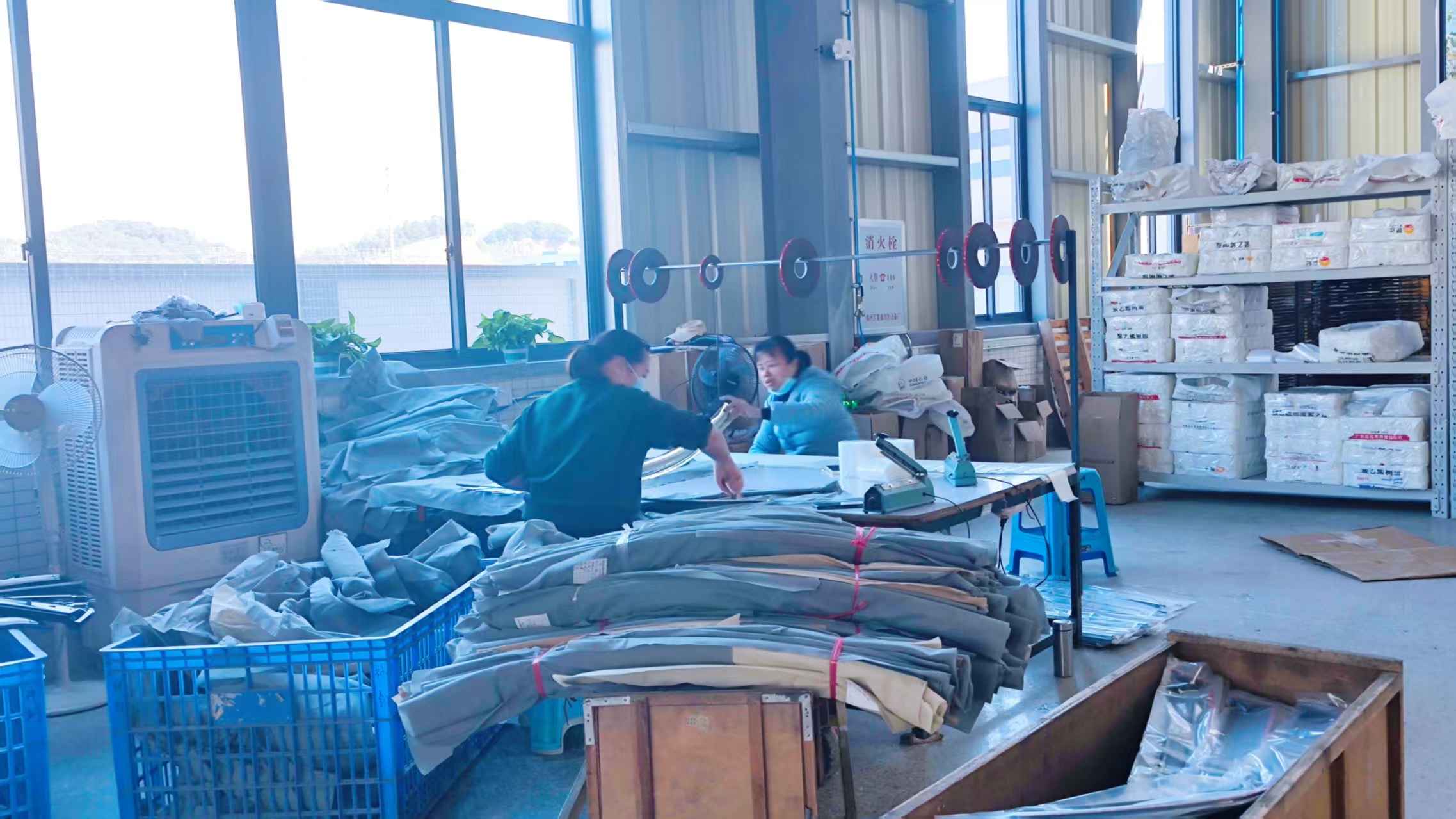
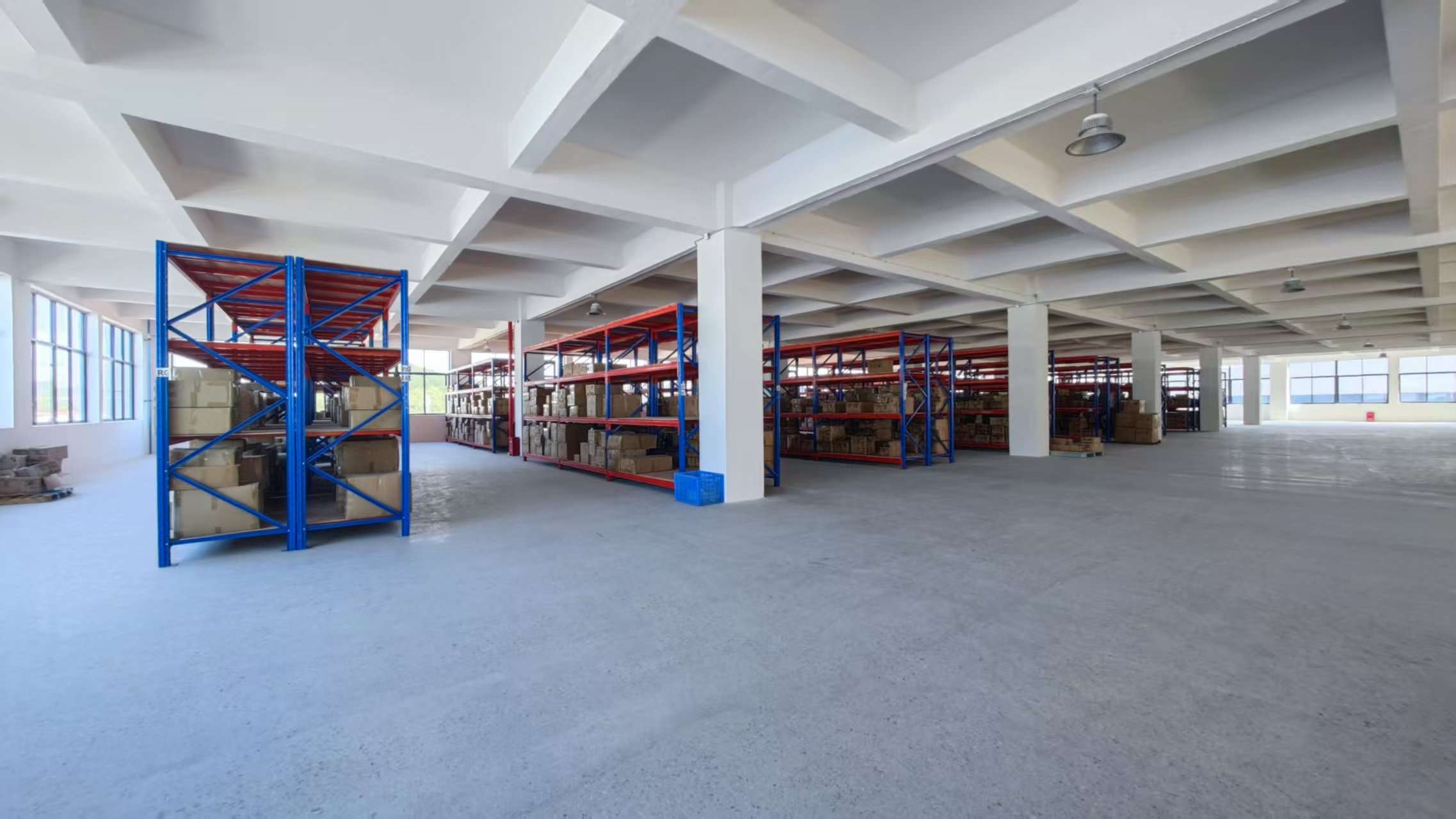
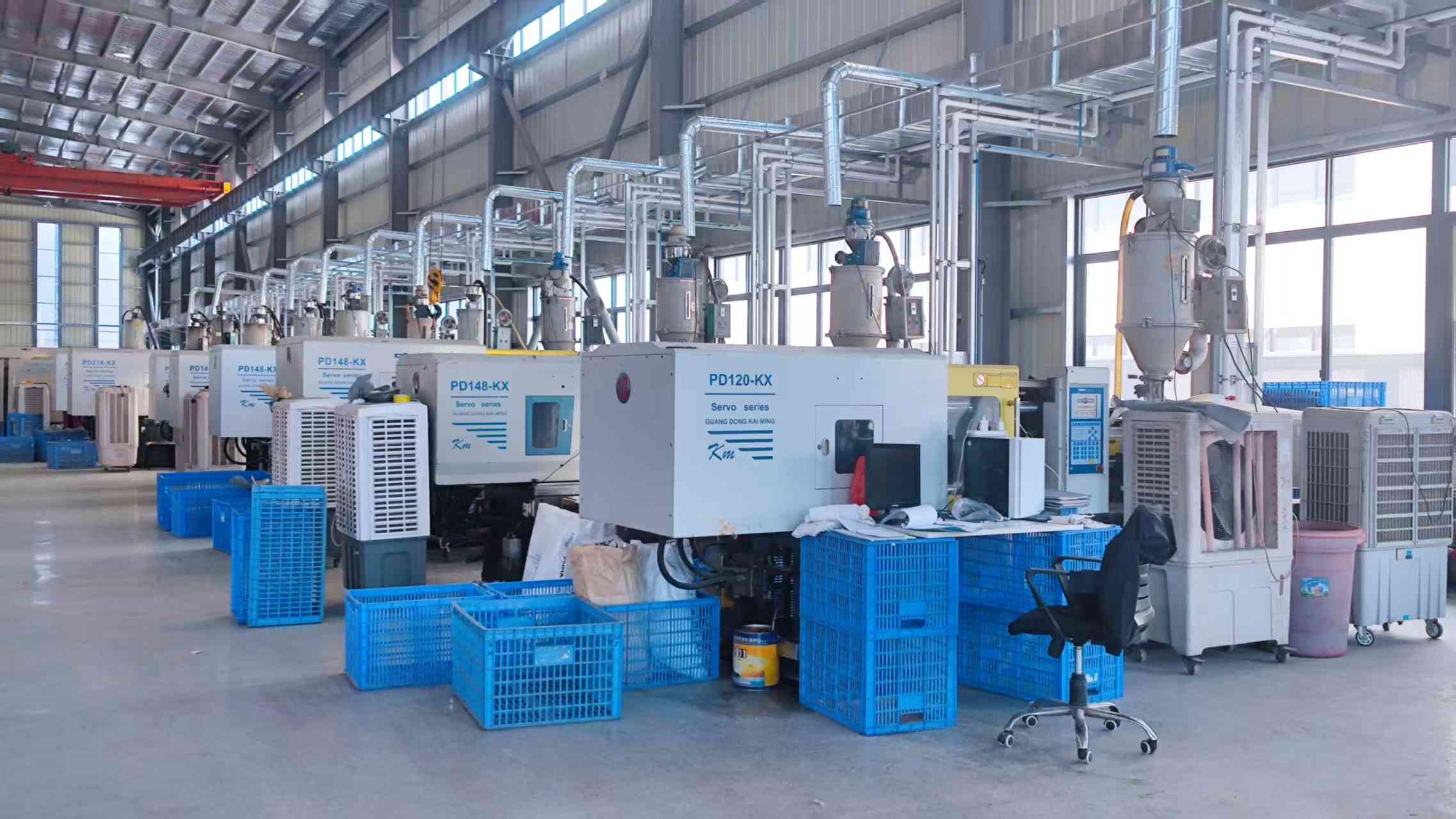
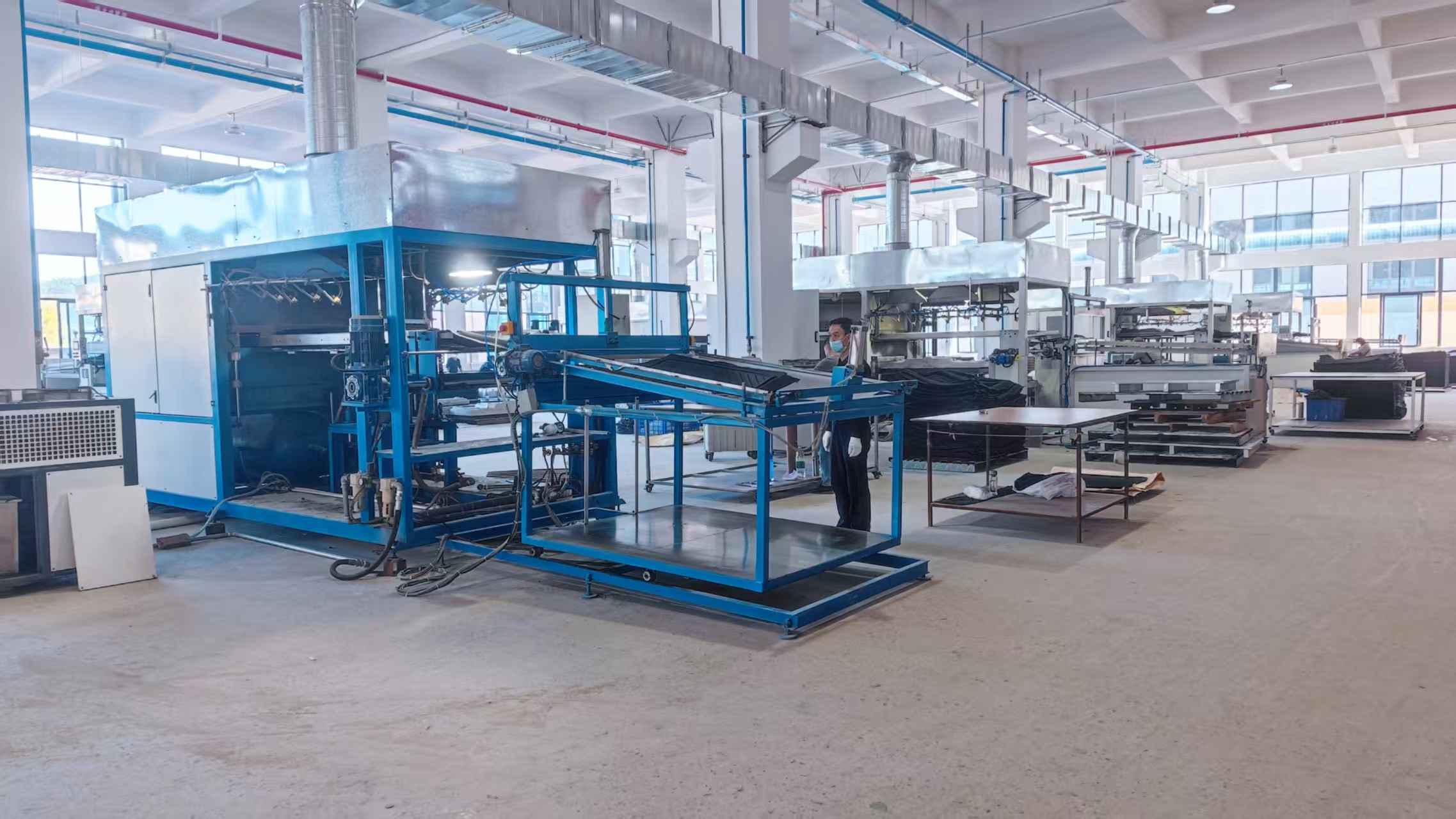
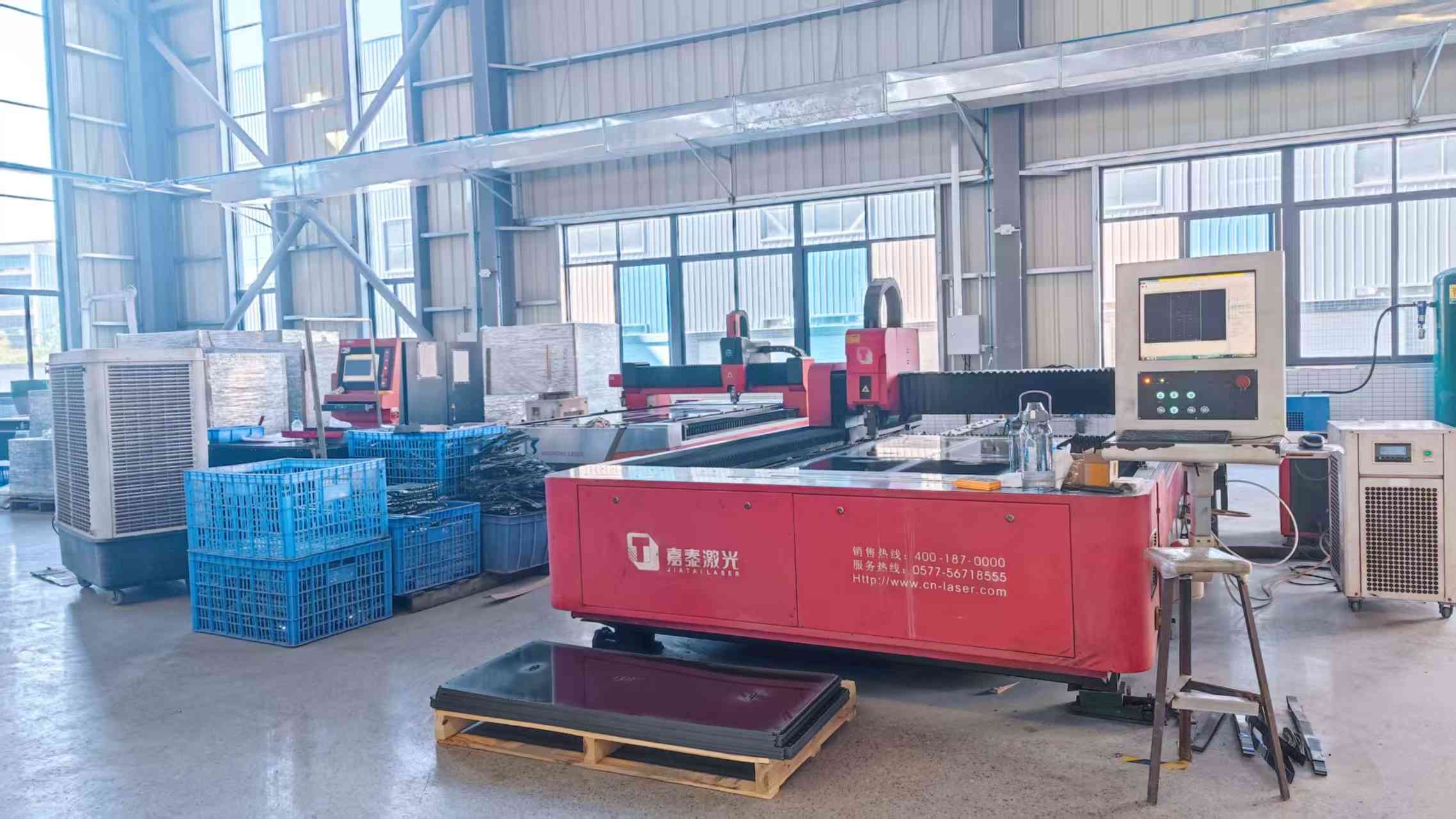
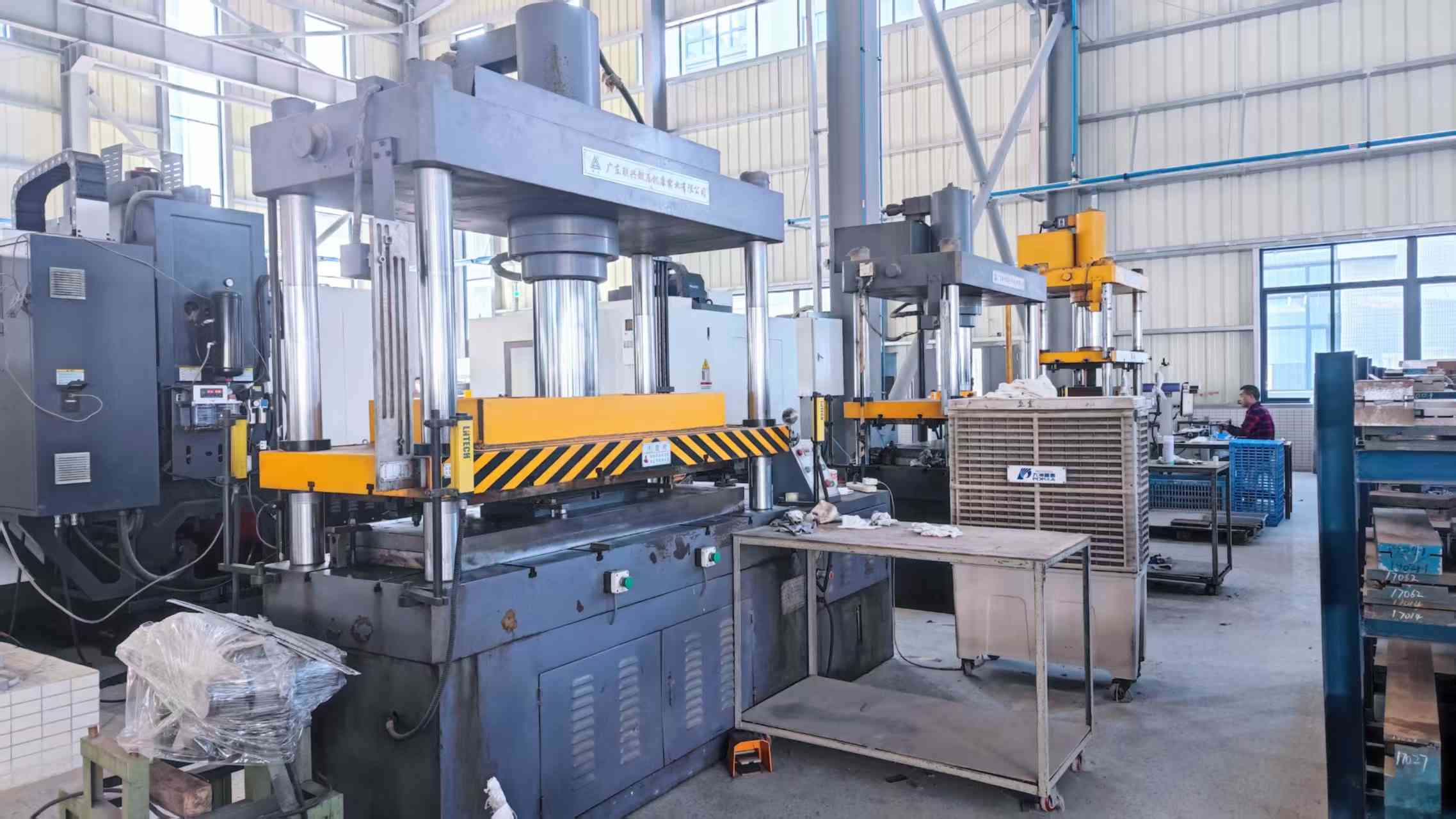
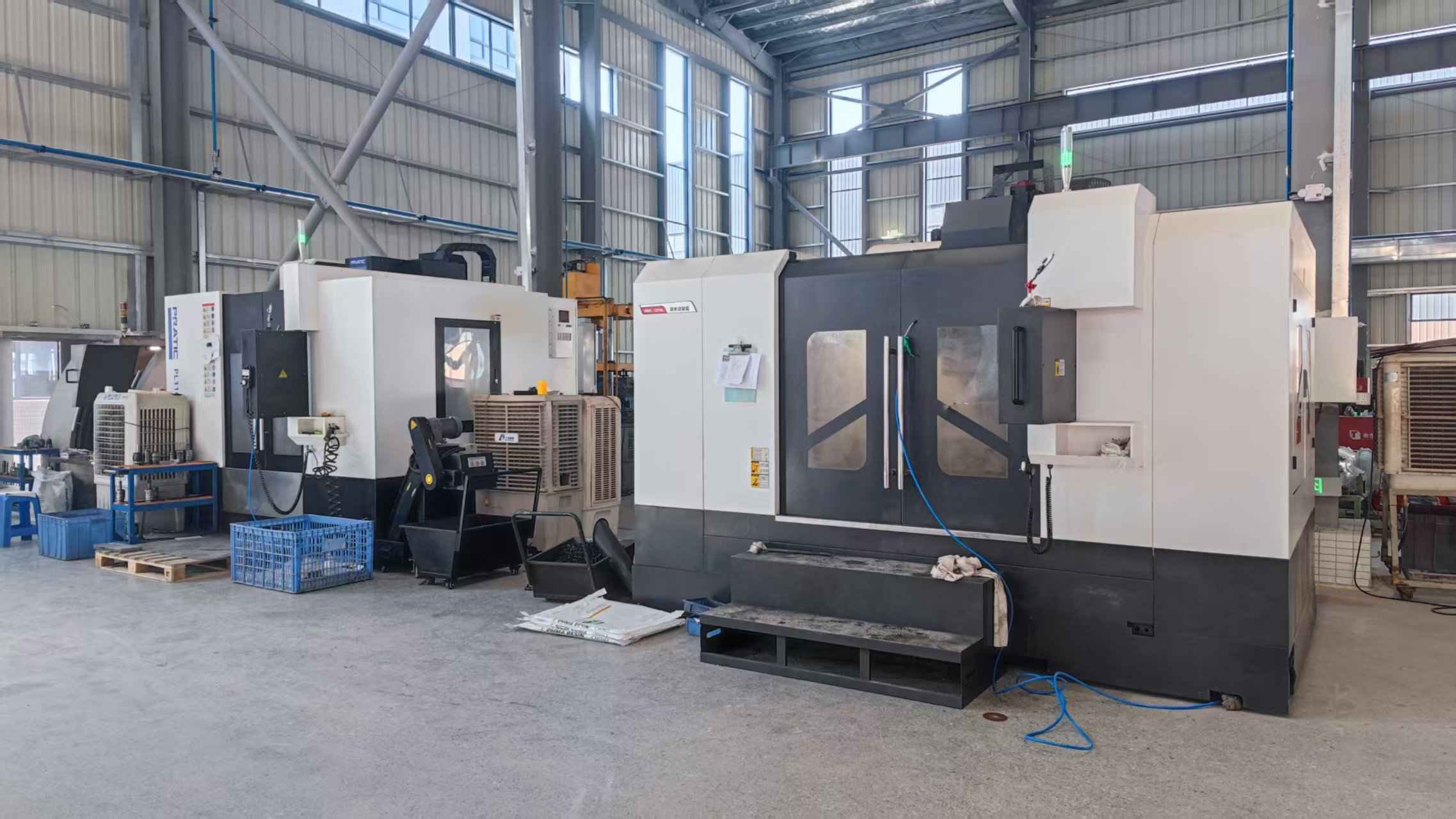
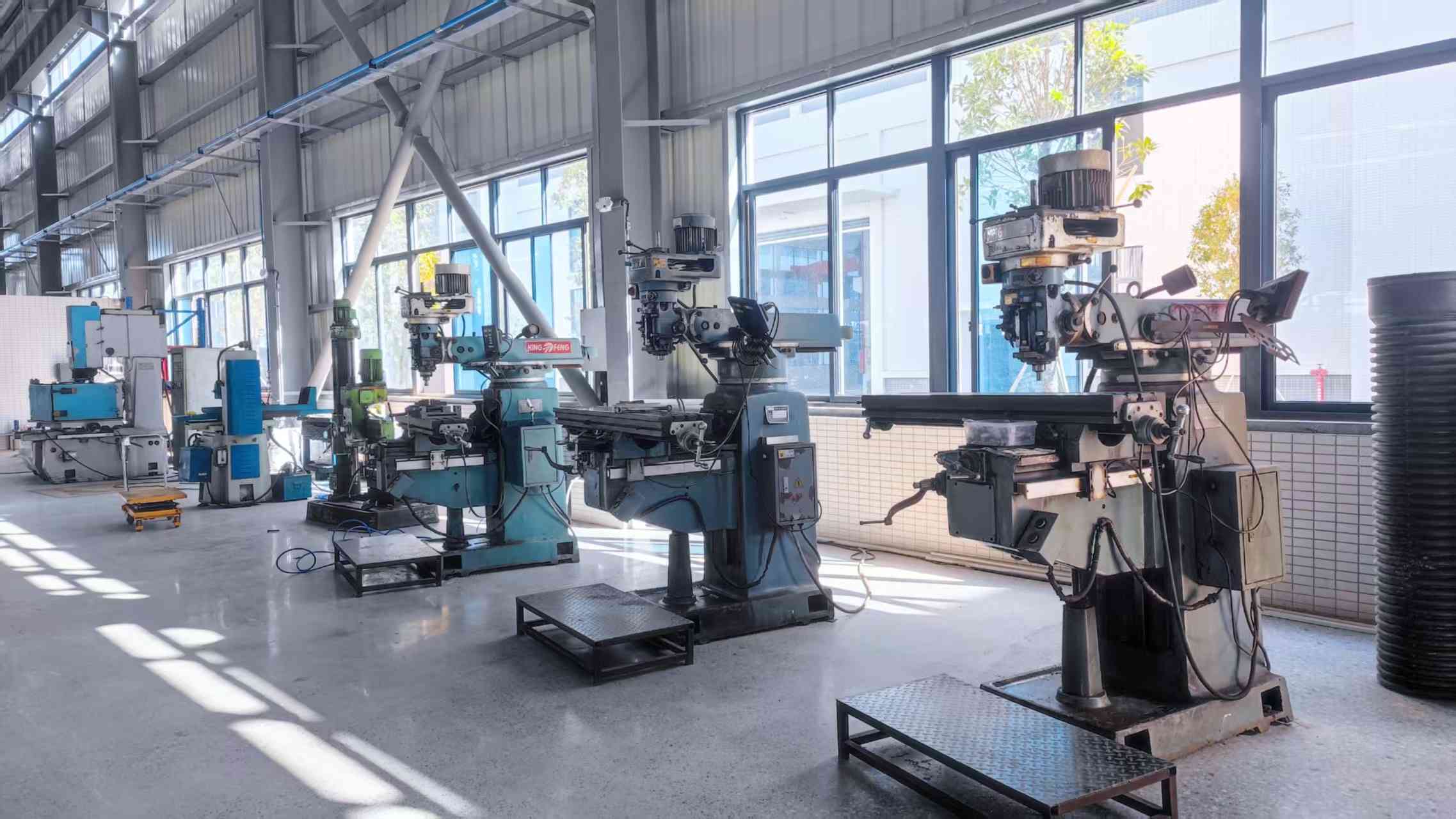
The global automotive supply chain is undergoing a critical transition. China, specifically the Pearl River Delta industrial cluster, has advanced from traditional manufacturing to a highly integrated, automated design and manufacturing hub for luxury vehicles. The strategic alignment of materials engineering, high-capacity machinery, and rapid prototyping technologies allows manufacturers like Guangzhou Molas Auto Co., Ltd. to output components that exhibit structural integrity and aerodynamic efficiency on par with European and Japanese OEM standards.
For prestige automotive brands such as Lexus, aftermarket modifications demand specialized material science. The synthesis of high-impact ABS plastics, advanced carbon fiber curing processes, and aerospace-grade aluminum alloys is highly dependent on specialized tooling. China's concentrated supply chains ensure that access to raw precursors, high-grade polymers, and high-performance LED matrices is instantaneous, reducing overall lead times and mitigating production volatility. By integrating milling, vacuum forming, injection molding, and CNC machining within a centralized regional grid, Guangzhou Molas Auto achieves substantial cost-efficiencies without sacrificing dimensional tolerances.
The production of replacement and upgrade components for luxury platforms such as the Lexus ES, RX, and LX series requires strict adherence to physical material properties. High-durability body components utilize high-temperature injection molding and vacuum forming, which are essential for maintaining the mechanical memory of thermoplastic elastomers. Under high-speed impact or extreme wind shear, components must absorb energy or redirect airflow according to fluid dynamics simulations.
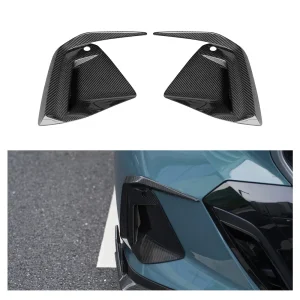
Our Dry Carbon Fiber line is a prime example of this methodology. Utilizing pre-impregnated (pre-preg) carbon fibers and autoclave curing at high temperatures and pressures, we remove trapped air pockets and achieve a high strength-to-weight ratio. The resulting fiber weave is free of distortion and exhibits high UV stability under direct sunlight, preventing the yellowing or delamination common in lower-grade wet carbon fiber variations. For lighting components, such as LED tail lamps and headlight assemblies, polycarbonate lenses are treated with hard-coat protective varnishes to resist stone chips, chemical exposure, and atmospheric degradation.
One of the most complex challenges facing international procurement teams is navigating diverse regulatory regimes across different regions. For example, lighting components imported into North America require DOT (Department of Transportation) compliance and must carry appropriate SAE markings. Conversely, parts entering the European market require E-Mark certifications to confirm compliance with UNECE regulations.
Guangzhou Molas Auto Co., Ltd. resolves these compliance challenges by aligning our product designs with these regional standards from the initial CAD phase. We incorporate localized safety designs, such as adjusting side-marker reflectors for specific regional laws or adapting internal light deflection patterns for right-hand drive (RHD) versus left-hand drive (LHD) configurations. By providing clear compliance certification documents and full technical specifications, we help our clients minimize customs delays and resolve regulatory issues during port processing.
For B2B importers, distributors, and fleet owners, supply chain resilience is a key metric. Sourcing components from a distant manufacturer carries inherent risks related to transit times, custom procedures, and potential communication gaps. Our structured logistics and customer support framework is designed to mitigate these commercial risks.
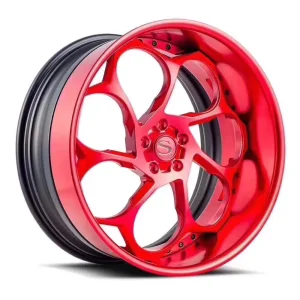
We work with international logistics providers to offer container consolidation, tracking, and customs clearance support. In terms of packaging, we use heavy-duty double-wall corrugated cartons with custom-molded high-density polyethylene (HDPE) foam inserts. This protects delicate parts, such as luxury leather steering wheels, ambient lighting electronics, and forged rims, from shock and moisture during maritime transport. In addition, our sales team operates across multiple time zones, providing technical support to resolve installation queries, check compatibility, and manage replacement logistics.
The luxury automotive aftermarket is moving toward complex cosmetic upgrades and digital retrofits. Vehicle owners increasingly want to modernize their vehicles without replacing the entire vehicle. For example, converting a 2008-2015 Lexus LX570 into a modern LX600 style is highly popular in regions like the Middle East, Central Asia, and Eastern Europe. This conversion process requires matching the vehicle's original structural points with updated design lines.
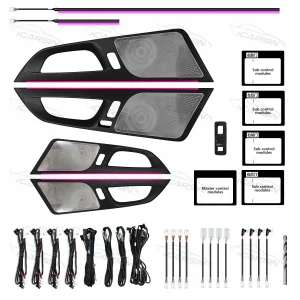
Simultaneously, digital enhancements like addressable multi-color ambient lighting systems (e.g., 64-color systems with active app integration) and Linux-based touch-screen infotainment systems are replacing analog components. As vehicles become more electronic-heavy, aftermarket parts must align with the vehicle's factory CAN-bus (Controller Area Network) communications. This prevents software conflicts, battery drain, or dashboard error codes. Our engineering team tests and validates every electronic component to ensure plug-and-play compatibility with the vehicle's electrical systems.
Automotive components must operate reliably across diverse climates and environmental conditions. A Lexus sedan operating in the cold winters of Northern Europe faces very different challenges than an SUV navigating sandy, high-temperature deserts in the Middle East. Sourcing from a manufacturer that designs for these extremes is crucial for vehicle longevity.
Find answers to technical questions about compatibility, shipping, materials, and customization when sourcing premium Lexus components from Guangzhou Molas Auto Co., Ltd.
 Molas Auto