The global transition to electrification is rewriting the rules of the automotive aftermarket. Historically, performance modification centered around the internal combustion engine (ICE)—exhaust notes, forced induction, and thermal management. Today, the core drivers of the Electric Vehicle (EV) era are aerodynamic efficiency, weight minimization, and smart hardware integration. Because battery capacity directly correlates to driving range, wind resistance has become the ultimate metric of performance.
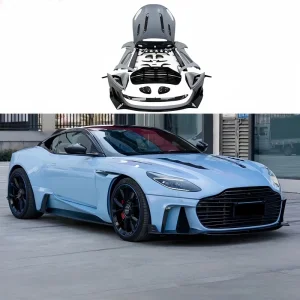
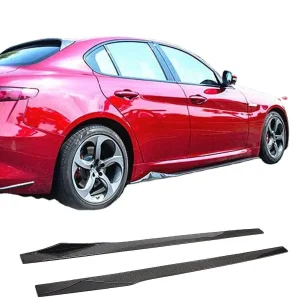
This paradigm shift has generated a massive global demand for high-precision components. Premium EV manufacturers and custom shops are utilizing lightweight composite materials, such as autoclaved dry carbon fiber, to mitigate battery weight penalties while enhancing structural rigidity. By optimizing drag coefficients ($C_d$) with custom-engineered splitters, rear spoilers, and side skirts, distributors can offer EV owners quantifiable range extensions and enhanced handling dynamics at high speeds.
"In the EV market, aerodynamics is not merely an aesthetic choice—it is a range-extending necessity. Every 10% reduction in drag improves high-speed driving range by approximately 5%, turning lightweight carbon fiber panels from premium upgrades into essential performance metrics."
Tier-1 global procurement teams, regional distributors, and large-scale importers demand more than standard parts cataloging. They operate in highly volatile markets requiring strict adherence to regulatory standards, reliable material composition certificates, and highly precise fitment clearances. In the premium B2B segment, buyers prioritize:
China’s automotive manufacturing landscape has evolved far beyond low-cost mass assembly. Today, it stands as the global epicentre of automated precision engineering and vertically integrated supply chains. Industry 4.0 paradigms are deeply integrated into Southern China’s production corridors, blending advanced robotics, automated laser cutting systems, and high-pressure hydraulic presses with digital quality management tracking.
By centralizing raw material sourcing, mold-making, precision processing, and direct global logistics in industrial clusters like Guangzhou, Chinese manufacturers reduce lead times by up to 45% compared to regional competitors. This geographic and technological advantage ensures that whether the order calls for high-temperature injection molding or autoclaved dry carbon composites, production lines can adjust dynamically to changing market demands without disrupting existing shipping pipelines.
Guangzhou Molas Auto Co., Ltd. is a premier manufacturer and global supplier specializing in premium automotive parts and accessories. With deep engineering expertise, we focus on providing high-quality replacement and aftermarket parts for leading European vehicle brands, including Mercedes-Benz, BMW, Land Rover, Audi, Porsche, and other luxury automotive brands.
Based in Guangzhou, China, Molas Auto integrates manufacturing, sourcing, quality control, and international trade services to deliver comprehensive automotive solutions to customers worldwide. Supported by our advanced production facilities, experienced engineering team, and efficient supply chain management system, we are able to meet diverse customer requirements with reliable products and customized solutions.
We are committed to supplying a wide range of automotive components, including engine parts, suspension parts, steering systems, cooling systems, electrical components, body parts, and other related accessories. Every product undergoes strict quality inspection procedures to ensure stable performance, durability, and compliance with international standards.
Over the years, Molas Auto has established long-term business relationships with customers across South America, Europe, the Middle East, Southeast Asia, Africa, and other international markets. Our reputation is built on product quality, competitive pricing, timely delivery, and professional customer service.
With a customer-oriented approach, we continuously invest in product development, technical innovation, and service improvement. Our experienced sales and technical support teams are always ready to provide professional assistance, helping customers identify the right products and achieve greater business success in their local markets.
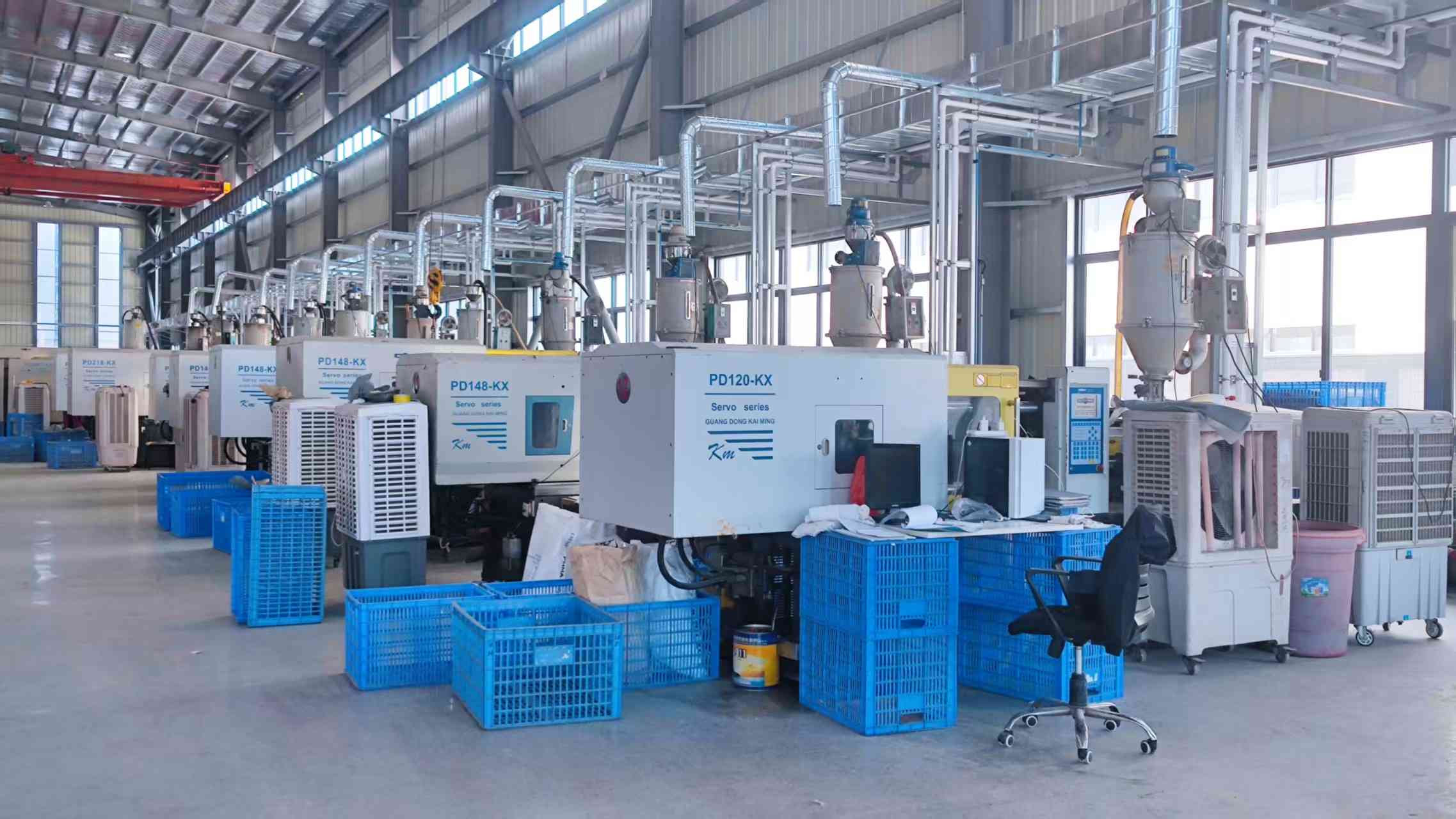
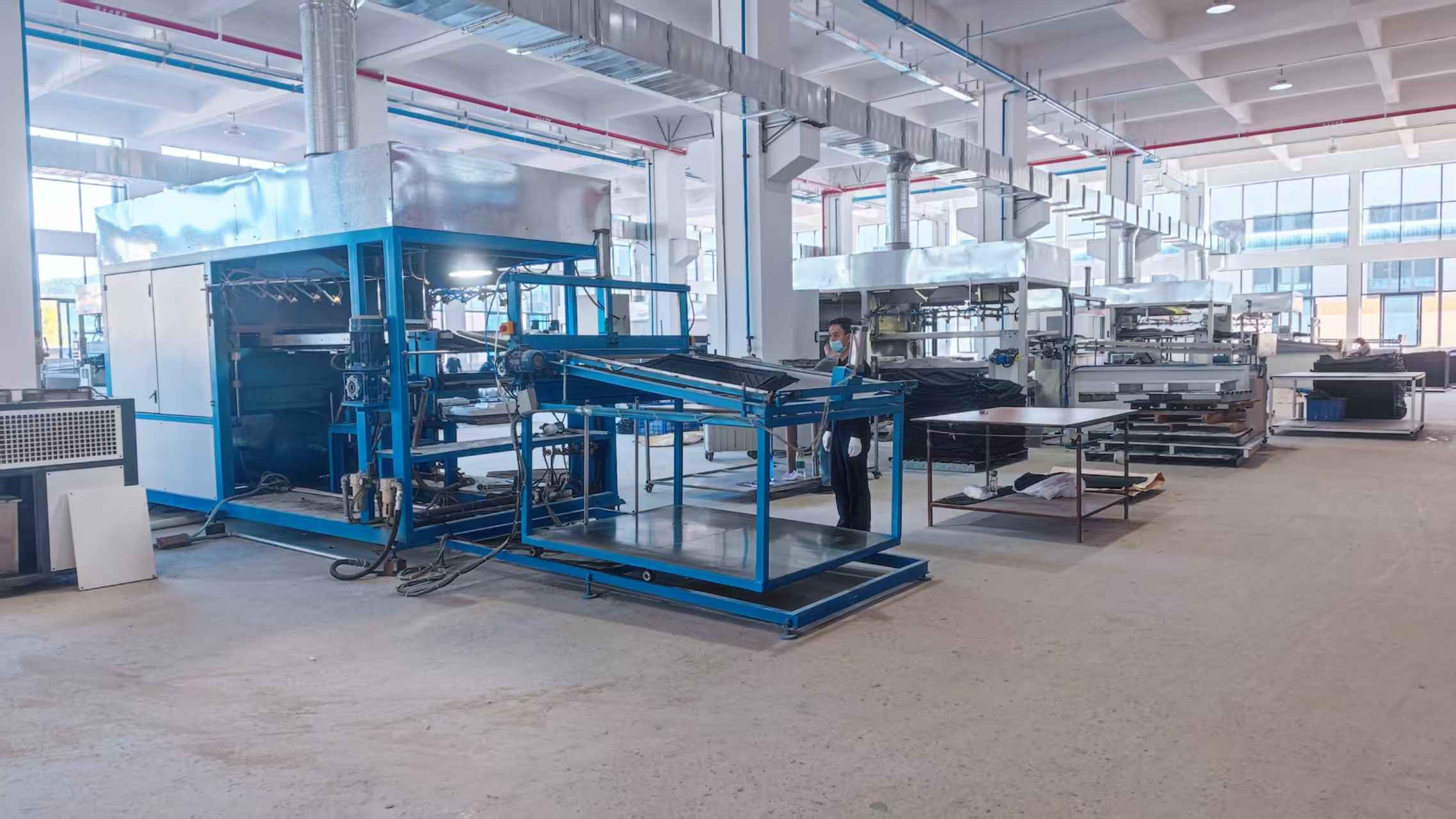
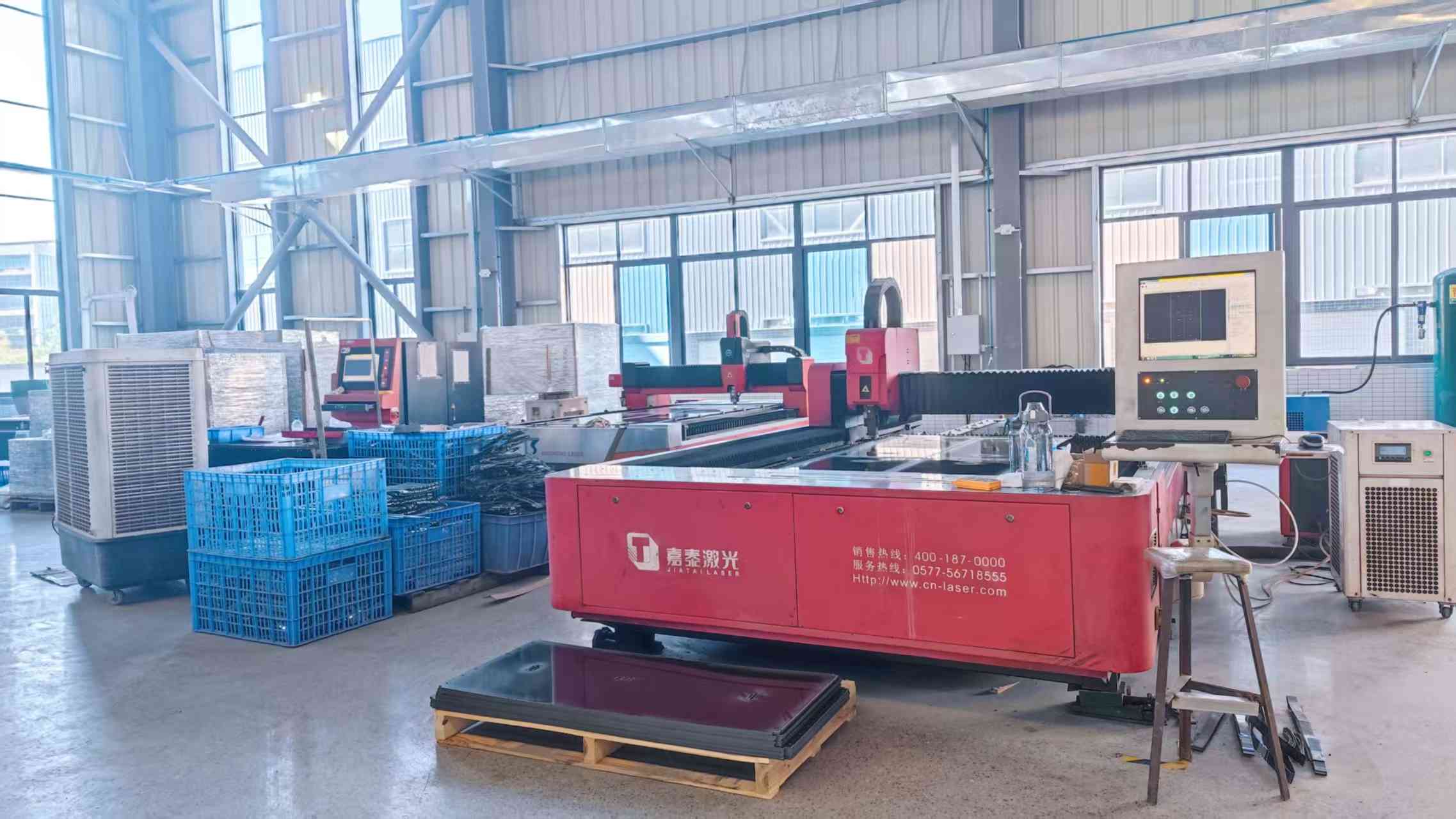
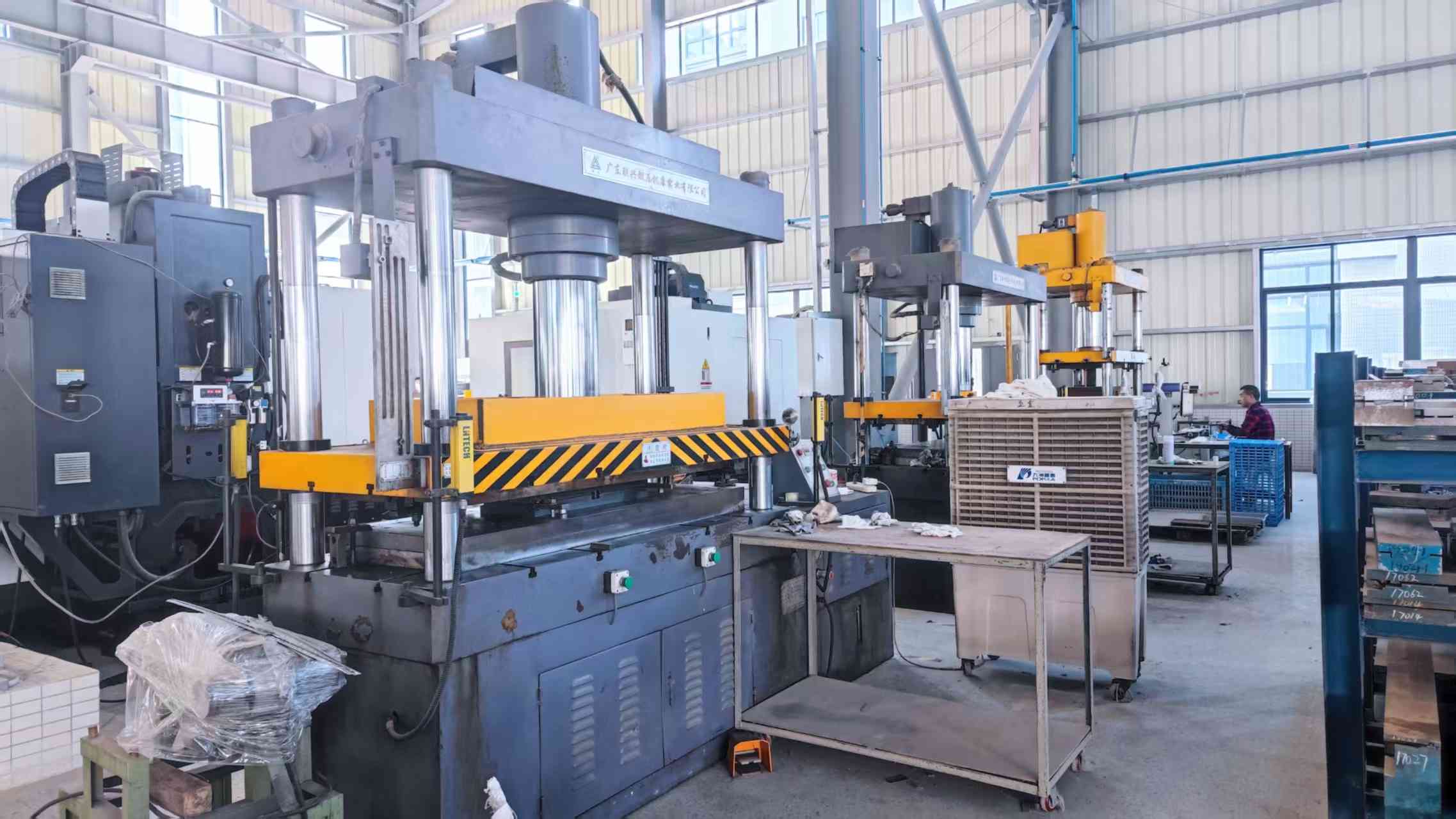
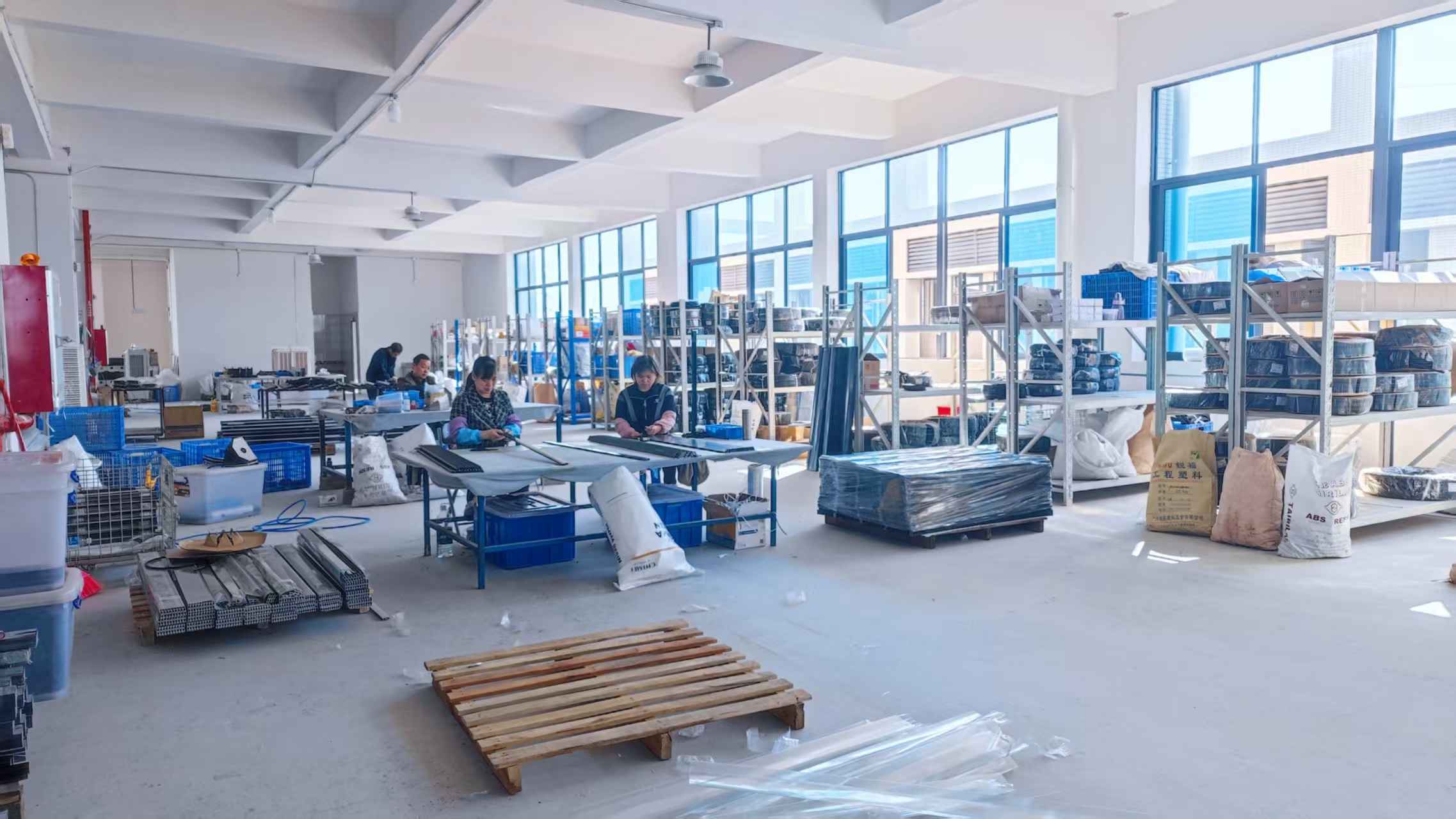
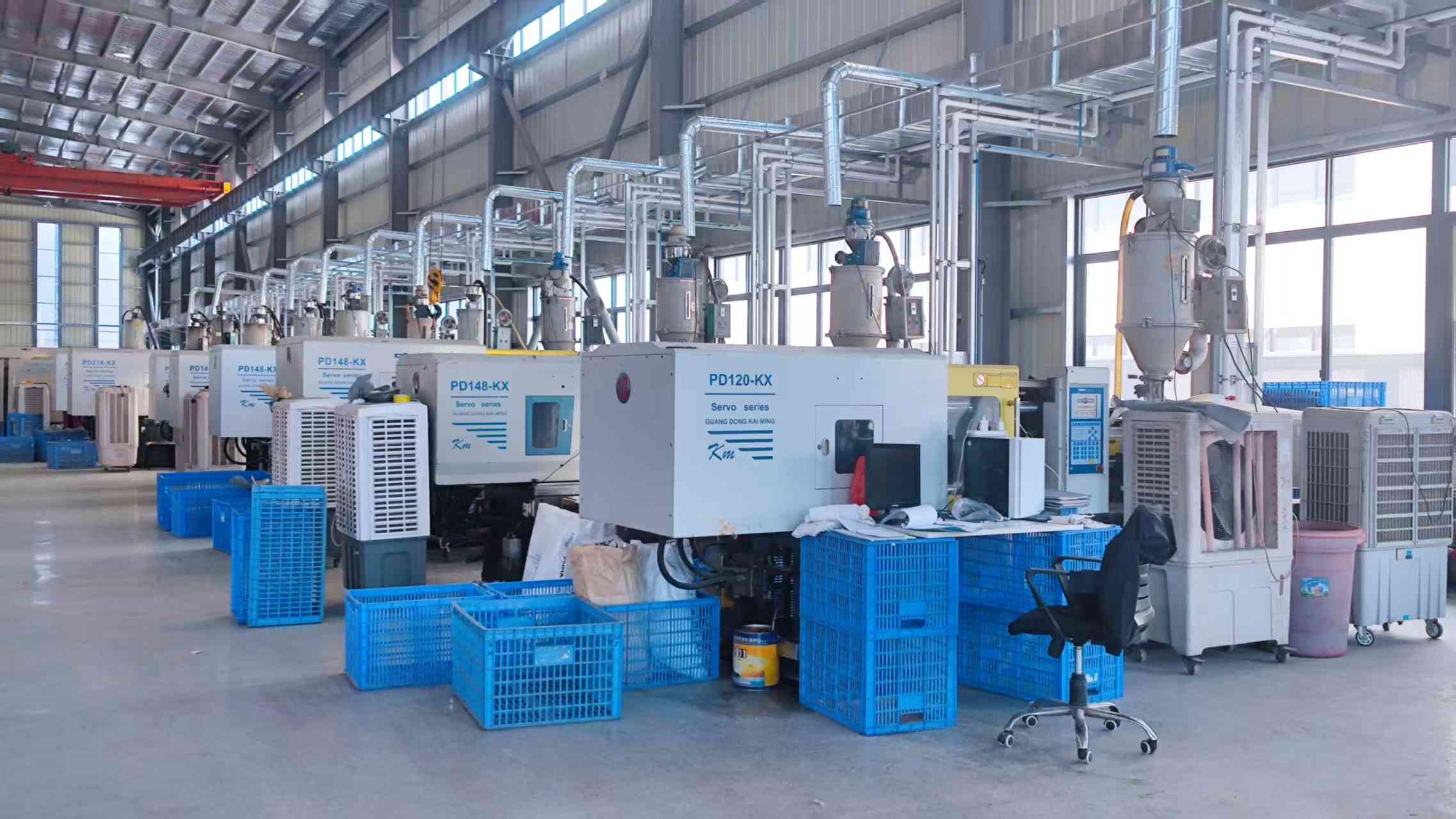
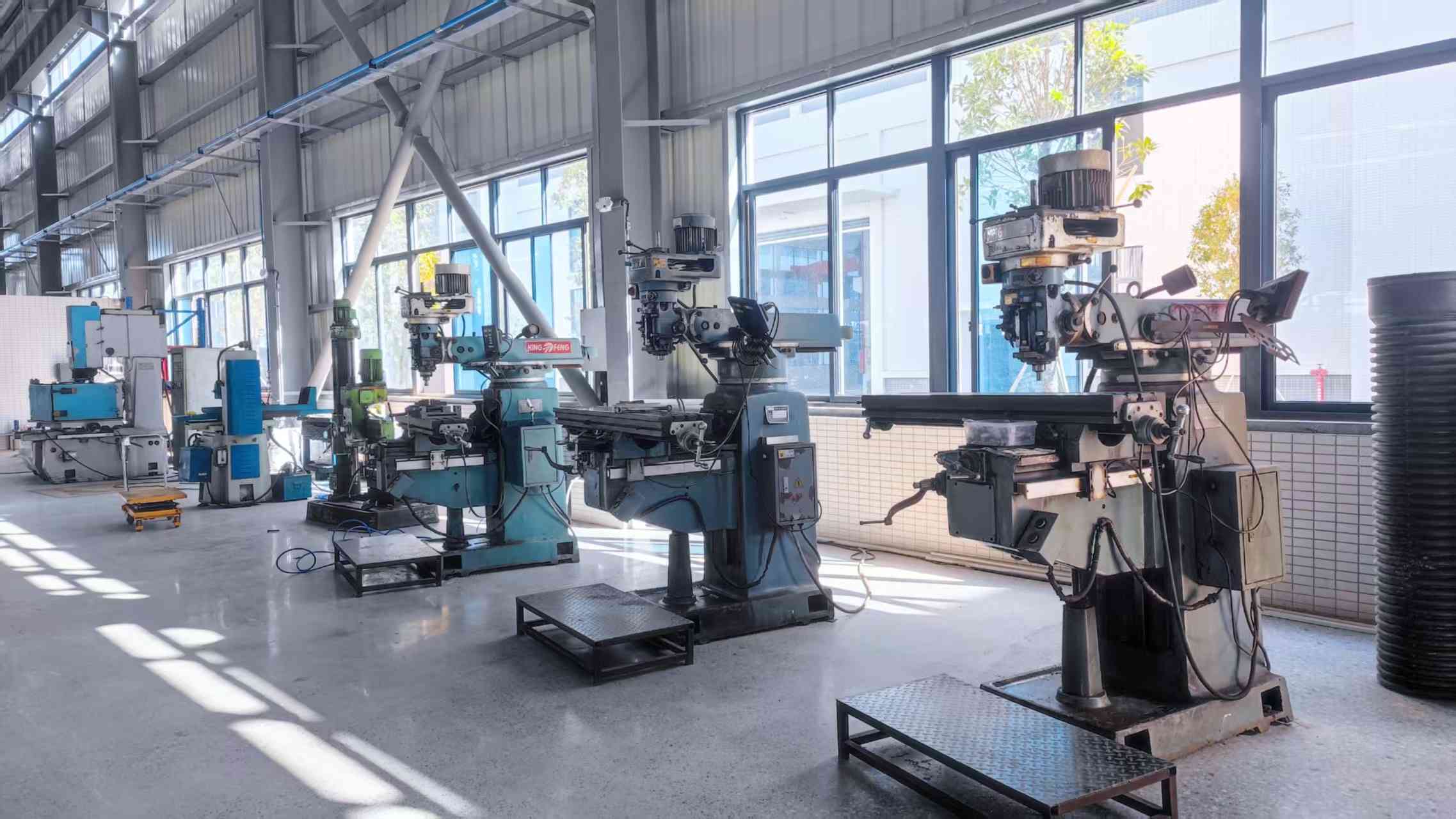
Our factory combines cutting-edge heavy machinery and automated production systems. We operate dedicated facilities for injection molding, CNC precision milling, vacuum forming, laser cutting, and hydro-mechanical pressing to ensure consistent material density and structural integrity.
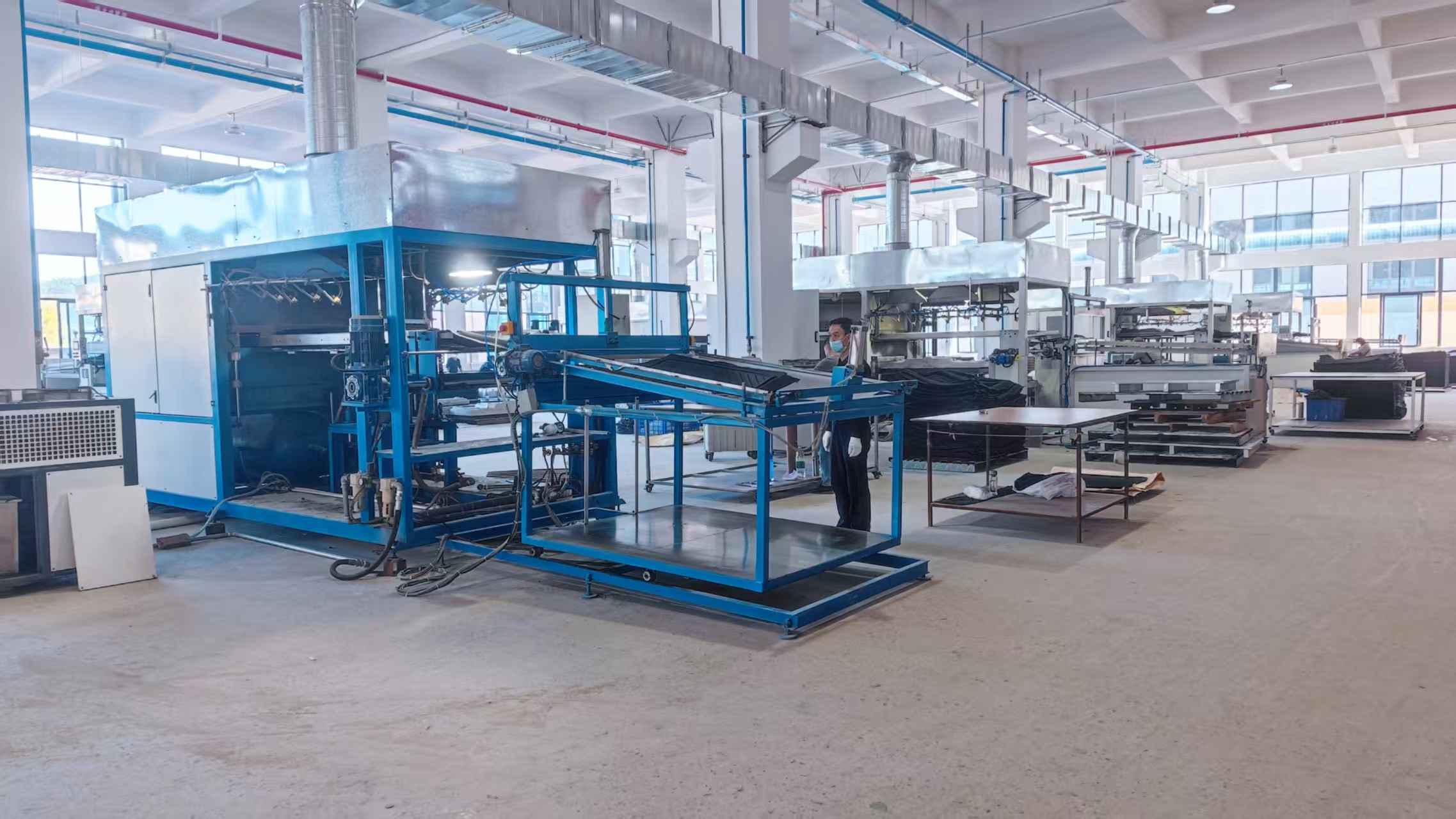
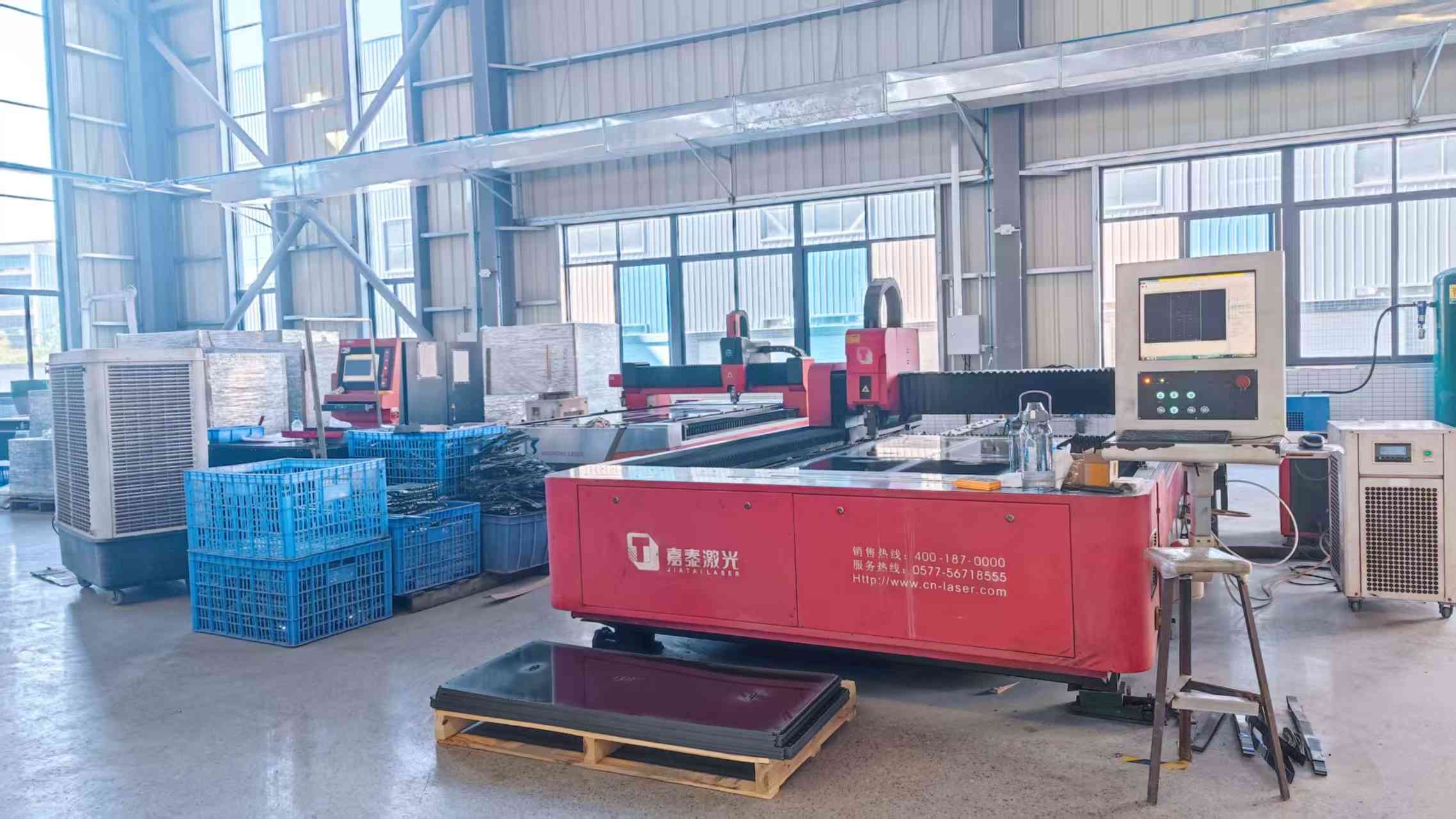
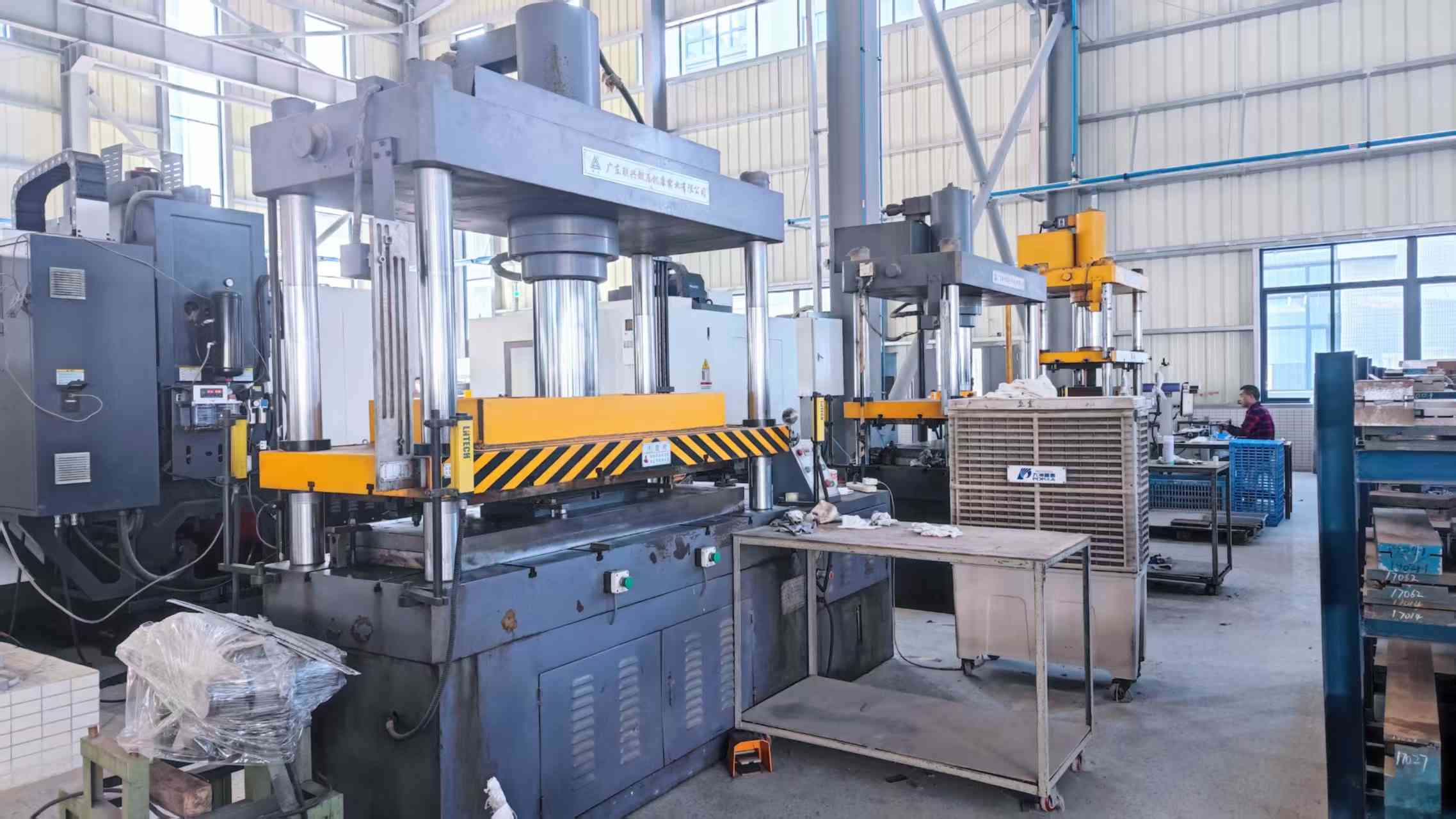
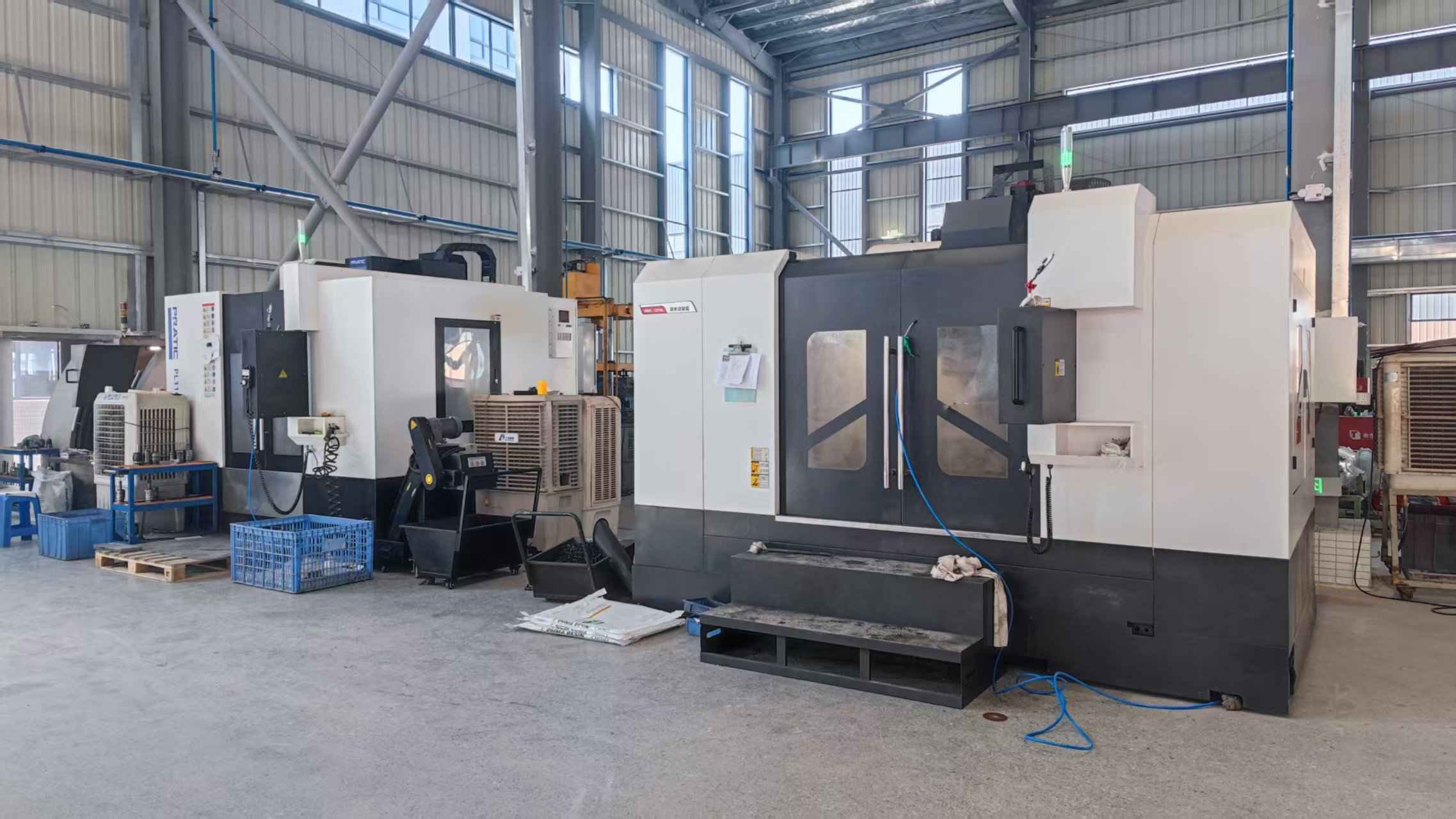
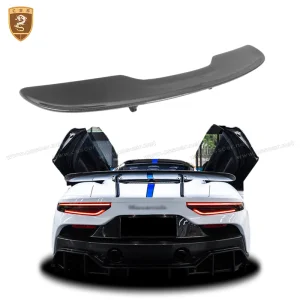
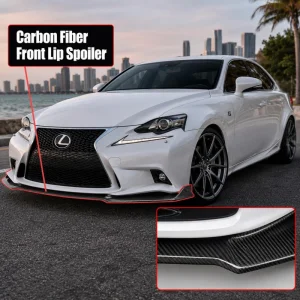
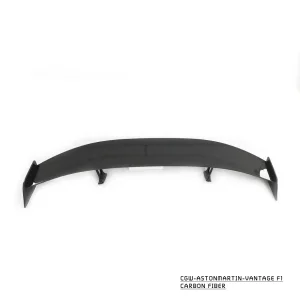
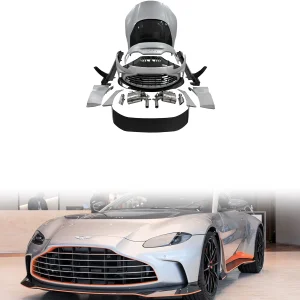
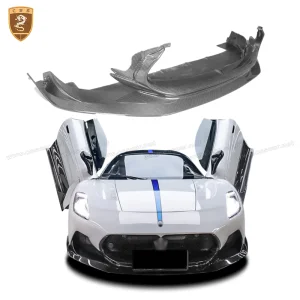
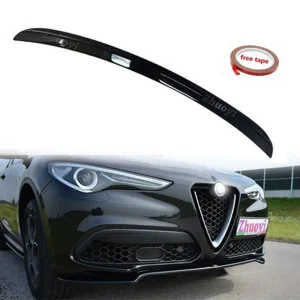
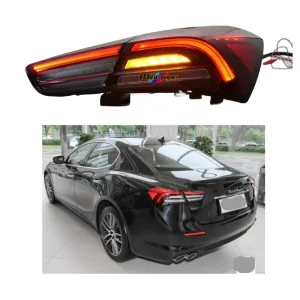
High-performance vehicles like the Maserati MC20, Aston Martin Vantage, and Lexus IS/GS series experience lift at high speeds, which compromises tire grip and high-speed stability. Installing customized dry carbon fiber spoilers and front lips creates significant downward force (downforce) without adding parasitic weight. For electric sports cars, this downforce ensures maximum stability through curves while optimizing cooling airflow pathways.
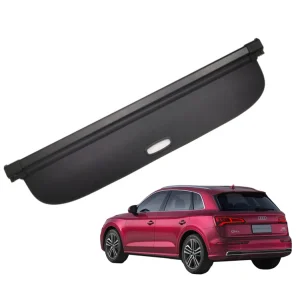
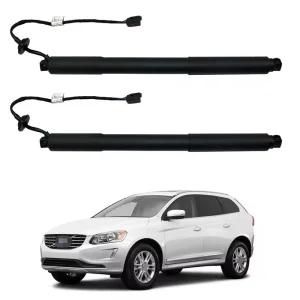
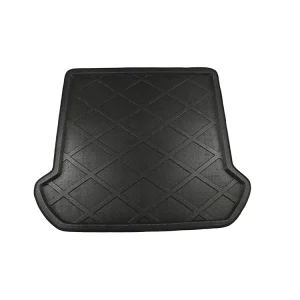
SUVs such as the Audi Q5 and Volvo XC60 require high interior versatility and robust cargo management systems. In cold climates (e.g., Northern Europe, North America), OEM parcel shelves and automatic tailgate lifts with foot sensors are subjected to extreme freezing cycles and heavy usage. Guangzhou Molas Auto Co., Ltd. uses premium temperature-stable polymers and hardened aluminum actuators to ensure consistent, smooth tailgate motion and cargo cover tension, regardless of seasonal variations.
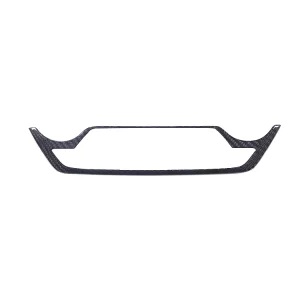
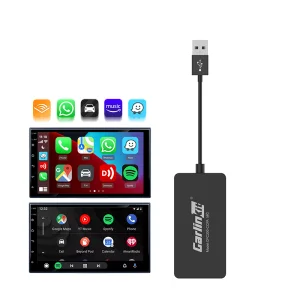
Modern premium interiors call for tactile, high-tech touchpoints. Carbon fiber center console trims (e.g., Chevrolet Corvette C7 Z06) and wireless multimedia integrations (e.g., Carlinkit CPC200-CCPA CarPlay Adapters) serve a growing consumer base that demands premium materials combined with seamless mobile-to-vehicle connectivity. These upgrades provide car rental companies, dealerships, and modification shops with high-margin upsell opportunities.
Dry carbon fiber is manufactured using pre-impregnated resin-injected carbon weave (prepreg). It is cured under high pressure and heat in an autoclave, forcing out excess resin and air bubbles. This results in a composite material that is up to 60% lighter and significantly stronger than wet carbon fiber. Wet carbon fiber uses a manual resin layup method, which leaves excess resin and makes the part heavier and more prone to heat-induced yellowing over time. Guangzhou Molas Auto Co., Ltd. uses dry autoclaved processes for its high-end exterior body parts.
We employ advanced reverse engineering. We begin by performing 3D laser scans of the original vehicle body panels to construct an ultra-precise digital CAD model. From this digital model, we mill production molds using high-precision CNC machining centers. Before releasing a product to mass production, we conduct real-vehicle fitment testing to verify that all mounting clips, bolt holes, and edge alignments align perfectly with the original body lines.
Electric vehicles emit high levels of electromagnetic interference from their high-voltage drivetrains and inverter systems. Our Volvo XC60 and other premium tailgate lift kits feature shielded wiring harnesses, heavy duty control modules, and EMI-isolated sensors. This advanced shielding prevents stray electric currents or battery fields from causing unintended openings or tailgate control errors.
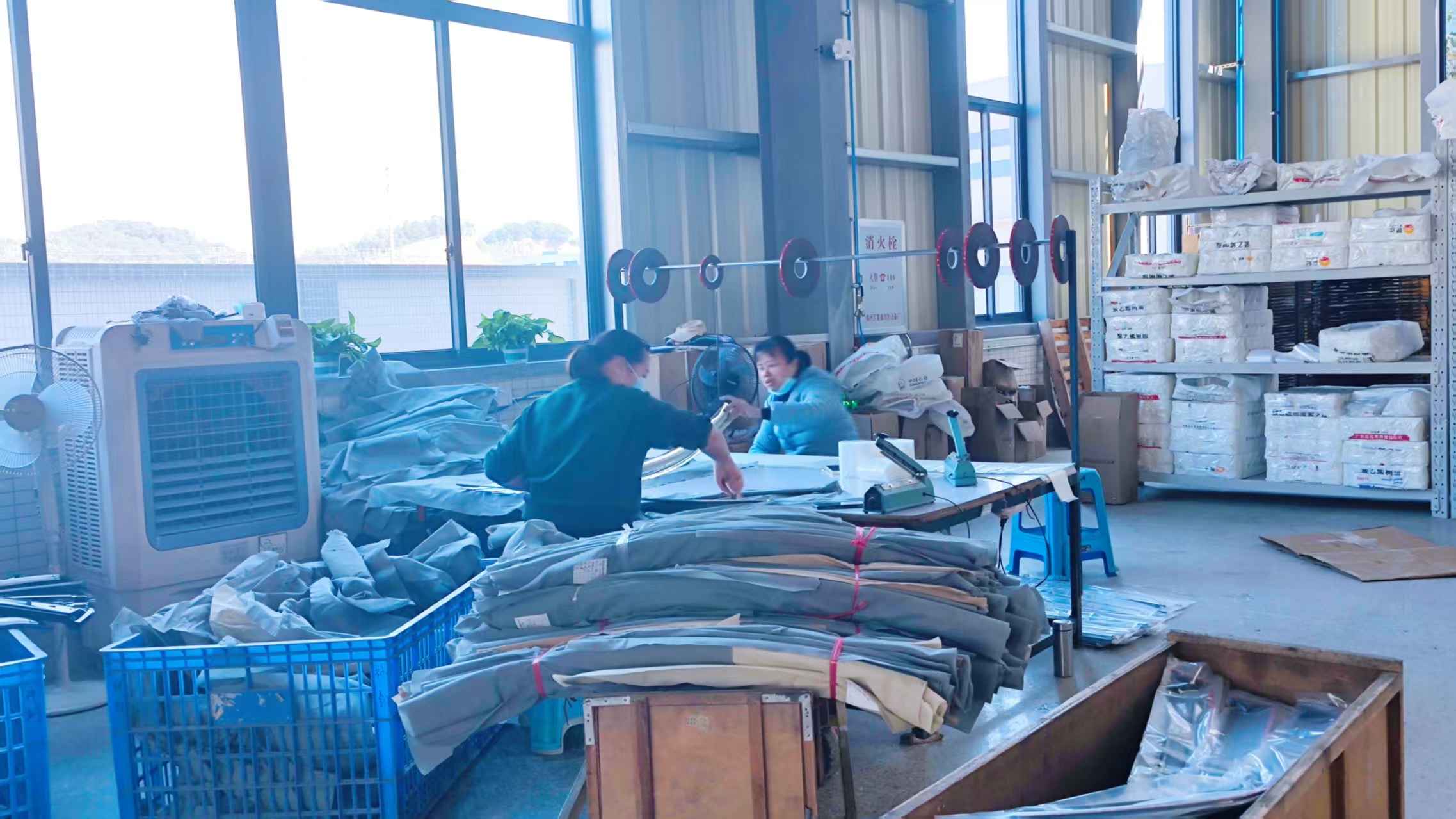
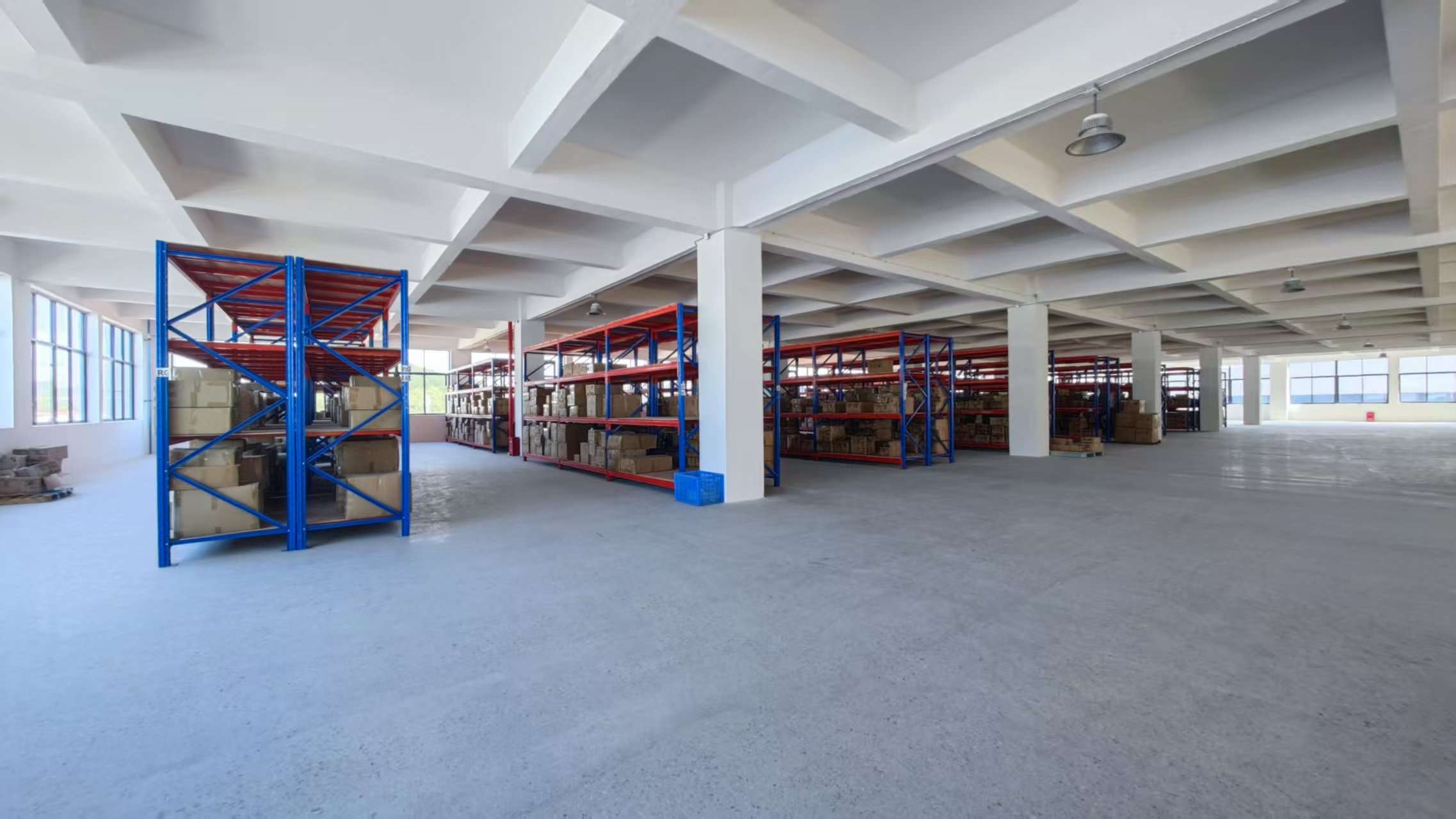
Every shipment undergoes a rigid multi-tier QC system. First, parts are visually and instrumentally checked for surface defects and structural rigidity. Next, they are wrapped in protective foam sheets, secured in customized anti-impact frames, and packed into heavy-duty multi-layer corrugated cardboard boxes. We coordinate with elite sea, air, and land logistics partners to track and protect valuable B2B cargo throughout the global transit process.
 Molas Auto