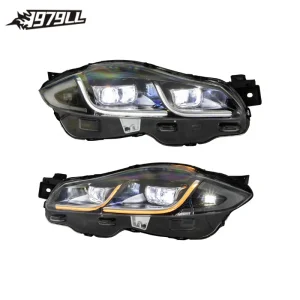
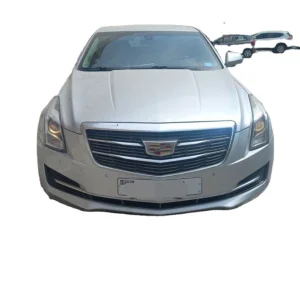
Explore our industrial-grade automotive repair accessories, carbon fiber body components, and specialized diagnostic vehicle systems engineered for maximum service life.
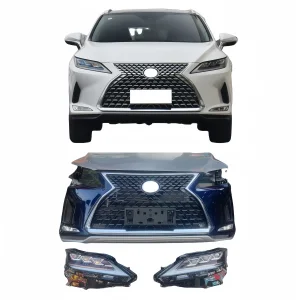
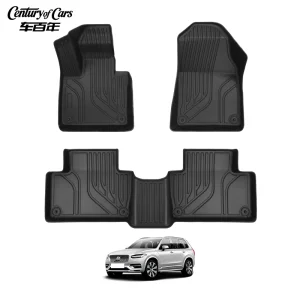

The automotive repair and specialized tooling industry is undergoing a critical transition. Driven by structural changes in vehicle platforms, lightweight composites, and the electrification of modern drivetrains, workshops and Tier-1 service providers require highly specialized, certified tools to process, realign, and calibrate advanced components. Once dominated by standard manual instrumentation, the modern automotive repair facility now functions as a high-precision diagnostics and assembly center. As carbon fiber-reinforced plastics (CFRP), high-tensile alloy systems, and intricate electronic architectures become standardized on premium European vehicles, service tooling must match the OEM manufacturing tolerances to ensure post-repair safety and aerodynamic compliance.
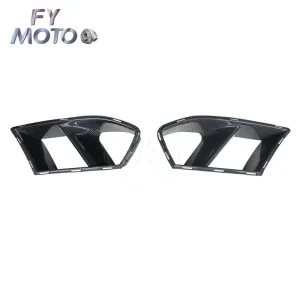
The implementation of high-performance materials like dry carbon fiber and lightweight thermoplastic polymers in brands such as BMW, Aston Martin, and Land Rover has redefined the landscape of automotive aftermarket repair. Standard structural tools are insufficient when dealing with the high tensile strength and anisotropic properties of composites. Tooling manufacturers must produce specialized molds, vacuum forming presses, and hydraulic jigs capable of bonding, cutting, and aligning carbon fiber structural kits. Ensuring a seamless fitment on premium platforms requires rigid engineering, where the physical alignment of bumper interfaces, headlight brackets, and aerodynamic splitters is optimized to maintain the structural integrity and stability of the platform at high velocities.
"To survive in the next decade of automotive servicing, tool manufacturers must pivot from traditional steel machining to advanced polymer processing, carbon-fiber fabrication, and digital calibration. Precision is no longer a luxury; it is the fundamental baseline."
Industrial bases in China, specifically within high-tech corridors like Guangzhou, have evolved from pure assembly lines to integrated design, prototyping, and smart-manufacturing ecosystems. Through vertical integration, raw materials, CNC machining, thermoforming, and precision logistics are co-located. This concentration allows factories to rapidly engineer bespoke repair solutions, adjust mold geometries, and scale high-demand replacement components. By utilizing modern processing methodologies, specialized tooling factories dramatically reduce lead times, offering global distributors a reliable supply chain buffer during periods of unpredictable market demand.
A transparent overview of the engineering workflows, industrial machinery, and physical processing stages deployed at our manufacturing facilities to ensure premium component output.
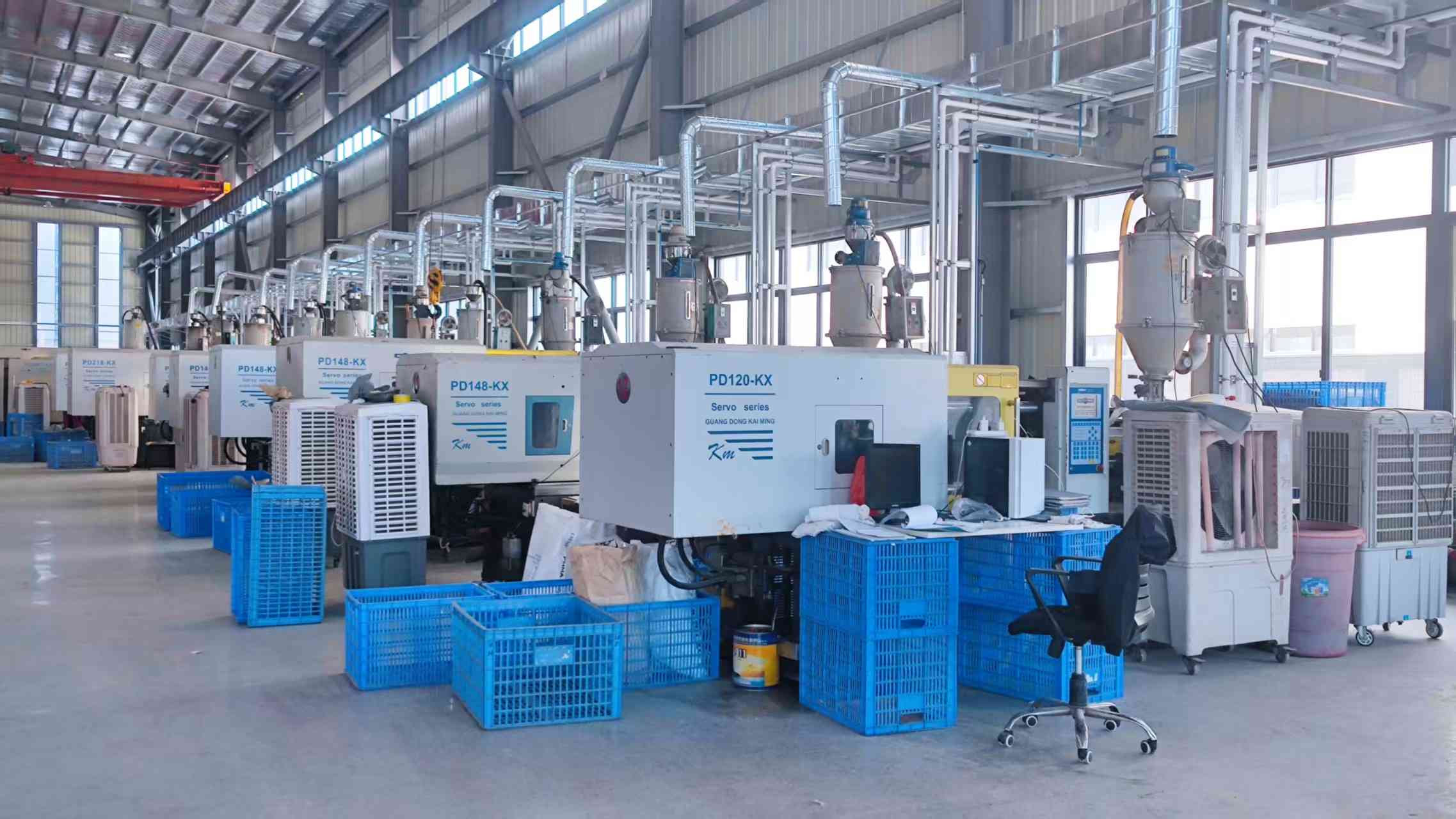
Injection Molding
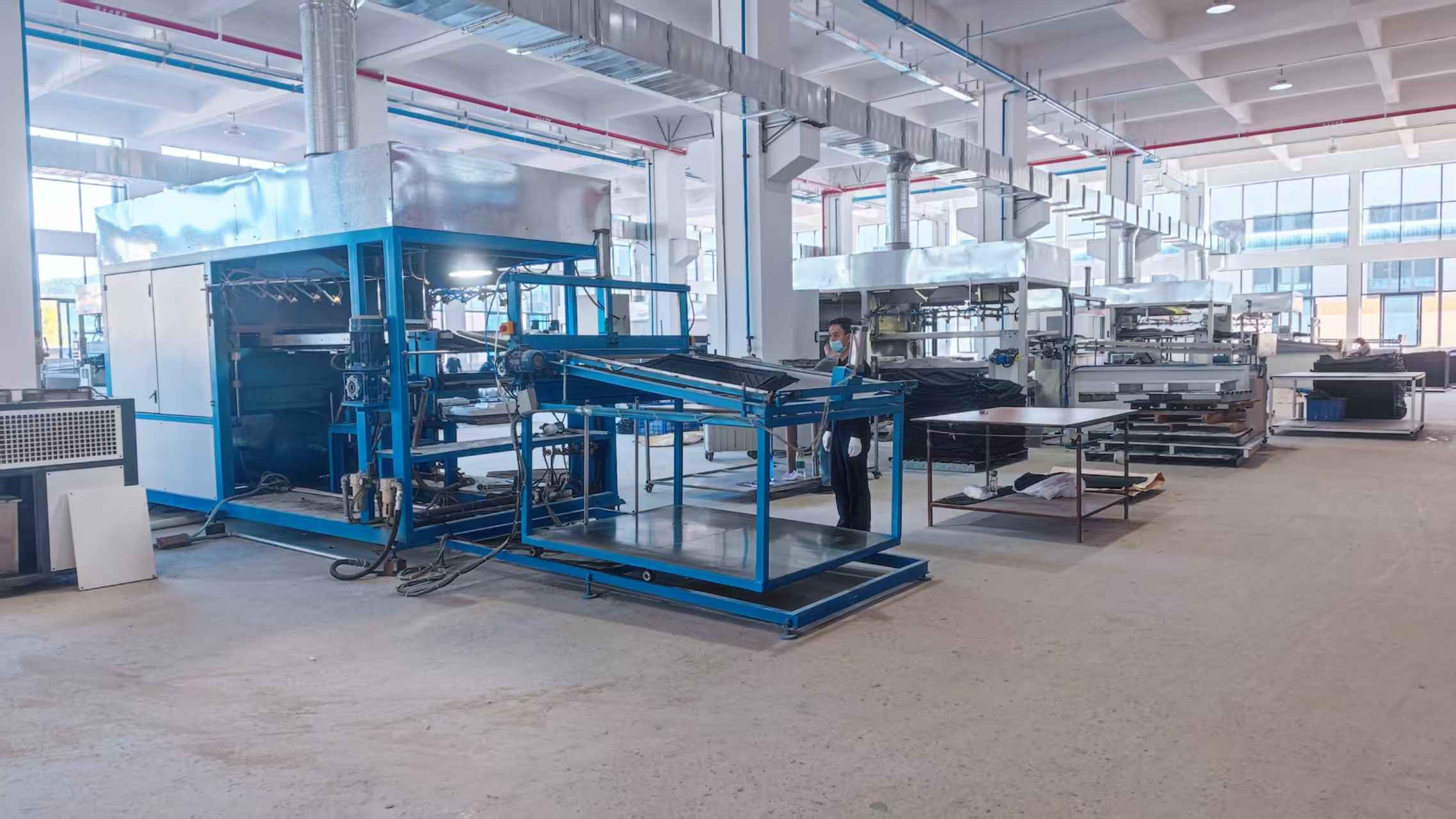
Plastic Vacuum Forming
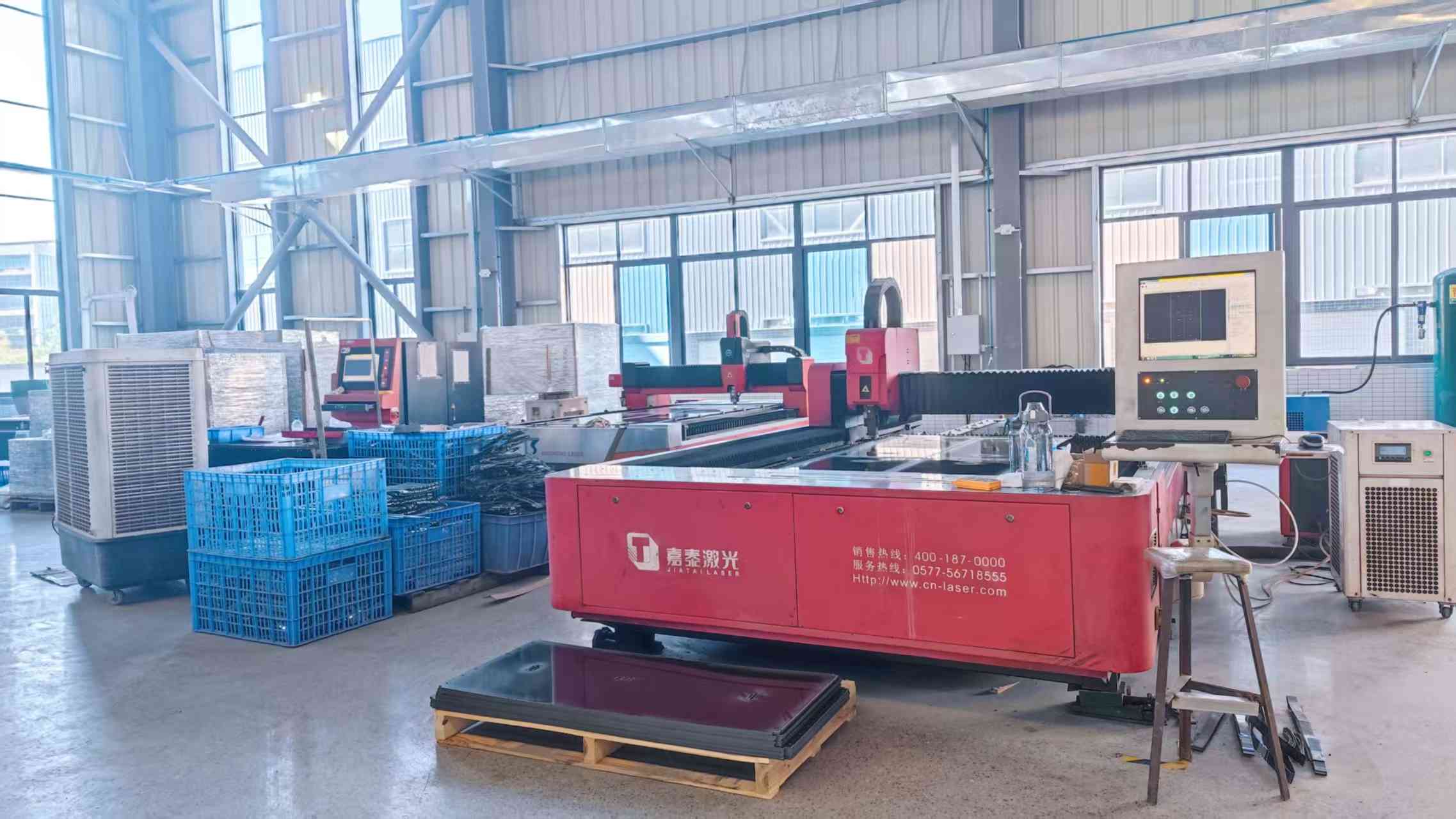
Laser Cutting
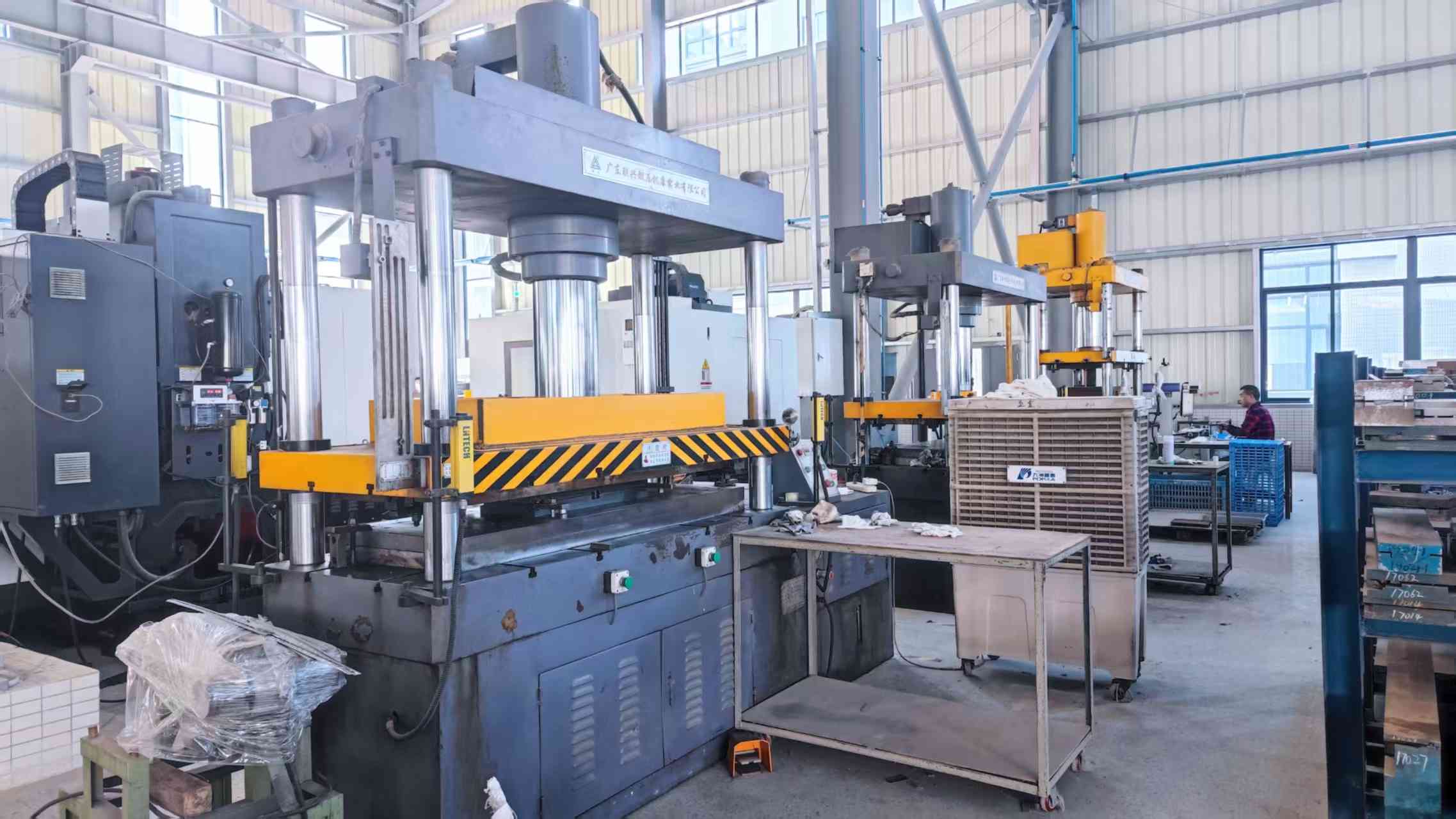
Hydraulic
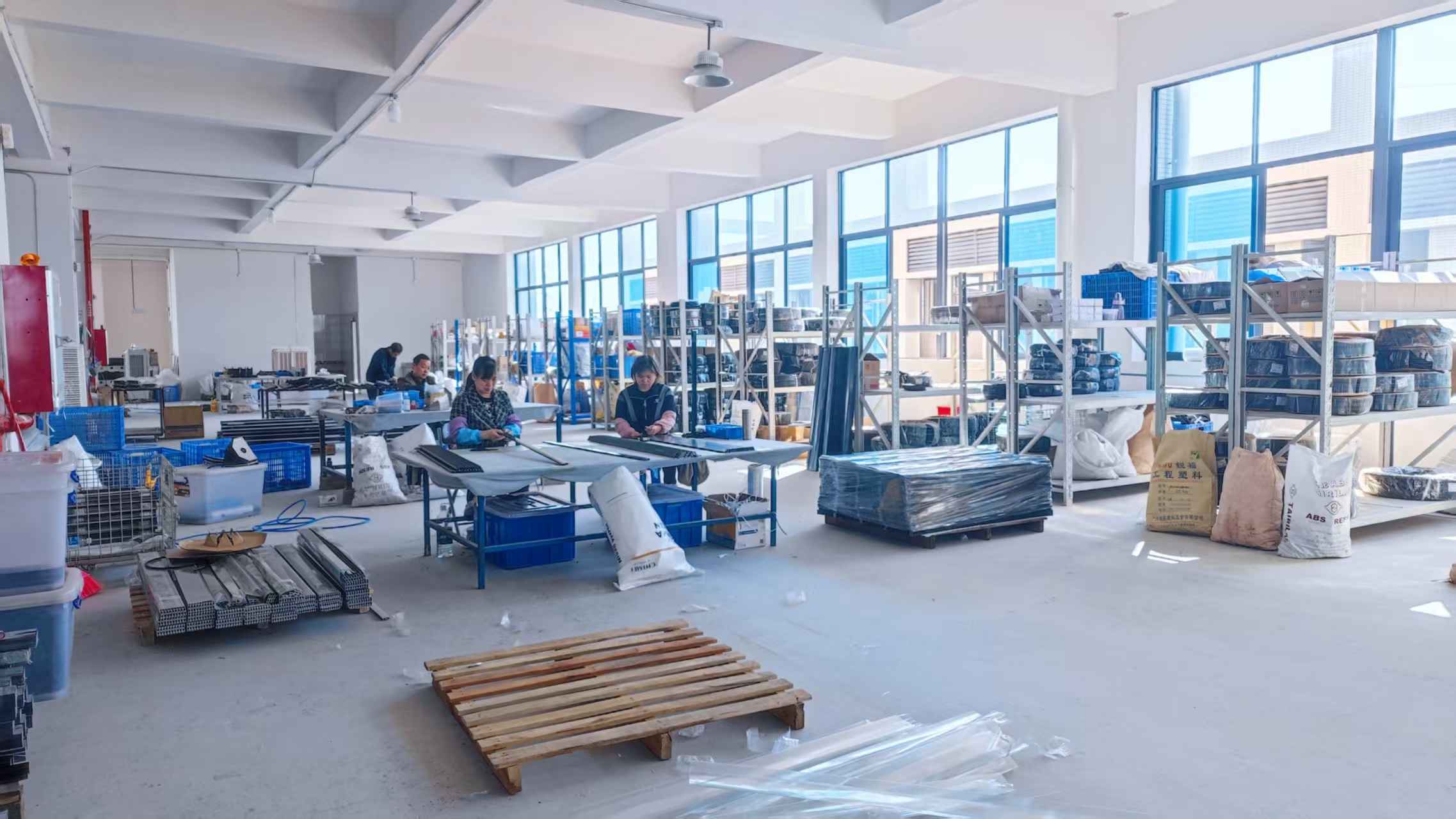
Assembly
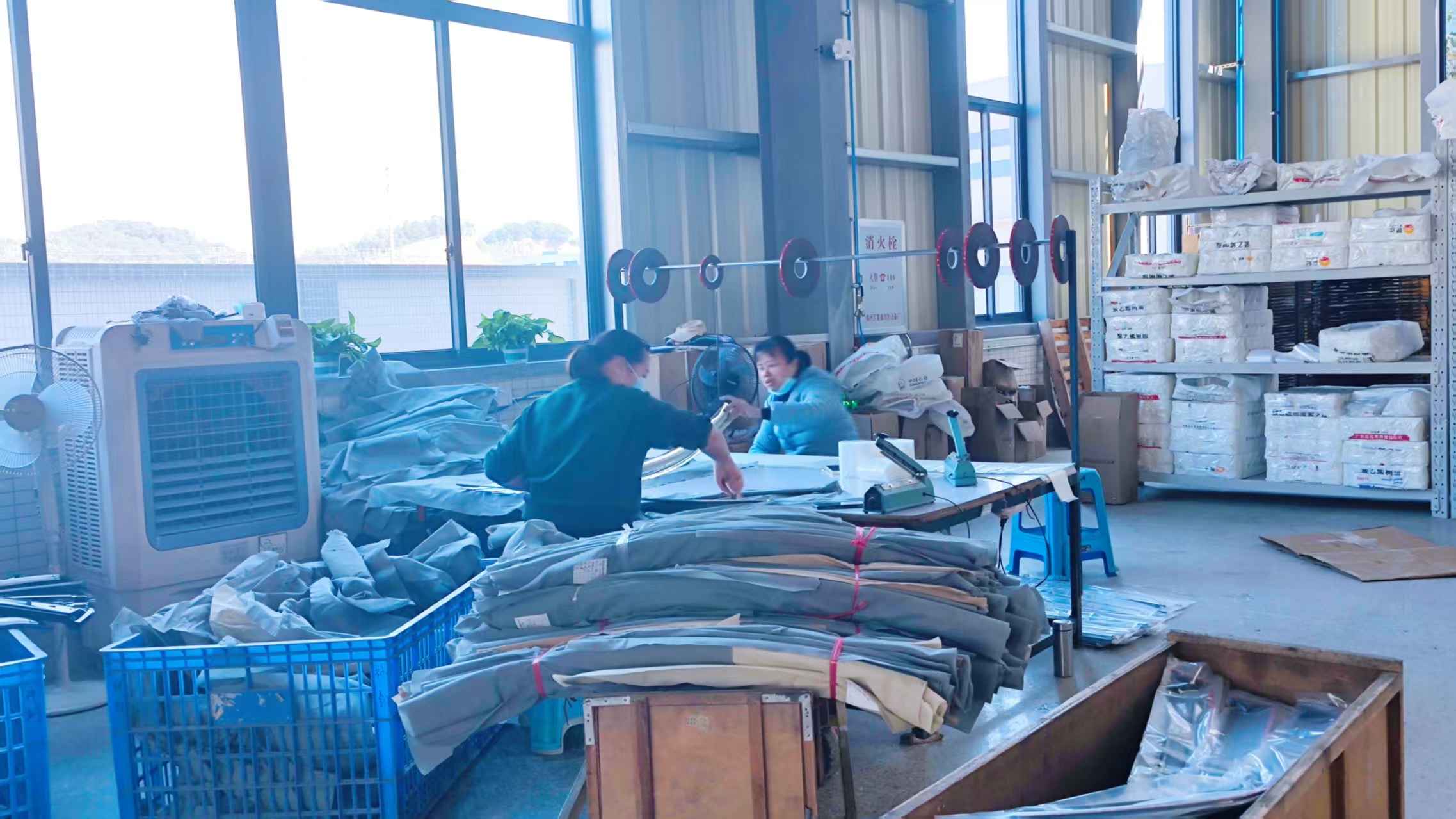
Packaging
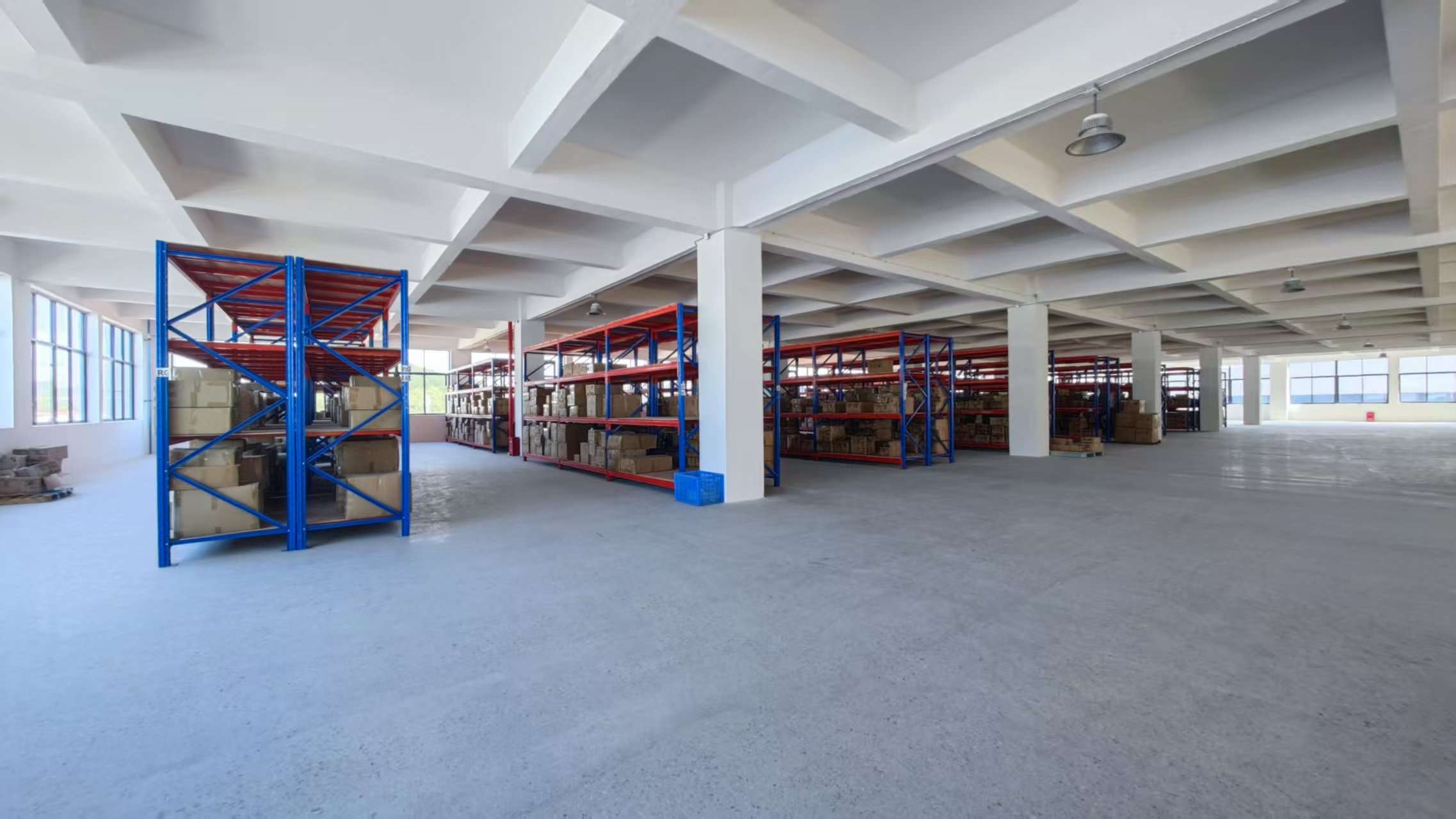
Warehousing
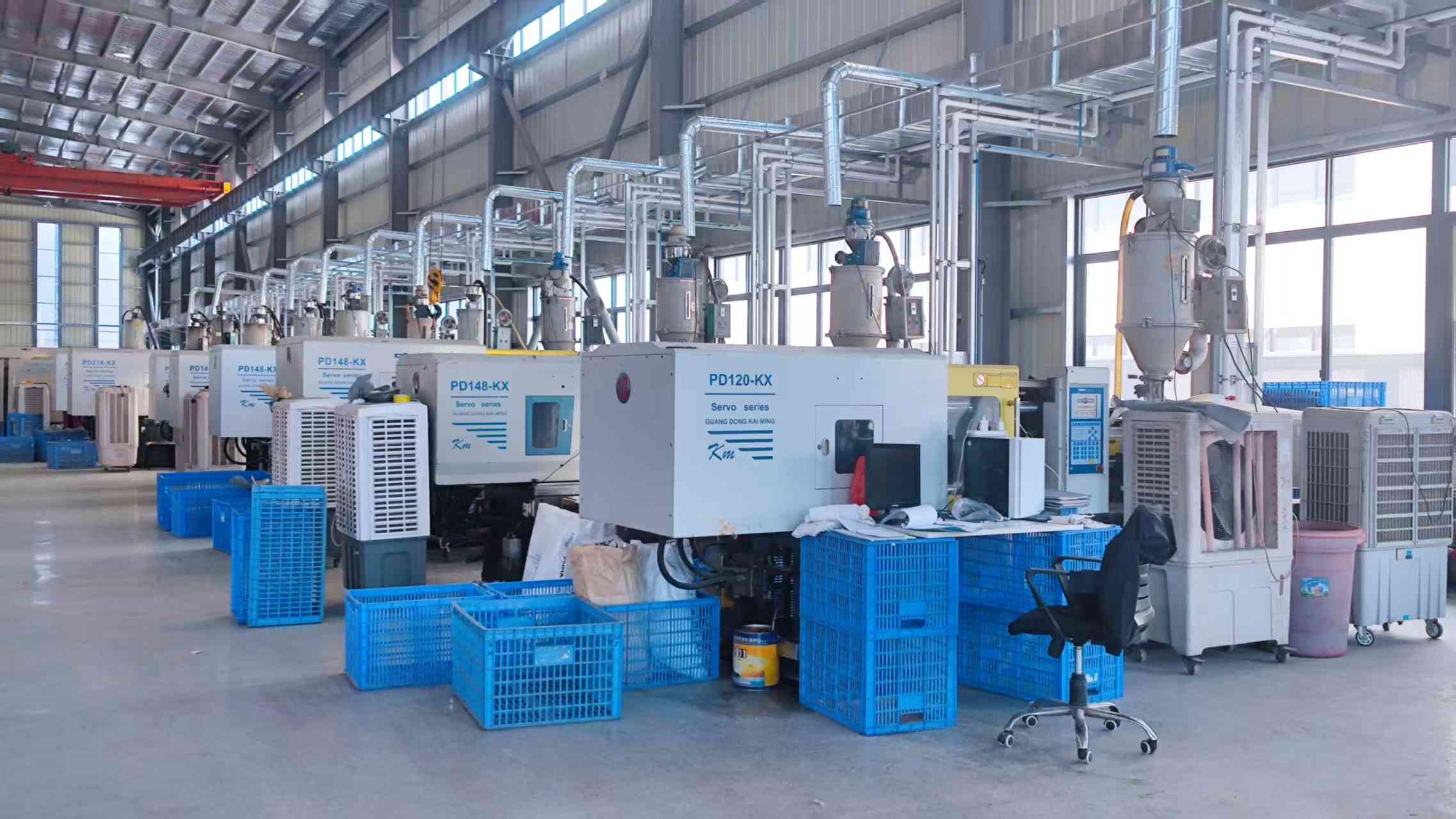
Injection Molding Machine
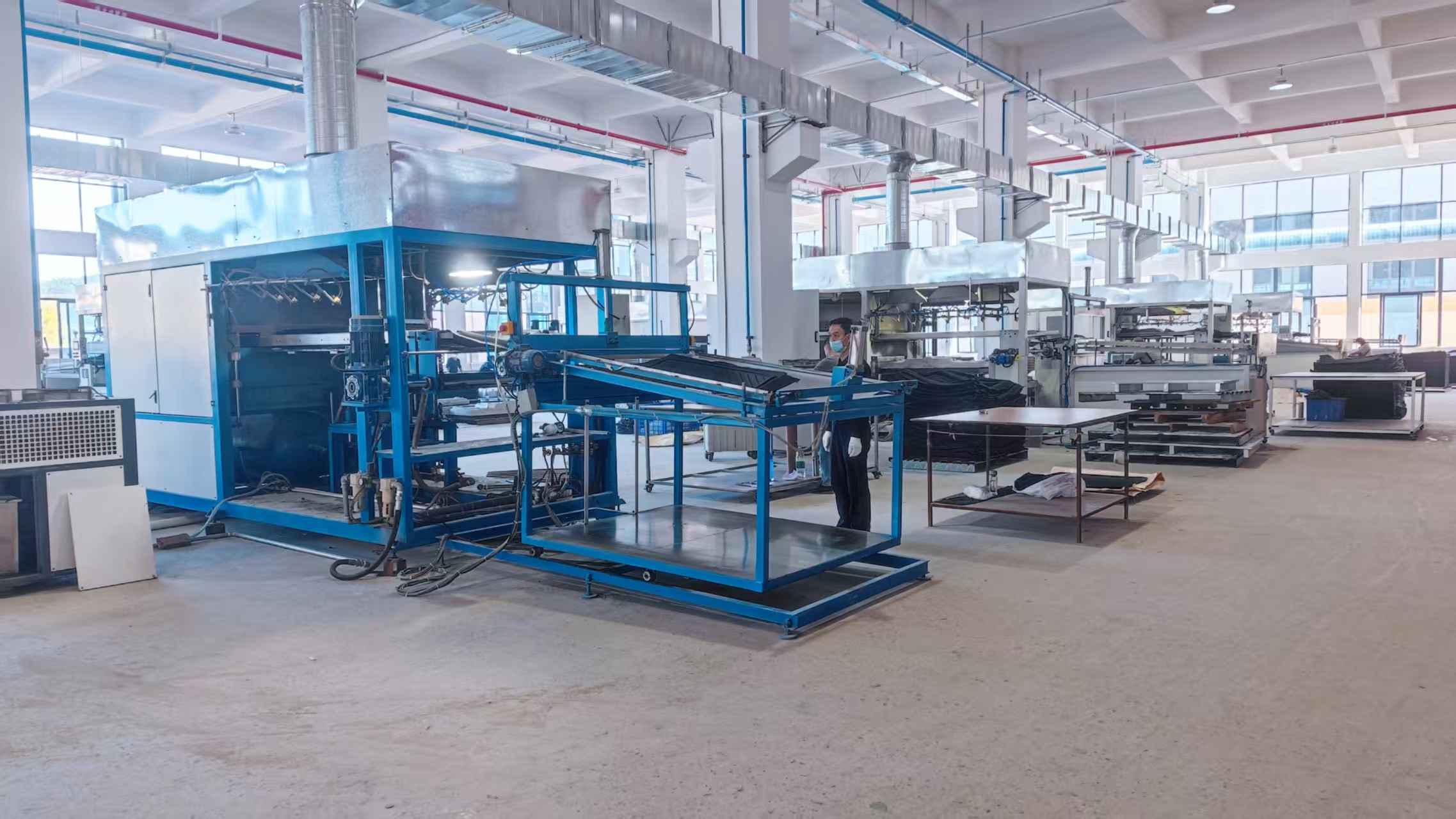
Plastic Vacuum Forming Machine
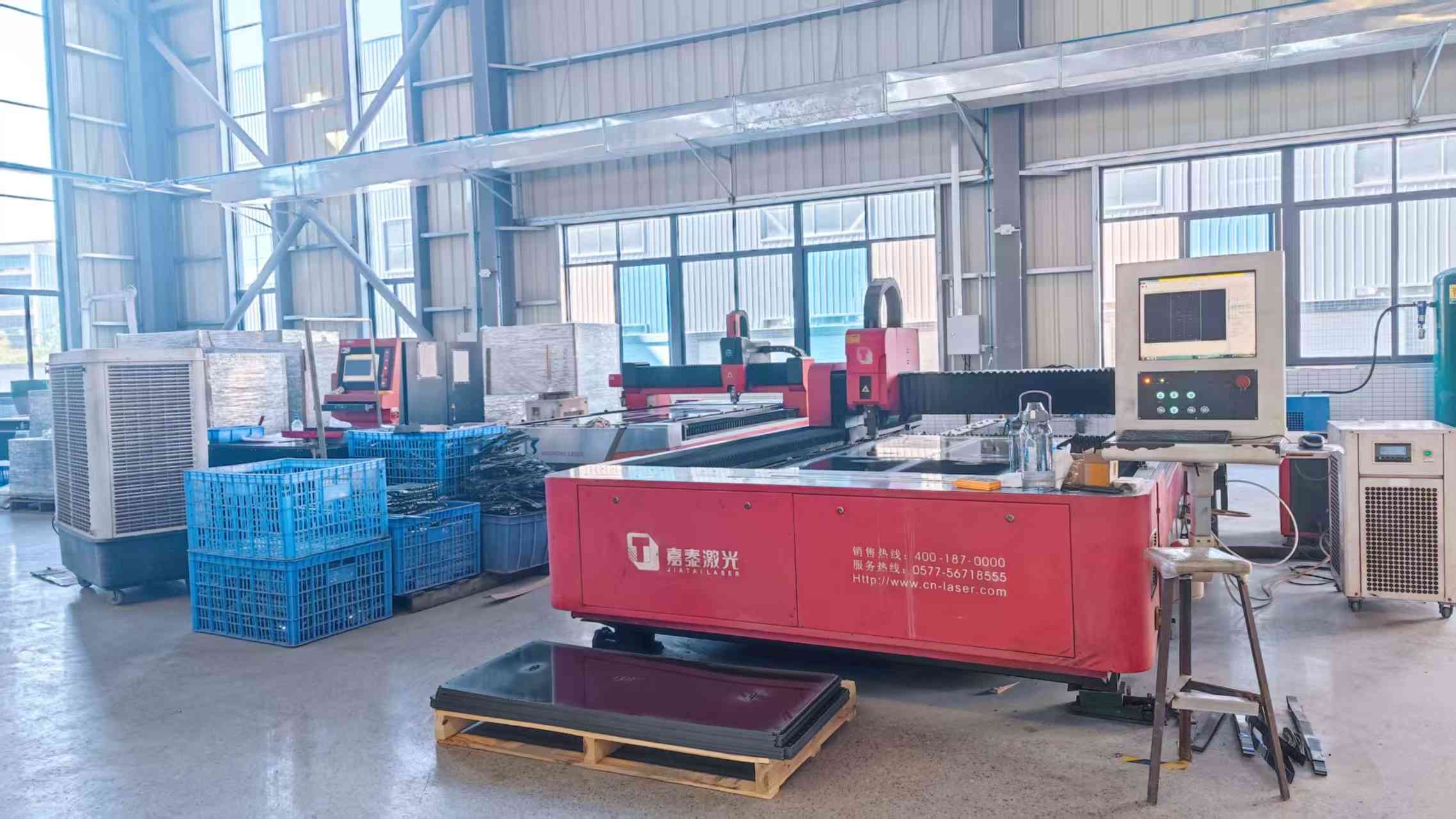
Laser Cutting Machine
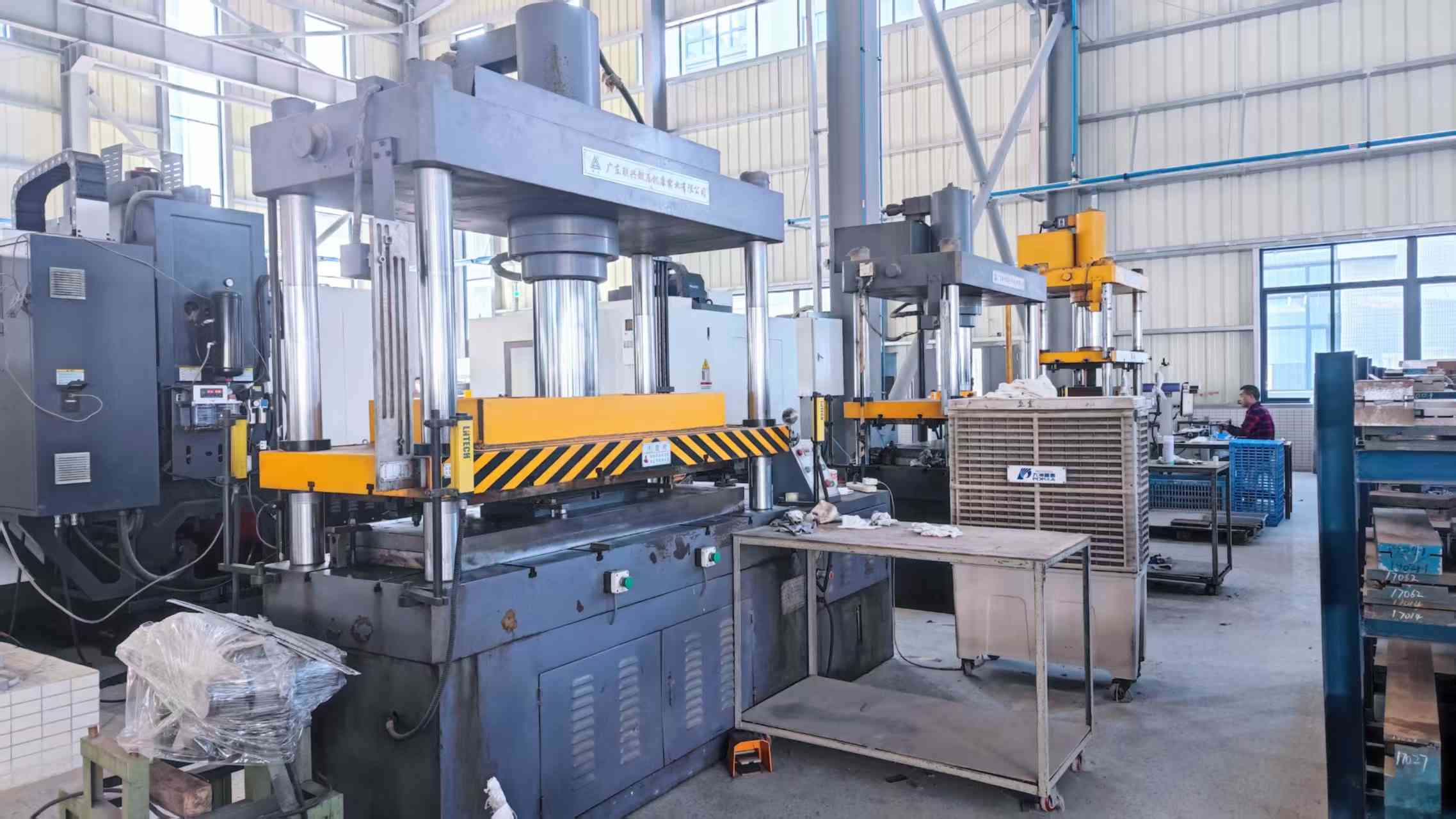
Hydraulic Press
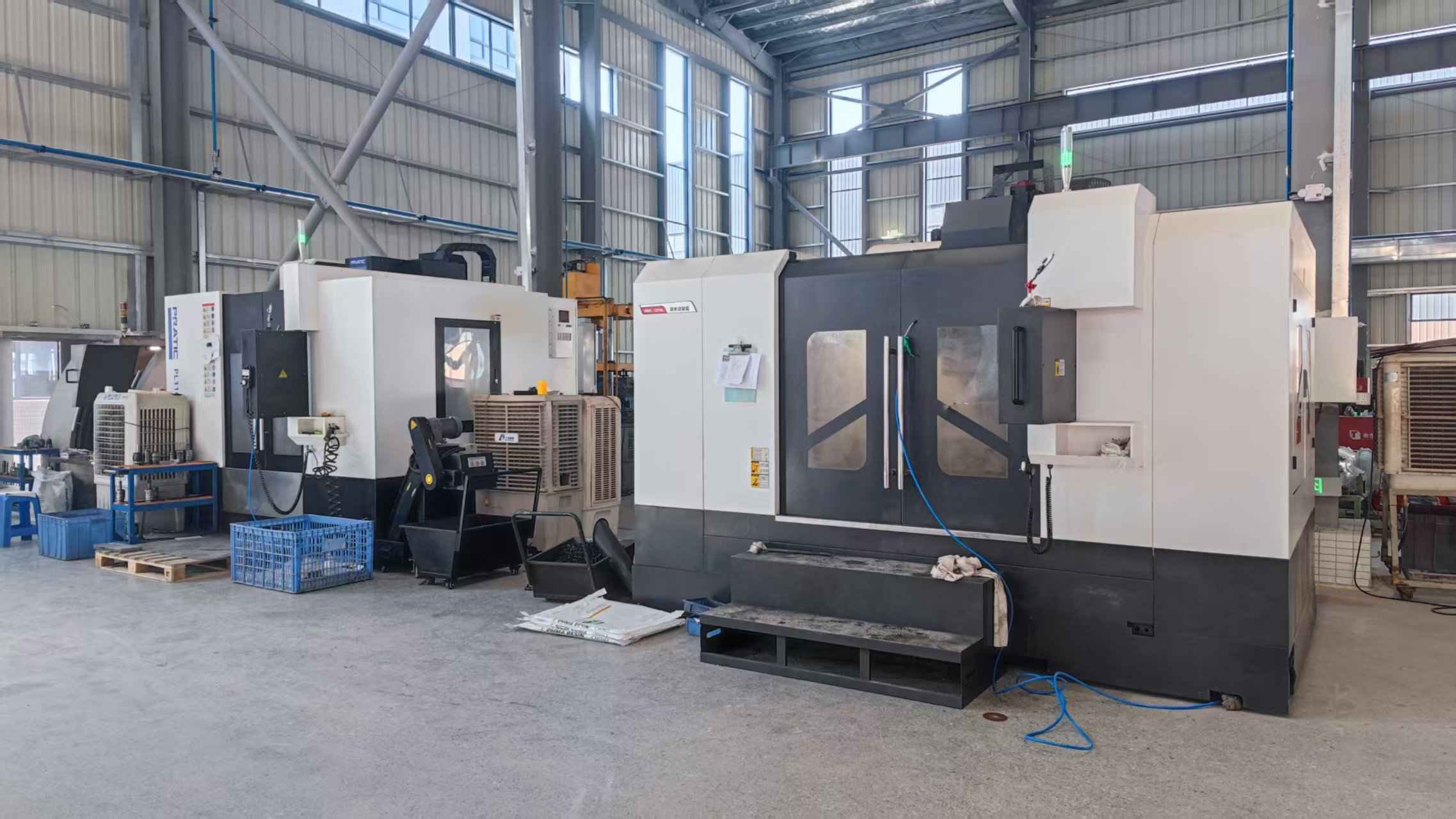
CNC Machining Center
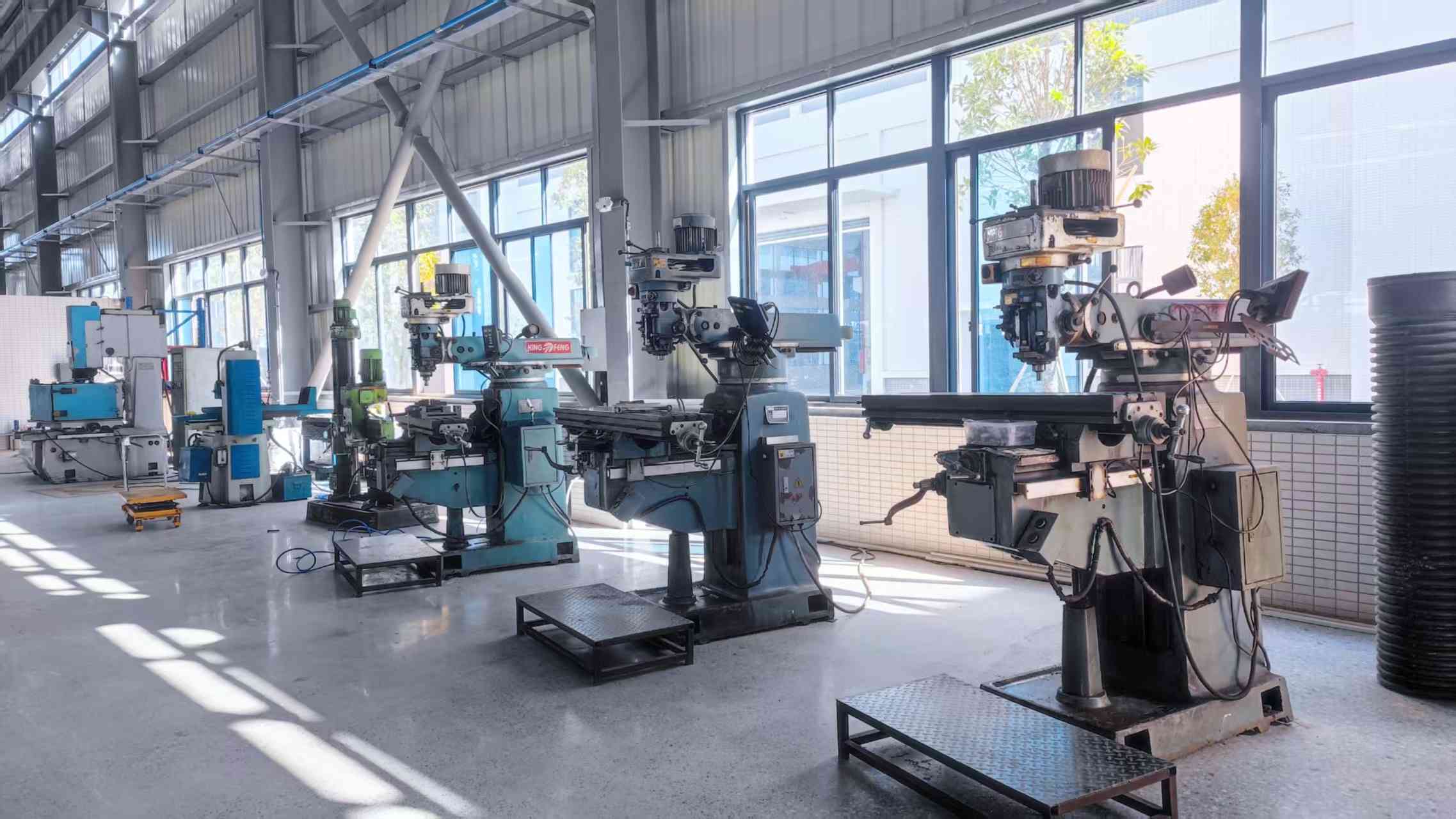
Milling Machine
Developing structural assemblies, high-accuracy molds, and mechanical components requires high-end tooling machinery. At Molas Auto, the technical route integrates 3D optoelectronic scanning, CAD structural modeling, and finite element analysis (FEA) to simulate stresses and wind loads under dynamic environments. Our manufacturing facilities are equipped with CNC machining centers, high-pressure hydraulic presses, and advanced vacuum thermoforming machines. This ensures that custom body kits, internal hardware like side mirror gears, and high-performance carbon panels adhere to strict dimensional specifications.
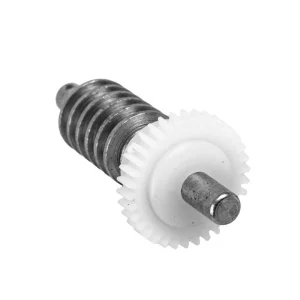
For complex mechanical parts like side mirror gears, we employ high-density alloys and precise injection molding techniques to ensure that wear rates are minimized under extreme temperature cycles. High-grade injection molding machinery guarantees uniform material distribution, eliminating molecular voids that typically lead to component failure in aftermarket assemblies.
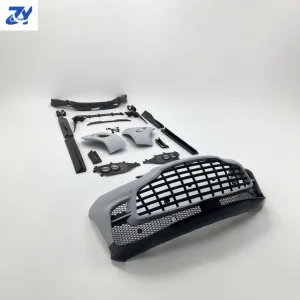
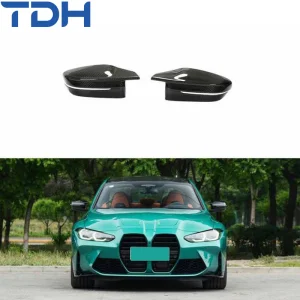
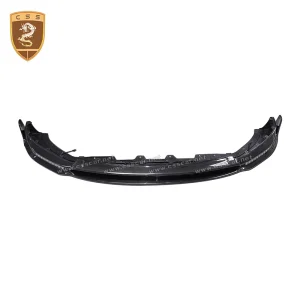
When installing replacement carbon fiber kits on sports coupes or performance SUVs (such as the Aston Martin DBX or BMW M3), the components must fit perfectly with the original mounting points. Our manufacturing processes utilize laser-guided scanning systems to map the OEM vehicle structure down to ±0.02mm. The subsequent vacuum forming and hydraulic press procedures shape the carbon sheets under high pressure and temperature, preventing the formation of micro-cracks. This rigorous engineering guarantees that each bumper, side skirt, and spoiler behaves as a unified structural extension of the chassis, preserving original safety and aerodynamic properties.
"By integrating precision laser-guided metrology and multi-stage QC workflows, we eliminate the physical misalignment common in mass-produced aftermarket body kits. True performance parts must align without structural modification."
As the automotive landscape shifts towards electrification, charging infrastructure tools and components have become critical. The manufacturing of liquid-cooling DC fast charging stations involves complex heat-exchange systems, high-voltage insulation, and robust IP-rated enclosures. Our industrial engineering department utilizes precise milling machines and automated assembly stations to fabricate enclosures that withstand extreme weather conditions (IP55/IP66). This integrated tooling capability enables us to produce charging stations with optimal thermal efficiency, ensuring consistent power output for clean energy vehicles worldwide.
Strategic engineering platforms designed for international vehicle service operations, regional parts distributors, and commercial automotive upgrades.
For global distributors and fleet operators, purchasing high-quality replacement parts is only part of the equation. To maintain low operational overhead, procurement managers require integrated logistics, simplified installation guides, and components designed for durability. Our macro solutions ensure that repair networks, carbon fiber tuners, and EV operators receive parts that reduce mechanical labor times while maintaining high performance. By providing component kits that install without cutting or modifying original structures, we streamline repair shop operations and reduce vehicle downtime.
Additionally, our production lines support customizable specifications. If a regional repair network requires specific polymer properties for sub-zero environments, our formulation teams can modify the injection molding raw feed to increase impact strength. This flexibility, coupled with our CNC tooling and laser cutting capabilities, provides our global clients with a reliable, long-term supply chain partner.
Expert answers addressing the design, manufacturing, and deployment challenges of modern automotive components, specialized tools, and charging infrastructure.
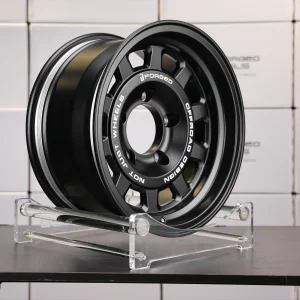
Premium replacement accessories, forged wheels, and electric vehicle charging units engineered to high technical standards.

 Molas Auto