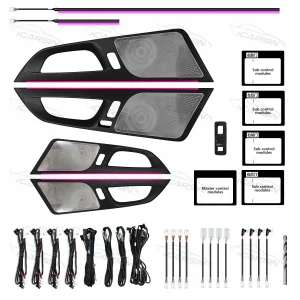
The global automotive aftermarket is undergoing a massive paradigm shift. As vehicles transform into mobile software-defined platforms, the demand for sophisticated, wireless, and seamlessly integrated components has skyrocketed. Leading this revolution is the global surge in Bluetooth car accessories—ranging from intelligent ambient lighting networks that link with smartphone applications to advanced telemetry sensors and control systems operating within the automotive environment.
In modern vehicles, standard wired solutions are rapidly being replaced by robust RF and Bluetooth low energy (BLE) configurations. This shift is not merely about convenience; it is about reducing system complexity, minimizing vehicle curb weight by eliminating copper wiring harnesses, and allowing end-users to modularly upgrade their cockpits. For global distributors, retailers, and high-end customization centers, partnering with an agile, technology-driven manufacturer in China is essential to capturing this high-growth segment.
Procuring automotive accessories internationally presents unique challenges. B2B buyers face strict regulations, compatibility bottlenecks, and structural integration issues. Key buyer challenges include:
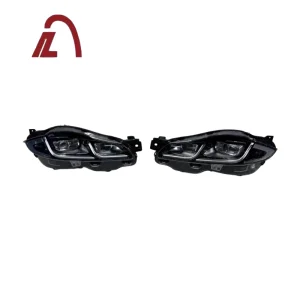
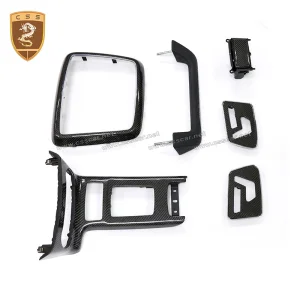
Based in the global manufacturing hub of Guangzhou, China, Guangzhou Molas Auto Co., Ltd. is a leading manufacturer and exporter specializing in premium automotive components, retrofit kits, and specialized accessories. Our core engineering focus lies in bridging physical automotive hardware—such as custom structural body kits, carbon fiber assemblies, and high-specification lighting—with the quality demanded by the global luxury aftermarket.
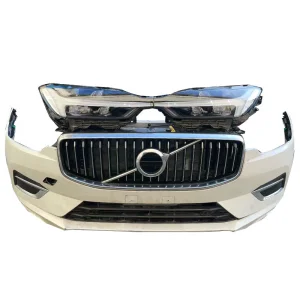
We serve international distributors looking to optimize their supply chain for European vehicle brands, including Mercedes-Benz, BMW, Land Rover, Audi, and Porsche. By integrating state-of-the-art electronics, structural molding, and robust materials, we ensure that every batch of auto parts shipped from our factory offers outstanding longevity and a precise, drop-in fit.
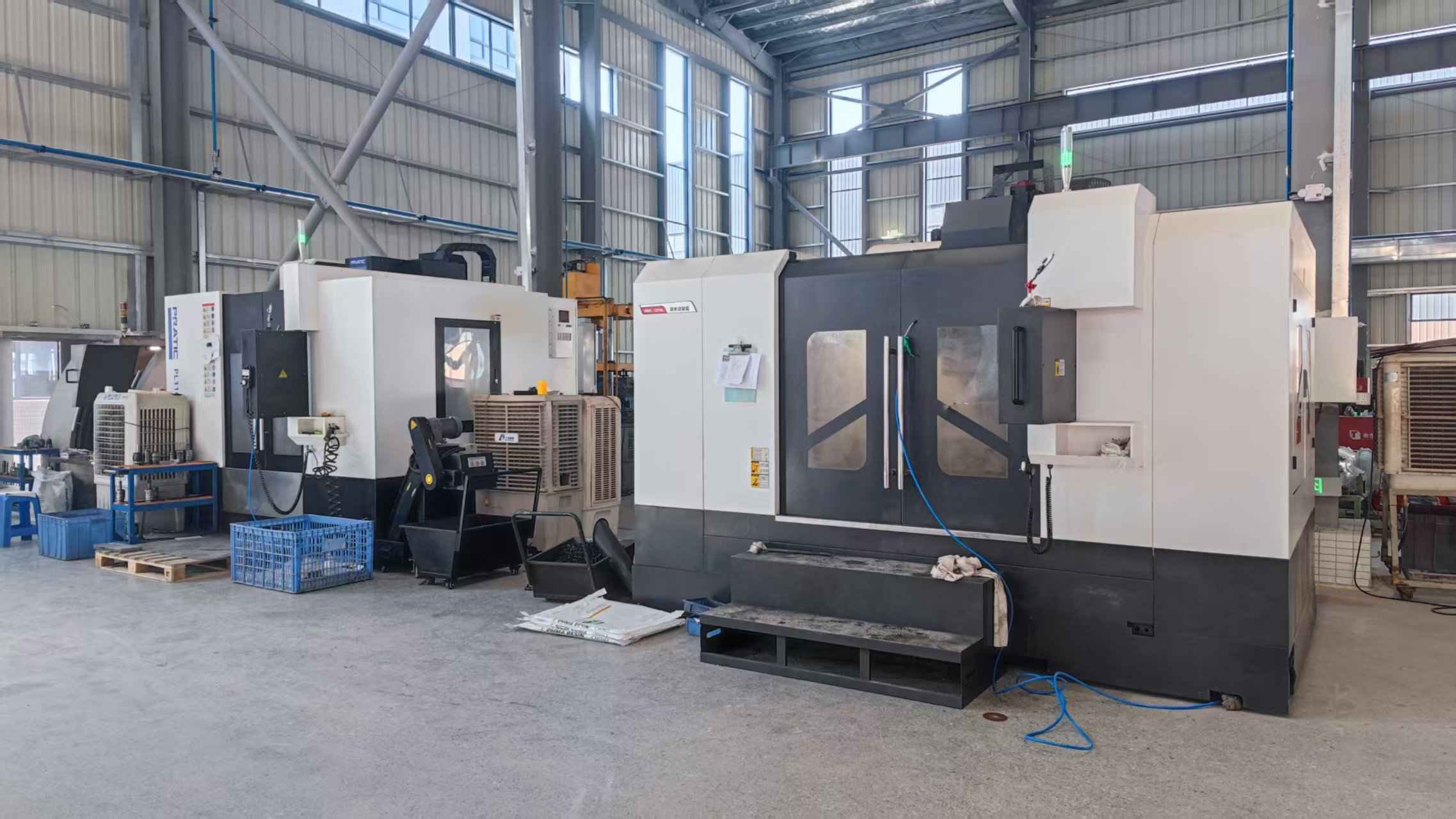
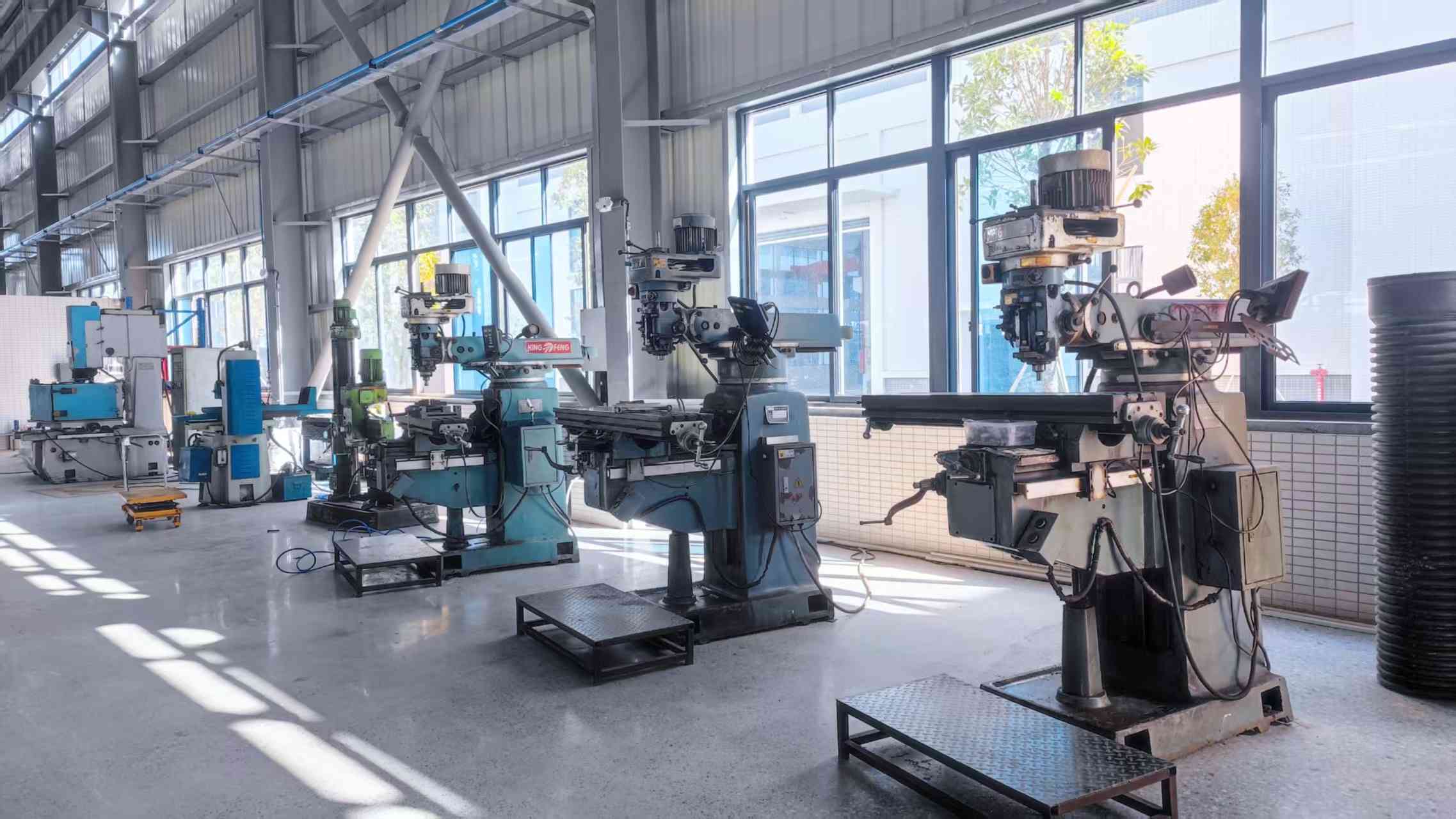
At Guangzhou Molas Auto Co., Ltd., we have transitioned our factory lines toward the Factory 4.0 framework. This structural integration utilizes precise computer-aided design (CAD), CNC milling centers, heavy-duty hydraulic presses, and advanced injection molding techniques to maintain tight dimensional tolerances and repeatable component quality. Our lean manufacturing lines are designed to handle both large-scale wholesale orders and customized, low-volume production runs.
By controlling the process from raw raw materials to final packaging, we eliminate structural weak spots commonly found in generic aftermarket parts. Our facility features specialized production zones tailored to diverse material requirements:
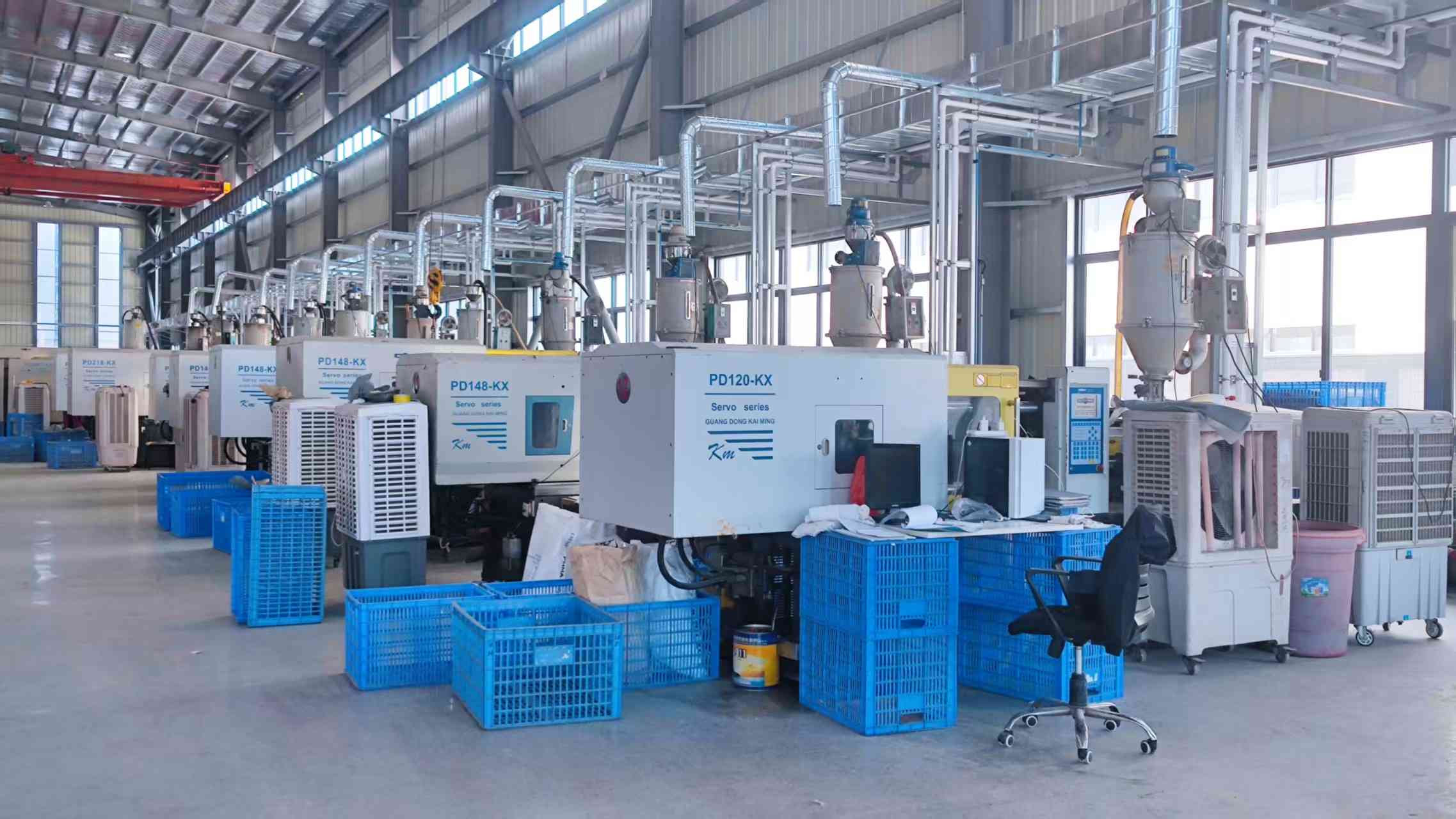
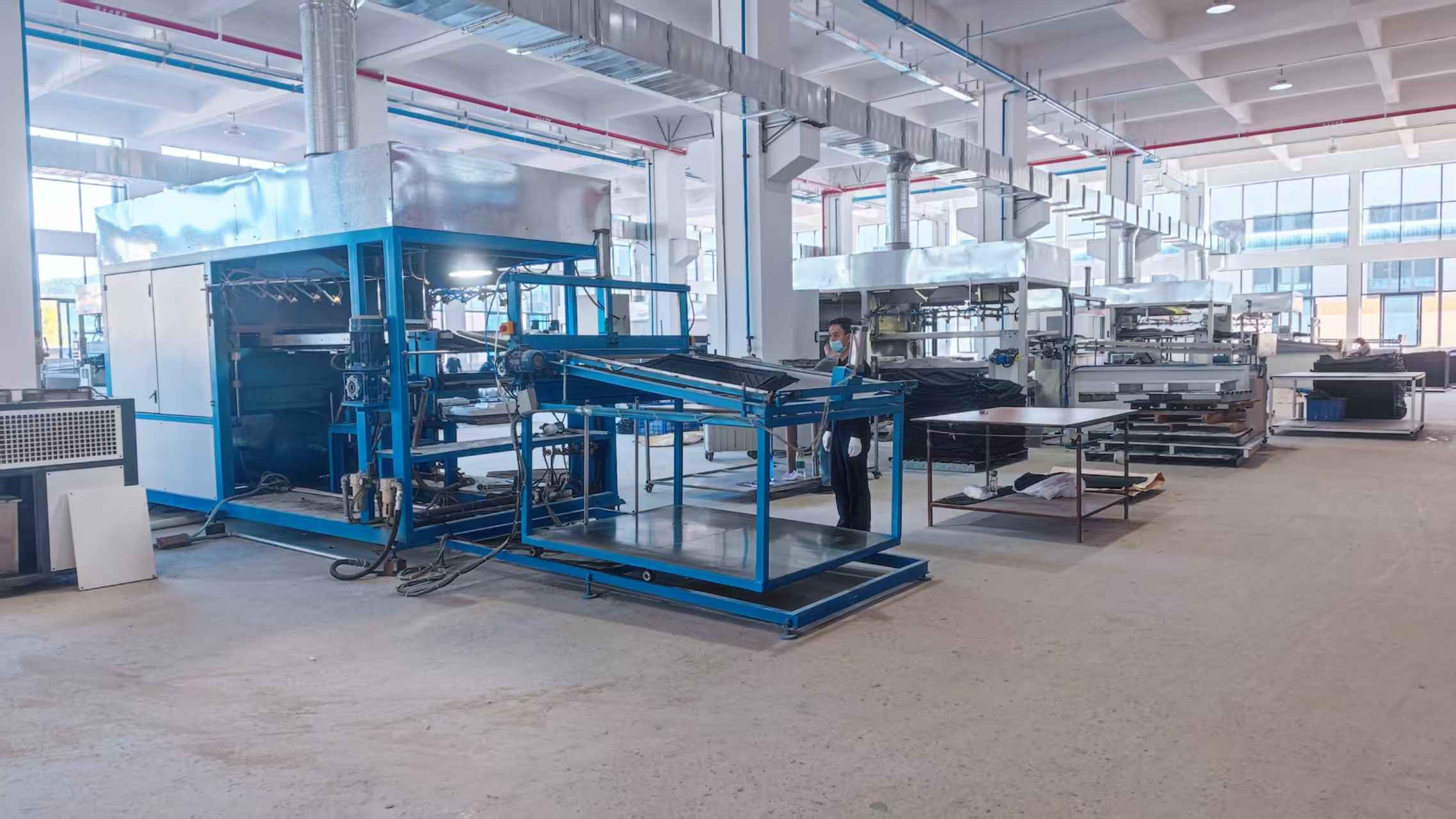
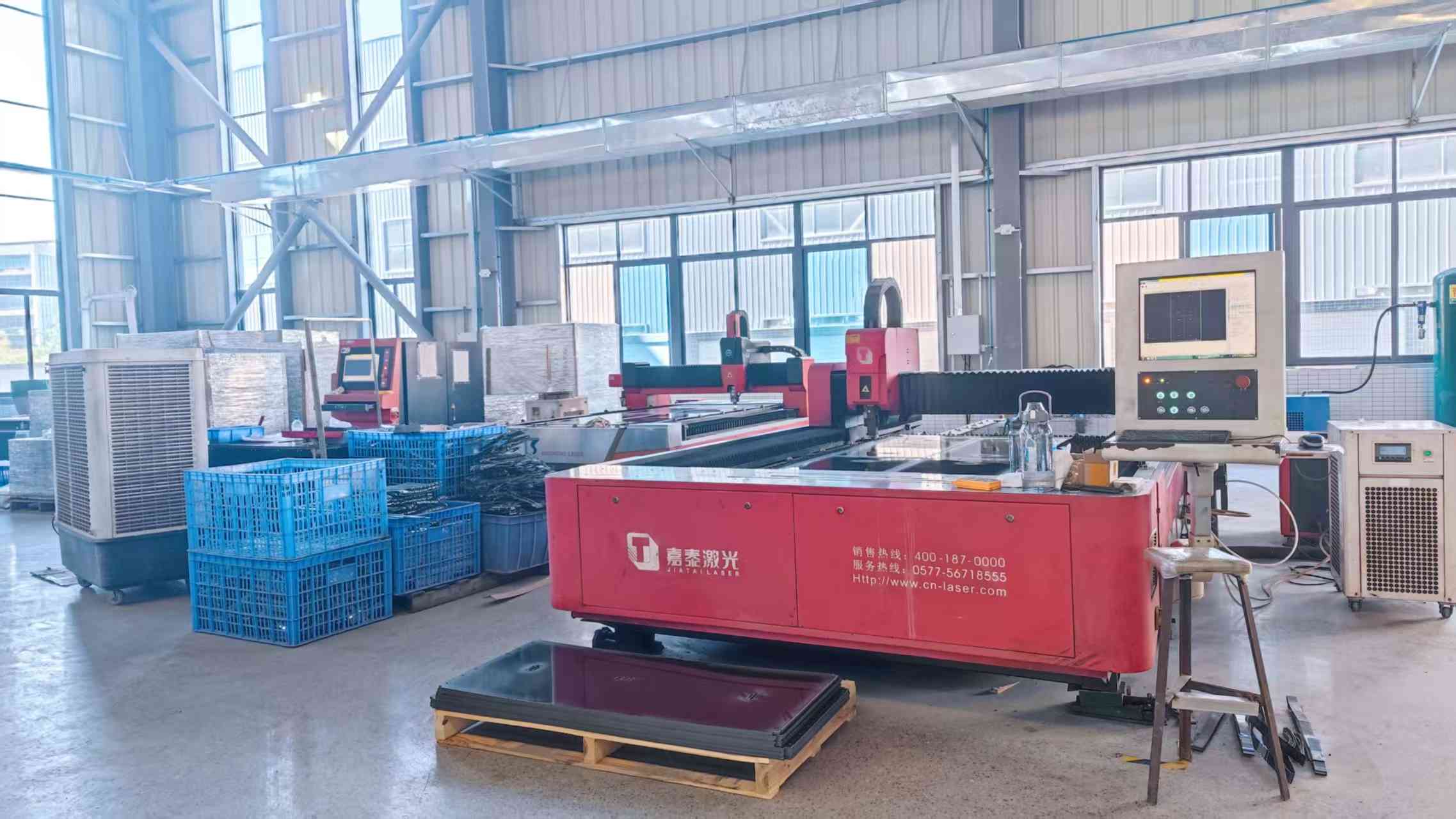
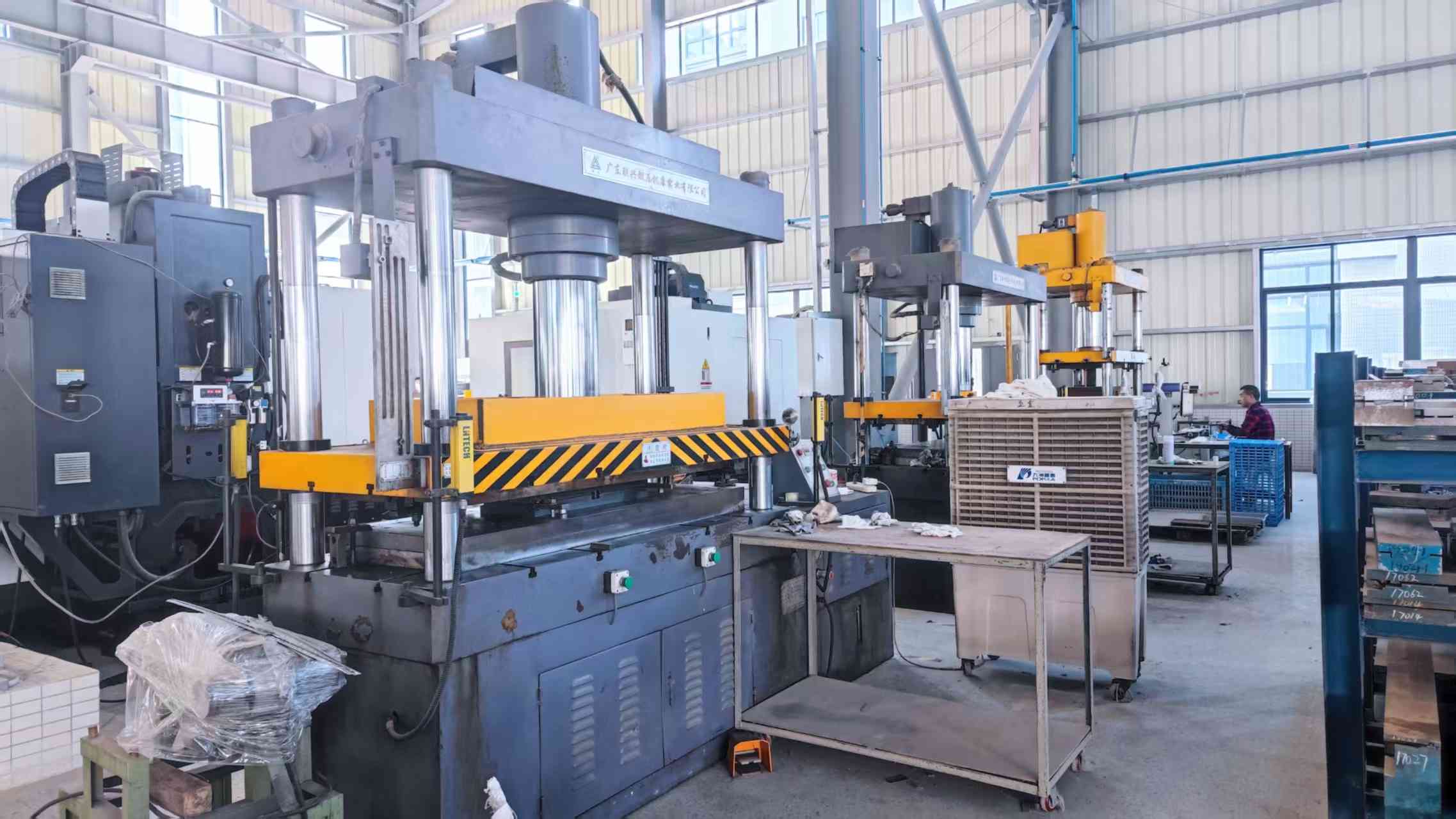
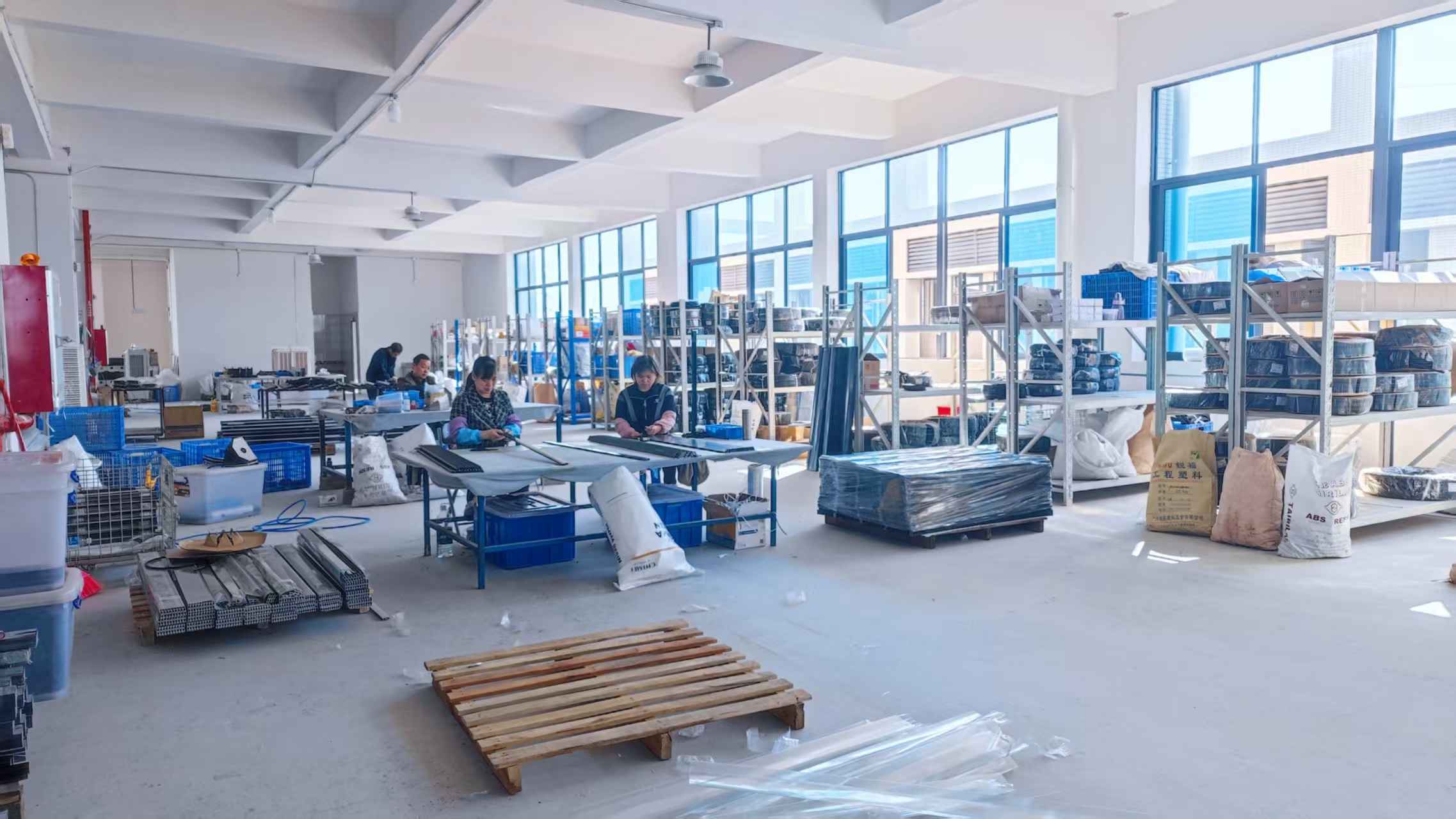
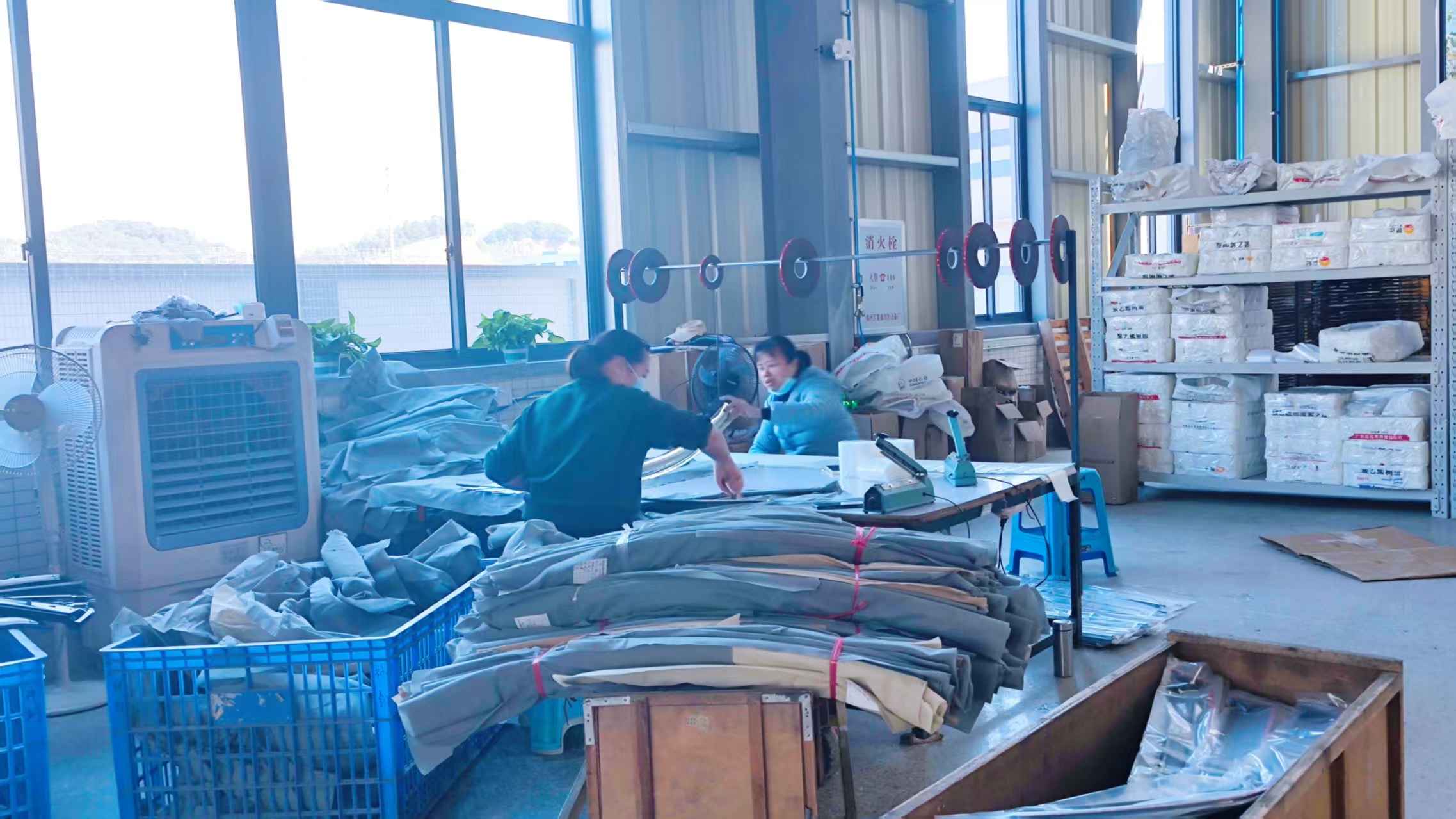
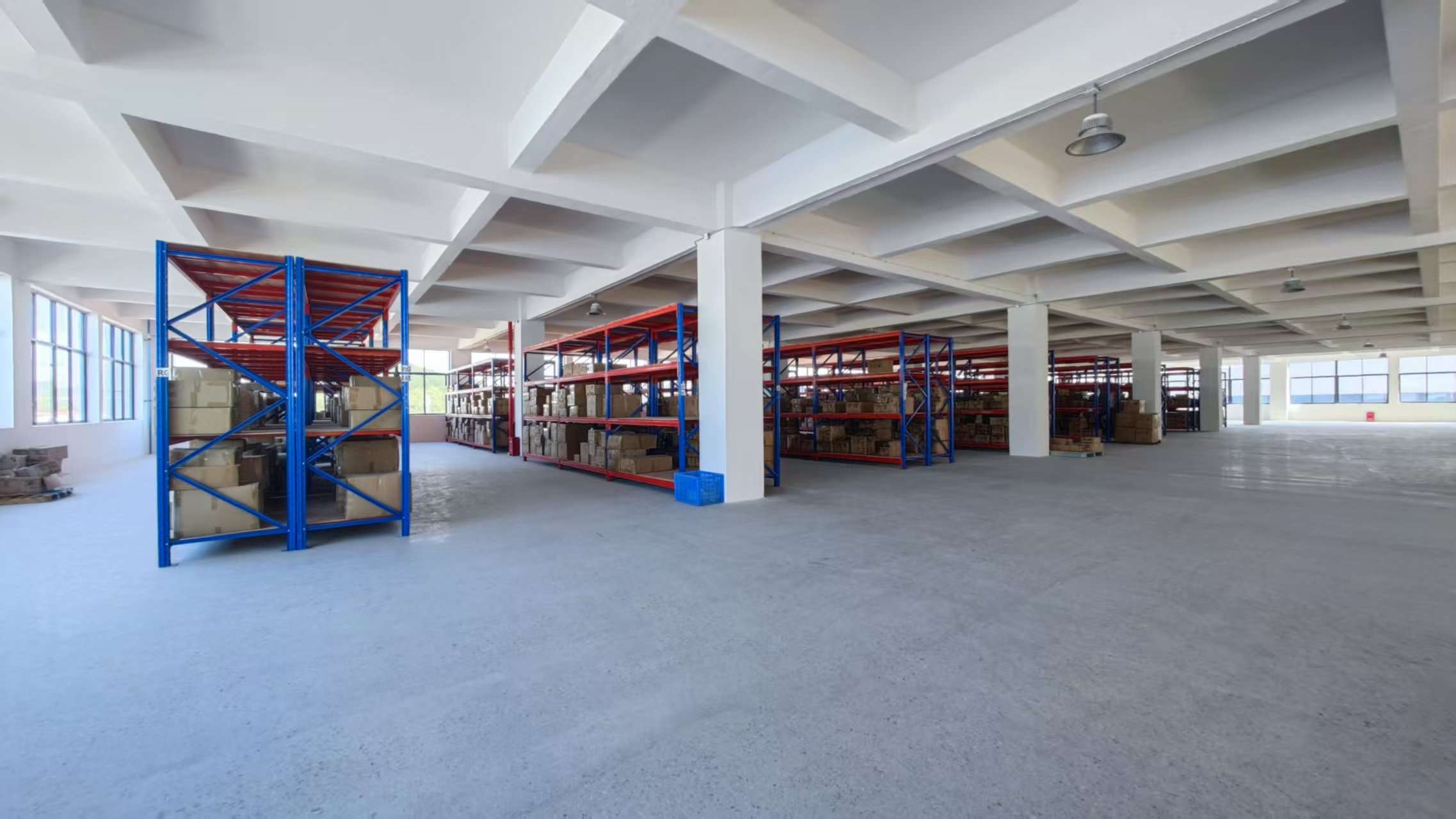
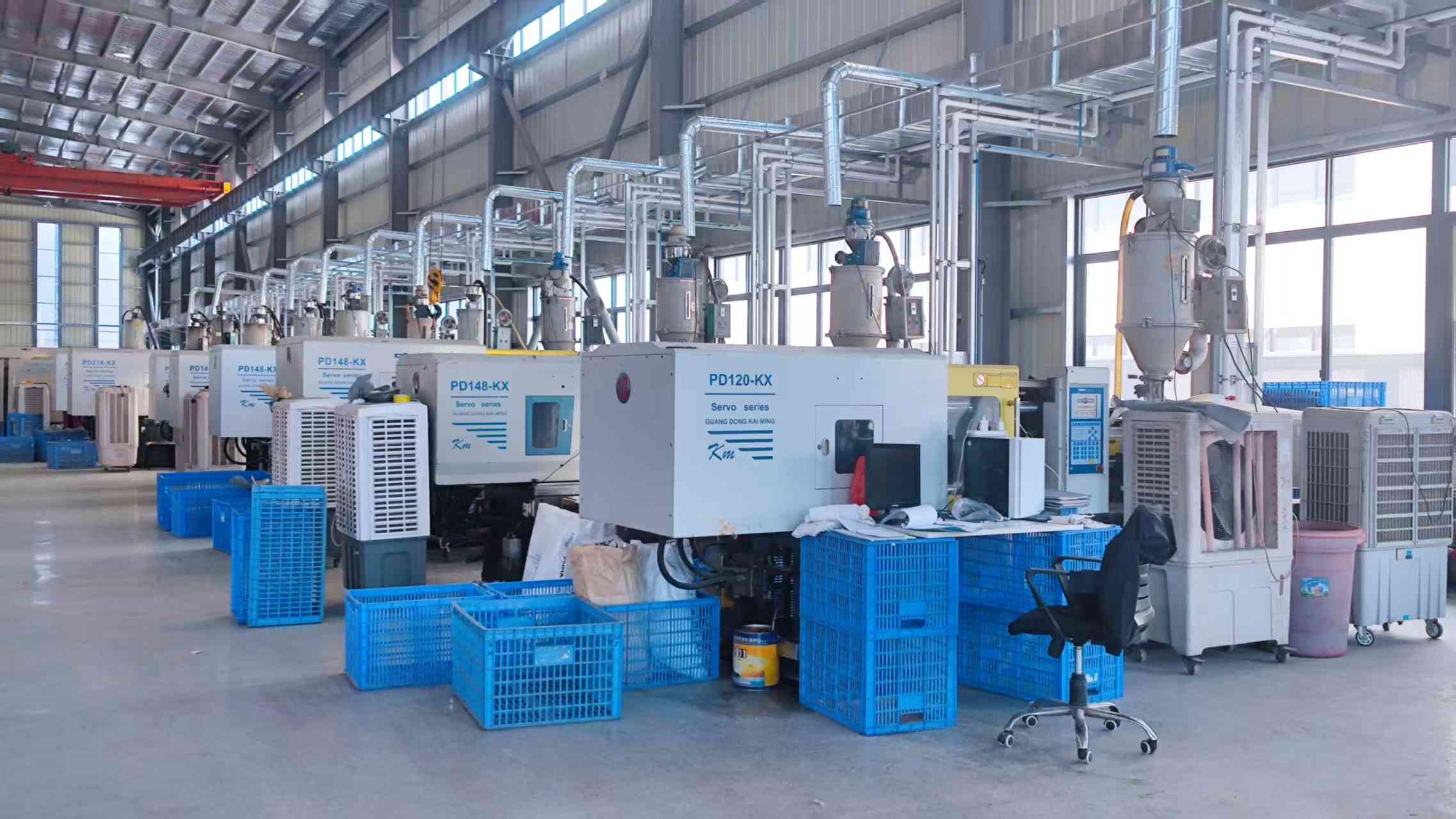
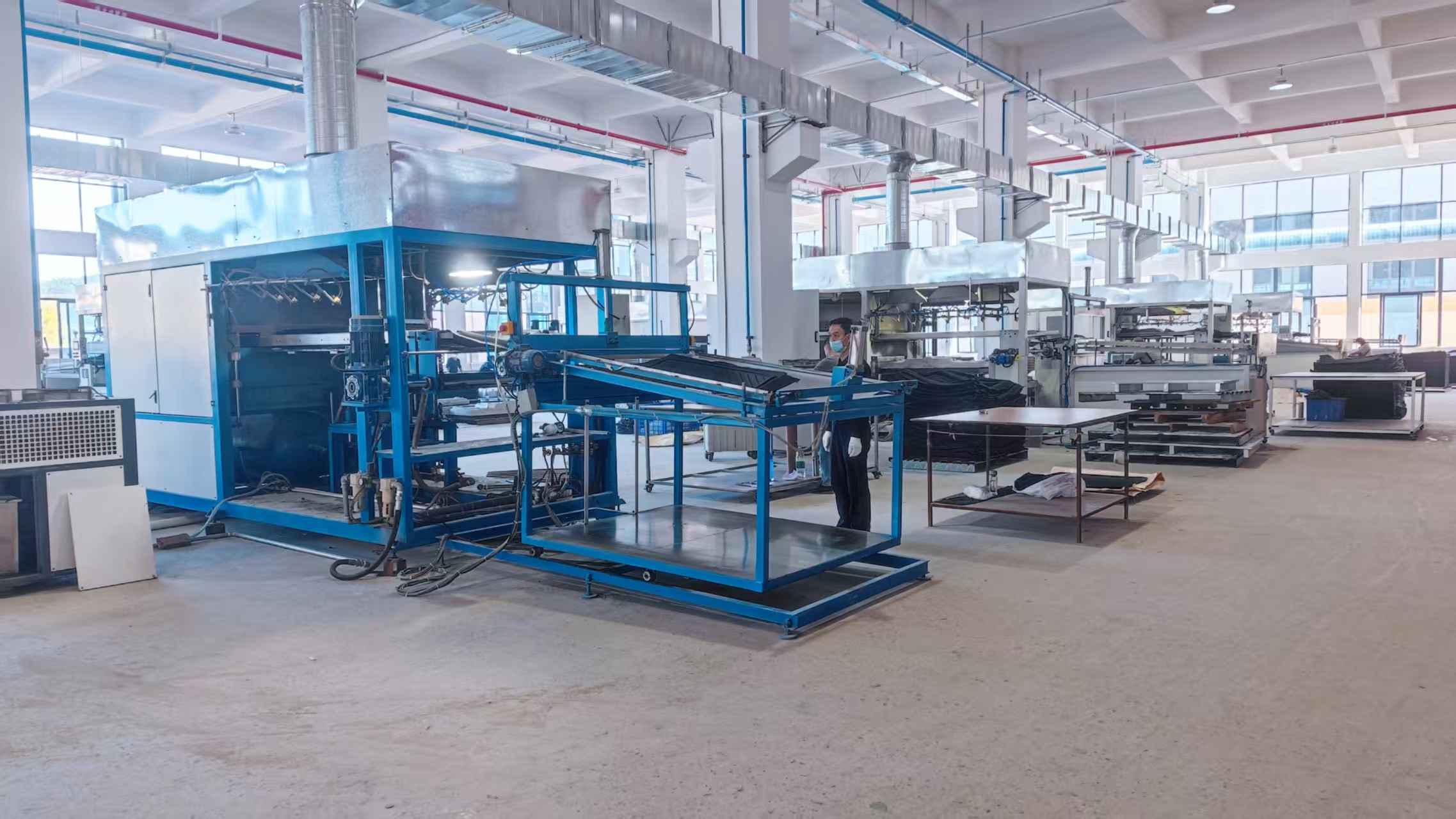
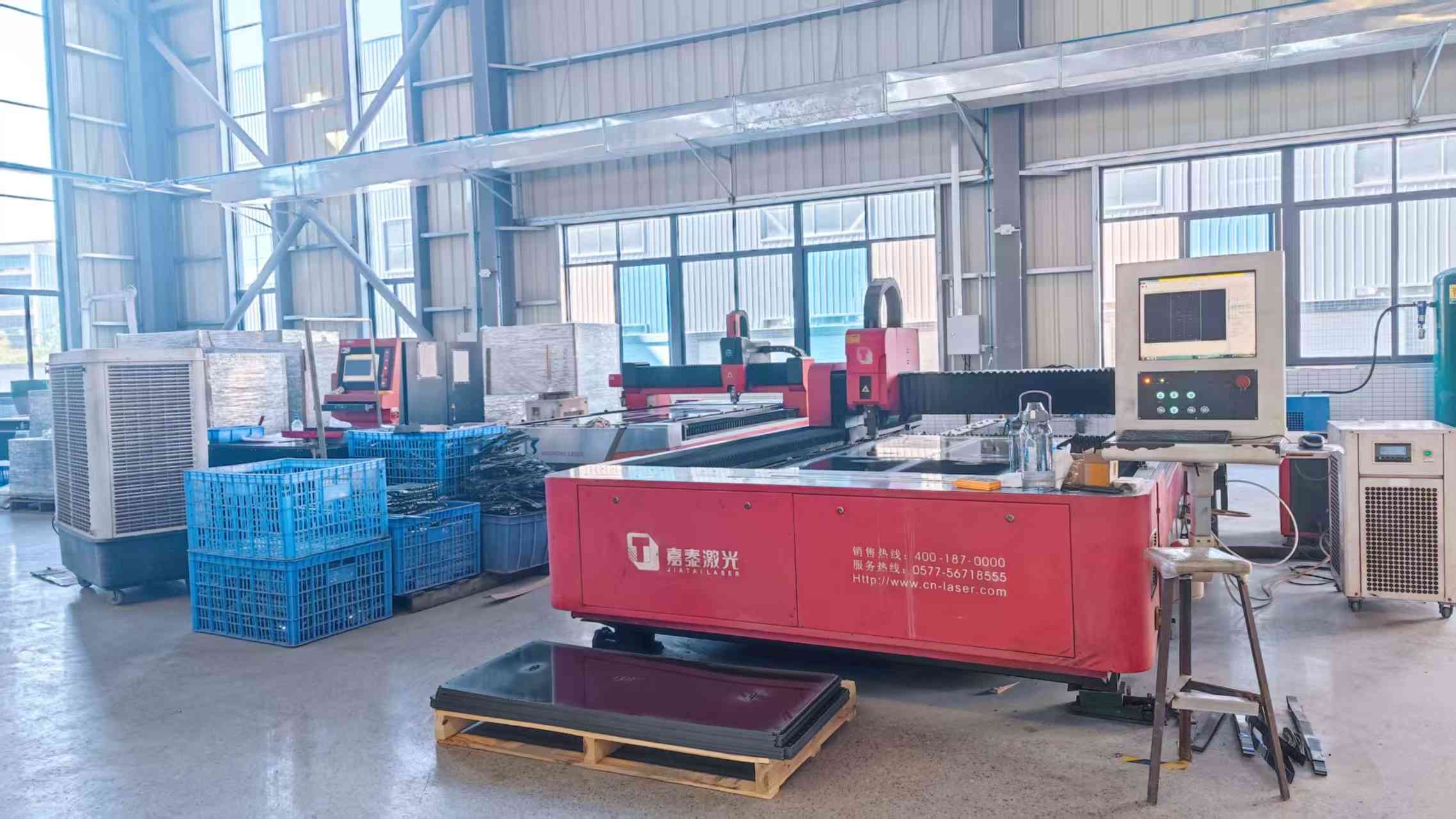
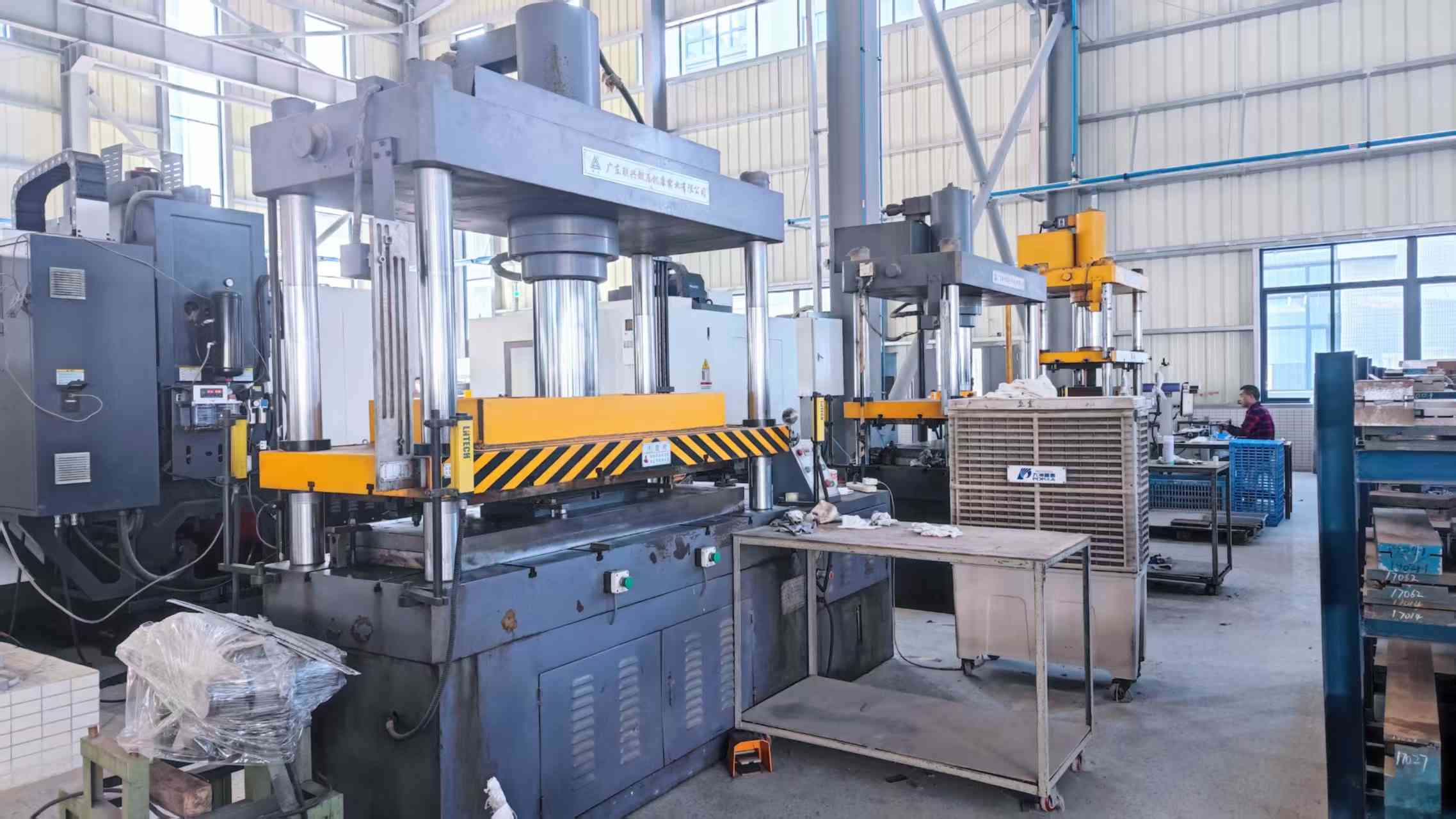
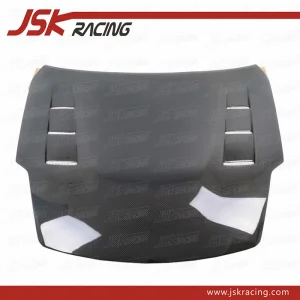
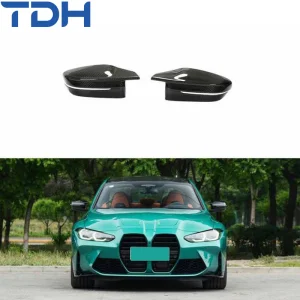
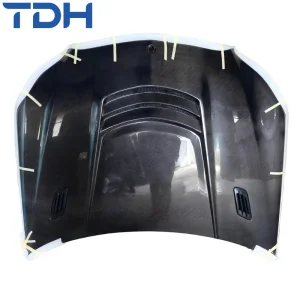
A primary driver for the modern automotive customization sector is the harmonization between mechanical styling and electronic personalization. High-end car accessories are no longer purely passive cosmetic upgrades; they must seamlessly integrate into the vehicle's structural and styling layout. For instance, dry carbon fiber component modification (such as mirror covers and engine hoods for BMW or Mercedes-Benz models) requires accurate aerodynamic calculations and material thickness control to withstand crosswinds at high speeds while maintaining minimal weight.
Similarly, electrical modifications, such as multi-color LED atmospheric ambient lighting systems, require micro-controller units (MCUs) that interface cleanly with smartphones via low-energy Bluetooth protocols. Using dedicated mobile applications, users can alter light settings, define zone layouts, and synchronize the cabin environment with vehicle diagnostics or media inputs. Below is an overview of how we engineering our products for reliability and performance:
The demand pattern for vehicle accessories varies significantly by geography and vertical sector:
1. Western European & North American Aftermarket: Buyers in these markets demand premium visual upgrades—such as carbon fiber styling components for German platforms and integrated, app-controlled cabin lighting systems. Products must hold certifications such as CE, FCC, and RoHS, and packaging must be retail-ready.
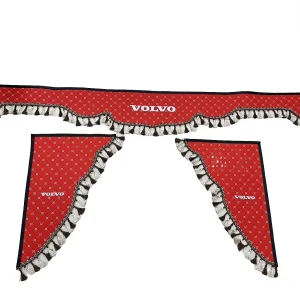
2. Middle East & African Fleet Operators: These regions emphasize mechanical durability under harsh environmental conditions. Accessories such as heavy-duty, heat-resistant interior curtains for logistics and transit fleets (such as Scania, Volvo, DAF, or Mercedes trucks) are critical to safeguarding operators and cargo from intense solar radiation.
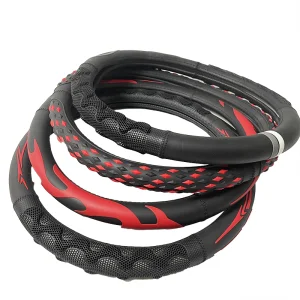
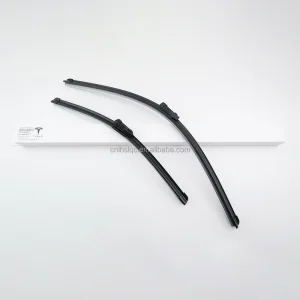
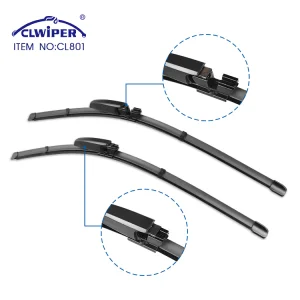
3. South American & Southeast Asian Distribution Networks: Demand centers on cost-effective, high-durability replacement parts and universal-fit accessories (such as steering wheel covers and long-lasting natural rubber wiper blades) that offer a competitive alternative to expensive OEM components.
We employ a rigorous multi-stage quality control workflow. Mechanical components, such as CNC brackets and carbon fiber body parts, undergo dimensional validation, stress simulation, and physical trial fitting. Electronic assemblies, such as our LED ambient light kits, undergo continuous burn-in testing, RF spectrum verification, and environmental chamber testing to ensure stability in cold and high-temperature conditions.
Yes. We manufacture wireless components to comply with CE, FCC, and RoHS standards. For markets requiring strict compliance, we offer documentation support and ensure our integrated RF modules adhere to standard power limits, minimizing electromagnetic interference (EMI) with critical vehicle systems.
Our advanced manufacturing facility integrates 3D CAD modeling, CNC machining centers, and hydraulic molding presses. We can process customer blueprints, vehicle interior scans, or physical models to develop custom aftermarket body panels, custom brackets, or interior trims to your exact specifications.
Located in Guangzhou, we benefit from immediate access to major international shipping routes and air cargo hubs. For standard products in stock, we process and dispatch within a few business days. For customized production or large OEM orders, lead times range from 15 to 30 days depending on component complexity and material procurement requirements.
 Molas Auto