Explore our flagship OEM & custom racing components engineered to push performance boundaries. Click each item to inspect engineering specifications.

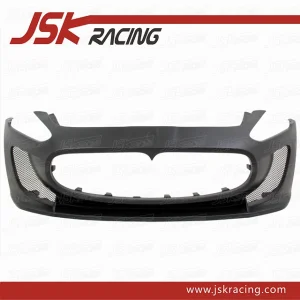
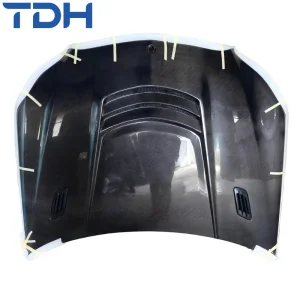
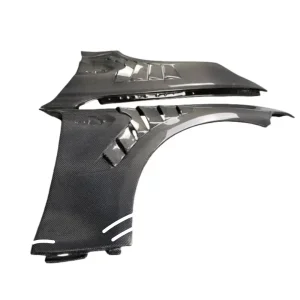
The global automotive aftermarket and high-performance racing sector is experiencing a paradigm shift driven by advanced lightweight materials, electric vehicle conversions, and precision manufacturing technologies. Racing enthusiasts and commercial motorsport brands alike demand accessories that offer maximum strength-to-weight ratios, precise fitment, and extreme heat resistance. Meeting these requirements requires state-of-the-art facilities capable of engineering custom carbon fiber composite structures, high-performance brake systems, aerodynamic body enhancements, and next-generation electrical components.
To establish authority in this highly competitive arena, Guangzhou Molas Auto Co., Ltd. has positioned itself as a leading international developer and supplier of top-tier automotive spares and bespoke accessories. Operating from Guangzhou, one of China's most advanced manufacturing hubs, our company integrates initial product design, tooling development, precision fabrication, quality control, and global distribution. By focusing heavily on research and development, we serve premium European brands like Mercedes-Benz, BMW, Porsche, Land Rover, Audi, and exotic supercars with specialized carbon fiber and structural performance components.
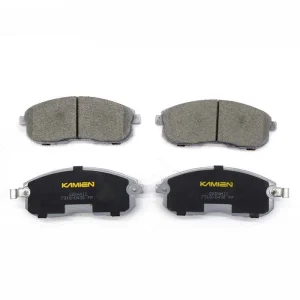
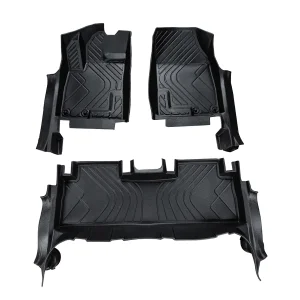
Our operational philosophy, "Quality Creates Value, Service Builds Trust", is backed by rigorous material selection. Whether formulating lightweight wet or dry carbon fiber for Lamborghini body kits, developing heat-resistant ceramic brake pads for Maserati, or engineering impact-resistant TPE 3D floor liners for BYD, every single accessory is subjected to multi-axial stress testing and thermal endurance evaluations. This ensures compliance with international quality standards and guarantees a longer product lifespan under extreme track and street conditions.
Guangzhou Molas Auto Co., Ltd. achieves superior component consistency by leveraging automated precision machinery. From heavy metal stamping and CNC machining to plastic vacuum forming and carbon fiber autoclave processes, our factory operates a fully integrated production line that minimizes tolerance errors and speeds up the delivery process.
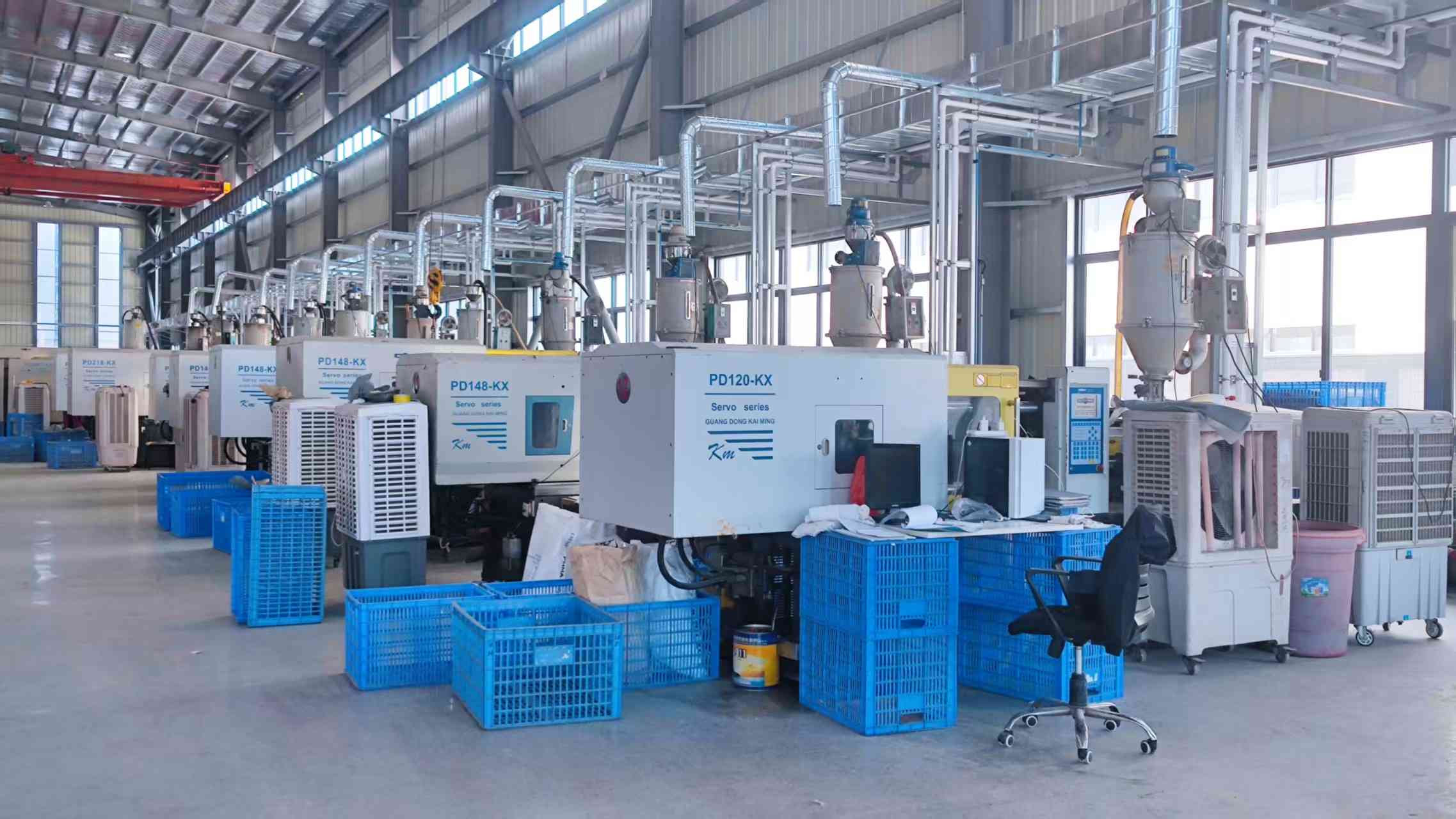
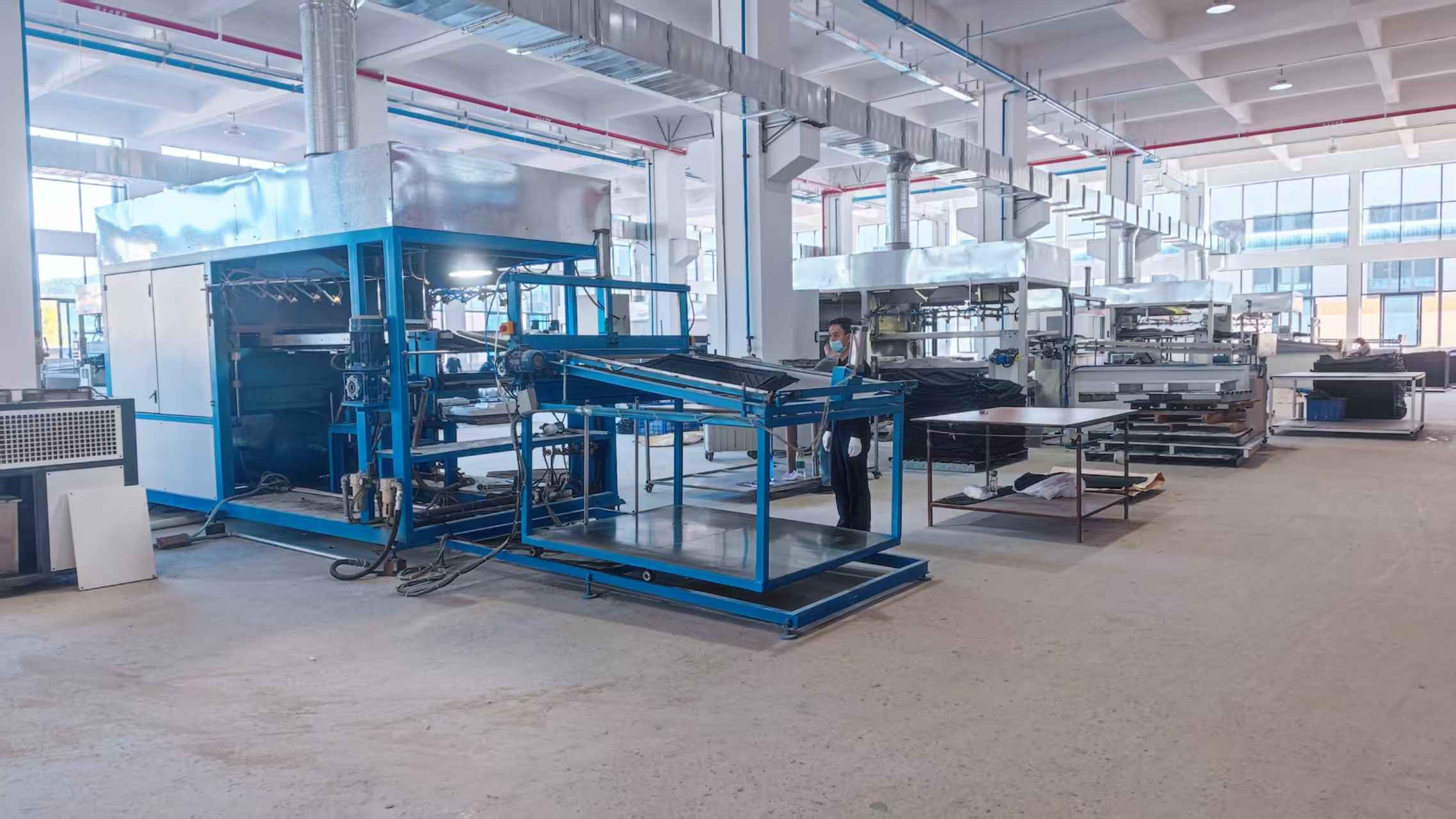
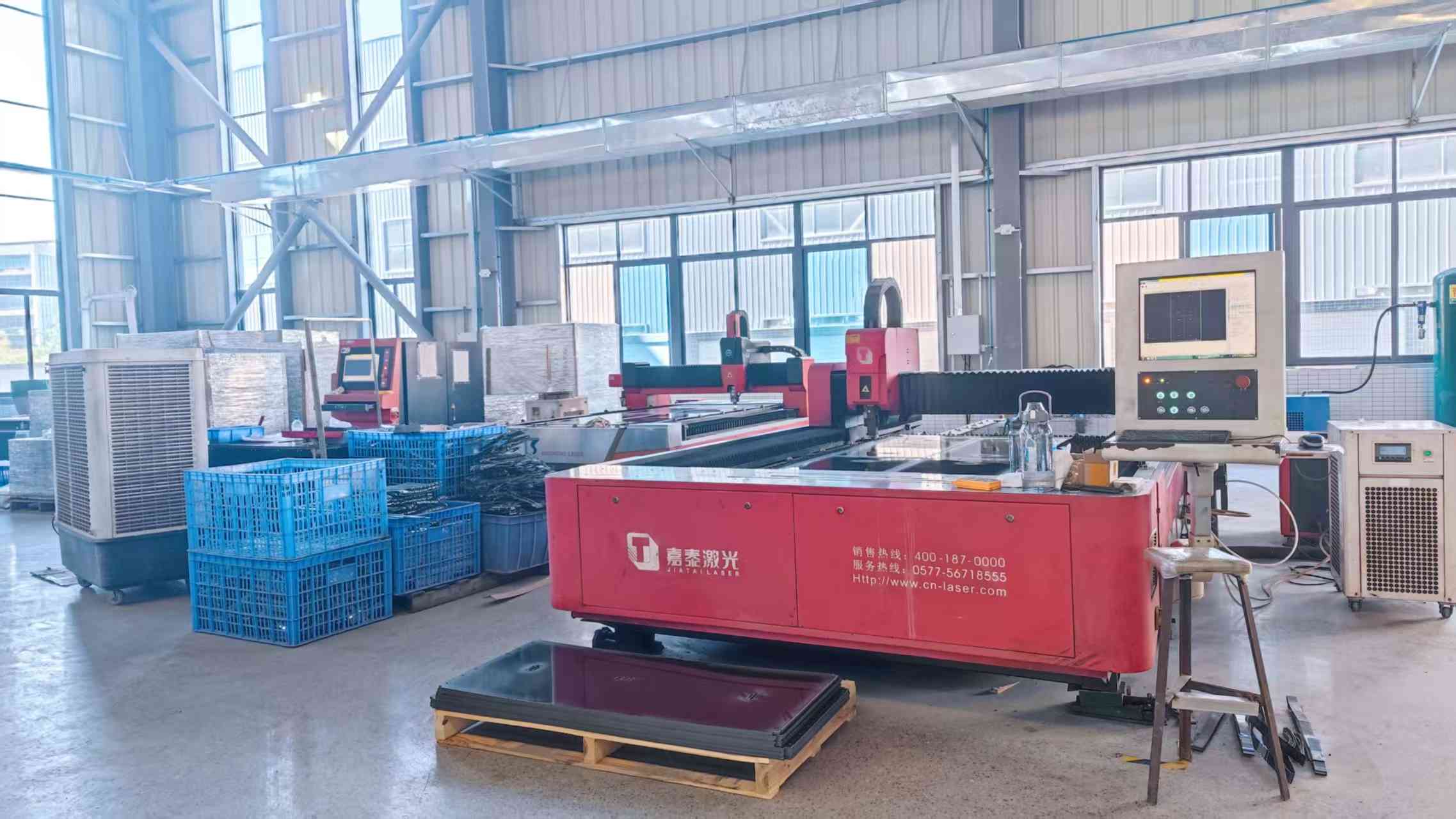
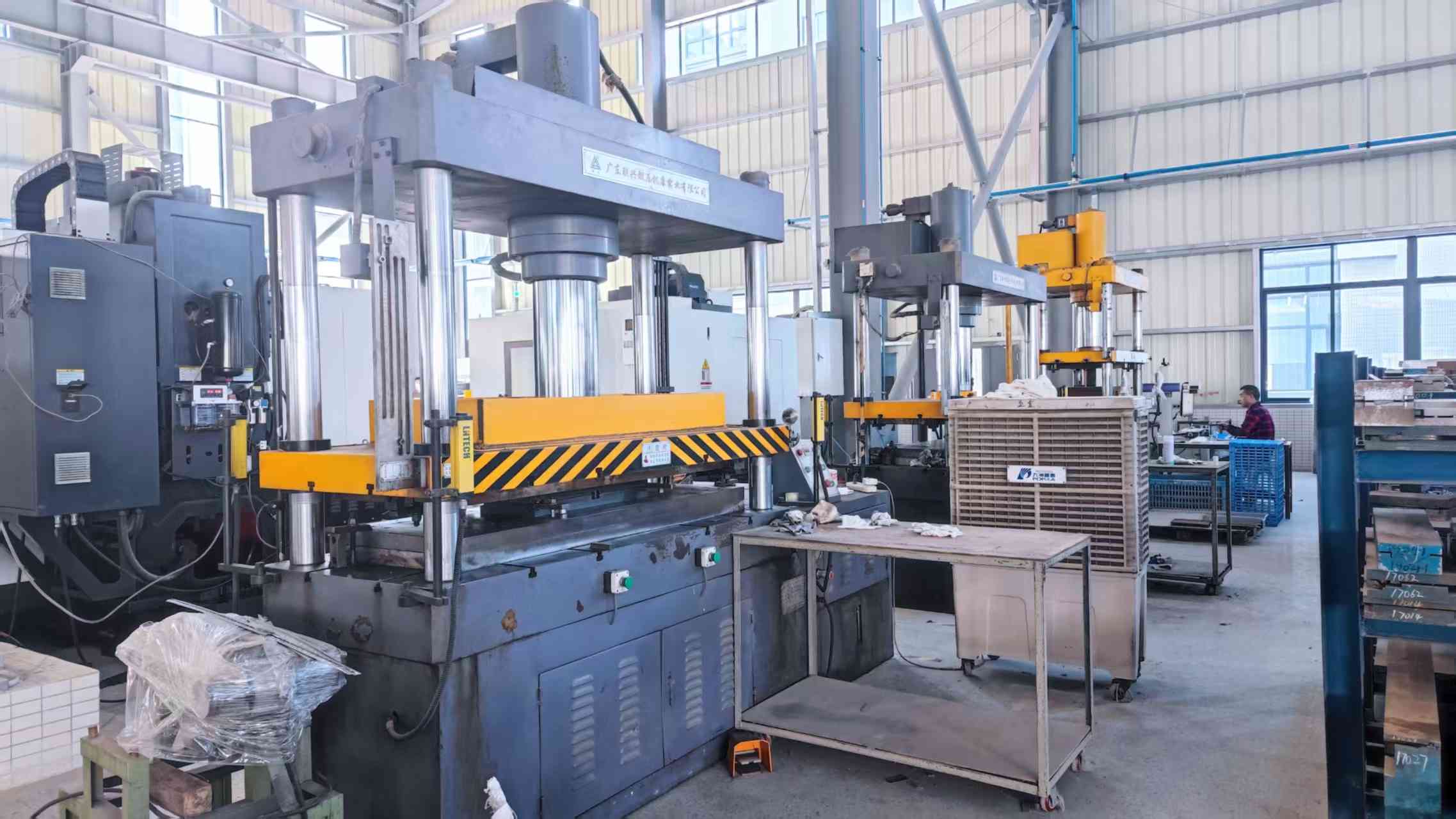
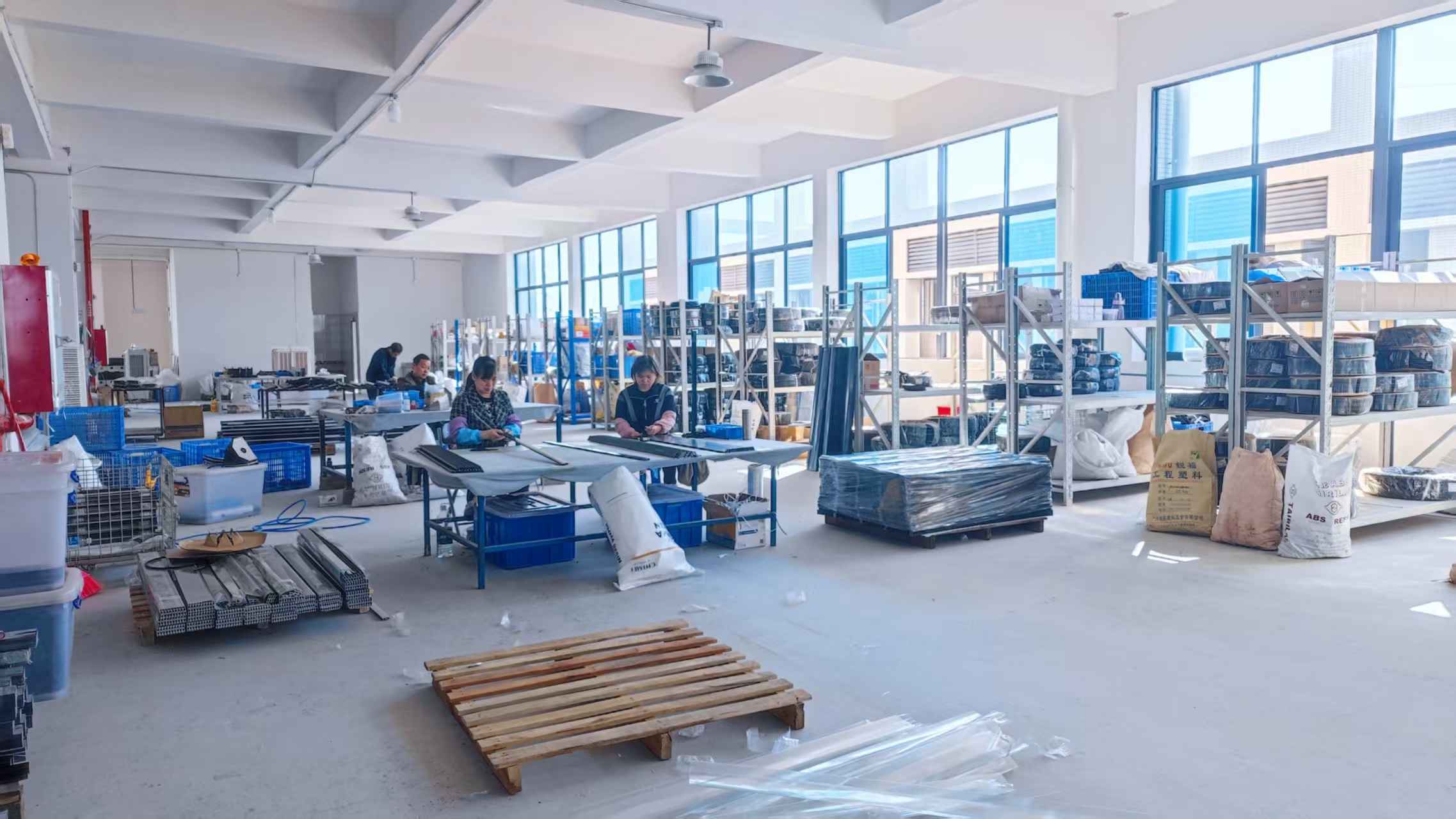
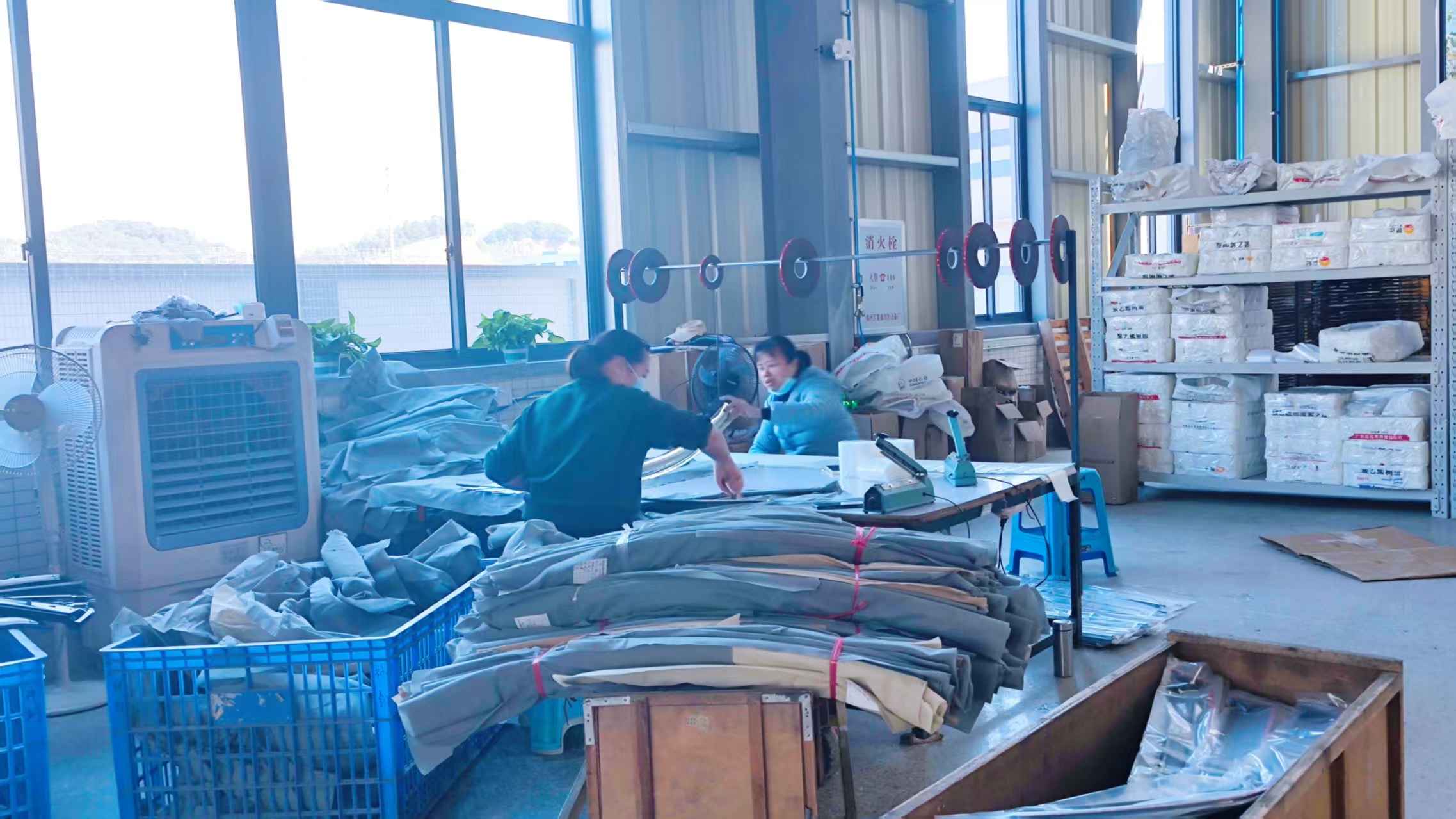
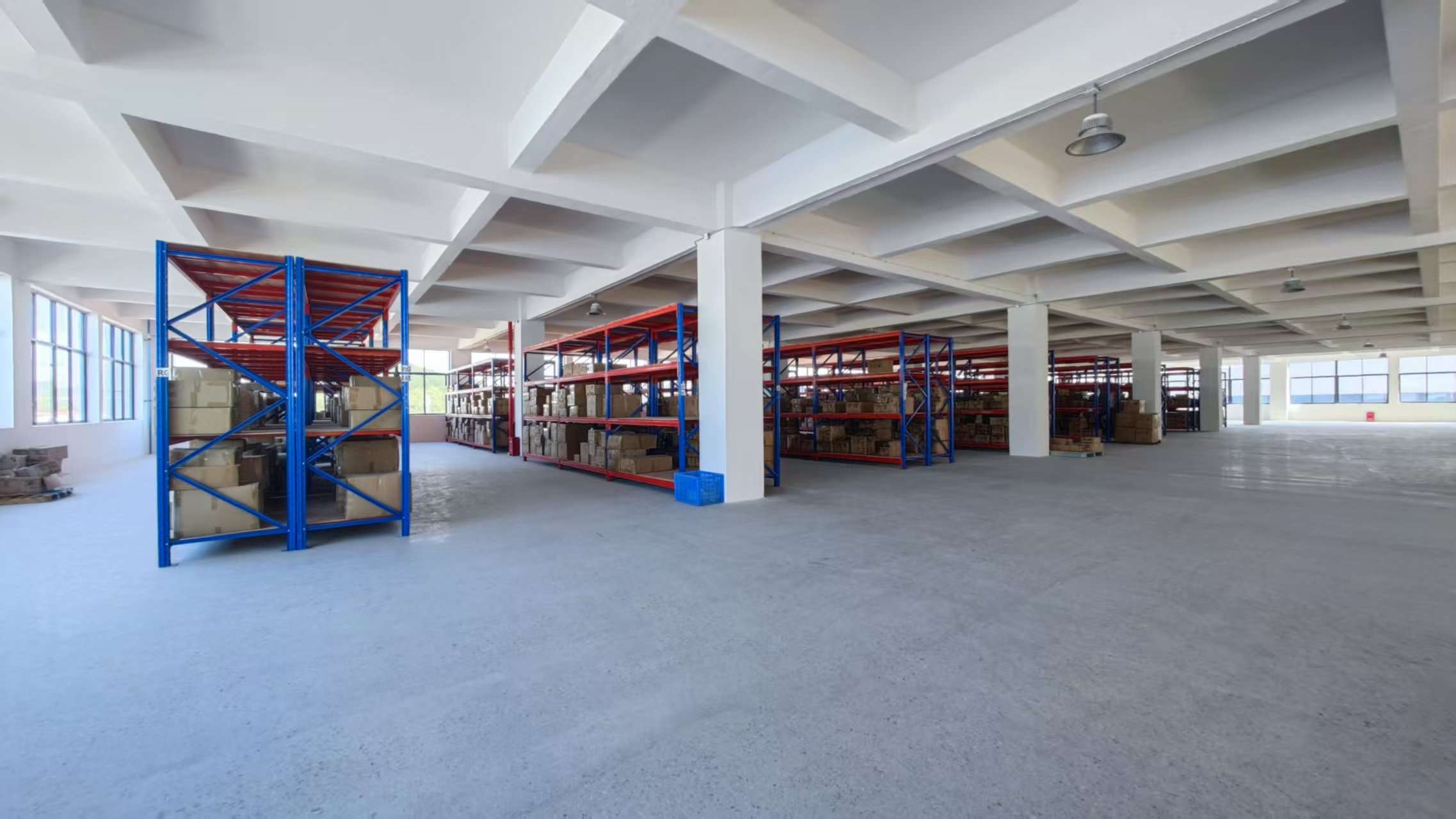
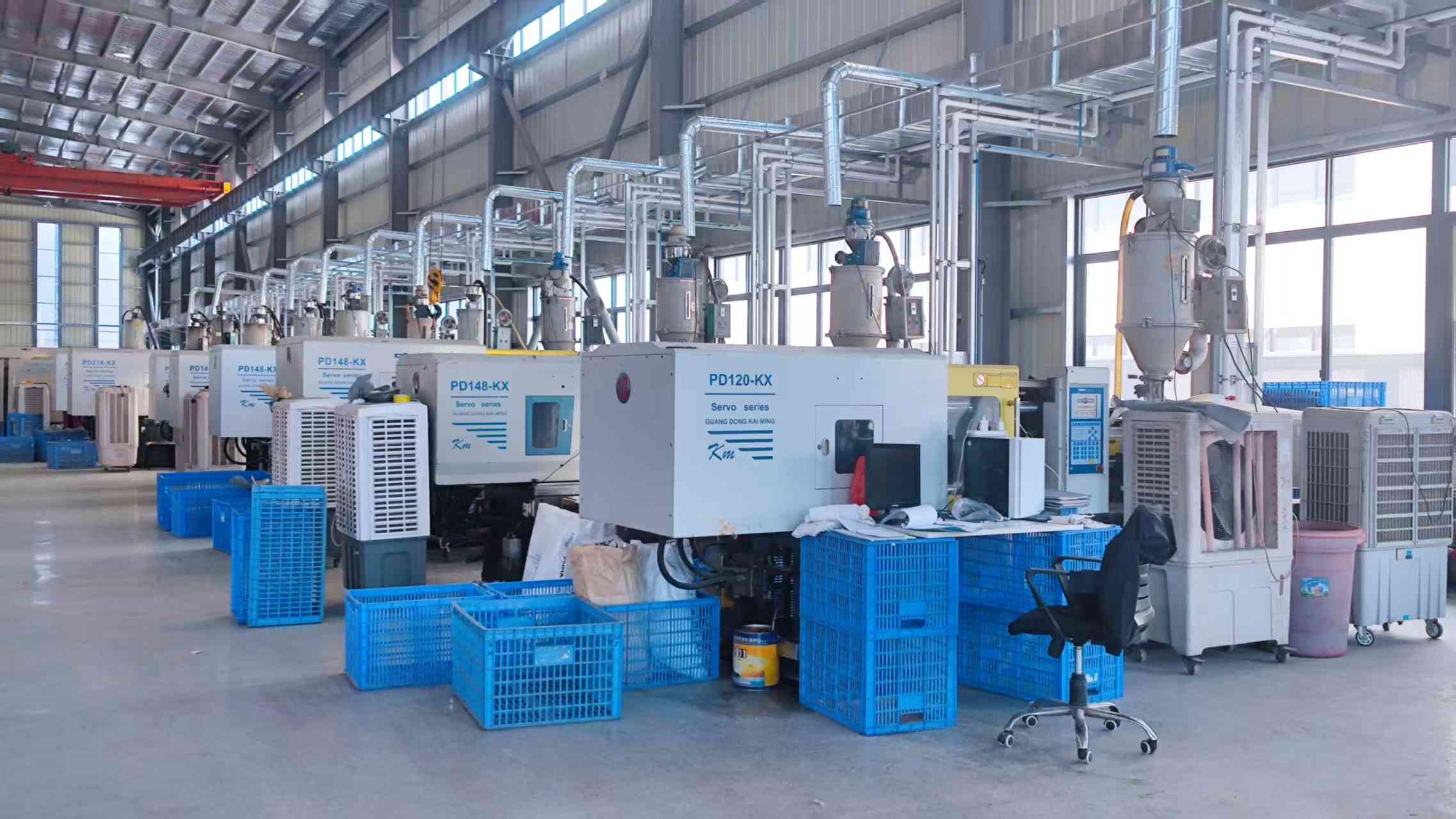
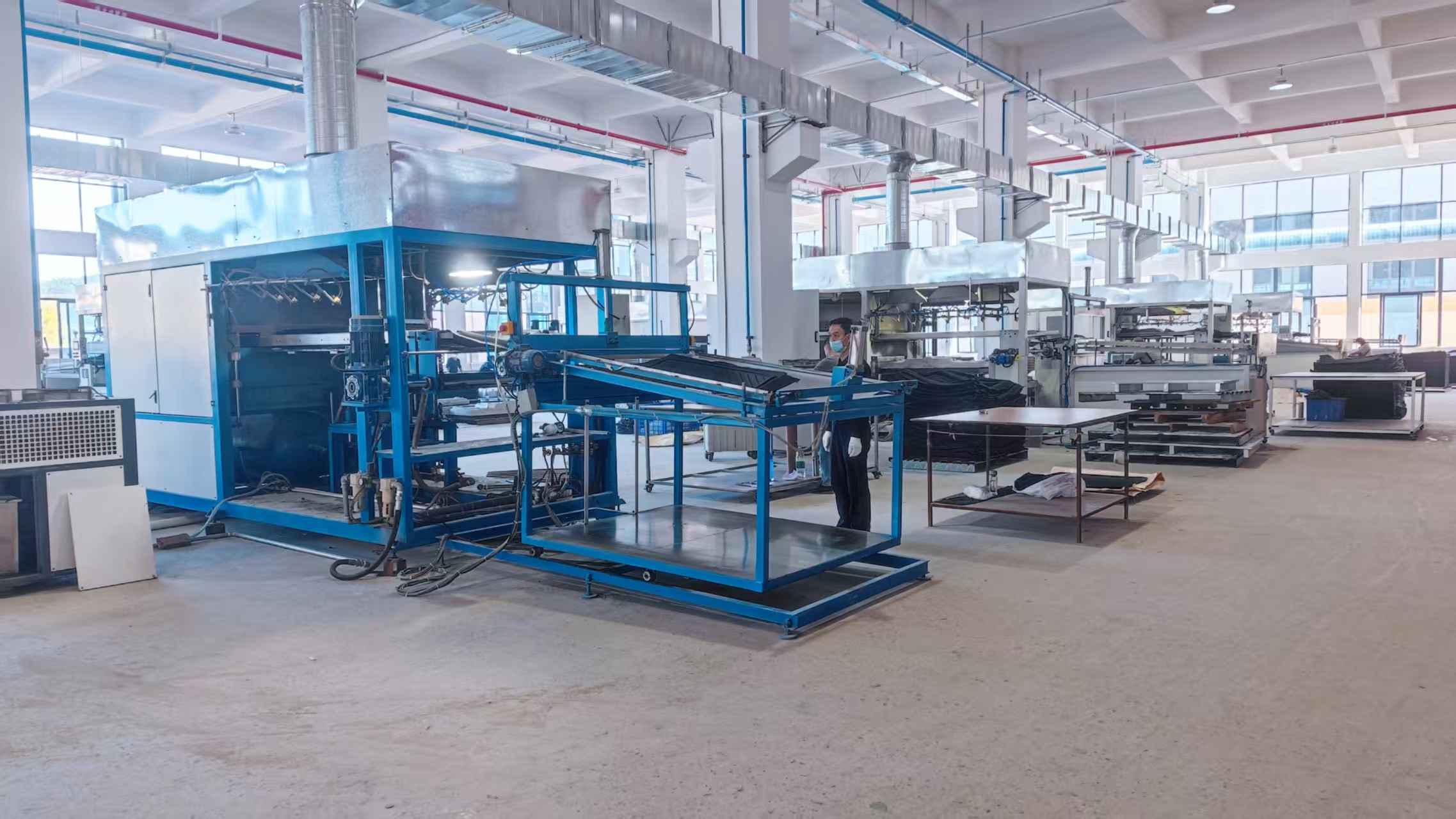
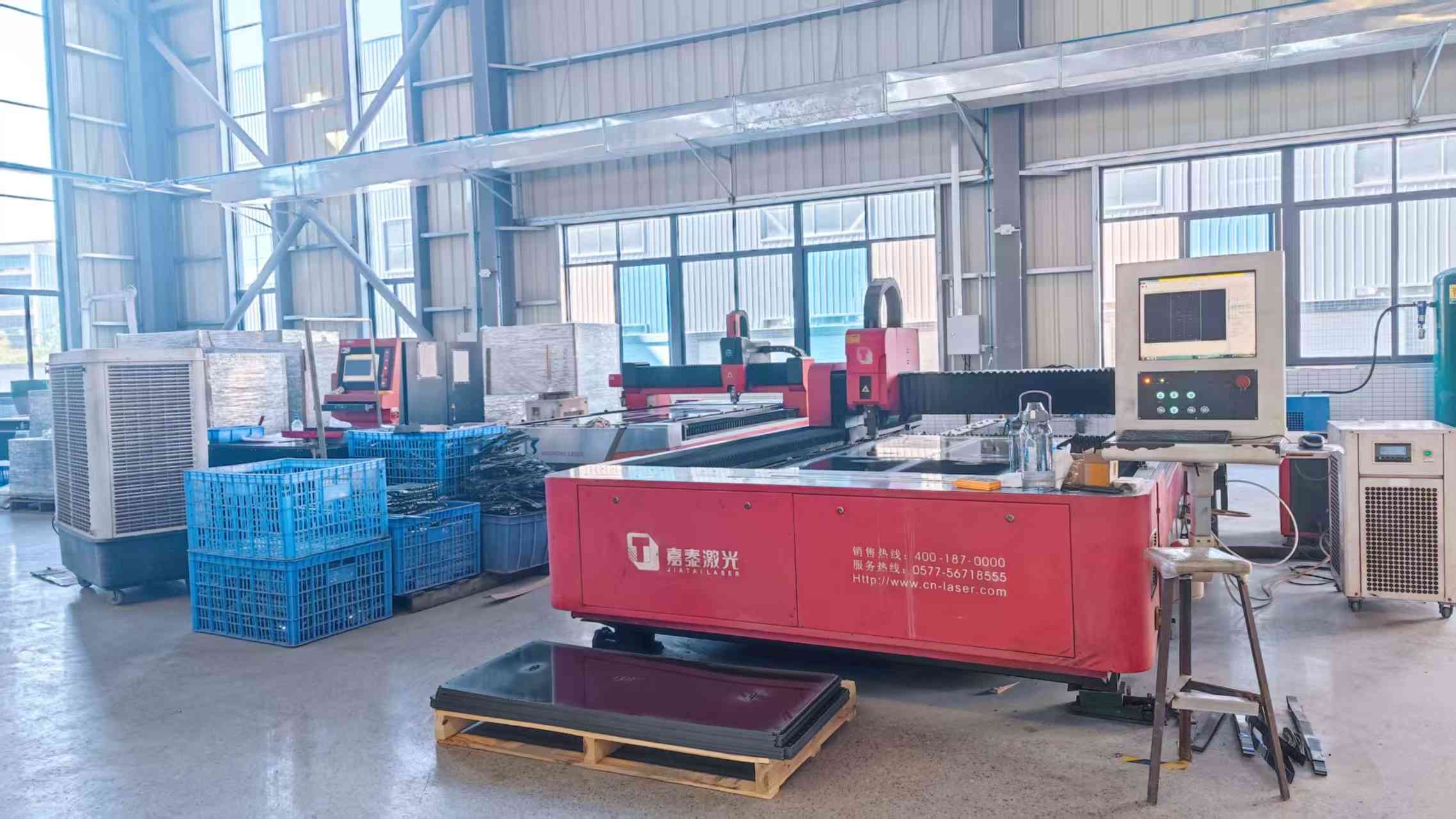
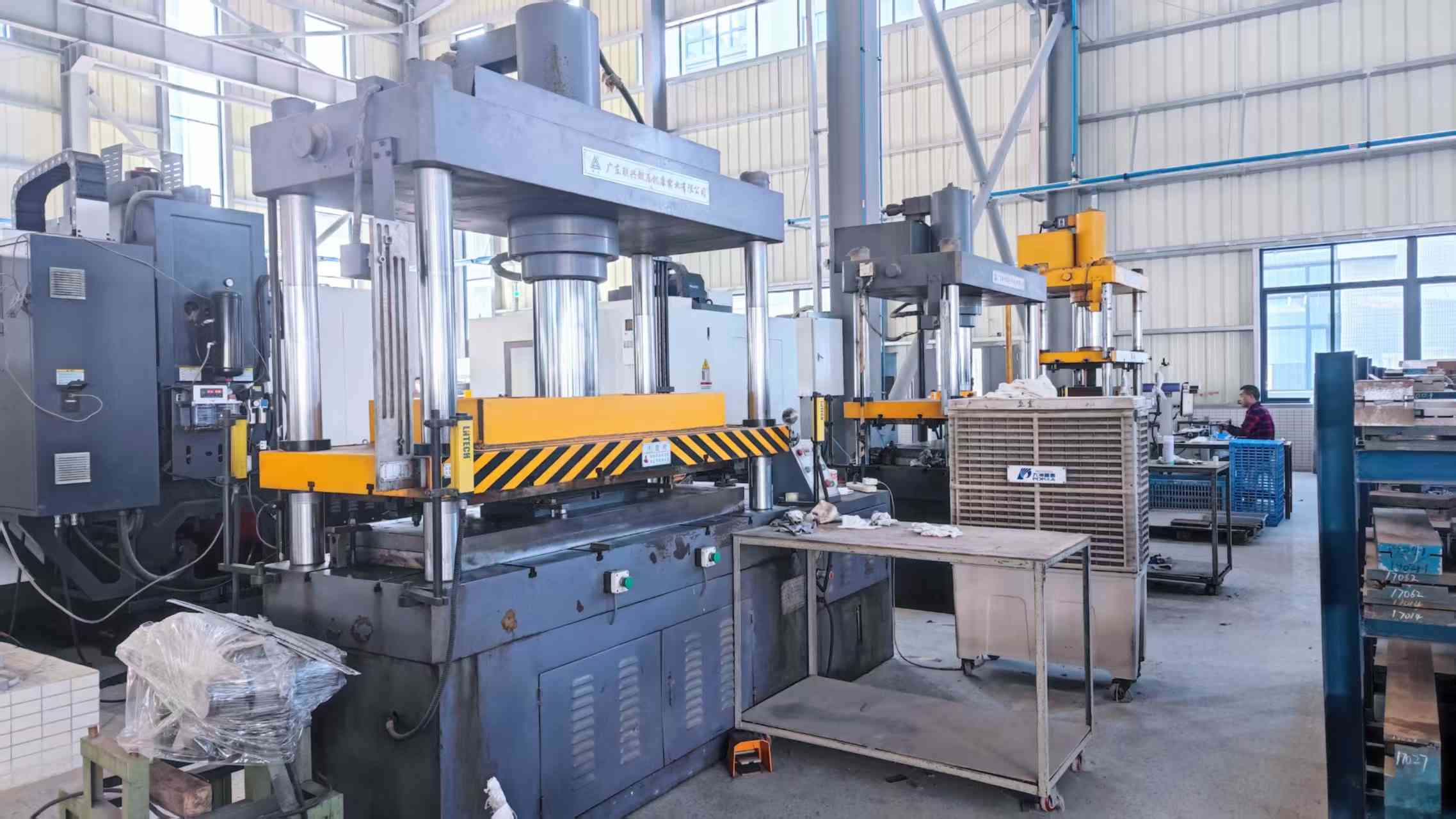
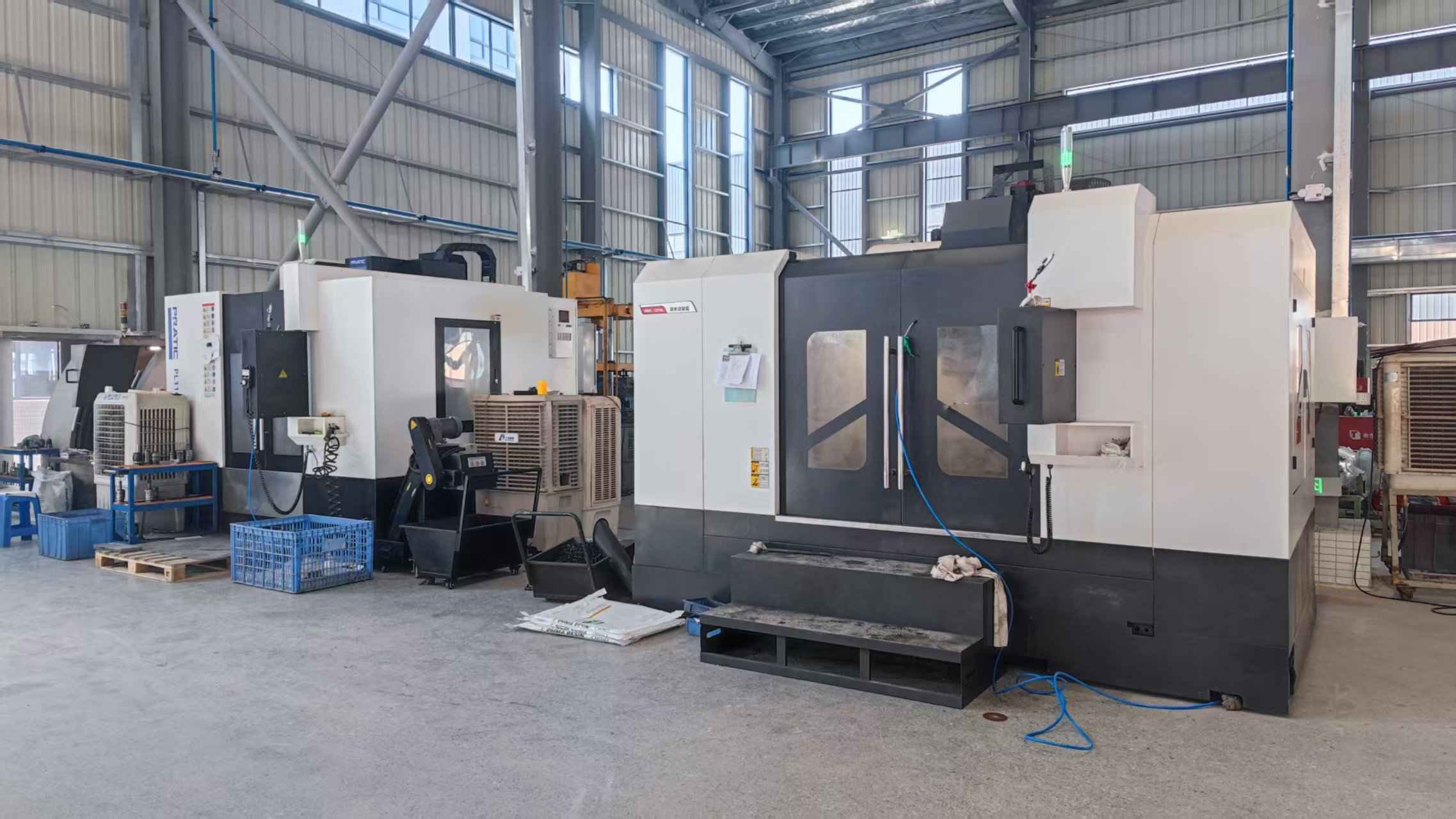
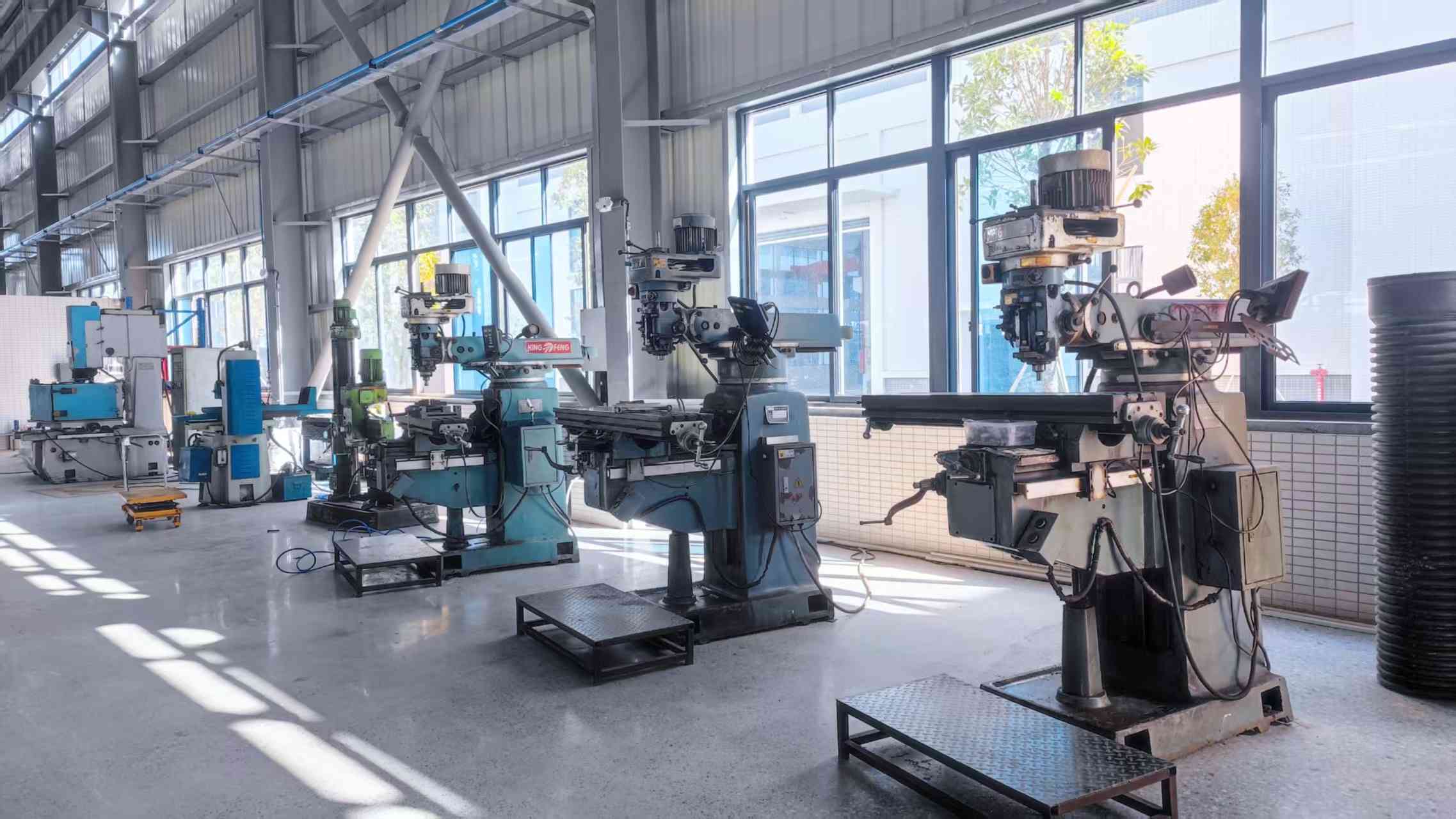
The manufacturing cluster of Guangzhou represents a global benchmark for automotive aftermarket hardware. In China, raw materials such as prepreg carbon fiber woven fabrics, TPE (Thermoplastic Elastomers), aerospace-grade aluminum, and automotive-grade PMMA are sourced directly from nearby premium suppliers. This geographic proximity drastically cuts transit times and reduces logistics overheads, allowing Molas Auto to provide competitive factory-direct pricing to our international partners.
Furthermore, our supply chain is highly resilient to geopolitical bottlenecks. By maintaining a large, climate-controlled warehousing system and a multi-layered material sourcing protocol, we insulate our production schedules from sudden price fluctuations and raw material shortages. Working with global shipping agents, we provide flexible FOB, CIF, or DDP delivery models that guarantee fast, reliable customs clearance and secure container transport to any port across South America, North America, Europe, the Middle East, and Asia-Pacific.
Direct integration with composite weave mills and premium polymer manufacturers reduces baseline costs by up to 25%.
Our on-site engineering team can modify injection and vacuum molding tools in days, accelerating time-to-market.
Fast access to Nansha and Shenzhen ports ensures container boarding within 48 hours of packaging completion.
As the automotive world pivots toward clean energy and advanced computer-aided aerodynamics, the custom racing accessory market is changing. Guangzhou Molas Auto is actively preparing for these changes through a clear, three-part technical roadmap:
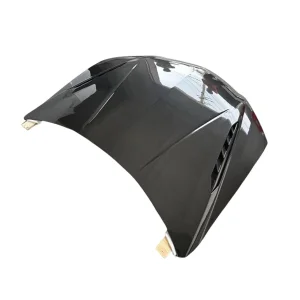
Traditional "wet" carbon fiber uses liquid resin hand-brushed onto fiber sheets, yielding a glossy finish that is heavy and prone to yellowing under high UV exposure. To overcome this, our production line uses a dry carbon autoclaving method. We pre-impregnate the carbon fibers with resin under high pressure and temperature. The result is a structure that is up to 60% lighter and significantly stronger, ideal for high-end components like the Performante style front hood bonnet for Lamborghini Urus or MP Style dry carbon fenders for BMW M2.
The electric vehicle revolution demands new aerodynamic designs to optimize energy efficiency and battery cooling. Our engineering team has expanded R&D to develop customized EV styling kits and performance accessories. This includes cooling duct channels, lightweight body panels for improved downforce, and portable charging solutions. A prime example is our APP 32A adjustable-current electric car mobile charger, designed for track-side charging of performance electric vehicles.
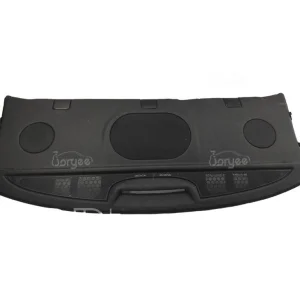
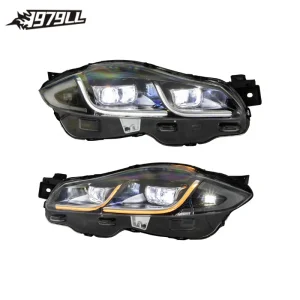
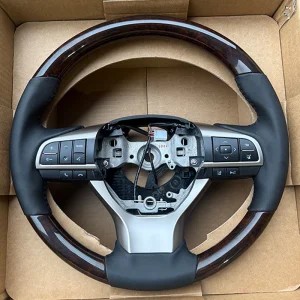
To guarantee perfect fitment on luxury vehicles like Maserati, Jaguar, and Lexus without needing modifications to the car's body, we use advanced 3D laser scanners. These scanners map the car's mounting points with an accuracy of within 0.05 mm. This data is then used in our CNC machining centers to build highly accurate molds. Our Volvo XC60 body kit upgrades and Maserati Quattroporte trunk cargo covers are designed this way, ensuring a clean, factory-like fit.
Racing accessories must perform consistently across various climates and driving conditions. By analyzing regional markets, Molas Auto tailors its material formulations to meet specific local needs:
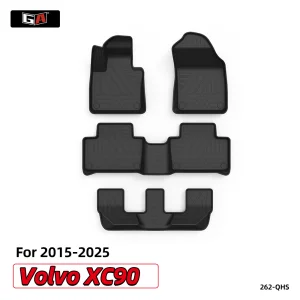
Alpine and Wet Environments (e.g., Scandinavia and Northern Europe): Extreme cold can make plastics brittle and crack under stress. For these regions, we use high-grade, flexible TPE (Thermoplastic Elastomers) for products like our 3D floor mats for the Volvo XC90. This material retains its shape and flexibility from -40°C to 120°C, providing durable protection against slush, mud, and road salt.
High-Temperature Desert Climates (e.g., Middle East & Northern Africa): High heat and strong sunlight can degrade composite resins and cause body panels to warp. We address this by applying a premium UV-resistant clear coat to all carbon fiber hoods, bumpers, and engine covers. This protective layer prevents yellowing, cracking, and fading, even in environments with high ambient temperatures and intense UV exposure.
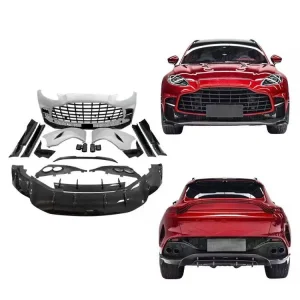
Urban Street & Professional Track Application (e.g., North American & East Asian Cities): Track-day enthusiasts require high-speed aerodynamic stability along with road compliance. Our lightweight carbon fiber body upgrades for the Aston Martin DBX707 and Urus optimize underbody airflow. This increases stability at high speeds without adding unnecessary weight to the vehicle.
Quality and reliability are critical for performance parts. A single component failure at high speeds can compromise safety. Because of this, Guangzhou Molas Auto Co., Ltd. implements a multi-stage quality control process for every production run:
Our factory processes meet ISO 9001 and IATF 16949 standards, the global benchmark for automotive manufacturing. Our testing procedures include:
We test our metals, coatings, and brake pads in corrosive conditions to verify long-term resistance to rust and oxidation.
Our bumpers and structural body parts undergo simulated impact testing to confirm high structural integrity and passenger safety.
Parts are exposed to extreme temperature variations to guarantee they will not warp, shift, or delaminate over time.
Additional premium automotive replacement components, luxury cabin styling upgrades, and specialty retrofitting kits for B2B buyers.
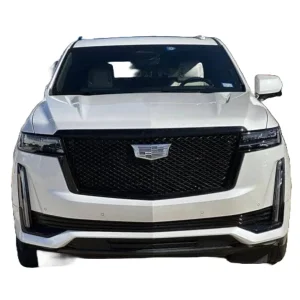
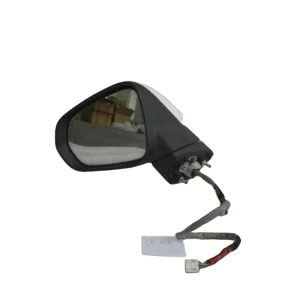
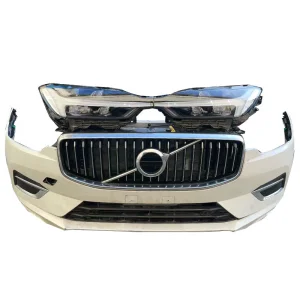
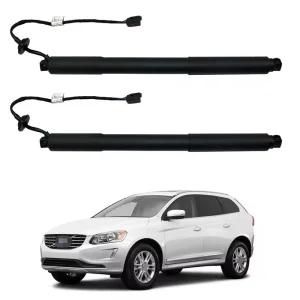
Find technical answers to common questions about our factory capabilities, custom tooling, material performance, and global shipping policies.
 Molas Auto