Molas Auto





1. Executive Summary & Global Automotive Procurement Landscape
Analyzing the shift in high-performance aftermarket supply and mechanical-to-structural engineering trends.
The global automotive aftermarket is undergoing a monumental paradigm shift. No longer limited to cosmetic enhancements and localized mechanical alterations, the segment for car performance enhancements has matured into a multi-billion-dollar global supply network characterized by high-precision manufacturing, structural lightweighting, and dynamic digitalization. Procurement managers, commercial fleet operators, and tuning enterprises worldwide are facing changing sourcing pressures. The rising demand for specialized components requires partners who can bridge the gap between high-volume output and boutique-level engineering accuracy.
According to recent automotive trade research, the global vehicle tuning and modifications market is projected to reach unprecedented valuations by 2030, driven by the expanding adoption of performance carbon-fiber structures, automated dynamic aerodynamics, and integrated micro-electronics (such as multi-spectrum interior ambient lighting systems). Regional markets in North America and Western Europe continue to command high margins for structural upgrades. At the same time, the Asia-Pacific region and the Middle East are experiencing rapid increases in the procurement of high-strength components and advanced aesthetics kits.
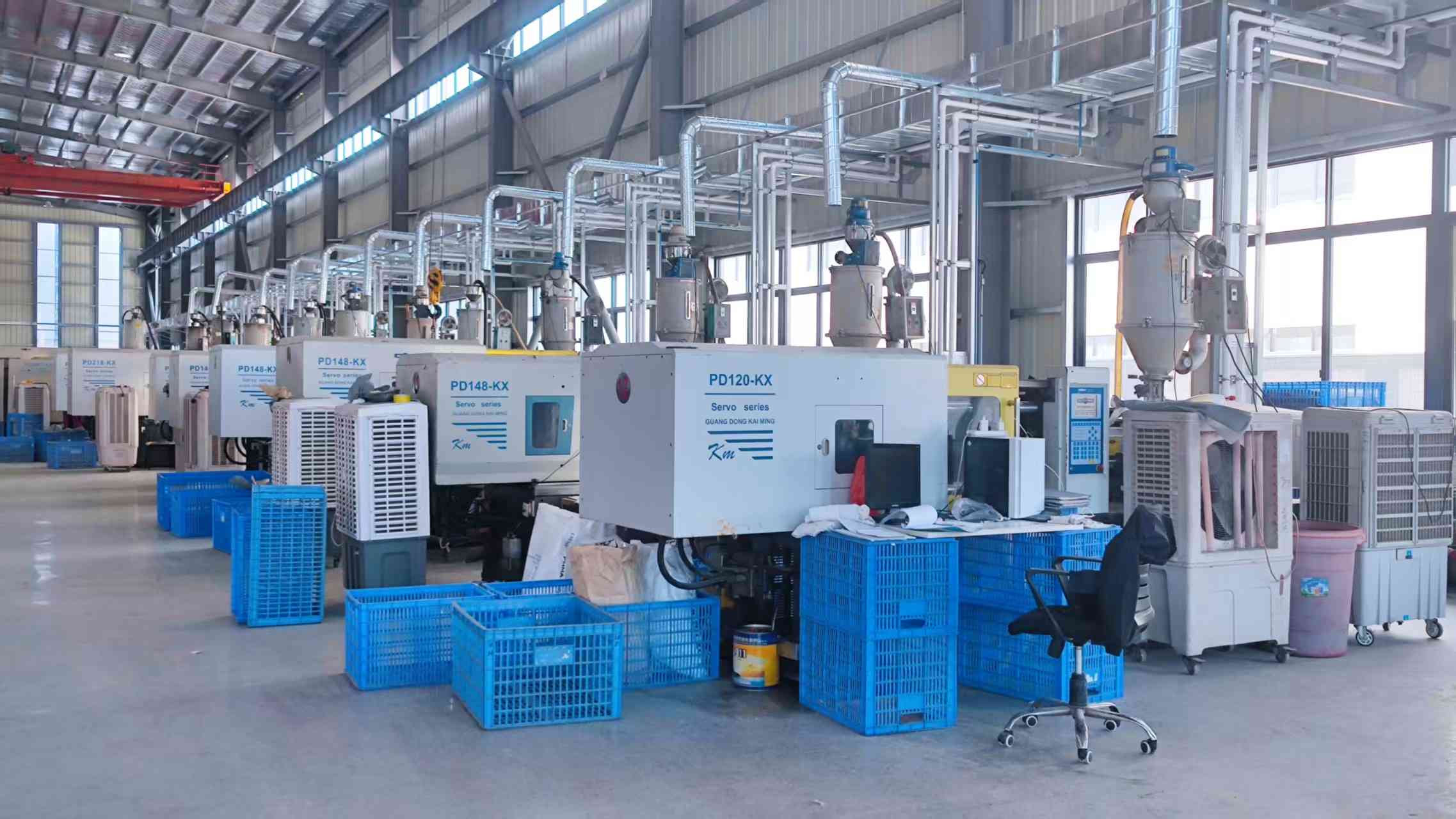
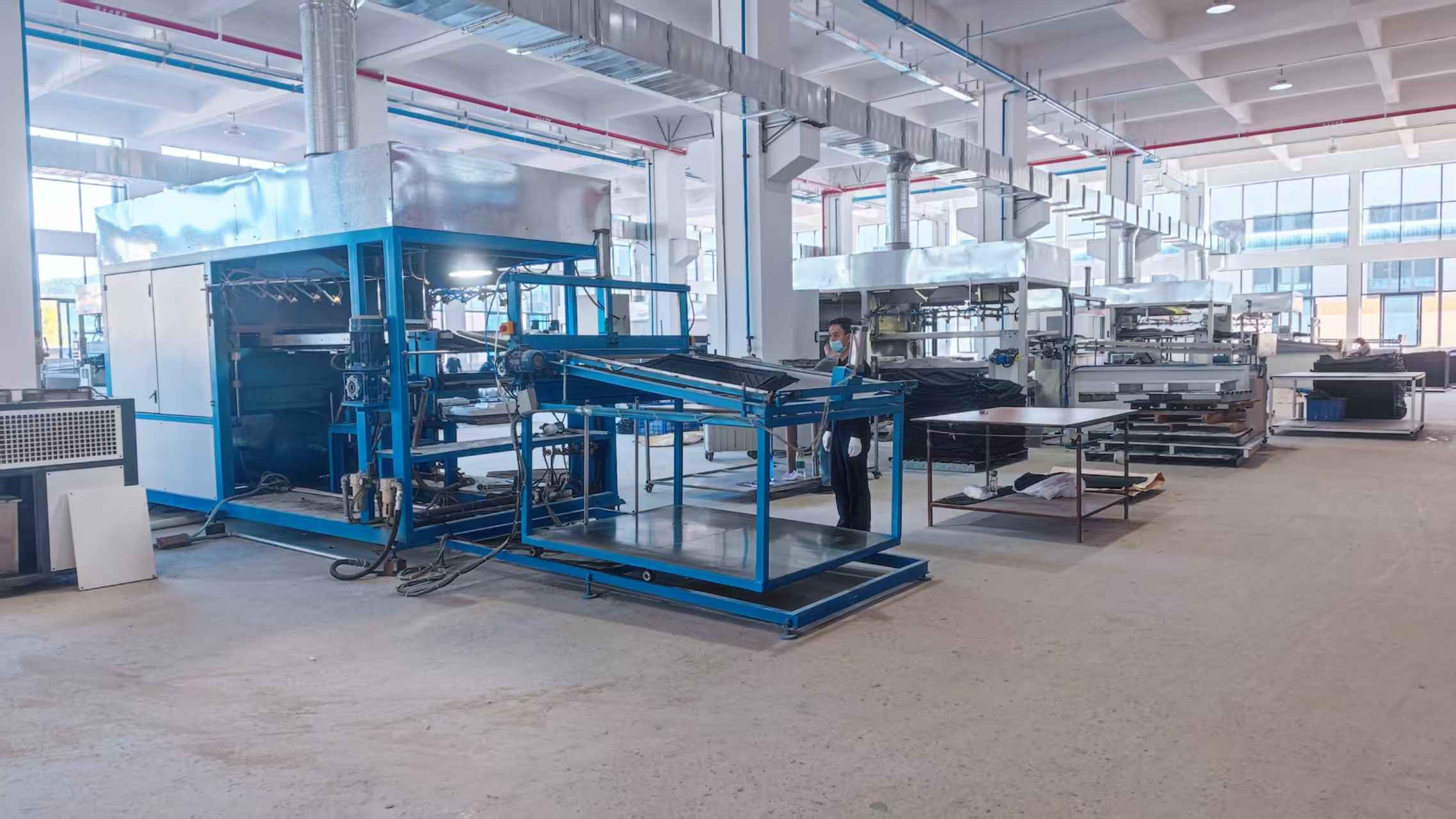
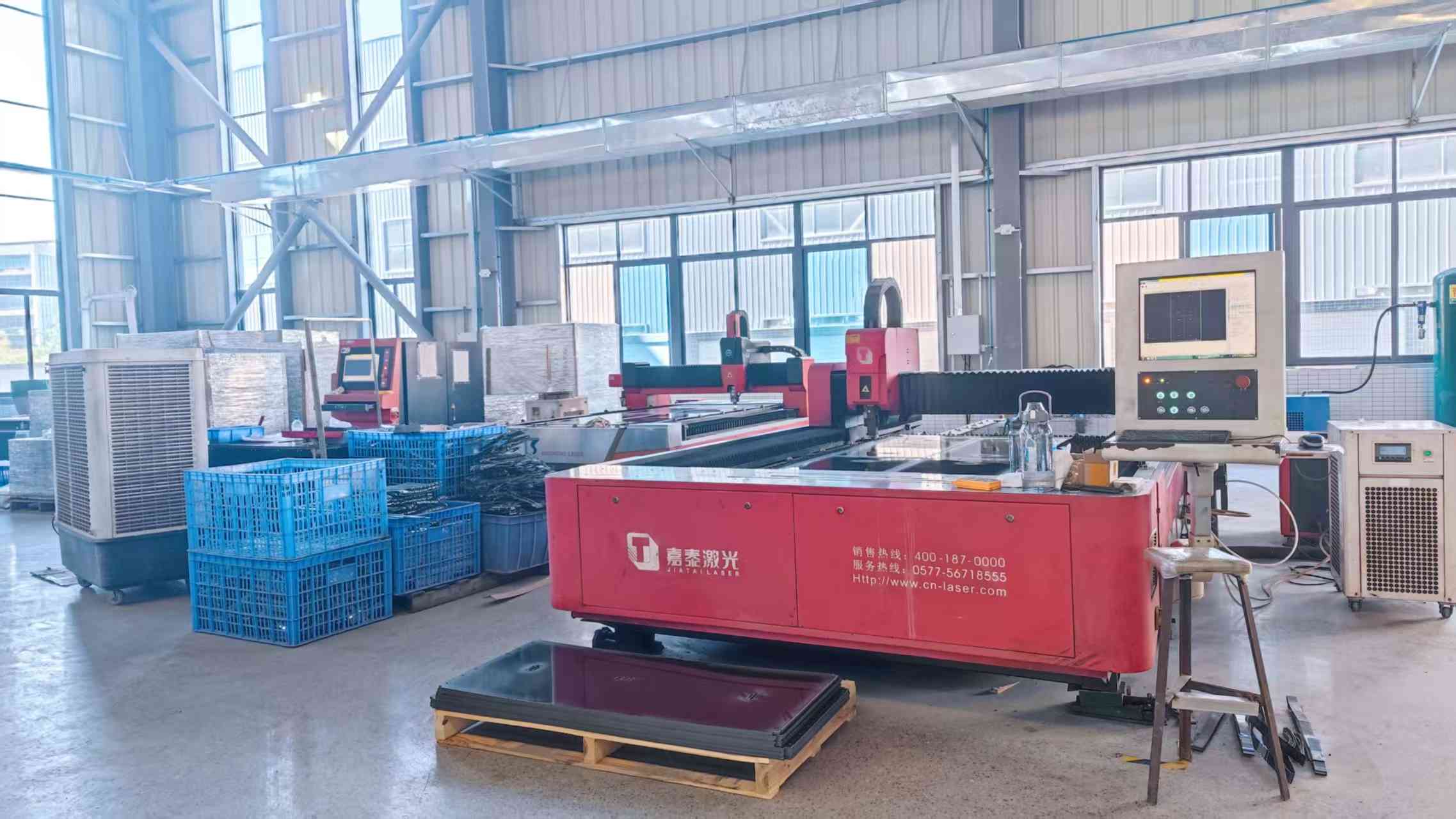
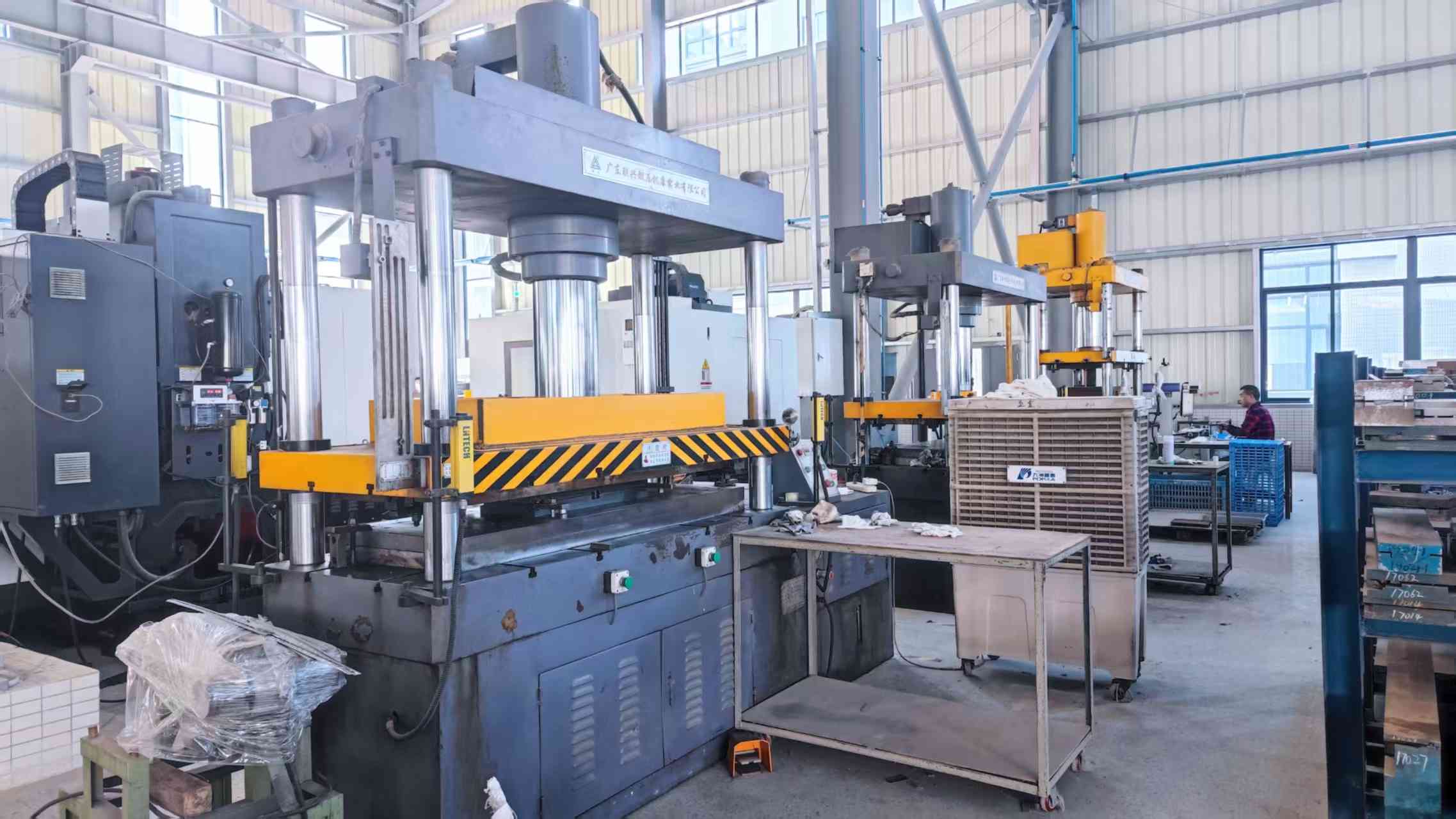
To navigate this highly competitive ecosystem, Tier-1 buyers and distributors require structured access to suppliers that demonstrate robust compliance frameworks, predictable lead times, and sophisticated manufacturing capacities—capabilities that are verified through international standards like ISO 9001 and IATF 16949.
Industrial Performance Metrics
"Information Gain in modern automotive procurement is defined by the depth of manufacturing transparency and empirical validation. Enterprises that source components with validated CAD precision, Finite Element Analysis (FEA) testing, and automated quality control can reduce integration failures by up to 92%."