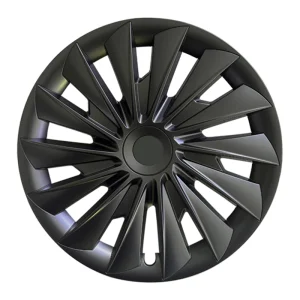
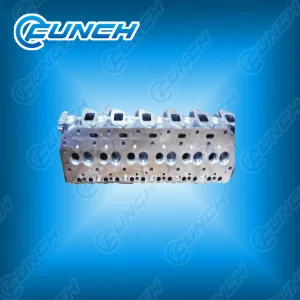
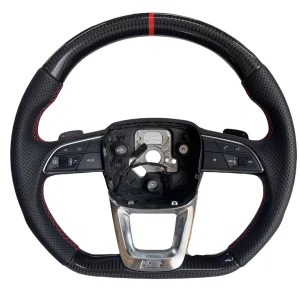
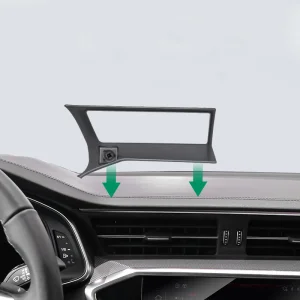
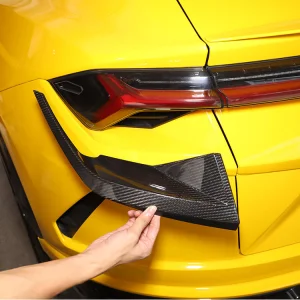
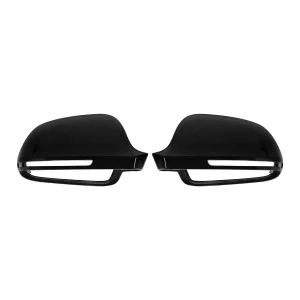
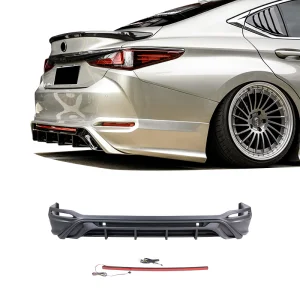
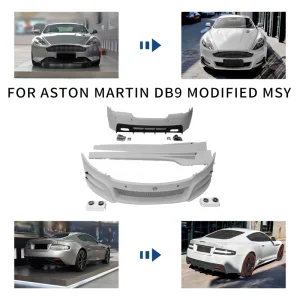
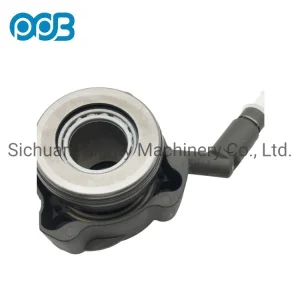
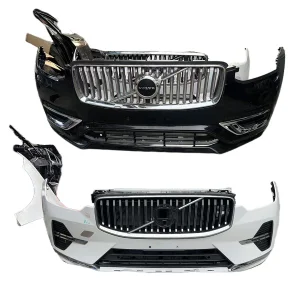
Featured OEM & Aftermarket Products Supporting Global Fleet Sourcing & Engineering Demands
Analyzing Structural Demands, Material Engineering, and Global Manufacturer Benchmarks
The automotive and heavy industrial manufacturing sectors are undergoing a significant paradigm shift. As environmental mandates such as the Euro 6d/Euro 7 standards and US EPA Tier 3 tighten criteria for particulate matter (PM), nitrogen oxides (NOx), and carbon dioxide emissions, the complexity of exhaust systems has escalated exponentially. Modern exhaust systems are no longer basic conduit channels for burnt fuel; they are sophisticated chemical reactors, thermal management barriers, and acoustics-tuning assemblies integrated directly with vehicle electronics and advanced diagnostics.
For international procurement directors, fleet operators, and industrial distributors, choosing the right manufacturer among the top global players requires a granular understanding of material sciences, manufacturing compliance, and localized supply-chain logistics. This whitepaper analyzes the baseline criteria of the top 10 exhaust systems manufacturers and exporters globally, details critical engineering trends, and highlights how advanced manufacturers like Guangzhou Molas Auto Co., Ltd. align with these high-tier benchmarks to deliver quality and value.
Global procurement relies heavily on the quality of raw alloys. Industrial exhaust systems require high-grade SUS304, SUS409, or Inconel superalloys to withstand temperatures exceeding 800°C while resisting corrosion from moisture and acidic exhaust condensates. Top manufacturers must guarantee structural lifespan through standardized salt-spray testing and thermal shock assessments.
Exhaust systems route through tight vehicle undercarriages. This demands CNC mandrel tube bending to prevent pipe diameter deformation, ensuring optimal backpressure. Furthermore, automated TIG/MIG welding and robotic laser welding prevent joint fatigue caused by continuous engine vibration and thermal expansions.
Modern consumers demand quiet cabins, while sporting vehicles require refined, aggressive acoustics. By designing complex internal baffles, expansion chambers, and utilizing premium fiberglass absorption packs, global factories fine-tune exhaust tones while optimizing flow rates and minimizing engine backpressure.
Navigating Decarbonization, Hybridization, and High-Efficiency Aftermarket Engineering
The transition toward sustainable transport is forcing manufacturers to optimize the thermal and catalytic efficiency of the exhaust tract. In modern configurations, the exhaust system functions as the primary platform for emission scrubbers, including Diesel Particulate Filters (DPF), Gasoline Particulate Filters (GPF), and Selective Catalytic Reduction (SCR) systems. Sourcing departments are now targeting exhaust suppliers who offer integrated canning solutions for catalyst substrates, demanding precise washcoat coatings of precious metals like platinum (Pt), palladium (Pd), and rhodium (Rh).
Every engine requires a specific level of backpressure to maintain low-end torque. However, excessive backpressure restricts exhaust gas expulsion at high RPMs, reducing fuel efficiency and overheating engine components. The top 10 global exhaust manufacturers resolve this balance by utilizing computational fluid dynamics (CFD) simulations to map the gas velocity vectors before physical production begins. This guarantees that internal muffler structures, resonator dimensions, and catalytic density are optimized for thermodynamic equilibrium.
With vehicle weight playing a major role in fleet fuel economy and EV range (in hybrid configurations), weight reduction has become paramount. Leading-edge manufacturers are substituting standard thick-walled carbon steel pipes with thin-walled, high-strength stainless steel alloys and titanium. Through advanced hydroforming processes, complex bends are manufactured with zero wall-thinning defects, saving up to 40% in total system weight compared to traditional castings.
Integrating Advanced Manufacturing, Sourcing Excellence, and Global Logistics Compliance
Guangzhou Molas Auto Co., Ltd. is a professional manufacturer and global supplier specializing in premium automotive parts and accessories. With years of industry experience, we focus on providing high-quality replacement and aftermarket parts for leading European vehicle brands, including Mercedes-Benz, BMW, Land Rover, Audi, Porsche, and other luxury automotive brands.
Based in Guangzhou, China, Molas Auto integrates manufacturing, sourcing, quality control, and international trade services to deliver comprehensive automotive solutions to customers worldwide. Supported by our advanced production facilities, experienced engineering team, and efficient supply chain management system, we are able to meet diverse customer requirements with reliable products and customized solutions.
We are committed to supplying a wide range of automotive components, including engine parts, suspension parts, steering systems, cooling systems, electrical components, body parts, and other related accessories. Every product undergoes strict quality inspection procedures to ensure stable performance, durability, and compliance with international standards.
Over the years, Molas Auto has established long-term business relationships with customers across South America, Europe, the Middle East, Southeast Asia, Africa, and other international markets. Our reputation is built on product quality, competitive pricing, timely delivery, and professional customer service.
With a customer-oriented approach, we continuously invest in product development, technical innovation, and service improvement. Our experienced sales and technical support teams are always ready to provide professional assistance, helping customers identify the right products and achieve greater business success in their local markets.
Extensive experience in European vehicle spare parts supply and custom engineering.
Optimized material supply chain and lean manufacturing lowers production costs.
Comprehensive inspection protocols including flow modeling and stress tests.
Direct shipping access from Guangzhou's major ports ensures rapid lead times.
Capable of engineering bespoke designs from CAD files or mechanical samples.
Dedicated account managers fluent in global business protocols and trade compliance.
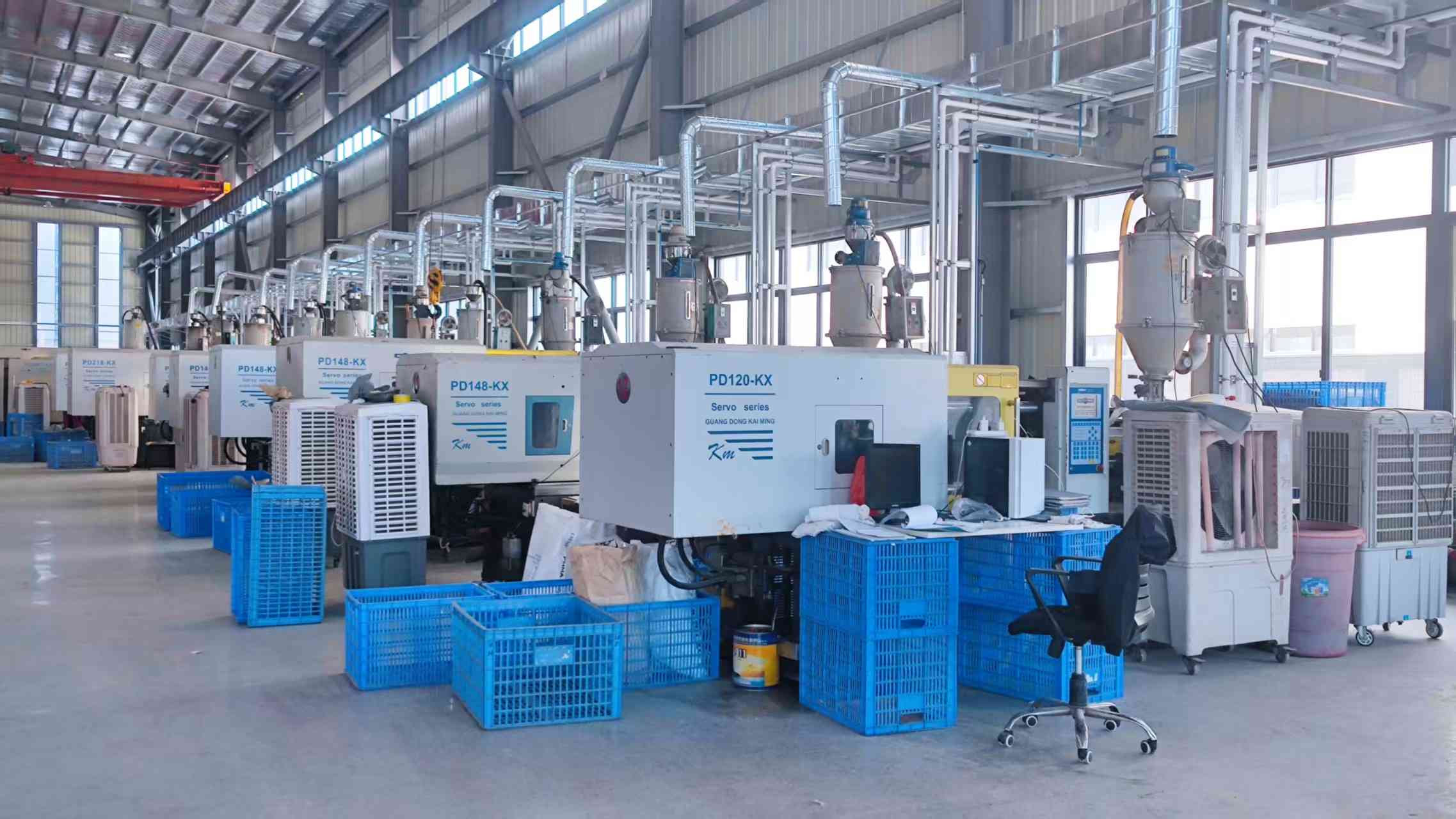
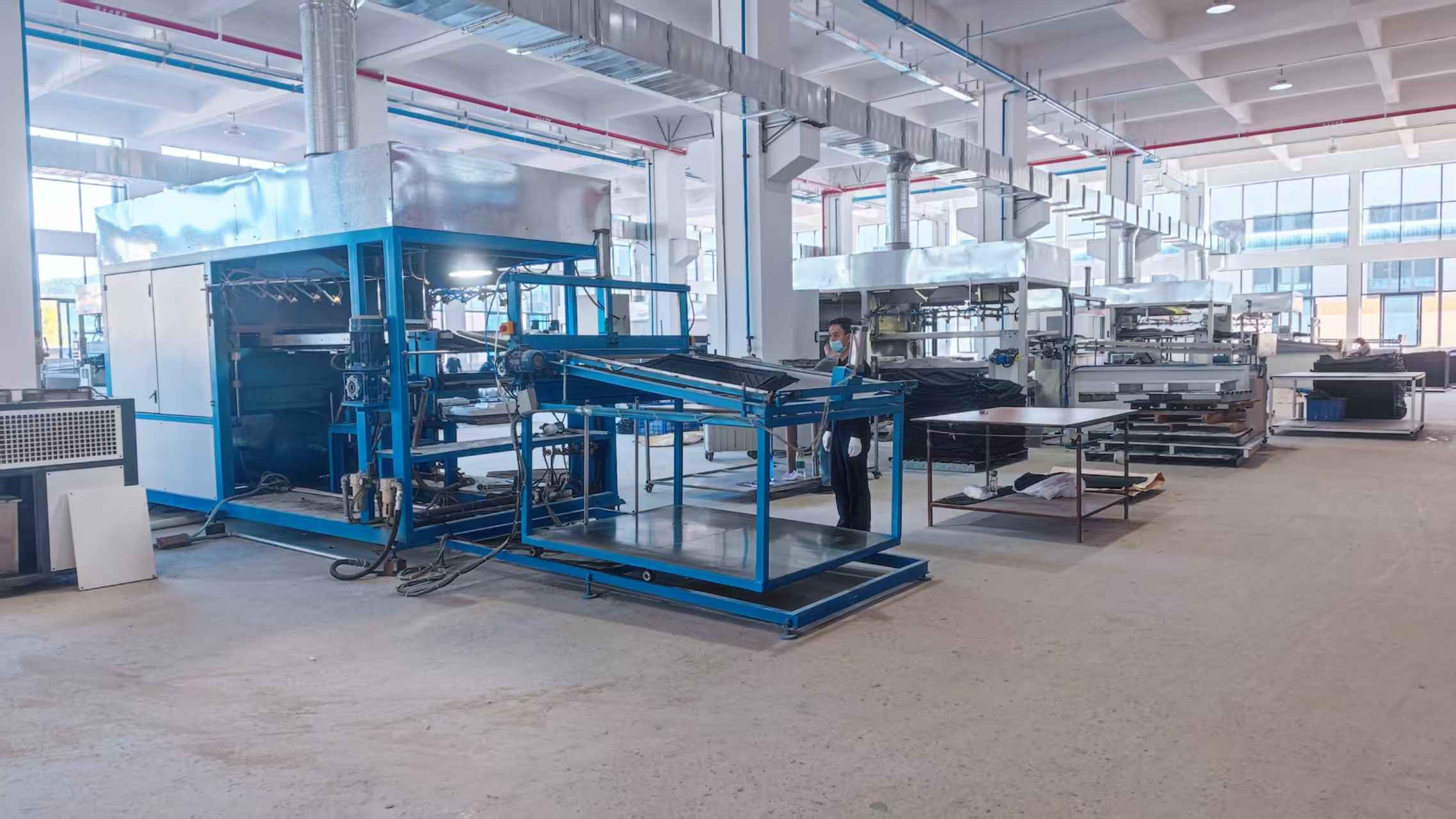
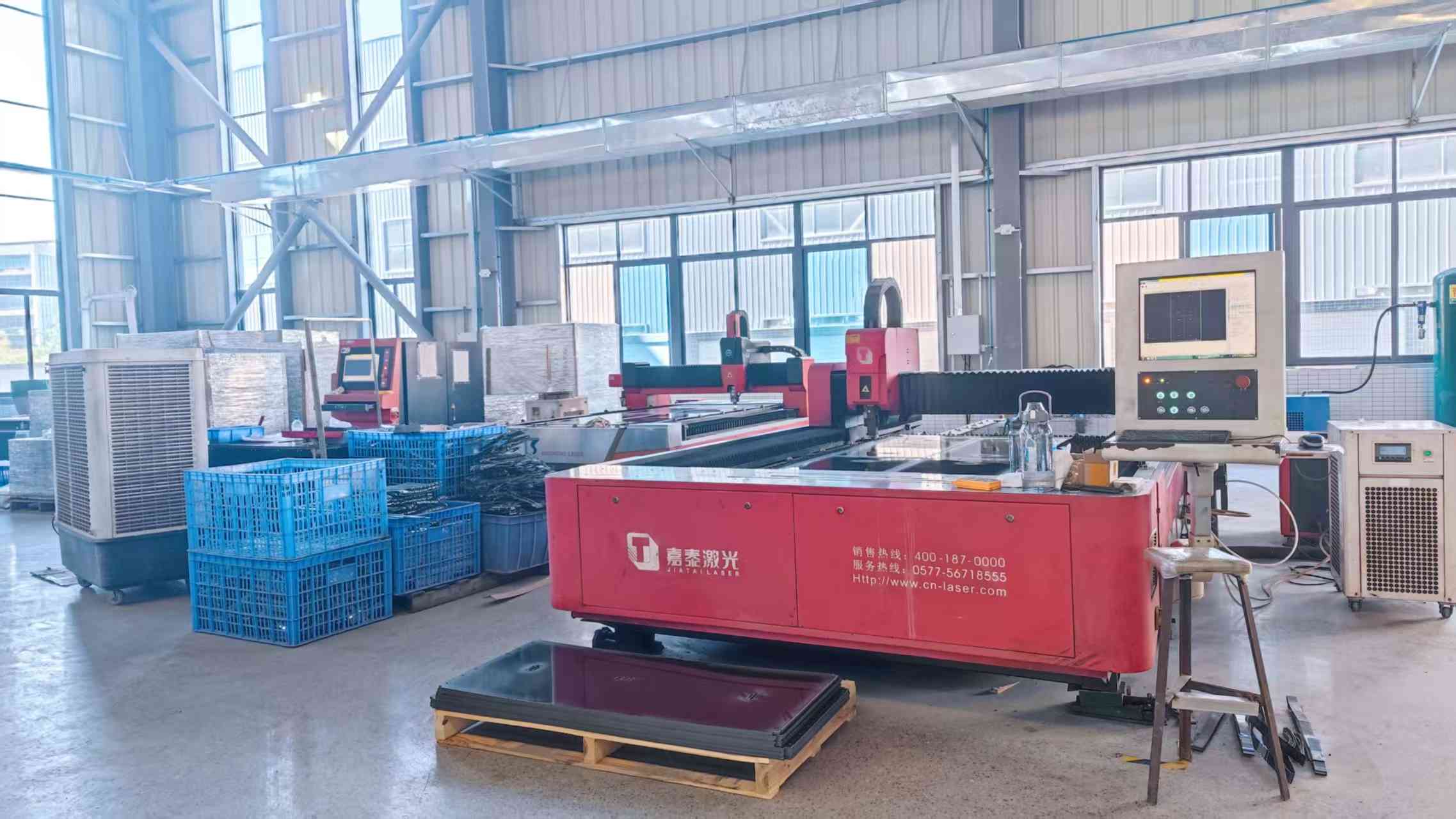
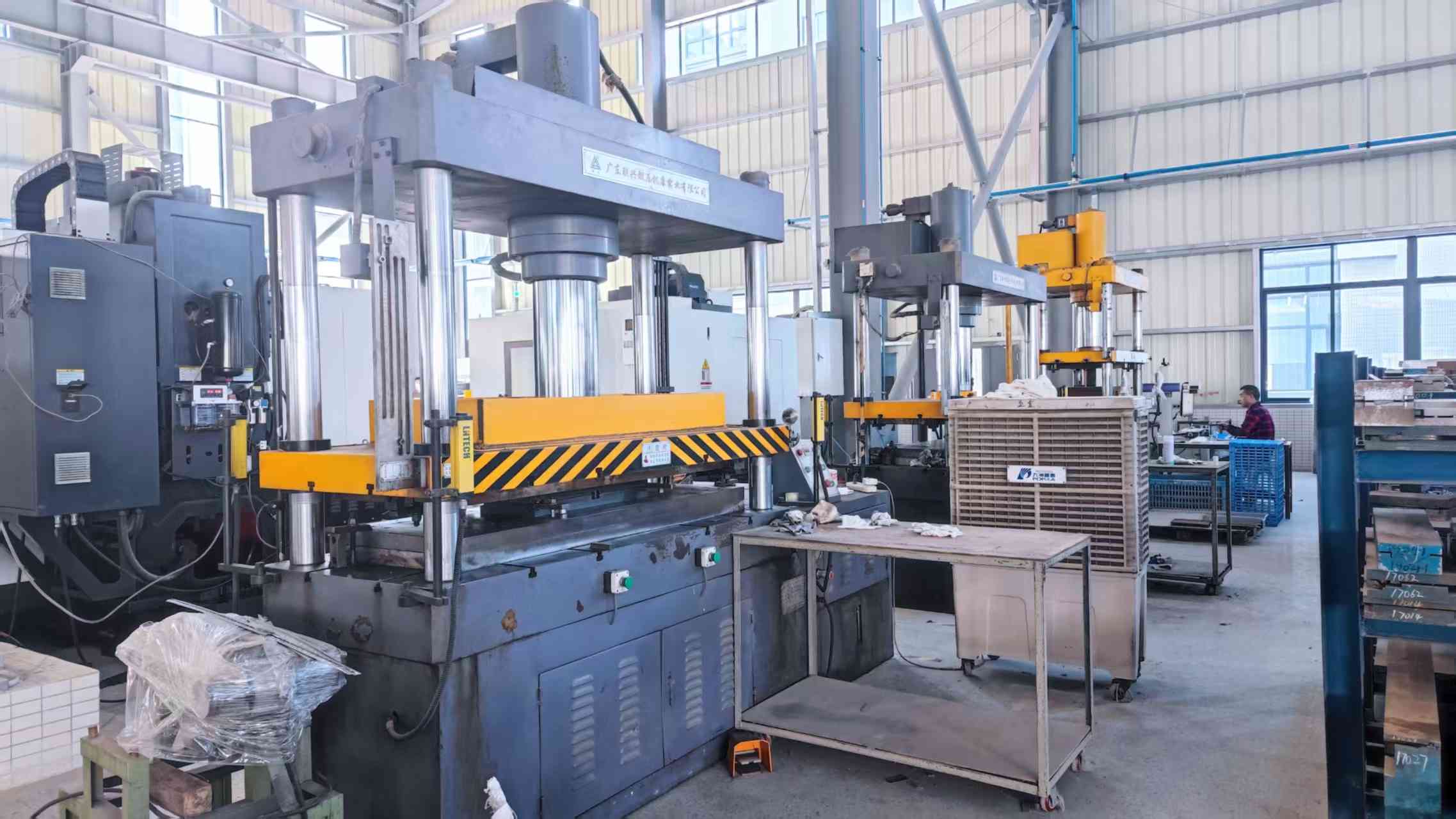
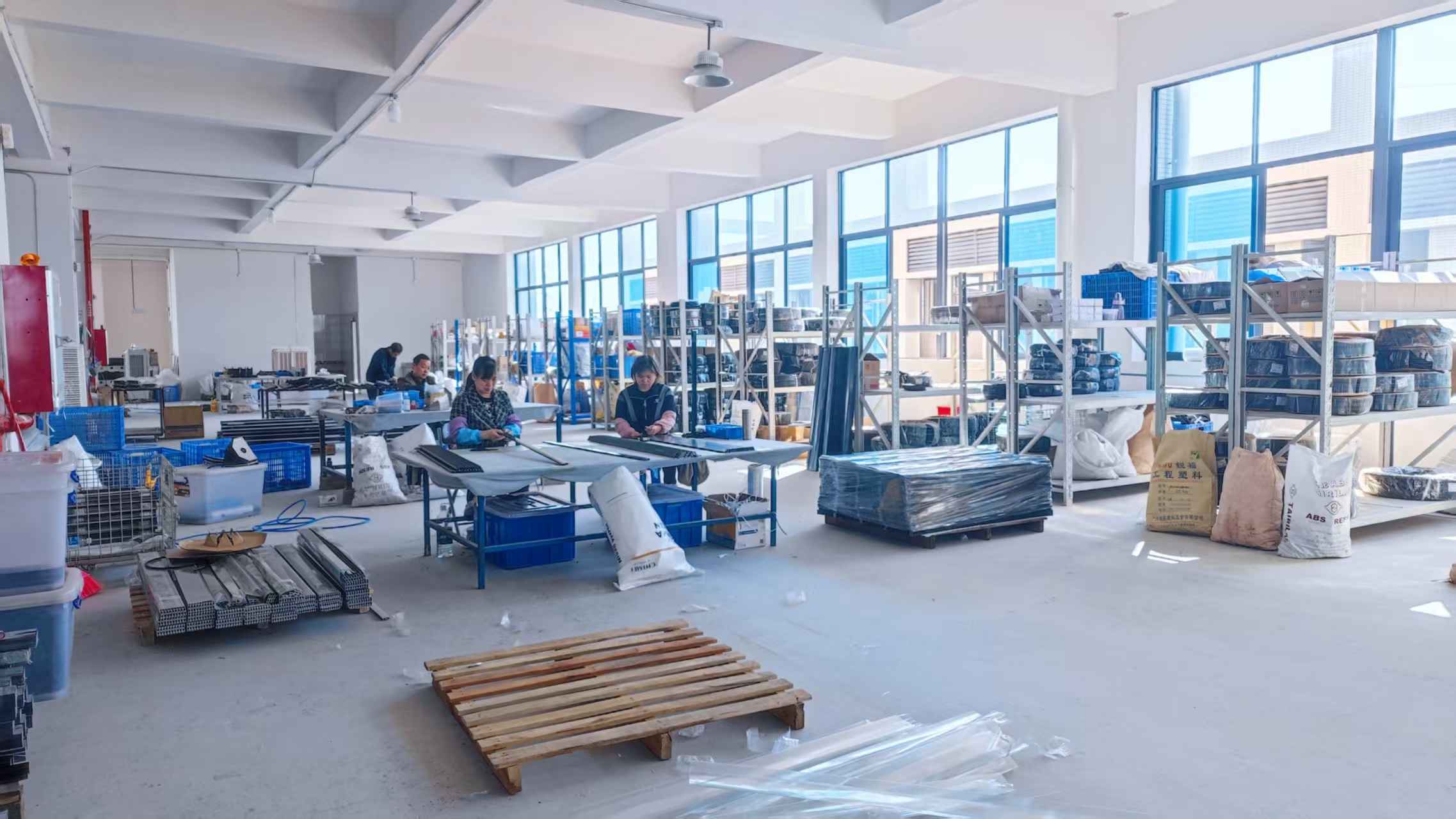
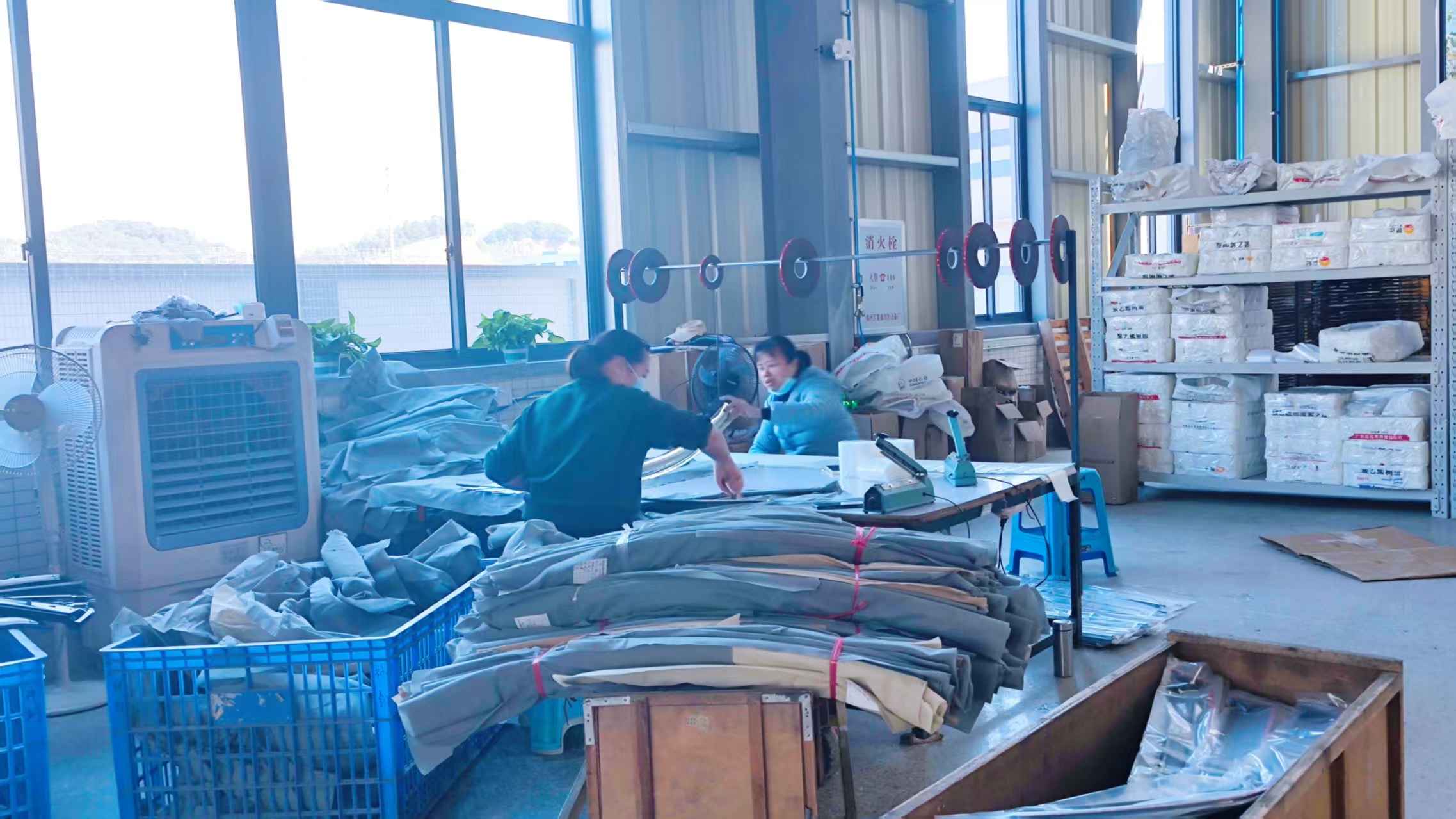
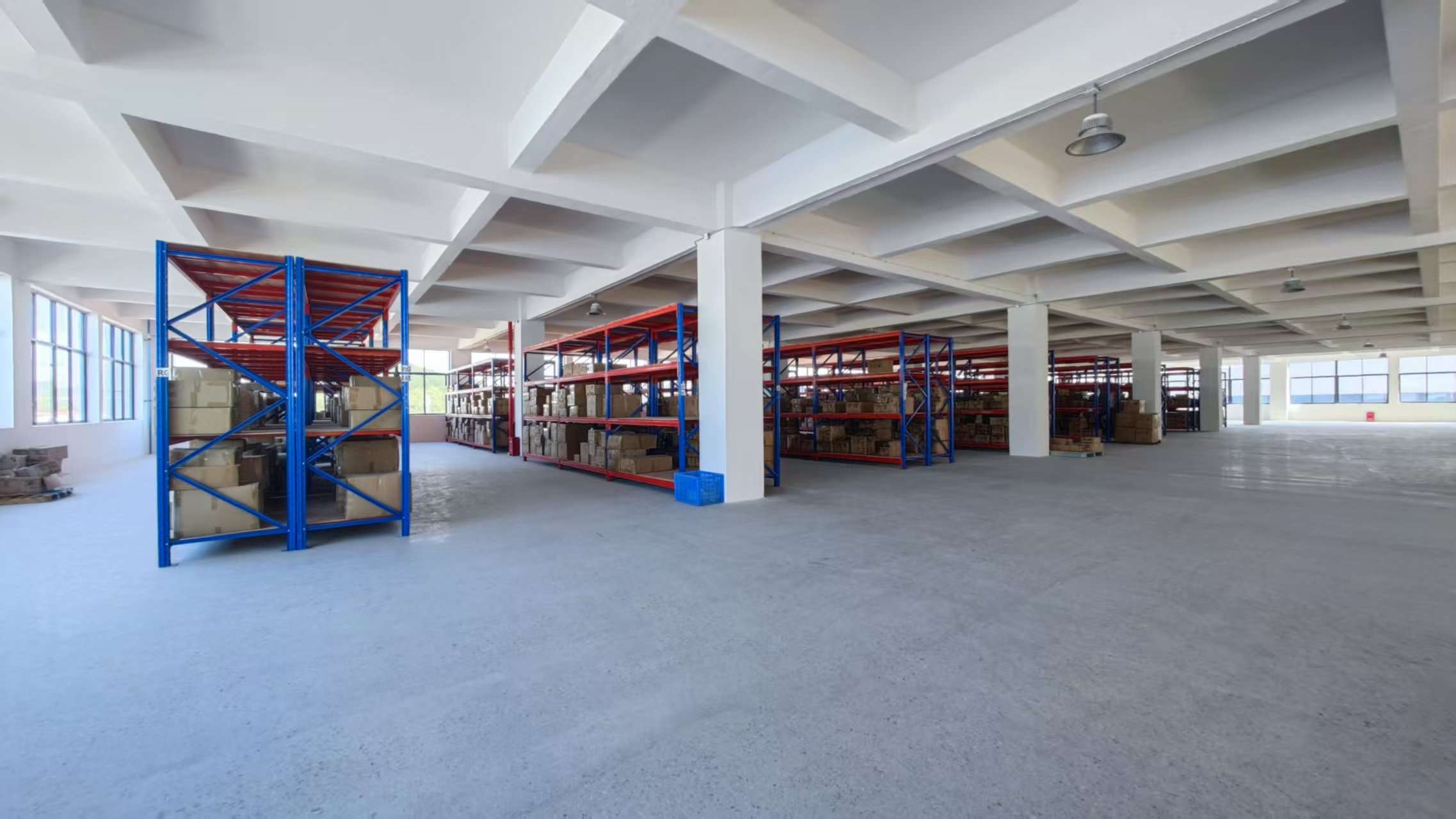
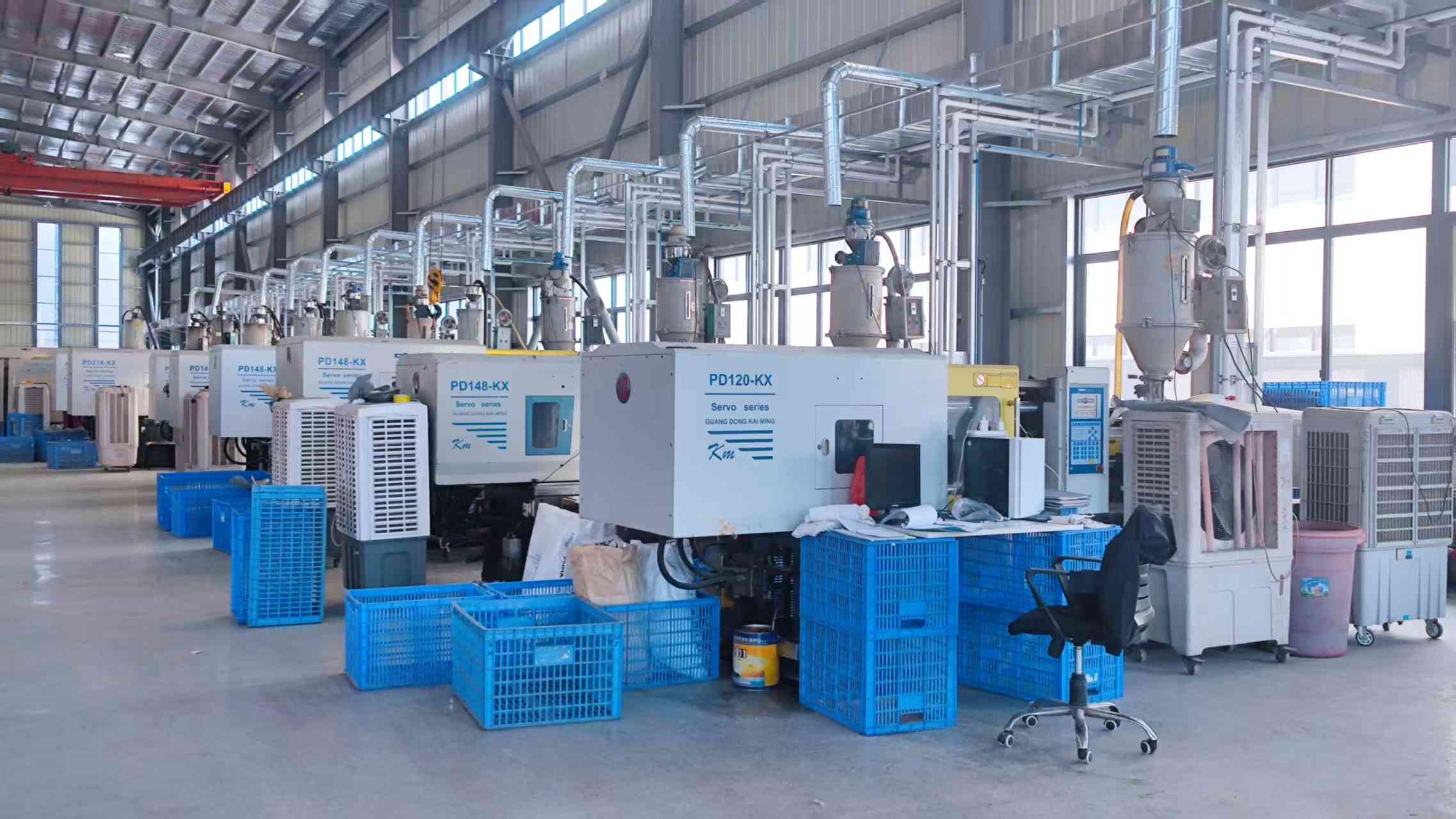
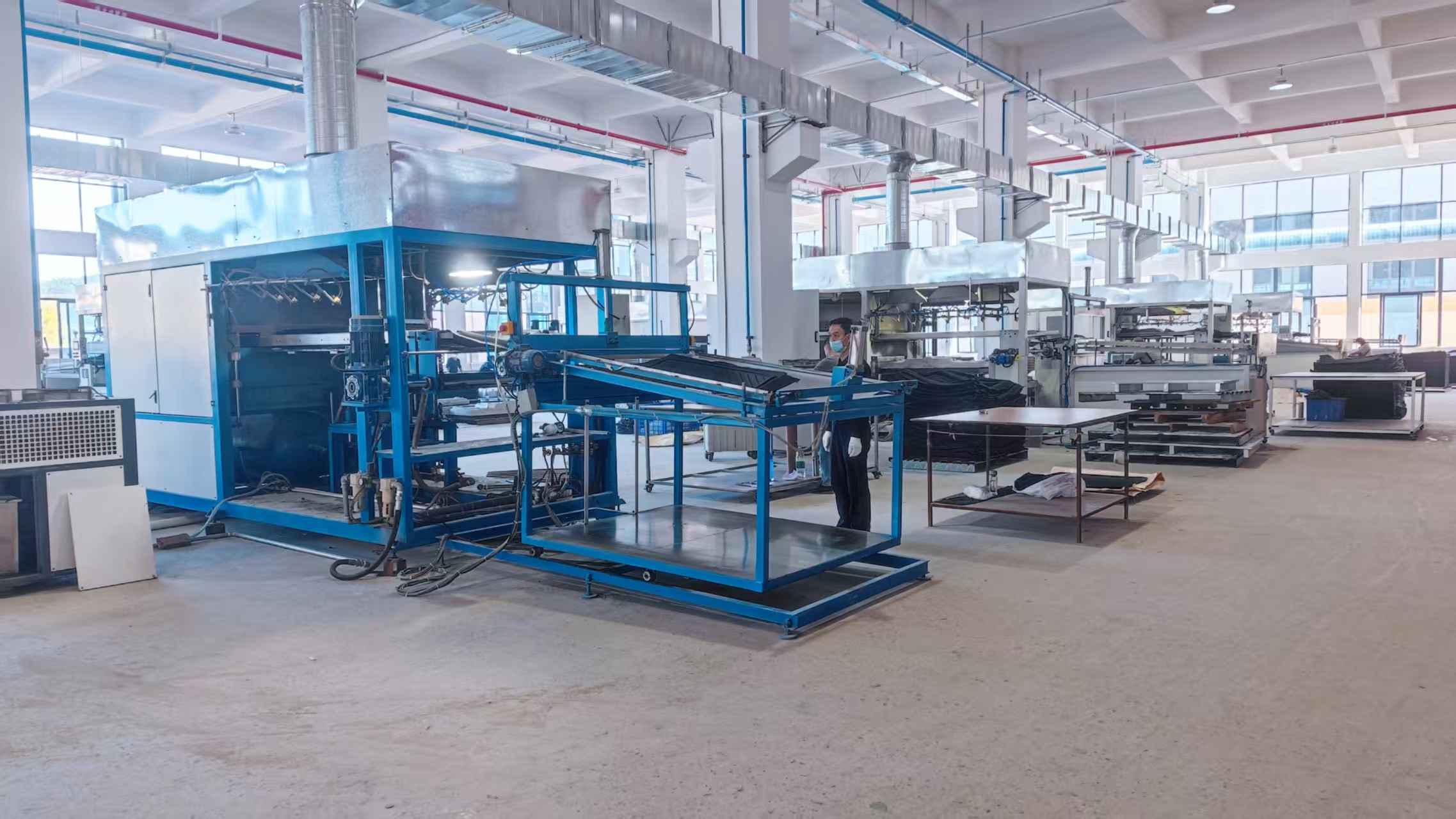
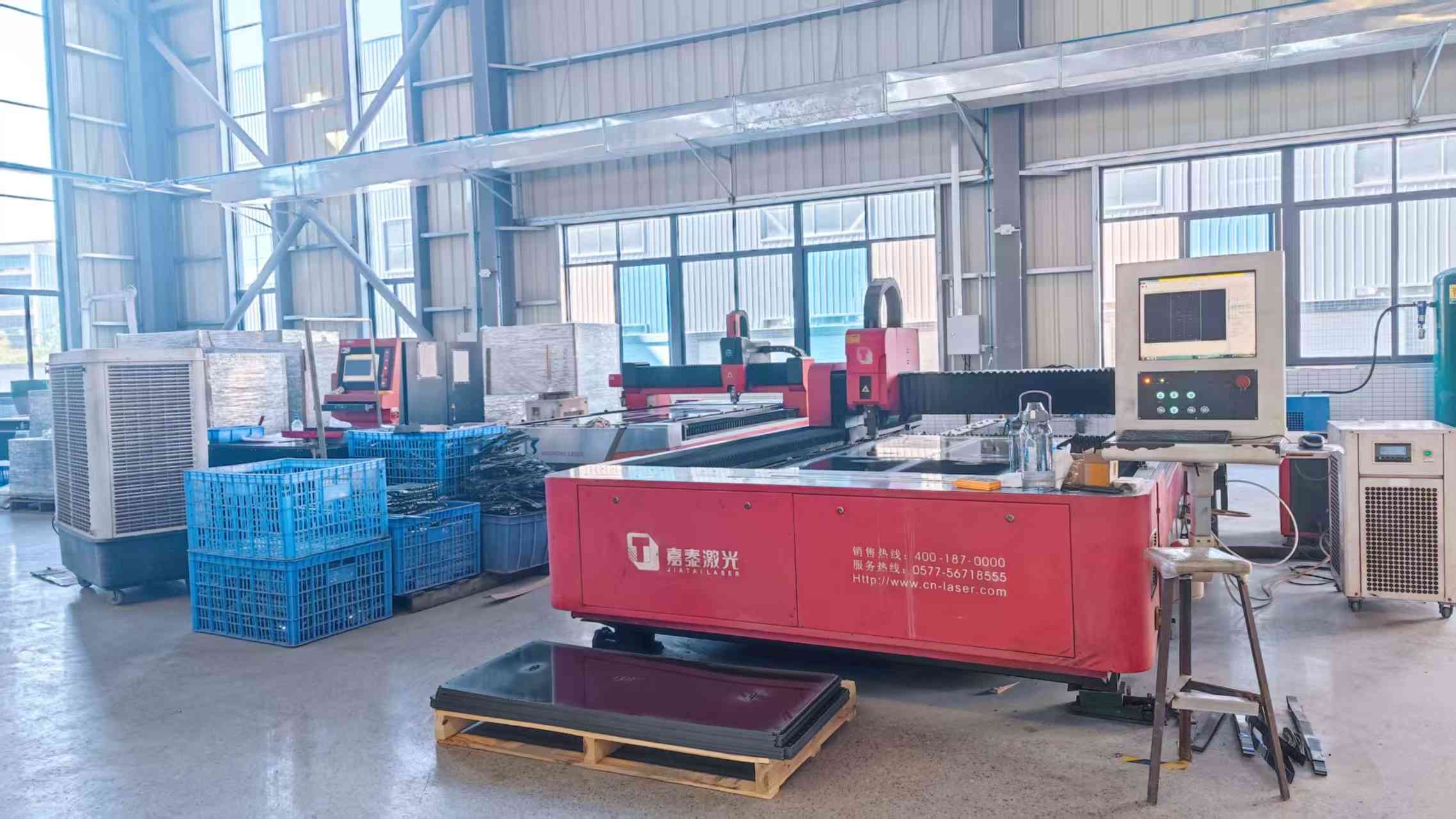
A Visual Tour of Our Advanced Production Floor and Processing Machineries
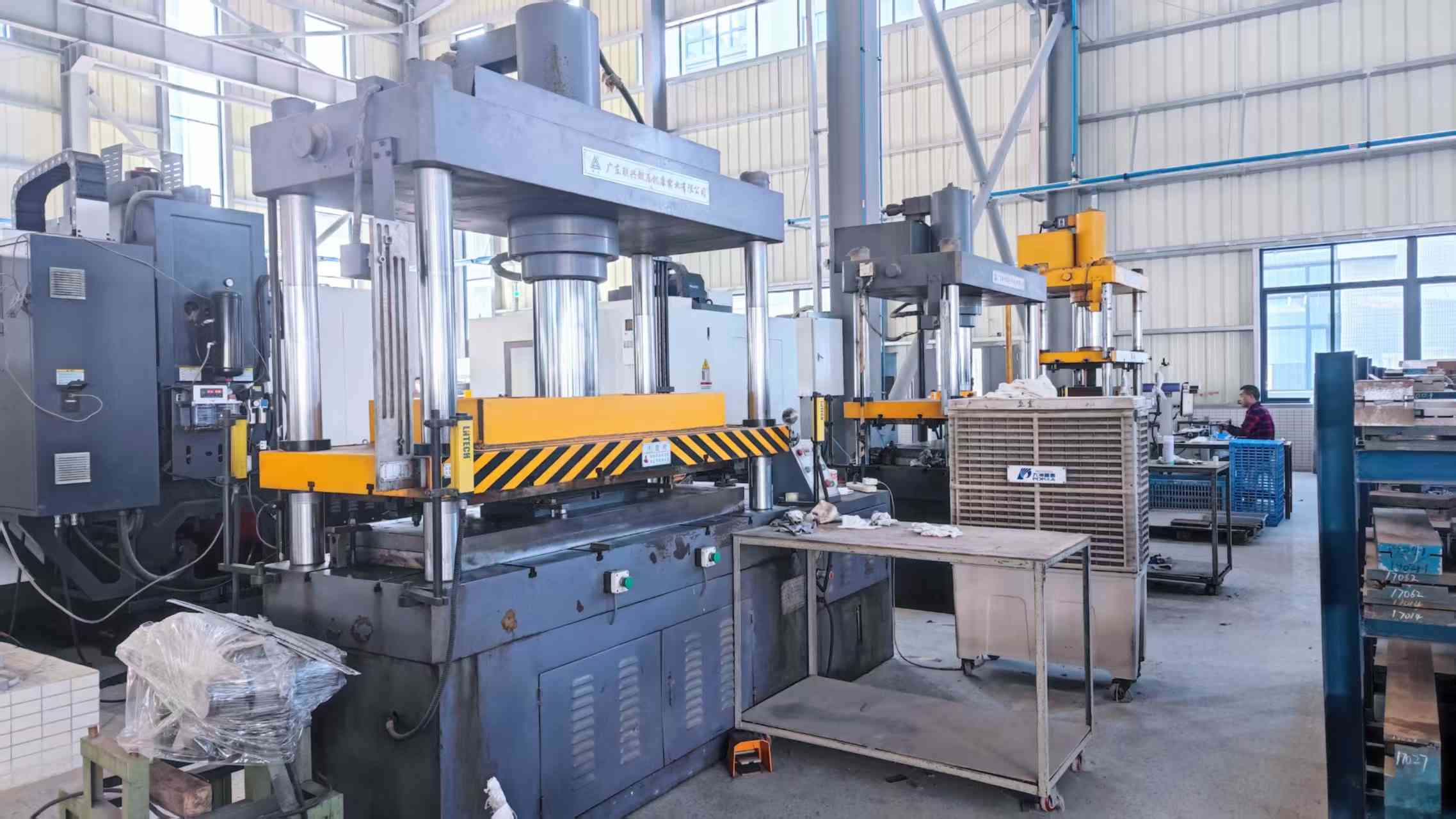
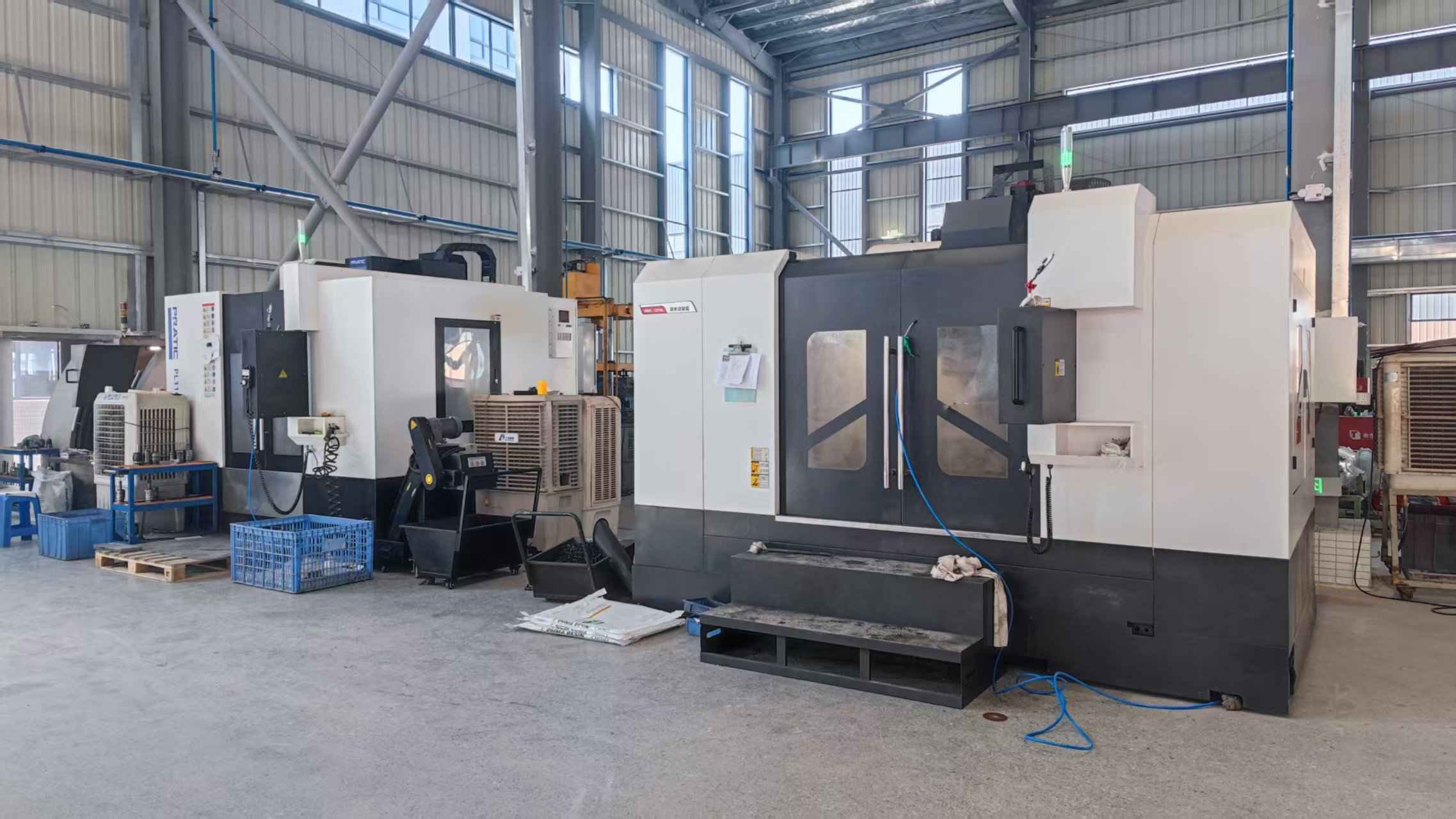
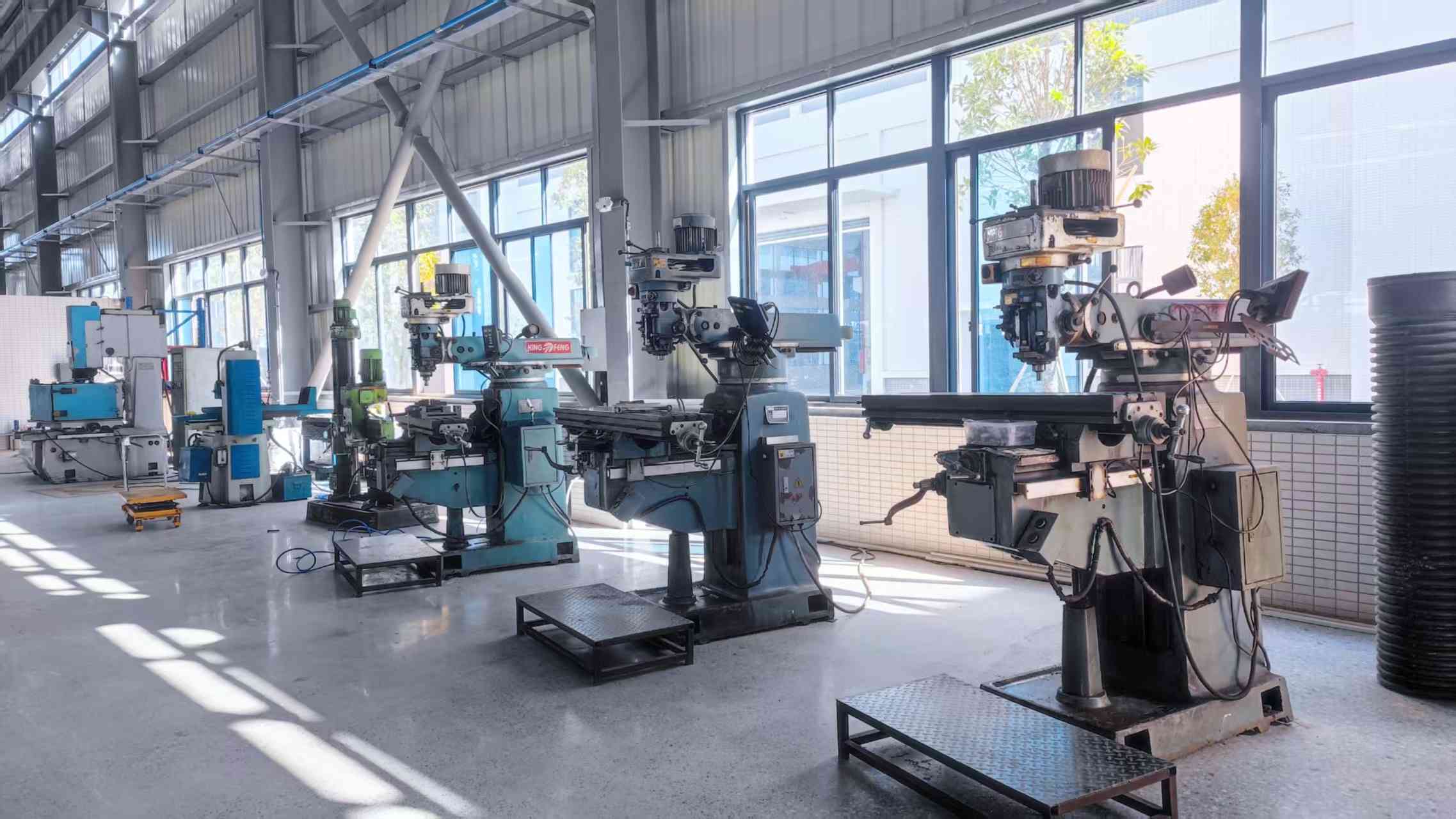
Professional Technical Responses for Quality Control and Procurement Managers
High-Precision Aftermarket Solutions & Upgrades Available for Bulk International Export
 Molas Auto