Top 10 Portable Car Jump Starters Manufacturers & Exporters

Global Sourcing Directory & Industry Whitepaper on Advanced Lithium Power Solutions, Automotive BMS Safety Engineering, and OEM Supply Chains.

Lithium Transition & Sourcing Architecture in Automotive Power Systems

A comprehensive study of engineering standards, manufacturing processes, and structural quality criteria for global B2B procurement heads.

The global automotive aftermarket has transitioned rapidly from heavy, lead-acid starting devices to ultra-compact, high-discharge lithium-ion portable car jump starters. This paradigm shift, driven by breakthroughs in high-rate discharge Lithium Cobalt Oxide (LiCoO2) and Lithium Iron Phosphate (LiFePO4) cell chemistry, has transformed emergency roadside diagnostics. Today, procurement directors, global hardware distributors, and automotive brand exporters face a complex challenge: identifying manufacturing partners that combine rigorous safety designs with high manufacturing capacities.

As a specialized player in global automotive systems supply, Guangzhou Molas Auto Co., Ltd. offers this industry guide. It dissects the mechanical, chemical, and quality assurance standards required to evaluate and collaborate with leading global manufacturers of vehicle starting equipment.

1. Core Engineering Parameters for Lithium Jump Starters

When sourcing portable vehicle starting products, procurement agencies must look beyond consumer-oriented parameters like simple battery capacity (mAh) to focus on operational electrical engineering specifications:

  • Peak Current vs. Cranking Current (CCA equivalent): Peak current represents the transient microsecond pulse capability of the battery, while cranking current indicates the continuous power delivered over 2-5 seconds. True professional equipment must provide sustained output to crank large displacement engines (e.g., up to 10.0L Gas and 8.0L Diesel) under sub-zero conditions.
  • High-Rate Cell Chemistry: Standard consumer power bank cells degrade quickly under the extreme C-rates (often exceeding 60C to 80C) required for ignition. Premier manufacturers use military-grade polymer lithium-ion configurations that manage explosive current discharge without thermal runaway.
  • BMS (Battery Management System) Microprocessor Control: Hardware protection must run on dedicated microcontrollers that check for reverse polarity, over-charge, over-discharge, short-circuits, back-charge, over-temperature, and sparkless connections.

2. Comparative Sourcing Analysis: LiCoO2 vs. LiFePO4 Systems

Exporters and distributors must align their product choices with regional climatic and environmental factors. Below is a comparative overview to guide your inventory planning:

Specification Parameter Lithium Cobalt Oxide (LiCoO2) Lithium Iron Phosphate (LiFePO4)
Energy Density Very High (Compact form factor, low weight) Moderate (Slightly larger footprint)
Life Cycle (80% DOD) 300 - 500 charge cycles 2000+ charge cycles
Thermal Runaway Temp ~150°C (Needs tight BMS monitoring) ~270°C (Extremely stable in hot climates)
Sub-Zero Performance Excellent (Down to -25°C) Moderate (Needs built-in heating element below -10°C)

What B2B Sourcing Managers Must Verify

Aligning wholesale purchasing criteria with rigorous international standards to minimize product return rates and maximize reliability.

Rigorous Certification & Compliance

To clear customs seamlessly and minimize liability risk, ensure your supplier provides UN38.3 (lithium transport), MSDS, UL2743, CE, FCC, and RoHS documentation. Never compromise on battery compliance.

Smart Jump Clamp Architecture

Over 90% of product returns trace back to damaged clamp assemblies. High-tier suppliers use heavy-duty copper jaws, thick 8AWG/10AWG silicone wire, and robust, drop-tested protective housings for the internal relay.

Climatic Operating Tolerances

For distributors in Nordic regions, Canada, or North America, look for models featuring high-rate cells rated down to -30°C. For Middle Eastern climates, select cells configured to resist swelling up to 70°C.

15+
Years Industry Experience
100%
Quality-Inspected Facilities
45+
Global Exporters Served
0%
Compromised Cell Sourcing

Guangzhou Molas Auto Co., Ltd.

Providing Premium Automotive Parts, Custom Plastics, and Global Industrial Supply Engineering.

Guangzhou Molas Auto Co., Ltd. is a professional manufacturer and global supplier specializing in premium automotive parts and accessories. With years of industry experience, we focus on providing high-quality replacement and aftermarket parts for leading European vehicle brands, including Mercedes-Benz, BMW, Land Rover, Audi, Porsche, and other luxury automotive brands.

Based in Guangzhou, China, Molas Auto integrates manufacturing, sourcing, quality control, and international trade services to deliver comprehensive automotive solutions to customers worldwide. Supported by our advanced production facilities, experienced engineering team, and efficient supply chain management system, we are able to meet diverse customer requirements with reliable products and customized solutions.

We are committed to supplying a wide range of automotive components, including engine parts, suspension parts, steering systems, cooling systems, electrical components, body parts, and other related accessories. Every product undergoes strict quality inspection procedures to ensure stable performance, durability, and compliance with international standards.

Over the years, Molas Auto has established long-term business relationships with customers across South America, Europe, the Middle East, Southeast Asia, Africa, and other international markets. Our reputation is built on product quality, competitive pricing, timely delivery, and professional customer service.

With a customer-oriented approach, we continuously invest in product development, technical innovation, and service improvement. Our experienced sales and technical support teams are always ready to provide professional assistance, helping customers identify the right products and achieve greater business success in their local markets.

Our Strategic Production Advantages:

  • Professional automotive parts manufacturer and exporter: Proven track record of high-performance components.
  • Extensive experience in European vehicle spare parts supply: Precision engineering compatible with high-end luxury vehicle standards.
  • Competitive factory-direct pricing: Removing middleman costs to maximize distributor margins.
  • Strict quality control and testing procedures: 100% component functionality validation before packaging.
  • Fast and reliable global logistics solutions: Strategic integration with Guangzhou's export hub.
  • OEM and customized product support: Dedicated engineering team for bespoke plastic molding and laser components.
  • Professional multilingual sales and after-sales service team: Seamless communications for frictionless global trade operations.

Advanced Automotive Parts Production Facilities

Our state-of-the-art machinery and processing technologies guarantee absolute precision across plastic and metal manufacturing.
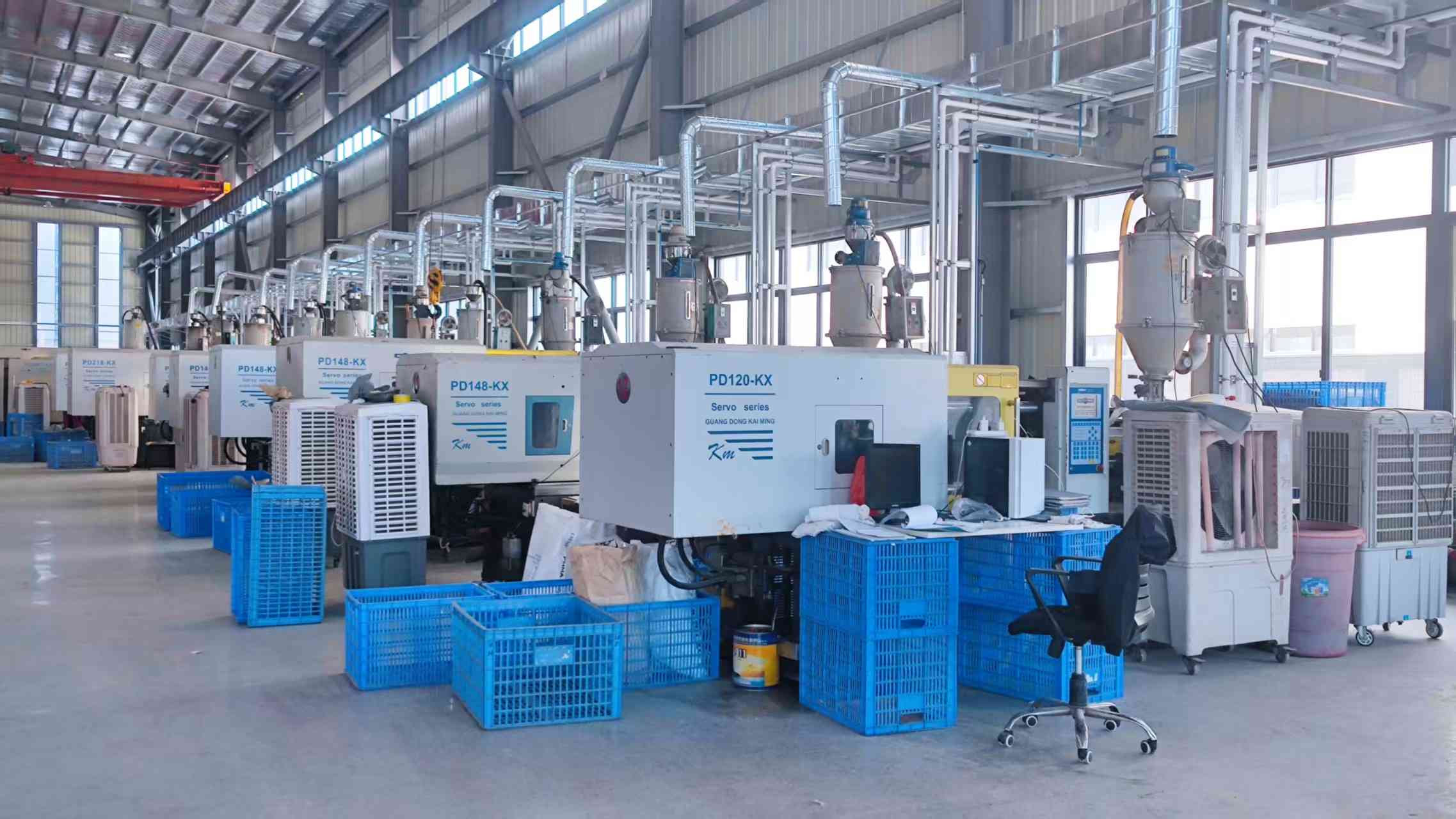
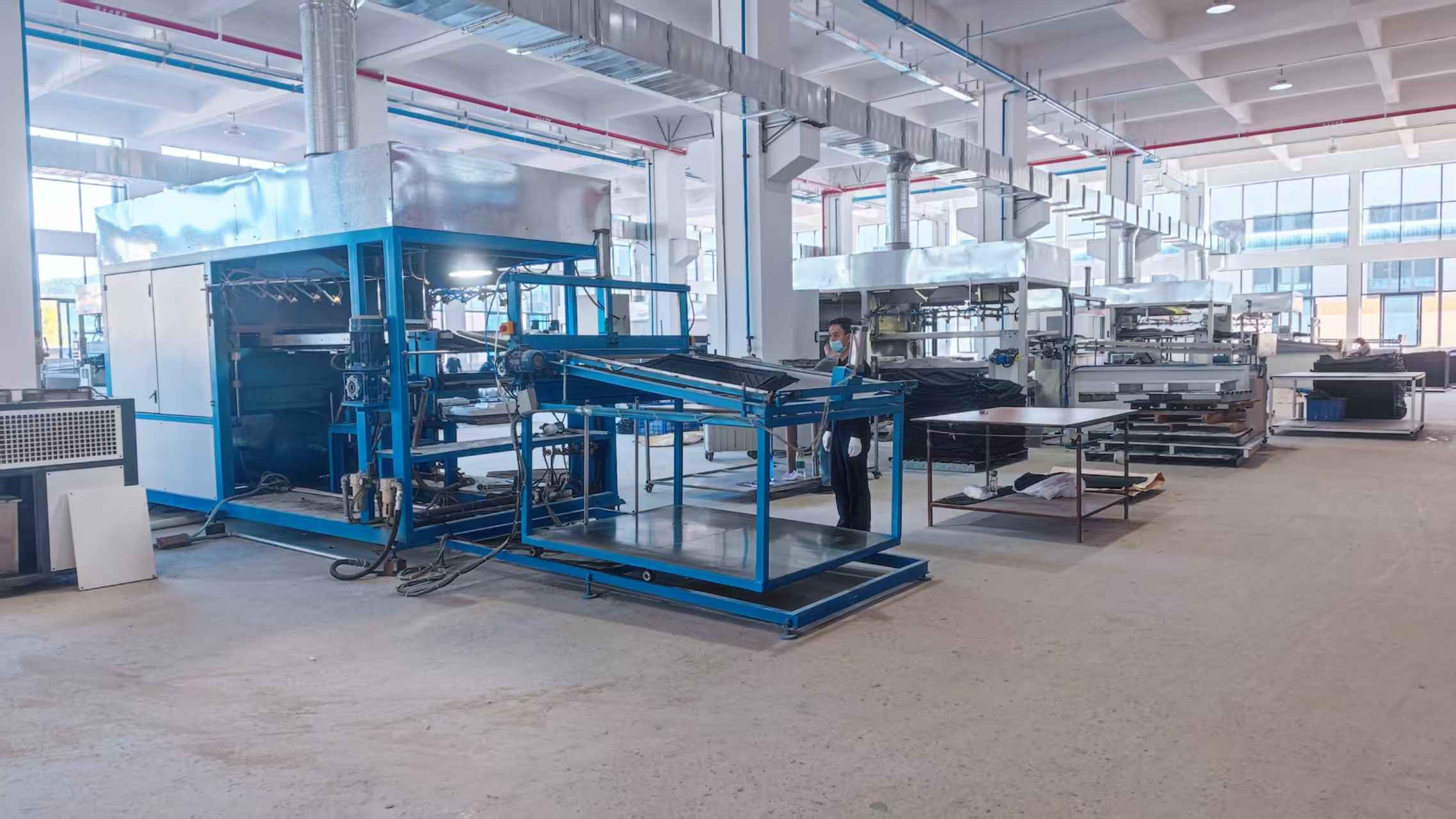
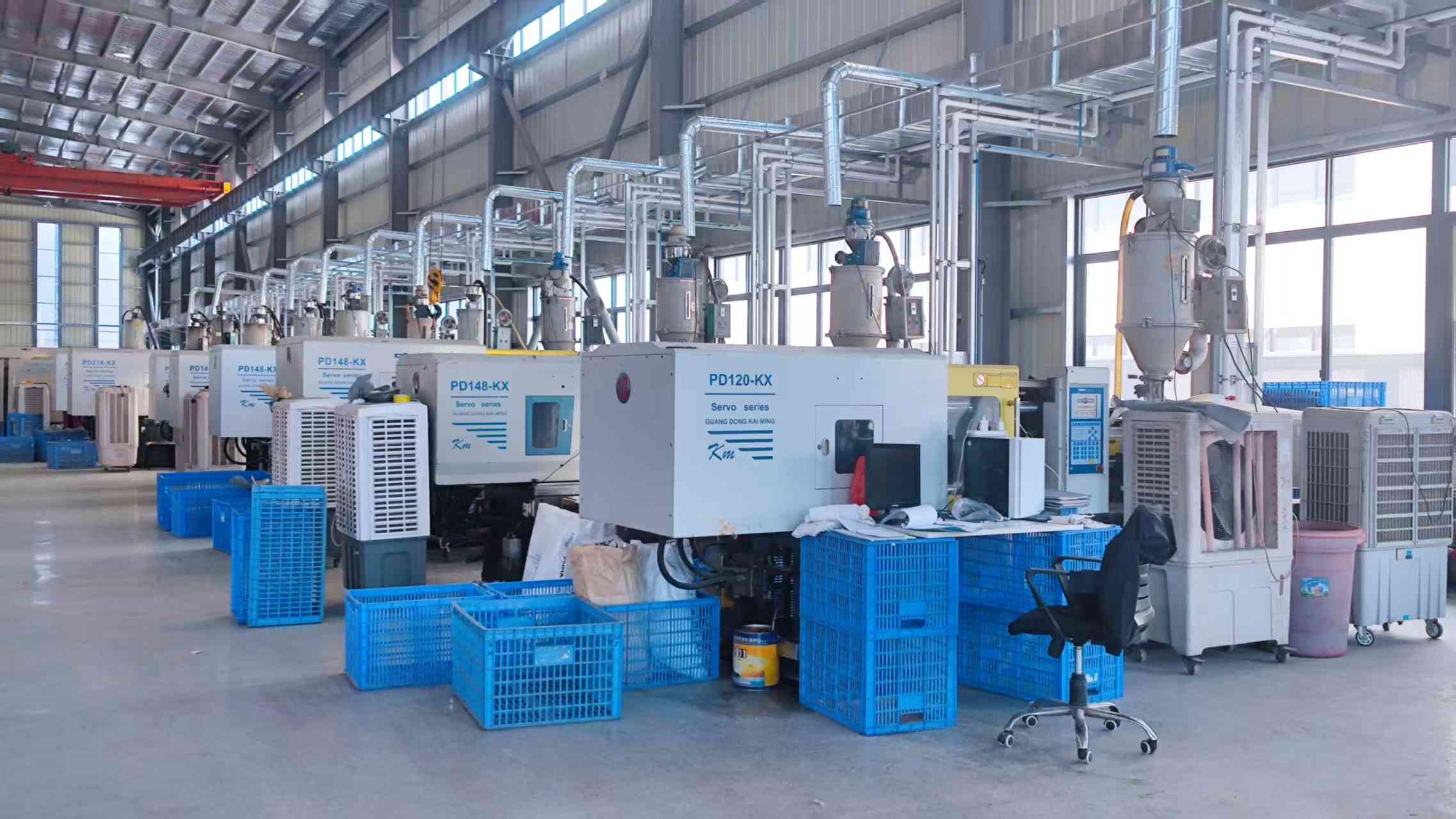
Injection Molding Process
Injection Molding
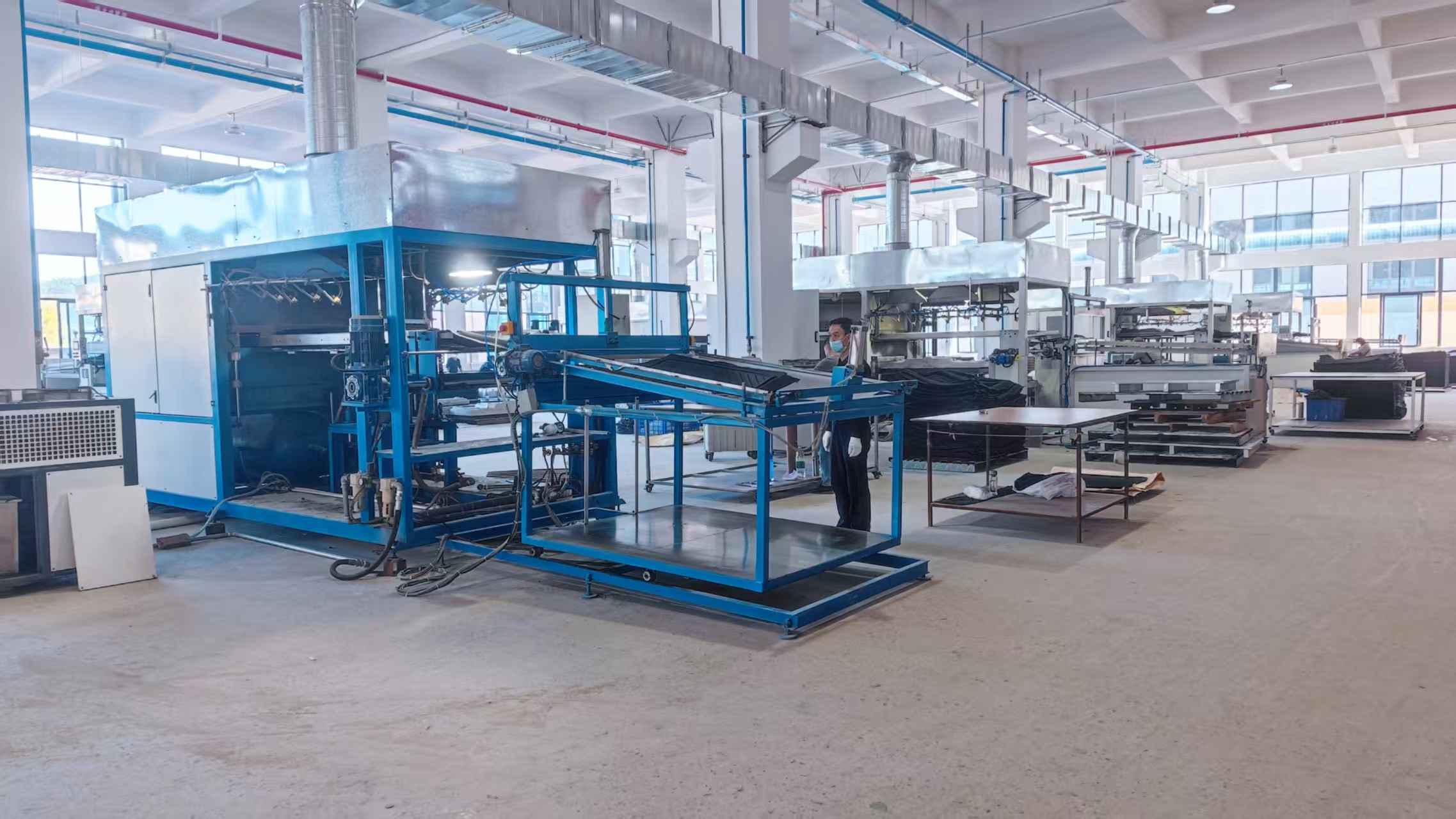
Plastic Vacuum Forming Process
Plastic Vacuum Forming
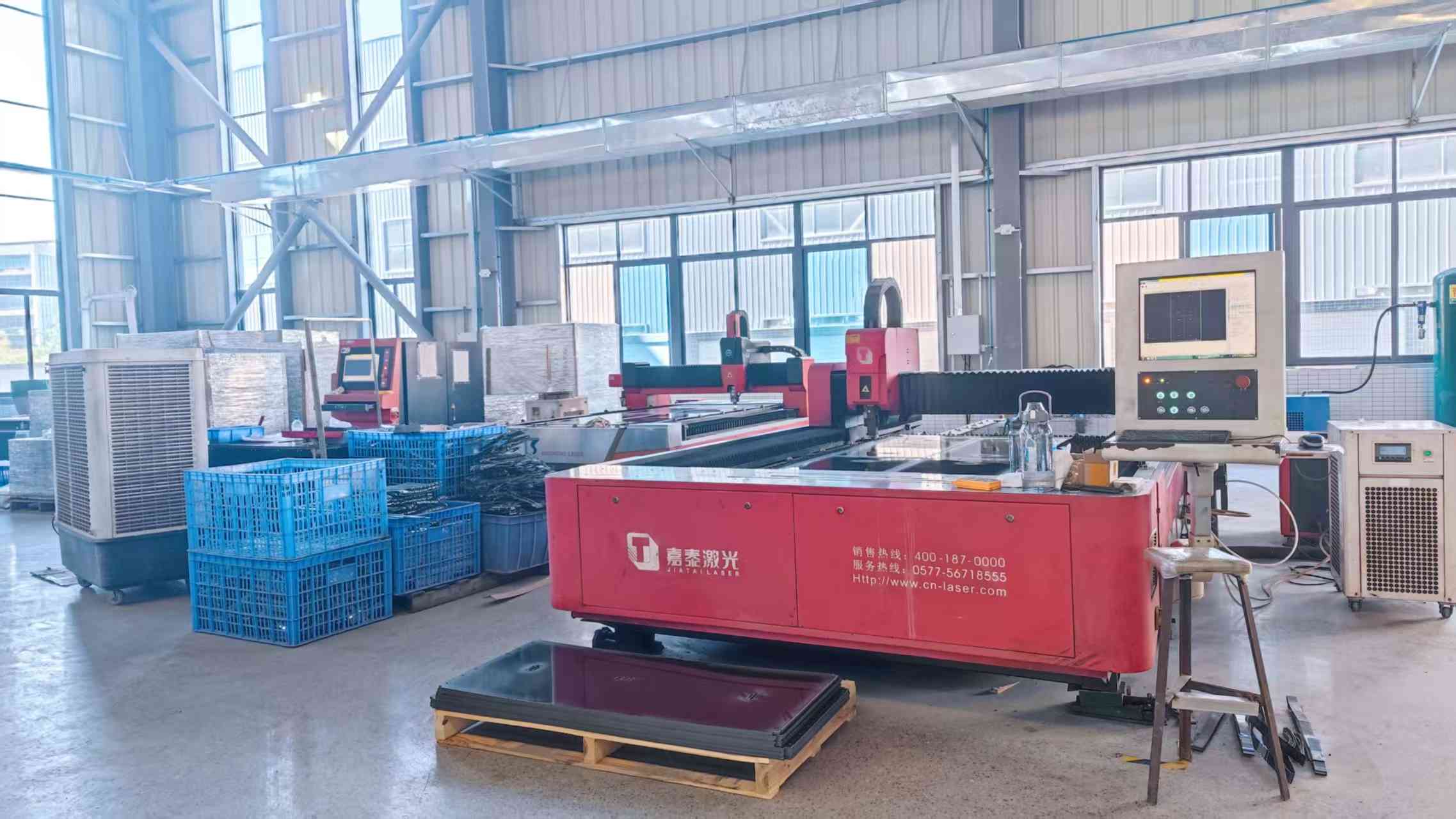
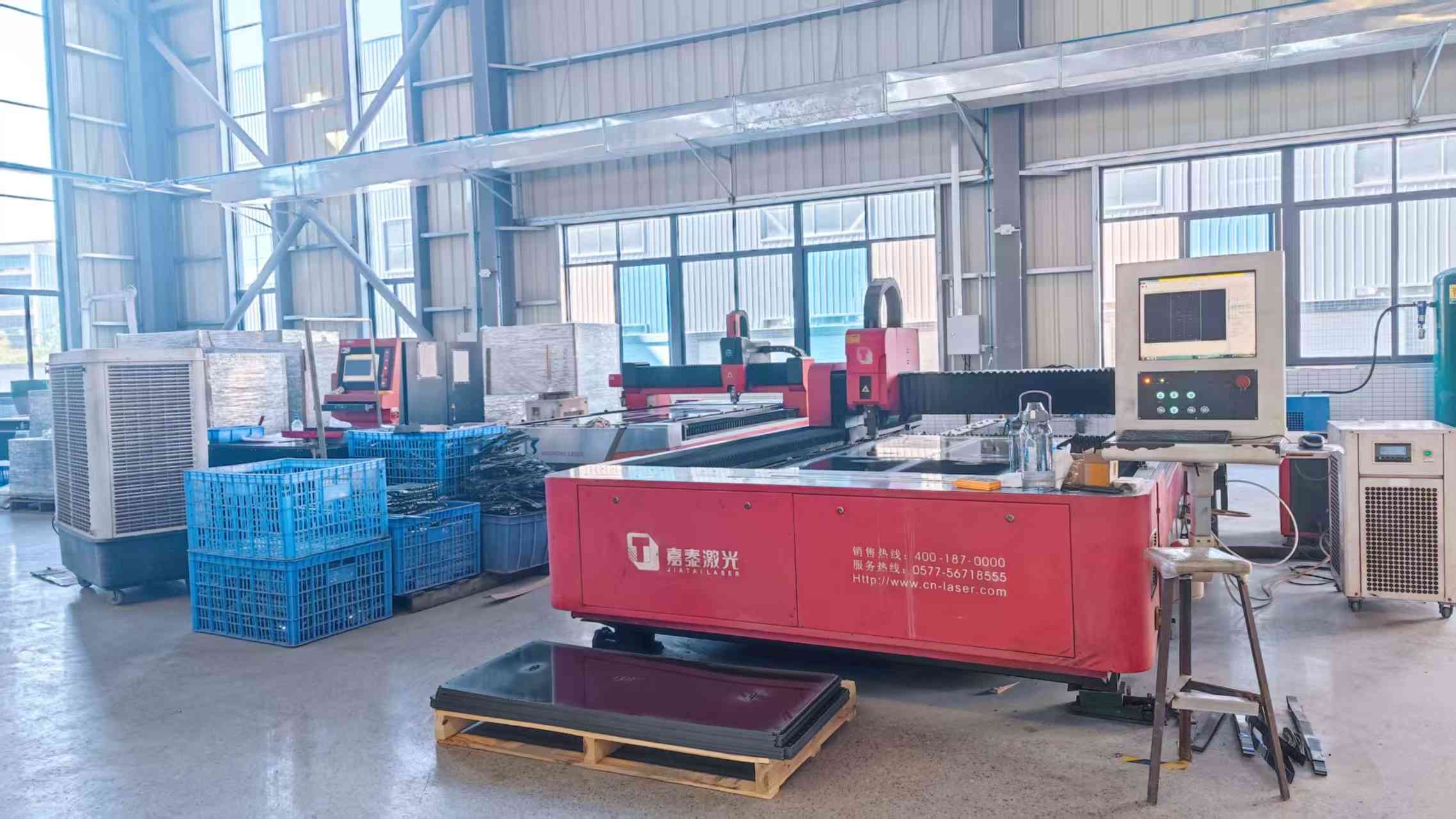
Laser Cutting
Laser Cutting
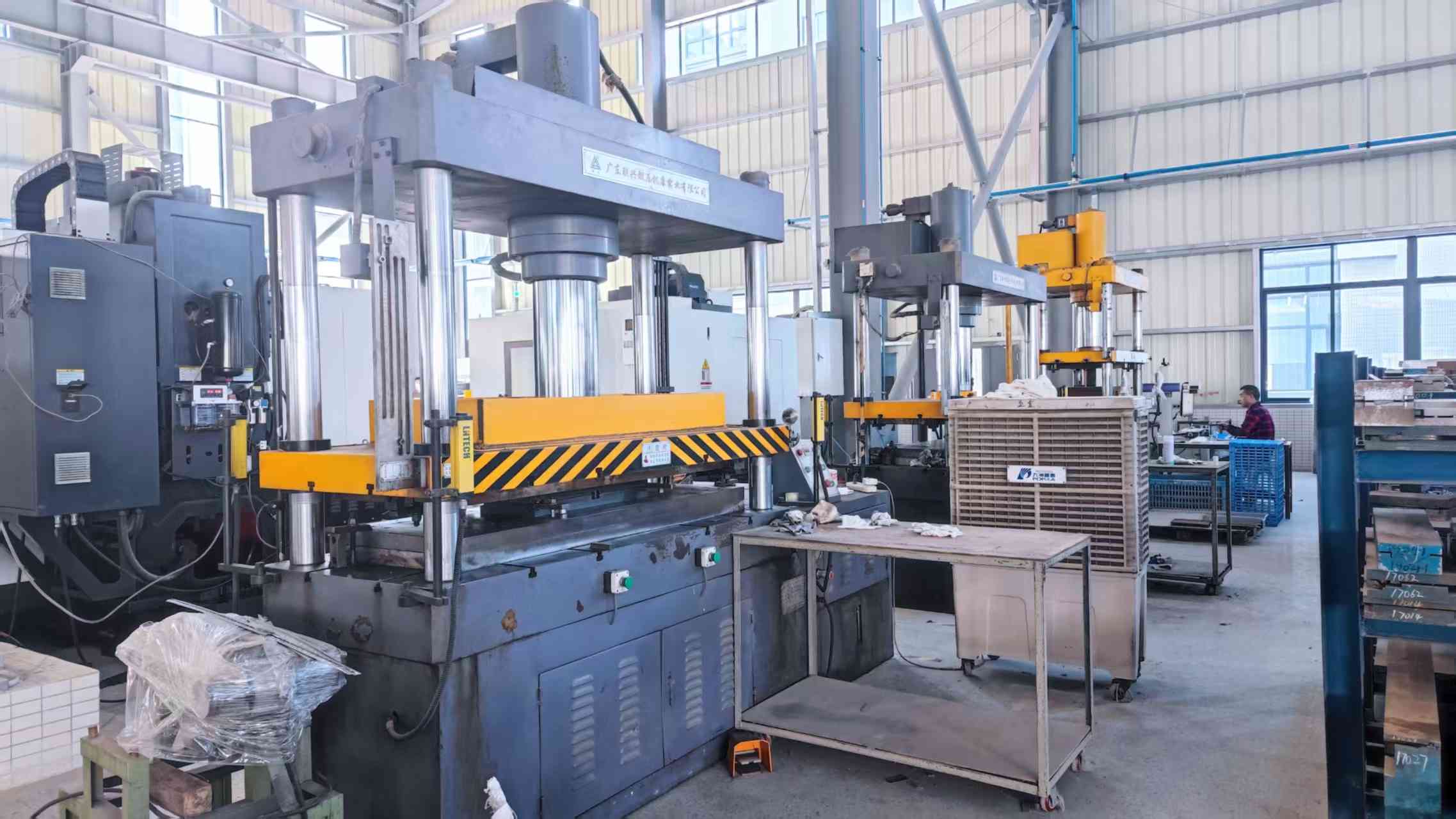
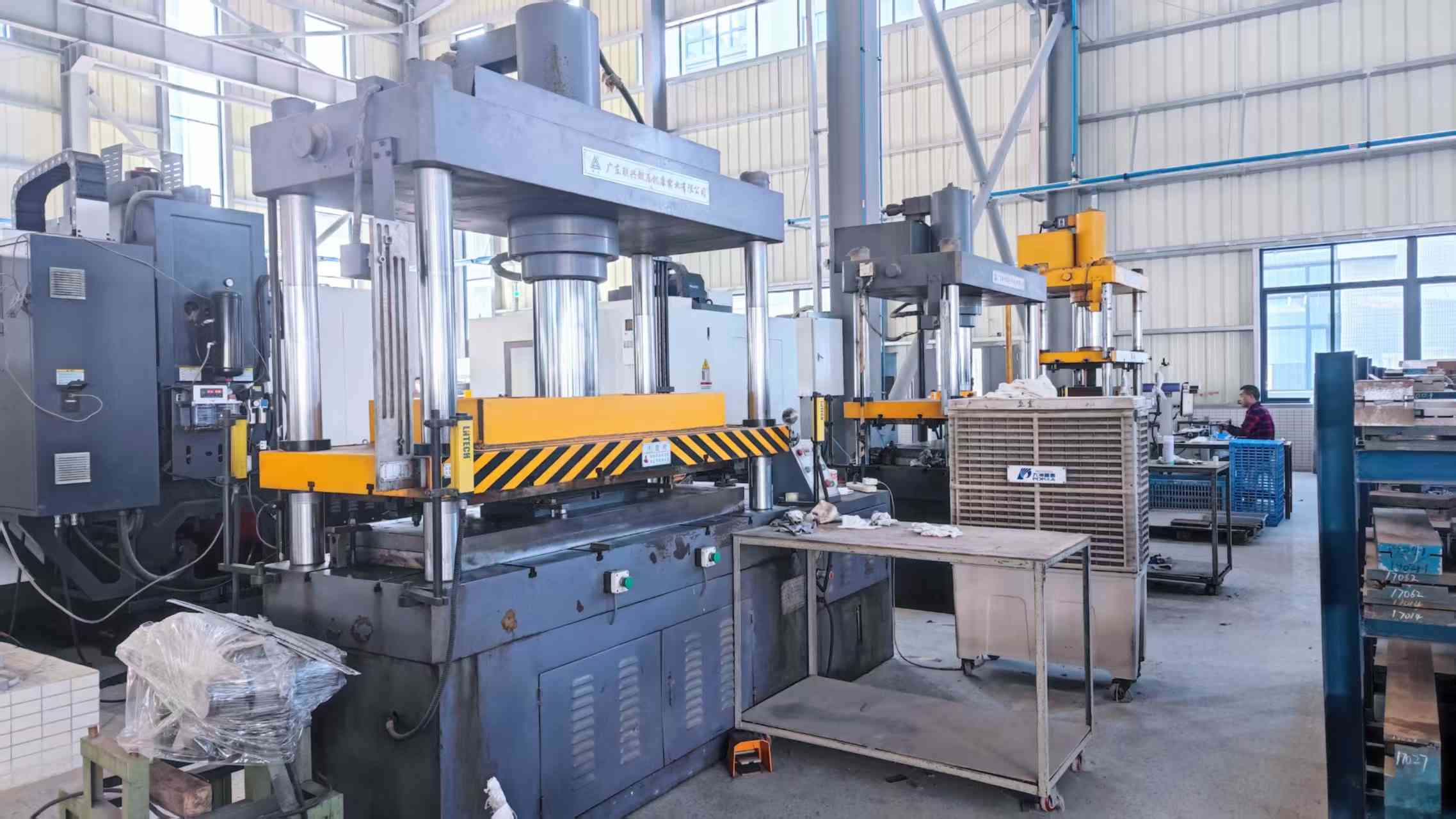
Hydraulic Process
Hydraulic Processing
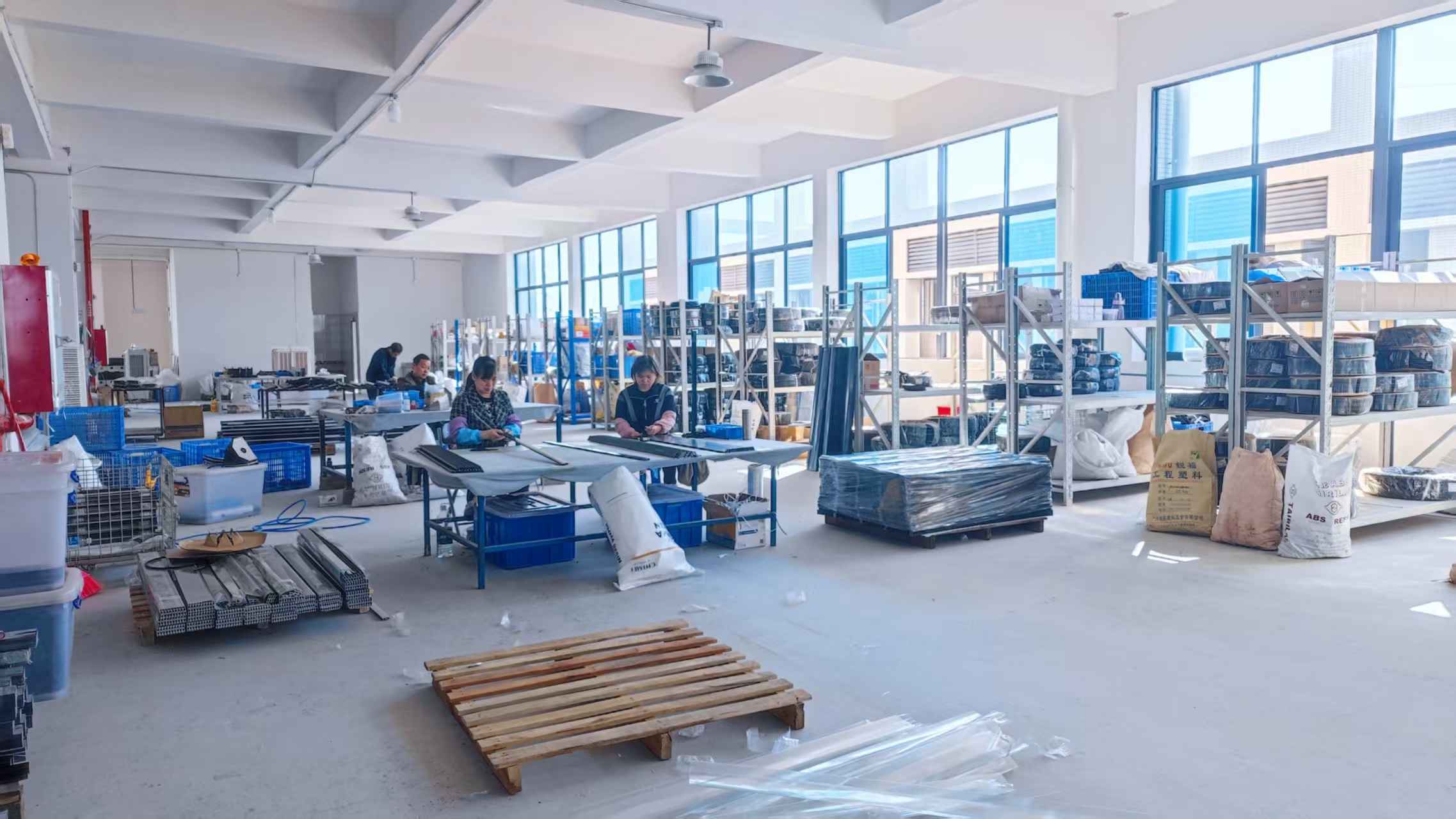
Assembly Line
Assembly Line
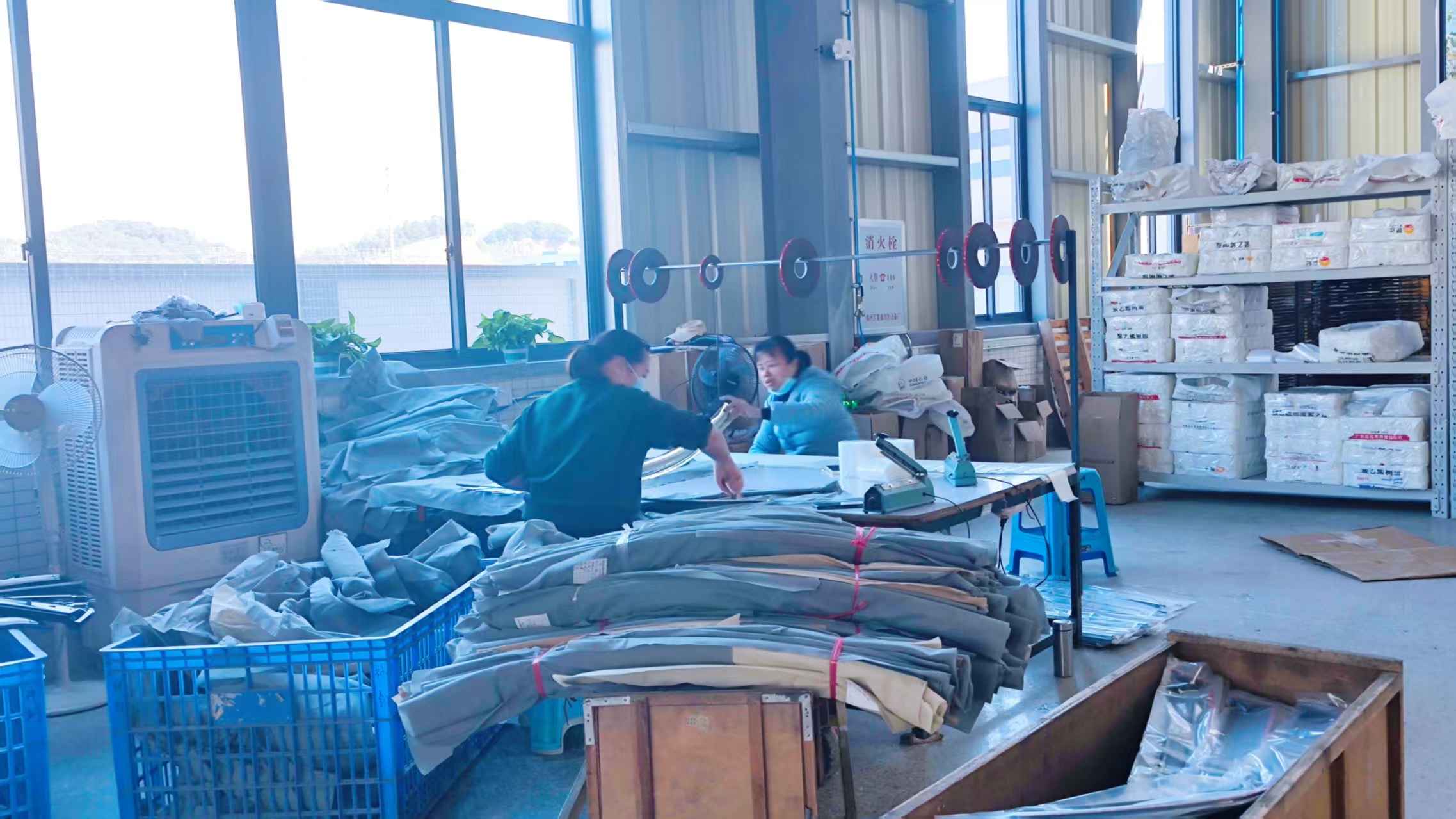
Packaging Operations
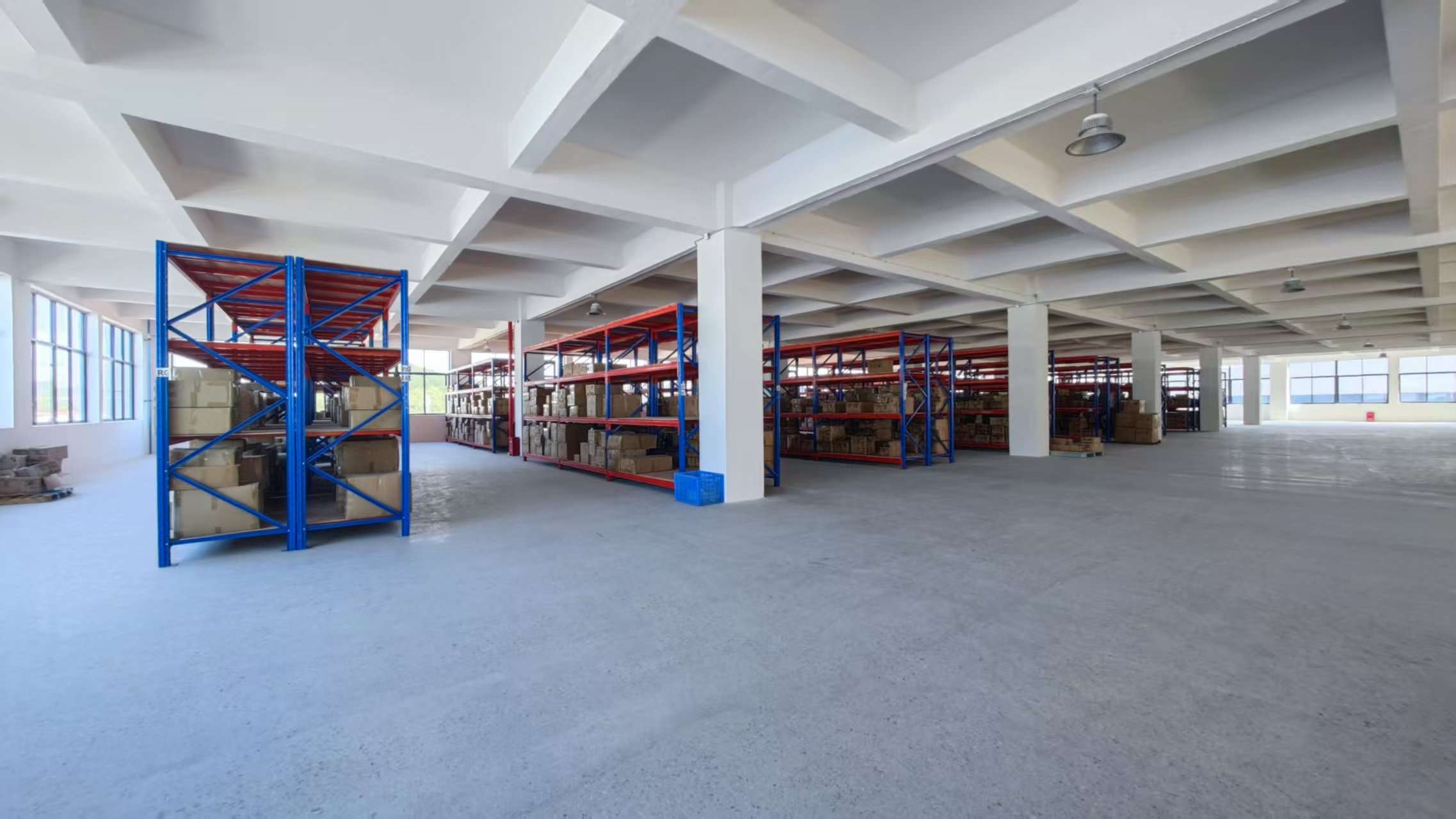
Warehousing
Warehousing & Logistics
Injection Molding Machine
Plastic Vacuum Forming Machine
Vacuum Forming Machine
Laser Cutting Machine
Hydraulic Press
Hydraulic Press
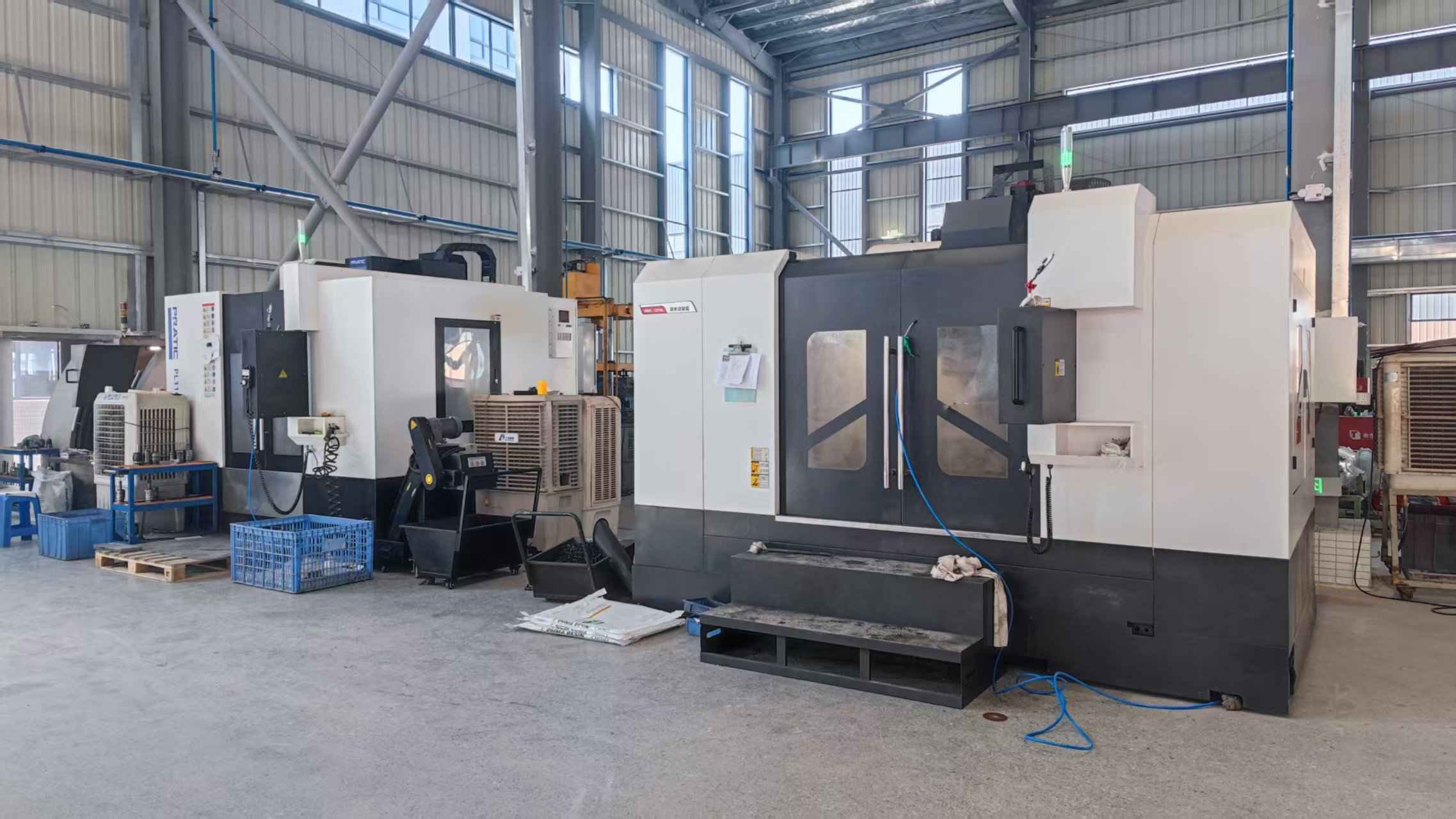
CNC Machining Center
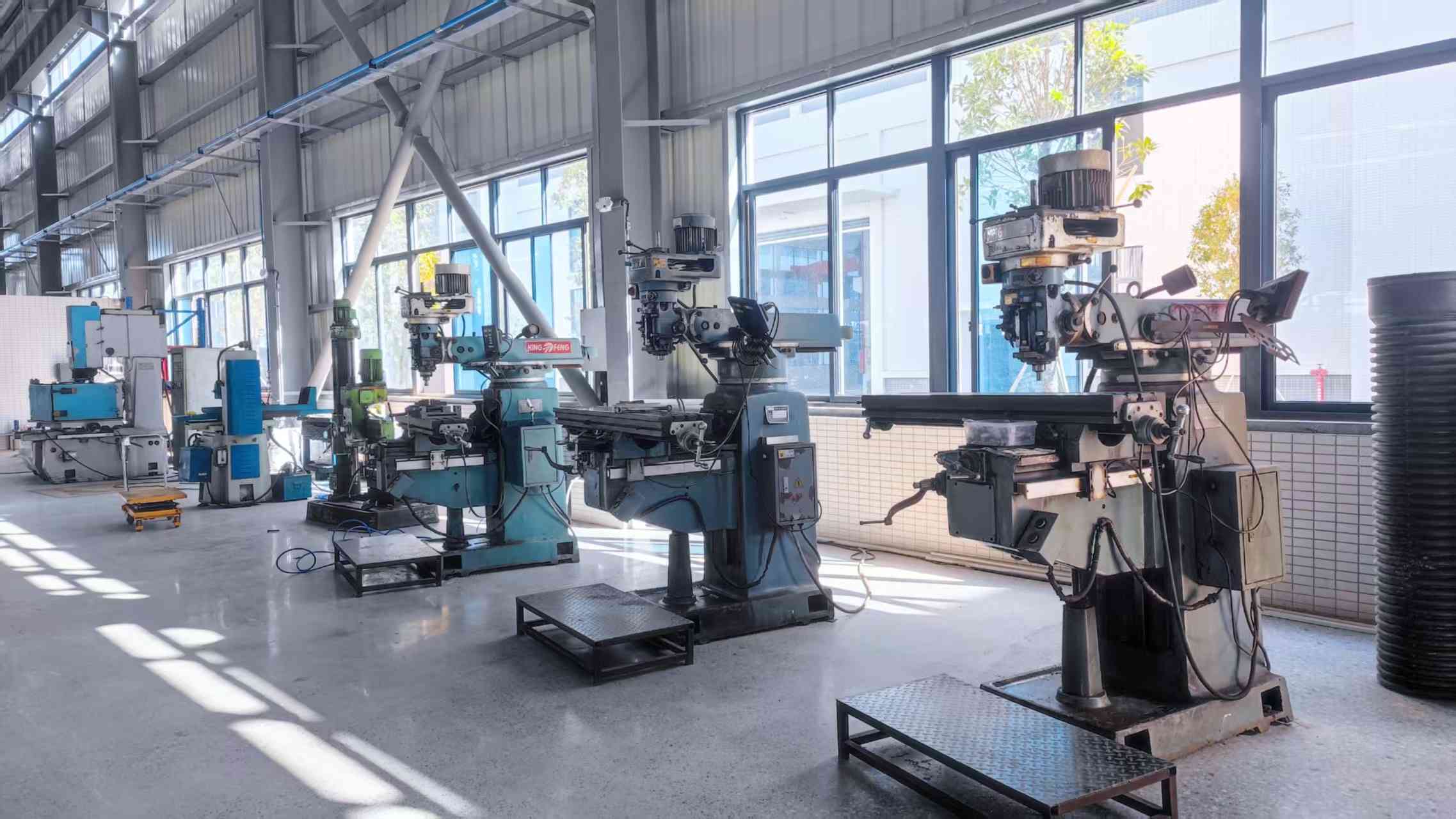
Milling Machine
Milling Machine

China Manufacturing: The Global Hub for Advanced Portable Jump Starters

Over 95% of the world's portable car jump starter supply chain is concentrated in southern China, specifically within the Guangdong region. This concentration is not merely an accident of geography—it is driven by high supply chain integration. The ecosystem links battery refineries, BMS software design houses, custom enclosure injection molding plants, testing facilities, and specialized logistics operators under a single umbrella.

When analyzing a manufacturer among the "Top 10", B2B buyers must prioritize partners capable of delivering customized technical specs. A top-tier Chinese exporter should possess the following foundational assets:

  1. Automated SMT Lines: PCB boards represent the central cortex of a jump starter. Top manufacturers feature in-house Surface Mount Technology (SMT) lines to construct and audit their BMS circuit structures without relying on third-party design templates.
  2. Automated Cell-Sorting Instruments: Lithium battery cells must exhibit near-identical internal resistance and voltage values to function together without failing. High-end automated cell sorting ensures battery stability and long-term storage shelf life.
  3. High-Low Temperature Environmental Testing Chambers: True exporters expose test batches to extreme temp environments (ranging from -40°C to +85°C) to simulate high-friction or sub-zero environments before starting bulk production.
  4. Anti-Drop & Impact Testing Equipment: Roadside recovery tools are frequently subjected to impacts. Flame-retardant PC/ABS housings must undergo drop tests onto flat concrete surfaces to guarantee outer structural integrity and prevent internal damage.

Key Design Trends Shaping the Modern Aftermarket Ecosystem

As vehicular electronics grow increasingly sophisticated, global jump starter design trends are adapting to support varied functionalities:

  • Bidirectional USB-C Power Delivery (PD): Emerging devices have transformed from emergency-only battery packs into modern travel hubs. Up to 100W PD speeds allow mechanics and field workers to charge heavy laptops and power complex outdoor equipment directly from the jump starter.
  • Integrated High-Pressure Air Compressors: Integrated dual-cylinder compressors with automated digital pressure sensors now allow fleet operators to resolve low-pressure tires and flat vehicle batteries with a single unit.
  • LiFePO4 Integration for Extreme Thermal Environments: In South America and the Middle East, high summer temperatures accelerate lithium degradation. Industrial fleet operations are adopting LiFePO4 chemistry due to its higher safety threshold and robust resistance to structural expansion.

Global Sourcing FAQ & Diagnostic Answers

Technical solutions to common international procurement, testing, and shipping inquiries.

What is the difference between peak current and continuous starting current? +
Peak current indicates the maximum transient electrical power an output battery structure can release for milliseconds to start an engine. Cranking current is the sustained current output required to spin heavy mechanical starter gears. For long-term commercial fleet usage, look closely at continuous starting current metrics.
How does cold weather affect Lithium-Cobalt emergency power packs? +
Cold weather increases battery internal resistance, reducing transient peak current capability. Premium designs counteract this through high-rate polymer chemistry or smart internal heater circuits that raise battery core temperatures during ignition.
What global certifications are required to import lithium jump starters? +
In Europe, CE, RoHS, and GS certificates are required. North American markets demand UL2743 compliance, FCC certification, and UN38.3 battery transport documentation. Ensure your manufacturer provides complete and valid test reports before importing.
Can portable automotive jump starters be shipped by standard air cargo? +
No. High-capacity lithium polymer products are classified under Class 9 Hazardous Material regulations. They must be packaged in compliance with IATA/ICAO standards and shipped via specialized maritime cargo routes or specialized hazardous material air carriers.
How can buyers identify non-genuine capacity metrics? +
Verify capacity metrics by cross-referencing battery size and weight with theoretical energy density. True high-rate battery packs weigh proportionally to their discharge capability; an extraordinarily lightweight pack claiming high output metrics is a major red flag.