In the evolving landscape of automotive safety, Portable Vehicle Magnifiers have emerged as critical tools for both drivers with visual impairments and professional technicians. These devices bridge the gap between standard cockpit visibility and the high-precision requirements of modern navigation and internal engine diagnostics.
Unlike standard handheld magnifiers, vehicle-specific variants must withstand high thermal fluctuations within the cabin (from -40°C to +85°C) and constant vibration. Our factory utilizes high-index optical polymers and anti-reflective (AR) coatings to ensure clarity under direct sunlight.
As a leading Chinese exporter, Guangzhou Molas Auto Co., Ltd. integrates advanced German optical standards with lean manufacturing efficiency, providing global enterprises with cost-effective yet high-performance visual solutions.
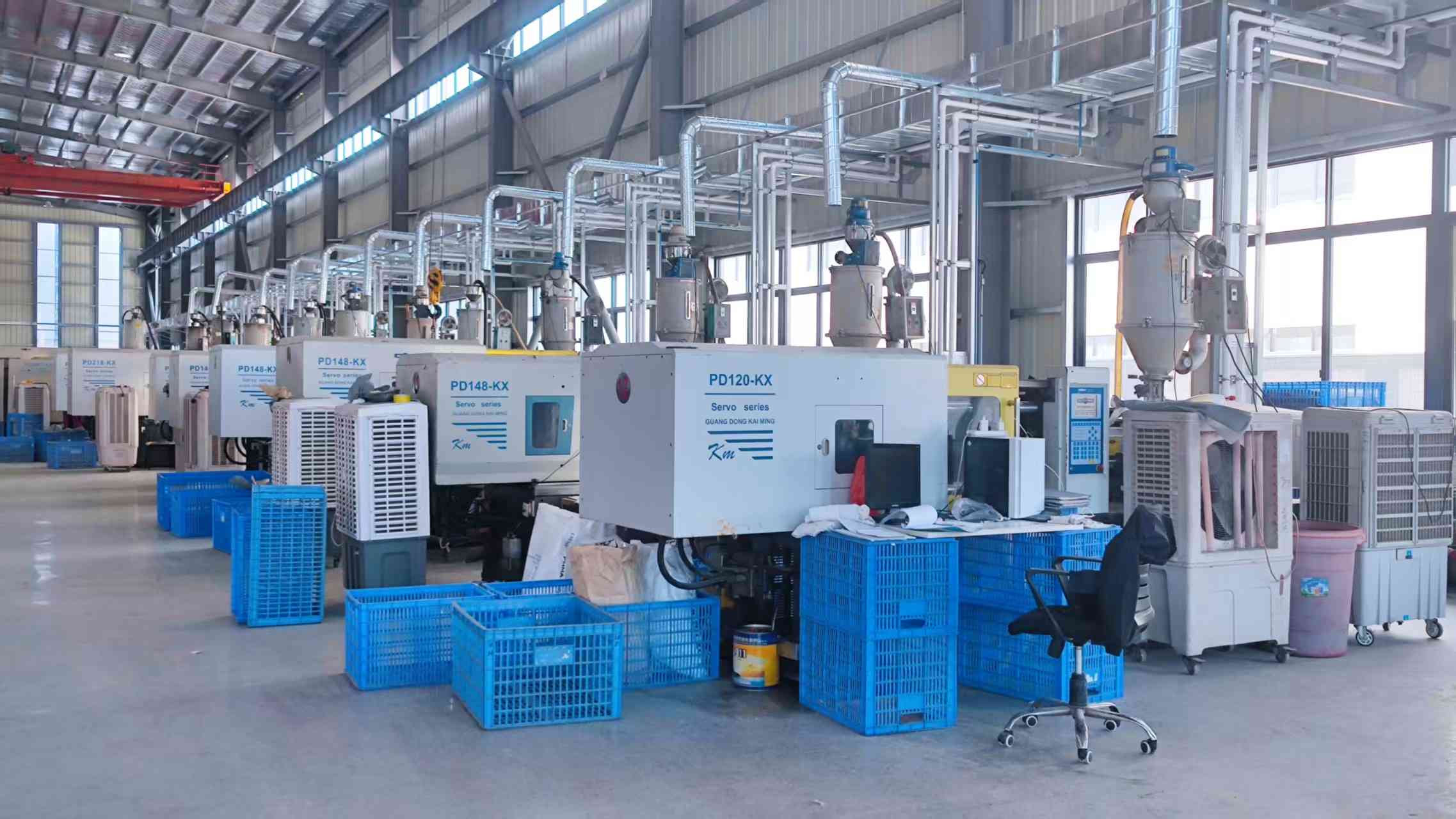
Our manufacturing facility in Guangzhou is a testament to the "Industry 4.0" revolution. By combining CNC machining, laser precision cutting, and automated assembly, we ensure every portable magnifier and auto part meets the rigorous demands of the global market.
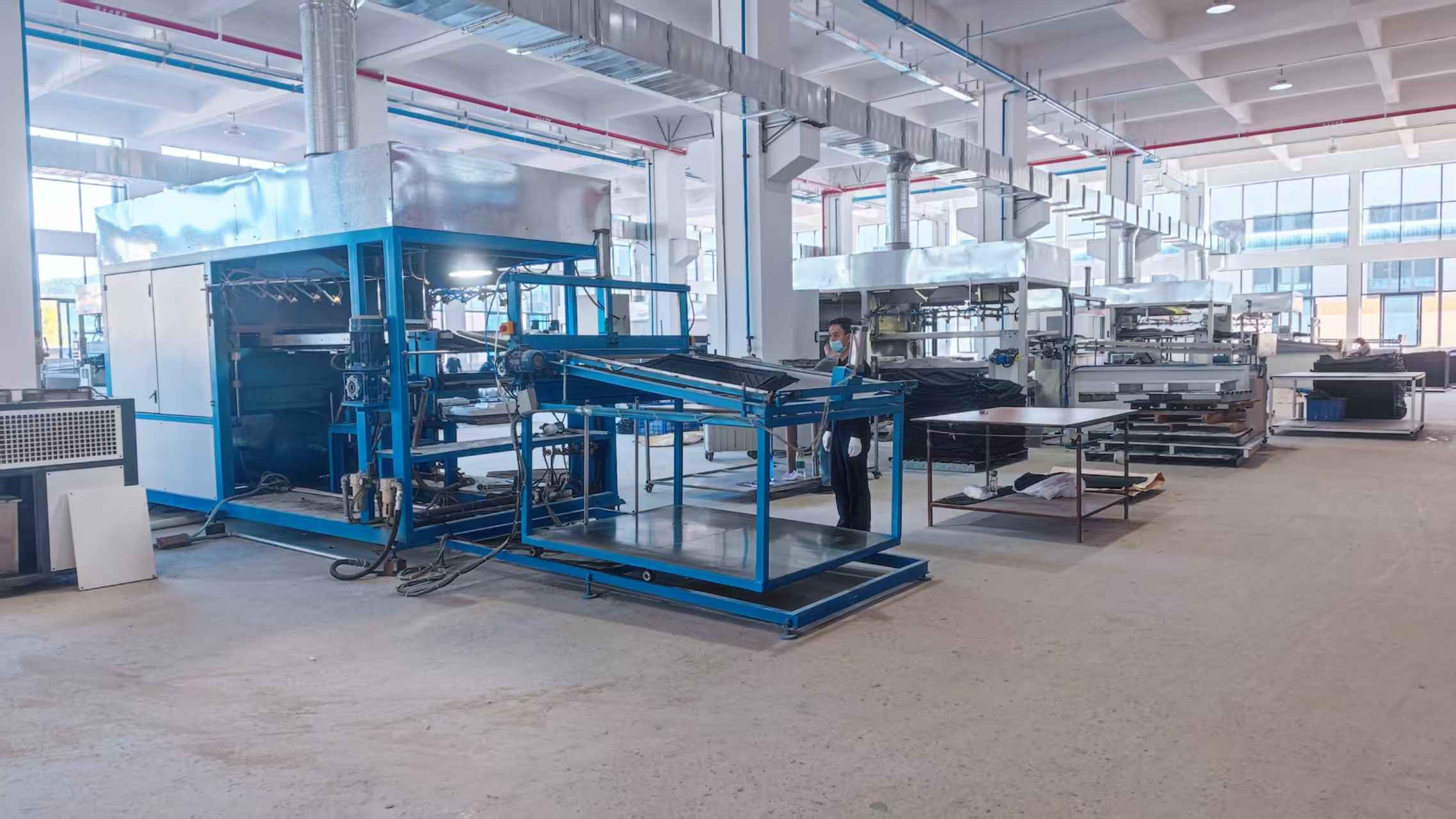
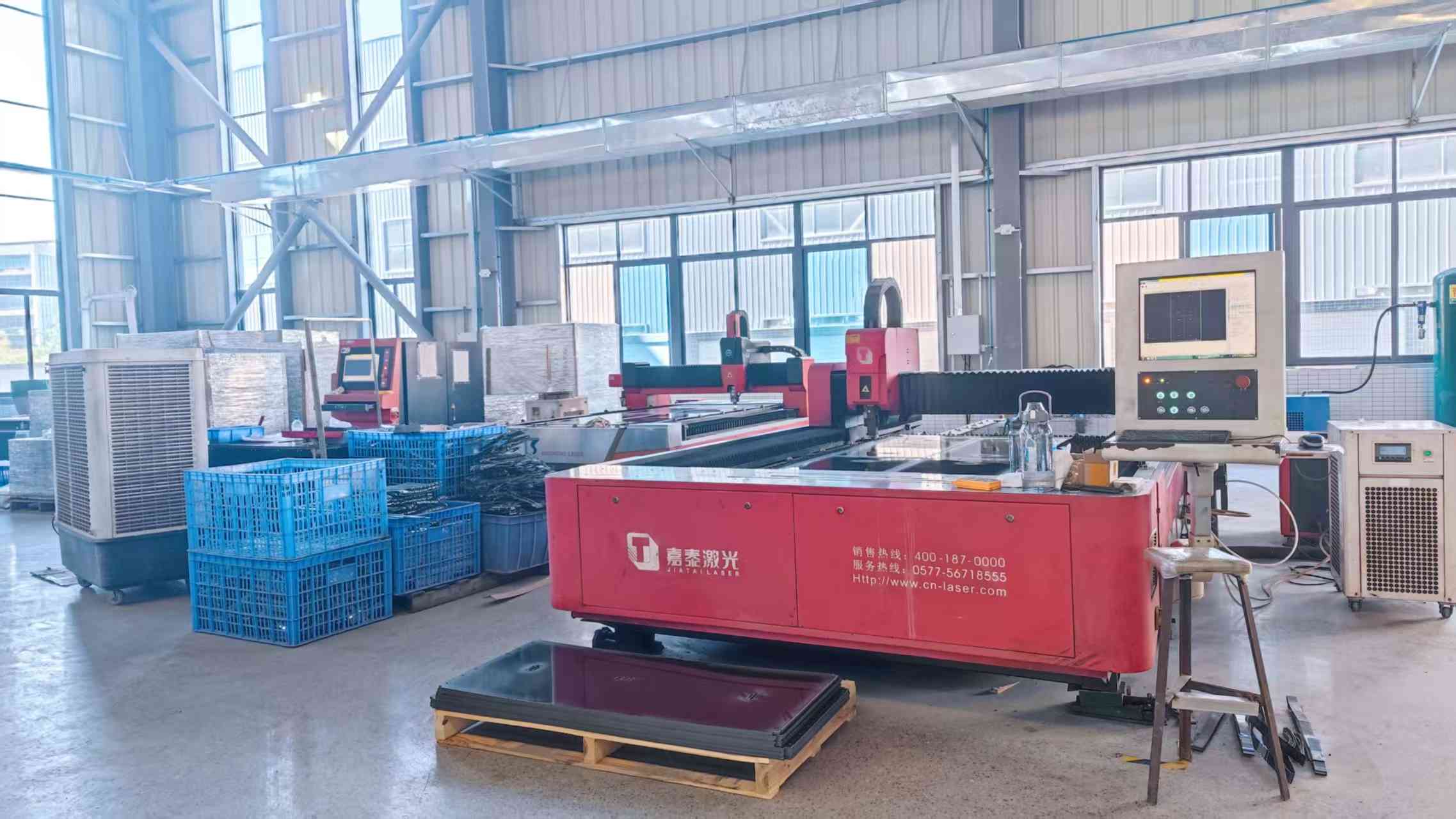
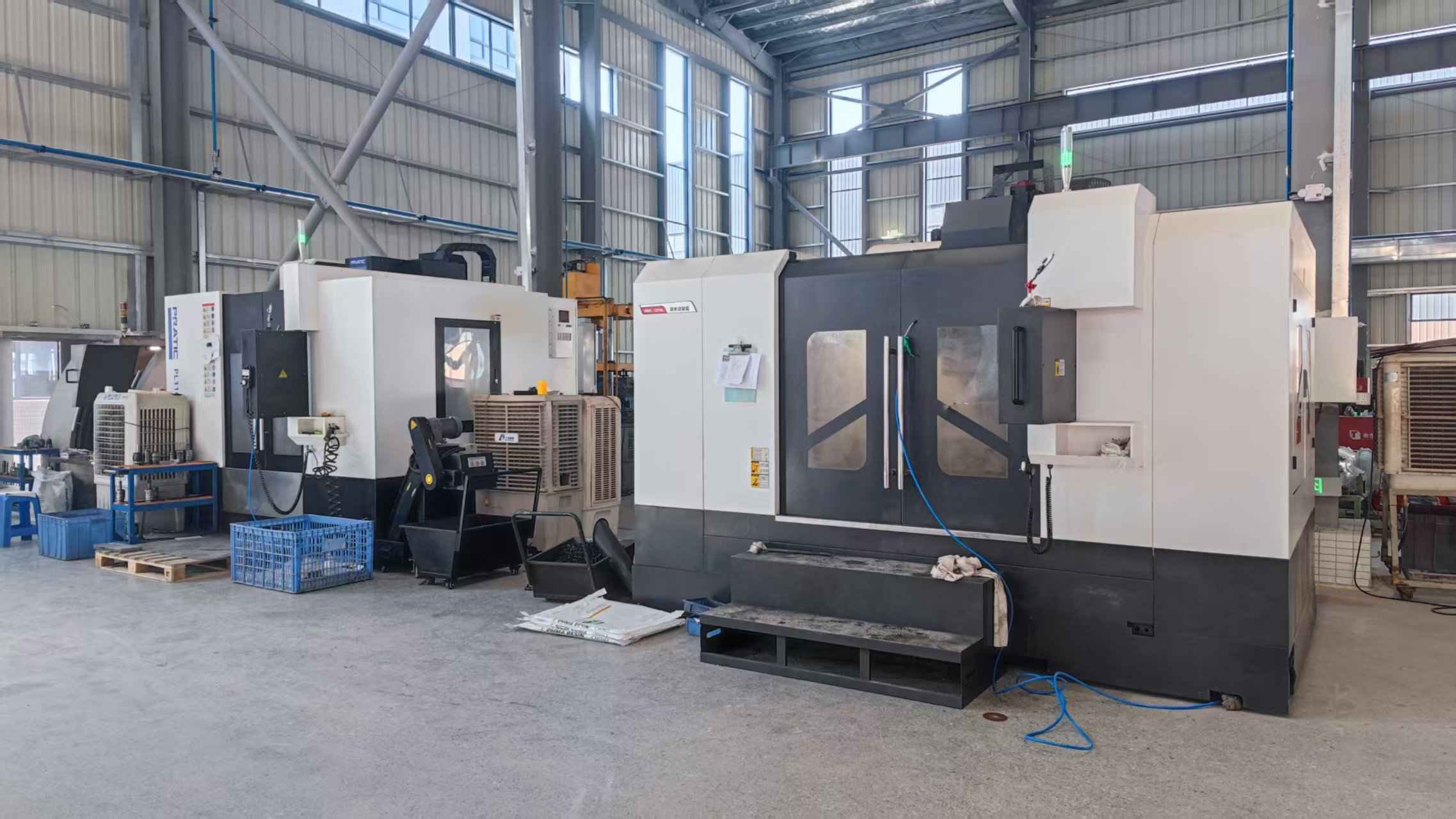
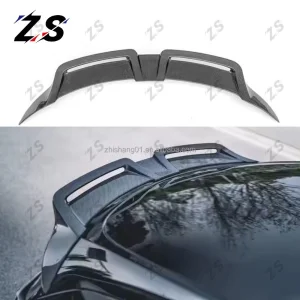
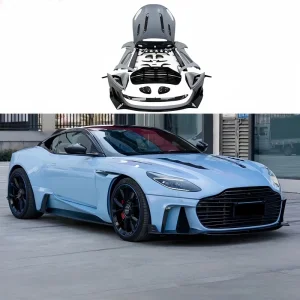
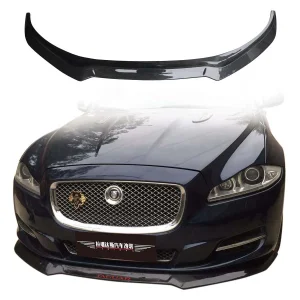
We leverage ABS, Polycarbonate, and Real Carbon Fiber (as seen in our high-end spoilers) to create lightweight, shatterproof housings for vehicle magnifiers. This ensures maximum safety in the event of sudden braking or collisions.
Our engineering team provides full-cycle support, from rapid prototyping using 3D modeling to mass production. Whether you need a branded magnifier for a roadside assistance kit or a specialized tool for fleet maintenance, we deliver.
Strategically located in Guangzhou, we tap into one of the world's most dense logistics networks. We offer DDP, CIF, and FOB shipping terms with real-time tracking to North America, Europe, and the Middle East.
In the realm of Portable Vehicle Magnifiers, compliance is not just a checkbox; it is a life-saving requirement. European markets demand CE and REACH certification for all cabin-interior plastics to ensure zero toxic outgassing. Meanwhile, North American importers prioritize DOT compliance for any visual aid that might affect a driver's field of view.
At Guangzhou Molas Auto Co., Ltd., we understand that "Information Gain" in SEO comes from real-world expertise. Our products are tested for Optical Aberration Control, ensuring that the magnification does not distort the user's perception of distance—a critical factor when reading maps or inspecting engine serial numbers in low-light conditions.
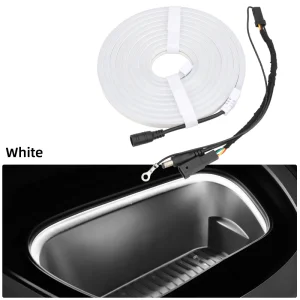
The industry is currently shifting toward Hybrid Visual Aids. We are investing in R&D for magnifiers that integrate LED COB (Chip on Board) lighting systems, mirroring the technology used in our Tesla Ambient Light series. This trend addresses the growing "Silver Tsunami" (aging driver population) who require enhanced illumination combined with magnification.
Furthermore, the "Smart Factory" initiative has allowed us to reduce waste by 30% through precision Milling Machines and Hydraulic Presses, aligning our export operations with global sustainability (ESG) goals. For global enterprises, this means a more stable supply chain and more competitive unit pricing without sacrificing the "Premium" feel expected of luxury car accessories.
Used by logistics companies in Germany and the USA for inspecting microscopic cracks in engine manifolds and pressure sensors (such as our Volvo/Fiat Pressure Sensors).
Ideal for inclusion in premium roadside emergency bags, marketed toward luxury vehicle owners (Mercedes, BMW, Audi) who value precision tools.
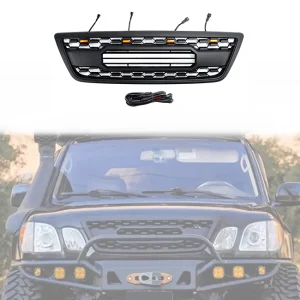
Integrating with rugged accessories like our Lexus LX470 Grilles, these magnifiers help off-roaders read topographical maps or inspect tire integrity in harsh environments.
A: We use thermal-stabilized optical-grade acrylic and PC materials that resist yellowing and deformation up to 110°C, far exceeding standard consumer magnifiers.
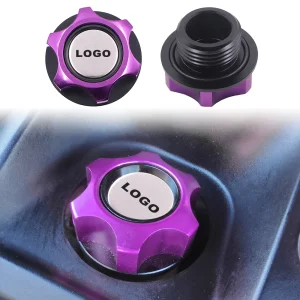
A: Yes, we offer laser etching for logos and customized packaging. Our CNC Machining Center allows us to create bespoke housing shapes according to your brand's aesthetic.
A: For standard configurations, production takes 15-20 days. Combined with our sea or air freight solutions, total delivery typically ranges from 25 to 35 days.
A: Absolutely. We encourage global procurement managers to test our samples for optical clarity and impact resistance before committing to large-scale orders.
 Molas Auto