Advanced exterior, interior, and safety upgrade kits designed to seamlessly integrate with Japanese Right-Hand Drive (RHD) vehicles and strict Shaken inspection protocols.

The Japanese import automotive segment is dominated by premium European brands, among which Audi holds a prestigious market share. With the distinctive "JDM Euro" tuning subculture flourishing in cities like Tokyo, Osaka, and Yokohama, the demand for high-end accessories is unique. Owners of models like the Audi A3, A4, A6, Q5, and R8 in Japan do not settle for standard aftermarket elements. They demand visual perfection, extreme durability, and strict compliance with local transport policies.
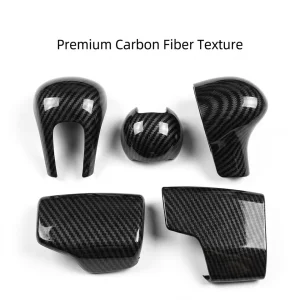
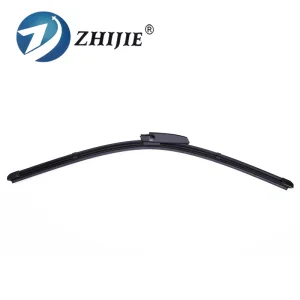
Due to the humid climate conditions, frequent precipitation, and coastal salt exposure in various parts of Japan, exterior auto parts—such as wiper blades, body kits, and carbon fiber components—must satisfy rigorous environmental metrics. Standard replacement parts degrade quickly. This is why Japanese commercial buyers, importers, and auto tuning houses demand structural testing reports, UV-resistance parameters, and verified component durability before establishing supply chains.
Understanding the strict legislative, cultural, and engineering criteria governing vehicle accessories in the Japanese JDM-Euro market.
In Japan, the periodic vehicle inspection program (known as Shaken (車検)) mandates that any aftermarket body parts, exhaust components, and lighting upgrades comply fully with the road safety regulations set by the Ministry of Land, Infrastructure, Transport and Tourism (MLIT). For instance, carbon fiber spoilers and front bumper lips must possess rounded edges and exact structural mounting points that eliminate risk to pedestrians. Standard aftermarket parts fail this inspection due to poor dimensional stability, leaving importers with unsold stock.
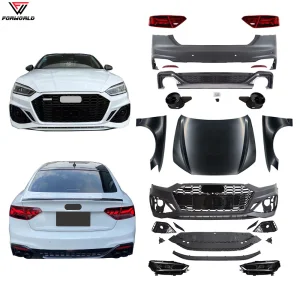
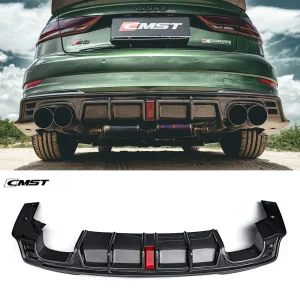
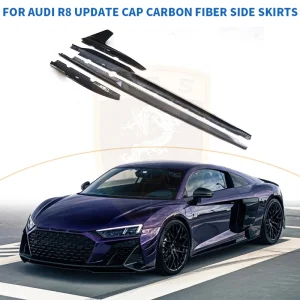
Guangzhou Molas Auto Co., Ltd. resolves this pain point by designing body parts, such as the *Audi A5 to RS5 Front Bumper Conversion Kit* and *Dry Carbon Fiber Side Skirts for the Audi R8*, with 3D scanning technology. Our components maintain OEM-equivalent tolerances, guaranteeing seamless installation and painless passage through Shaken certifications.
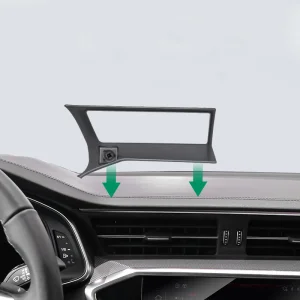
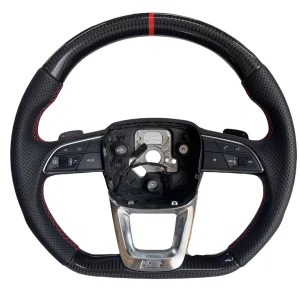
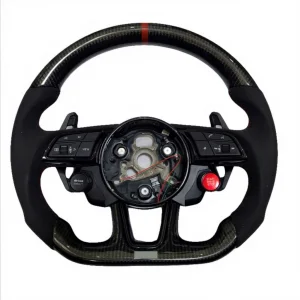
A common issue with global aftermarket suppliers is their focus on Left-Hand Drive (LHD) configurations. Japan's automotive ecosystem relies completely on Right-Hand Drive layouts. Accessories like steering wheel hubs, custom carbon fiber steering wheels, retractable trunk covers, and interior phone holders must align with the mirror-image console architecture.
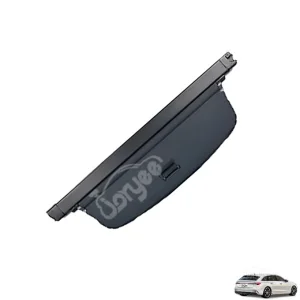
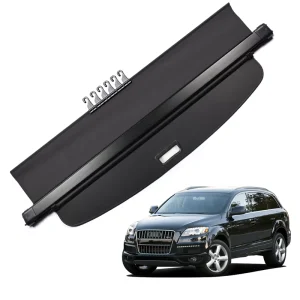
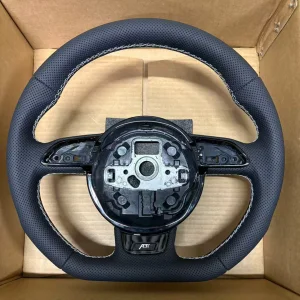
Our engineering team conducts RHD-specific modeling for all console, steering, and cargo-space accessories. This guarantees that elements like the *Joryee Retractable Cargo Cover for Audi Q5* and our custom leather steering wheels align perfectly with the glove compartment, center console, and steering column angles of Japanese domestic models.
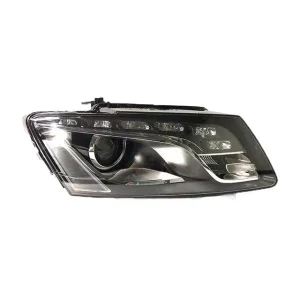
Any automotive electronic or electrical accessory (like LED headlights, dynamic mirrors, or smart key covers with signal relays) imported into Japan must prevent RF noise interference. Our LED and electrical lines are shielded to satisfy VCCI electromagnetic emission guidelines, protecting crucial cabin sensor systems.
How Guangzhou Molas Auto Co., Ltd. serves import auto networks, dealerships, and bulk trade partners across Japan.
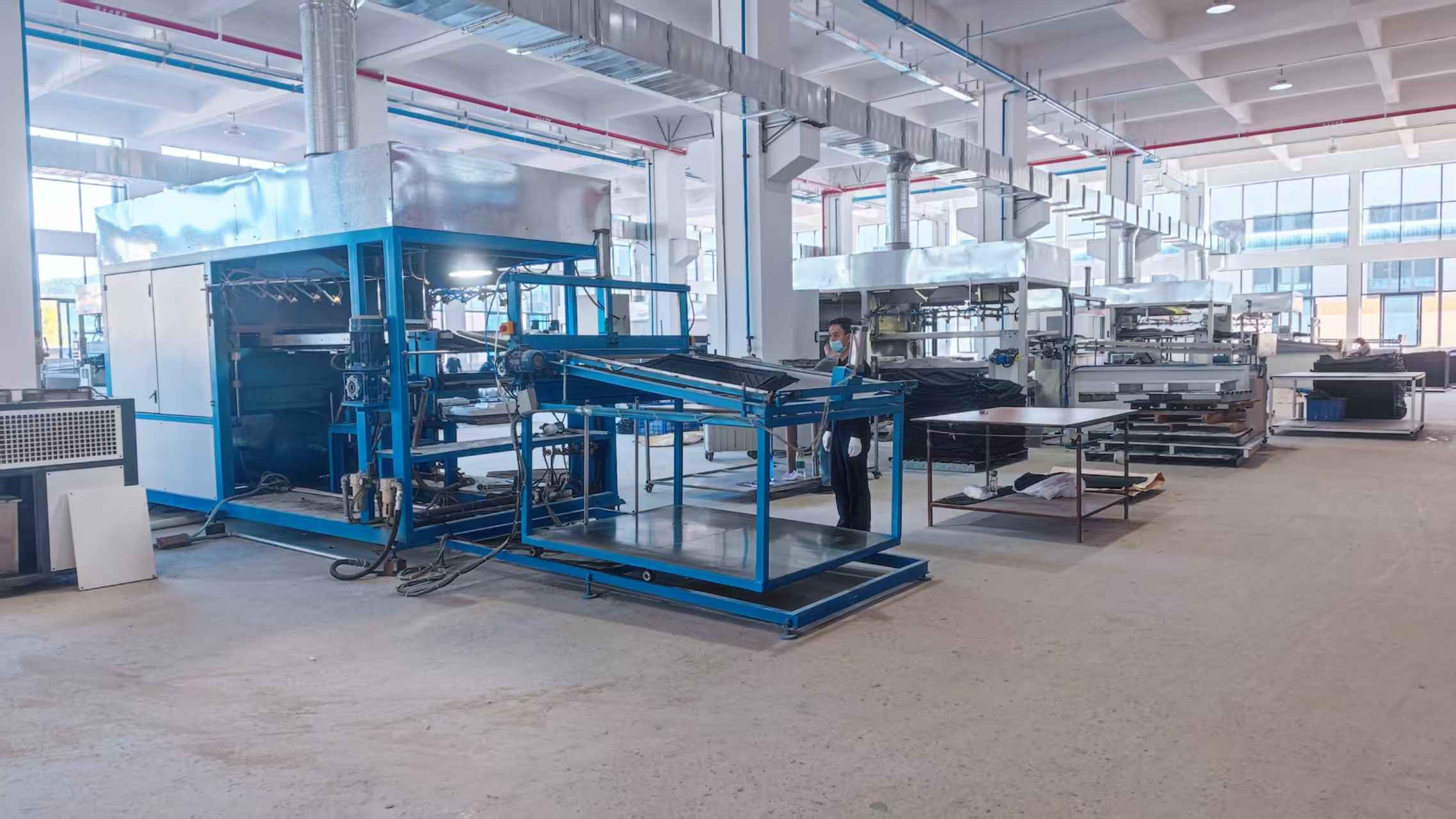
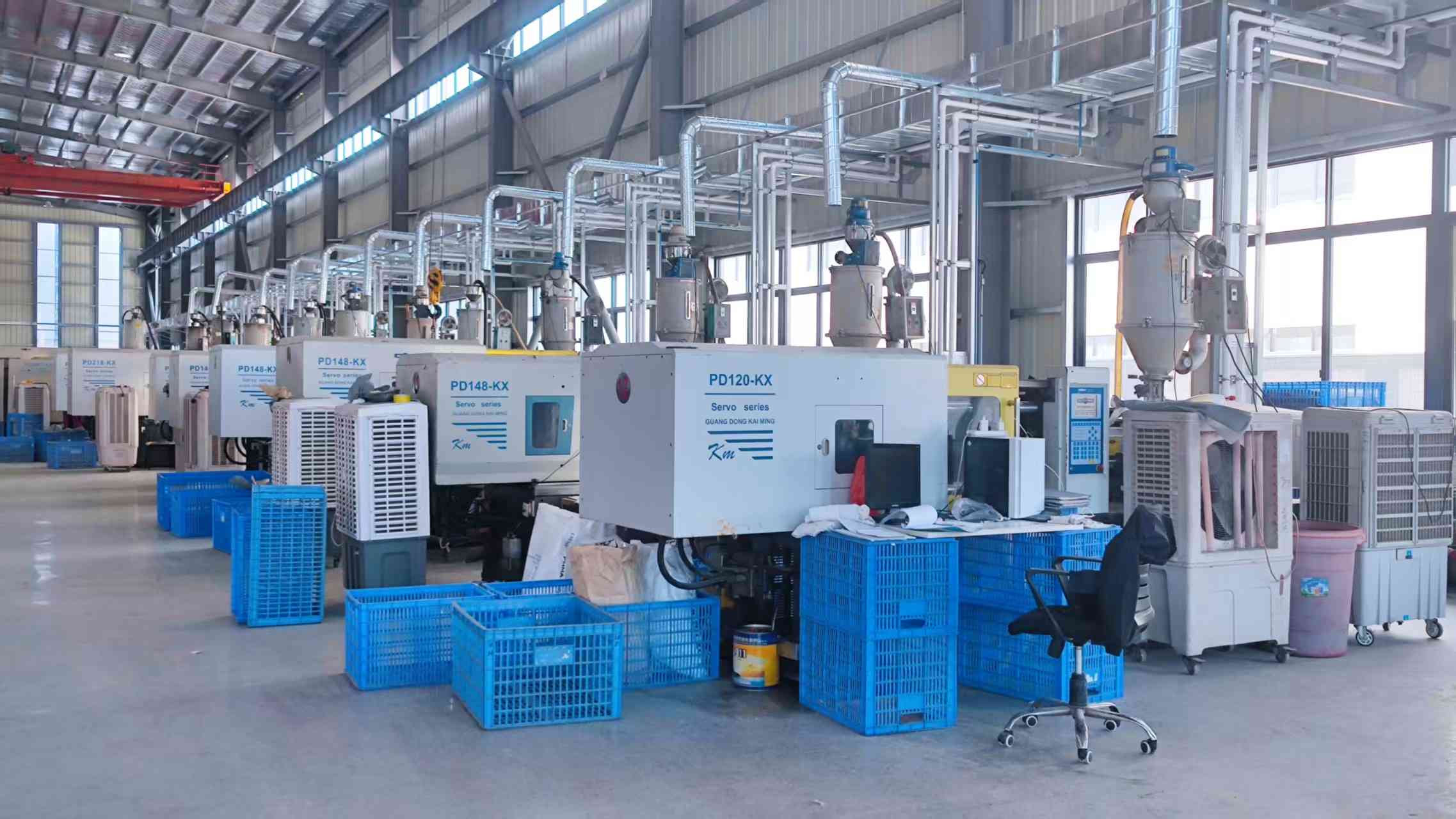
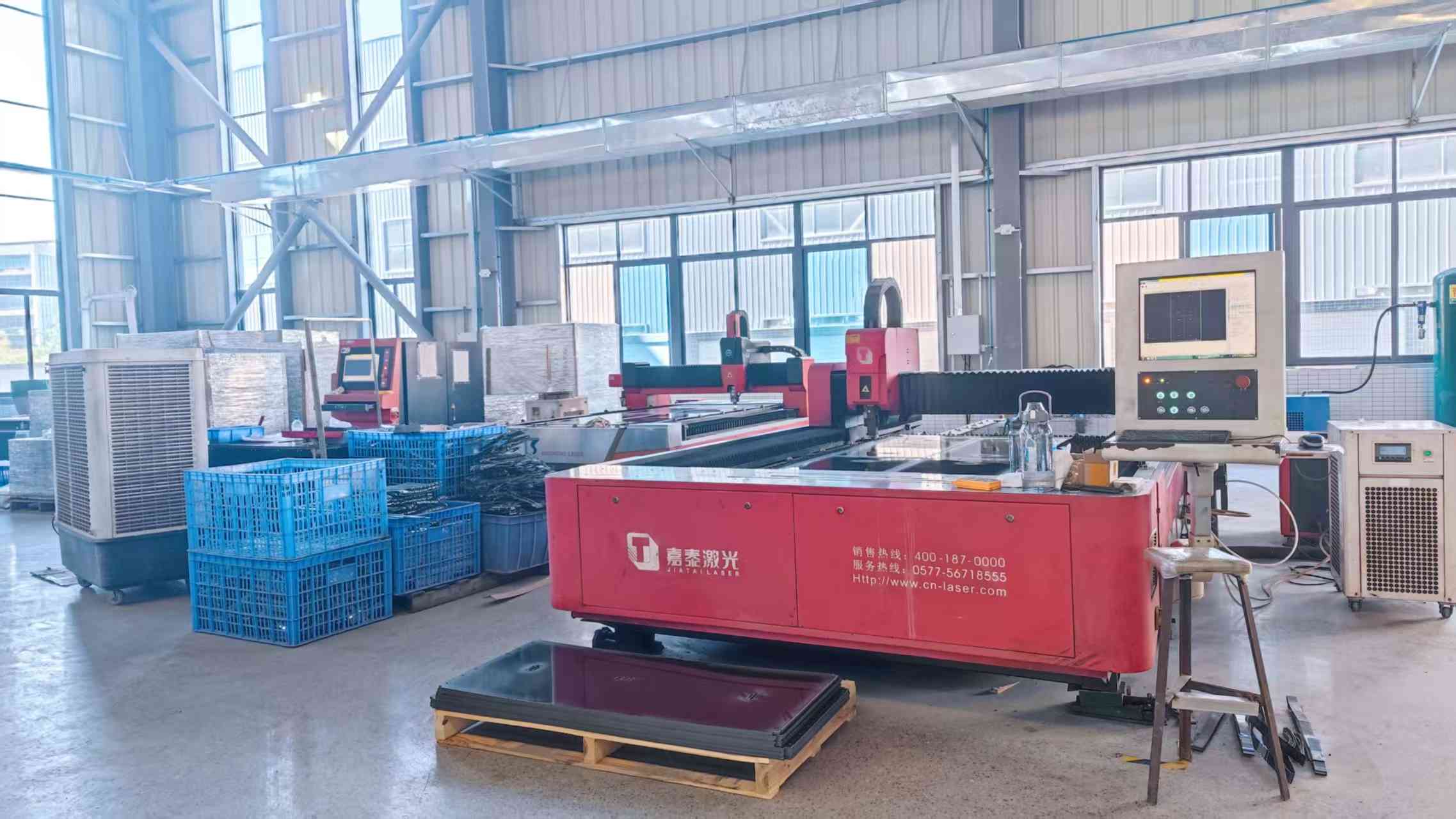
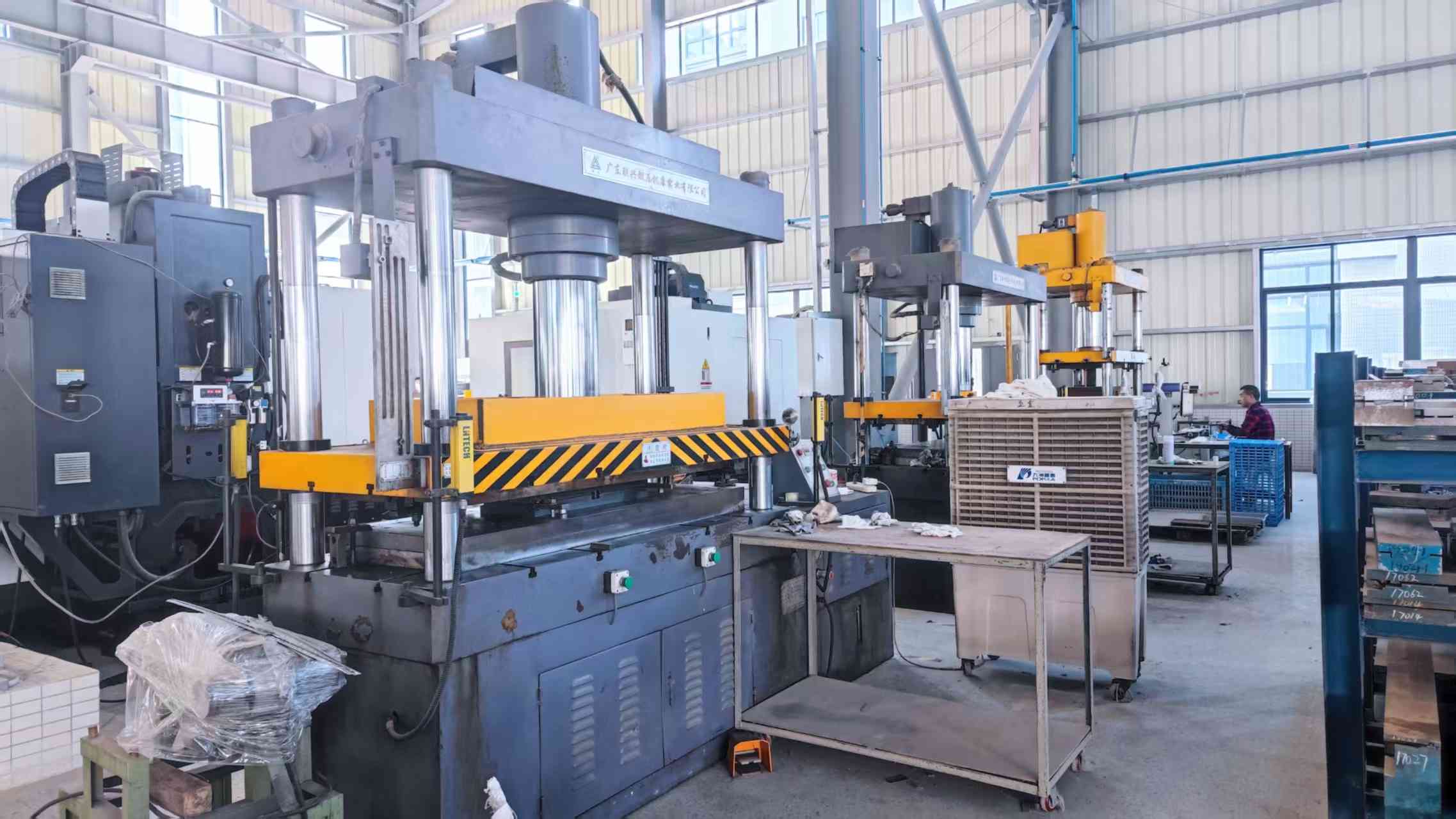
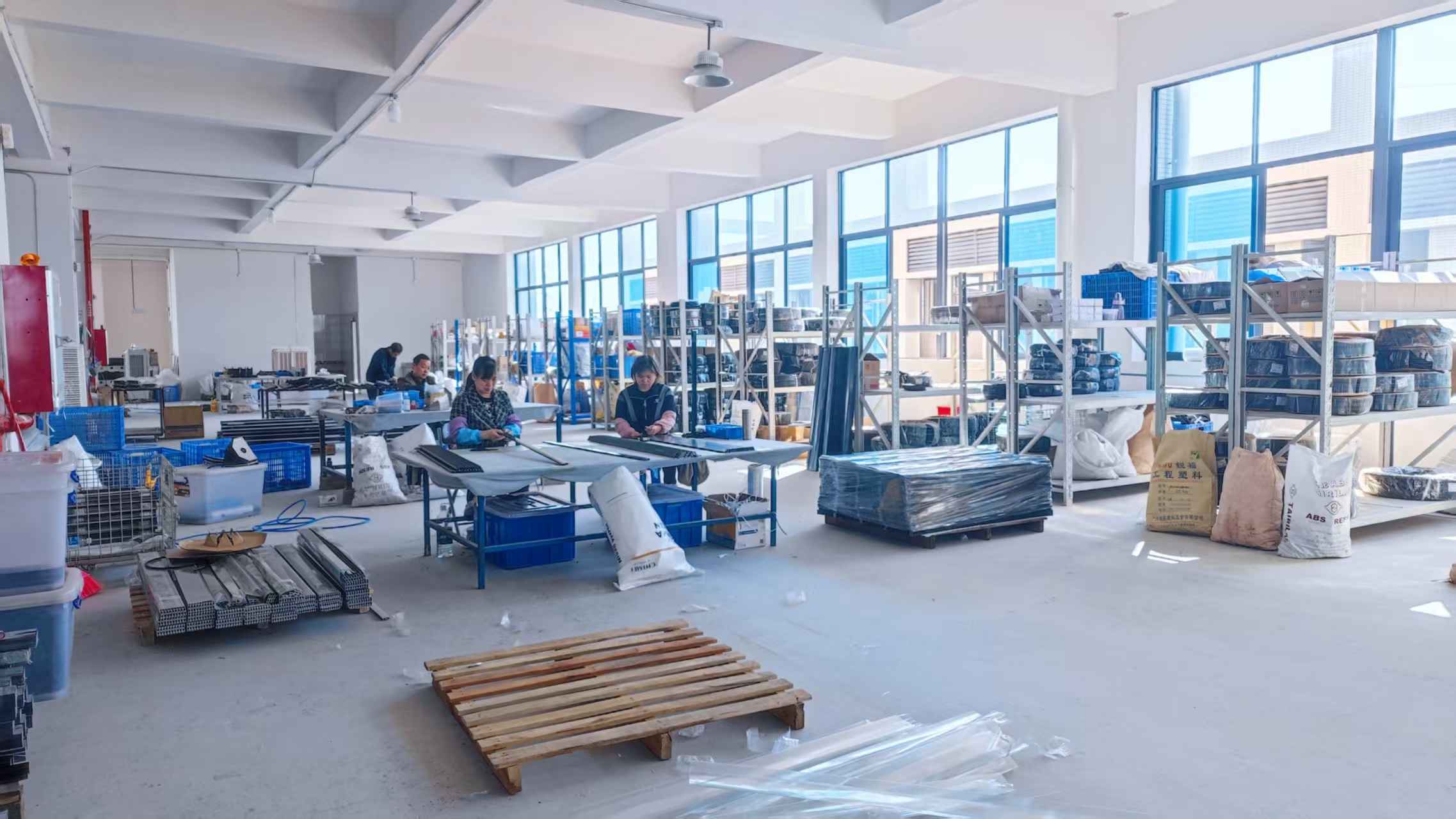
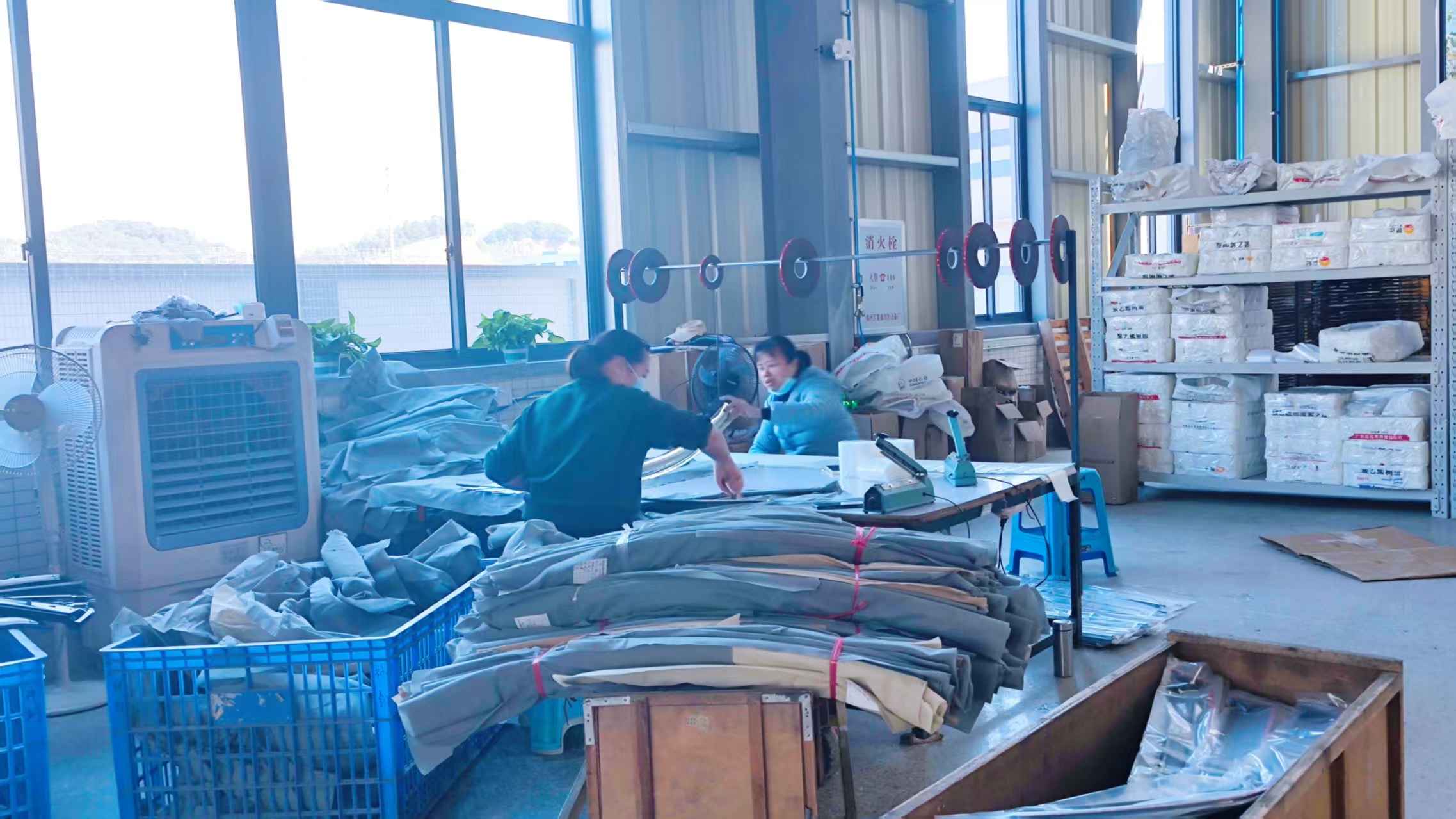
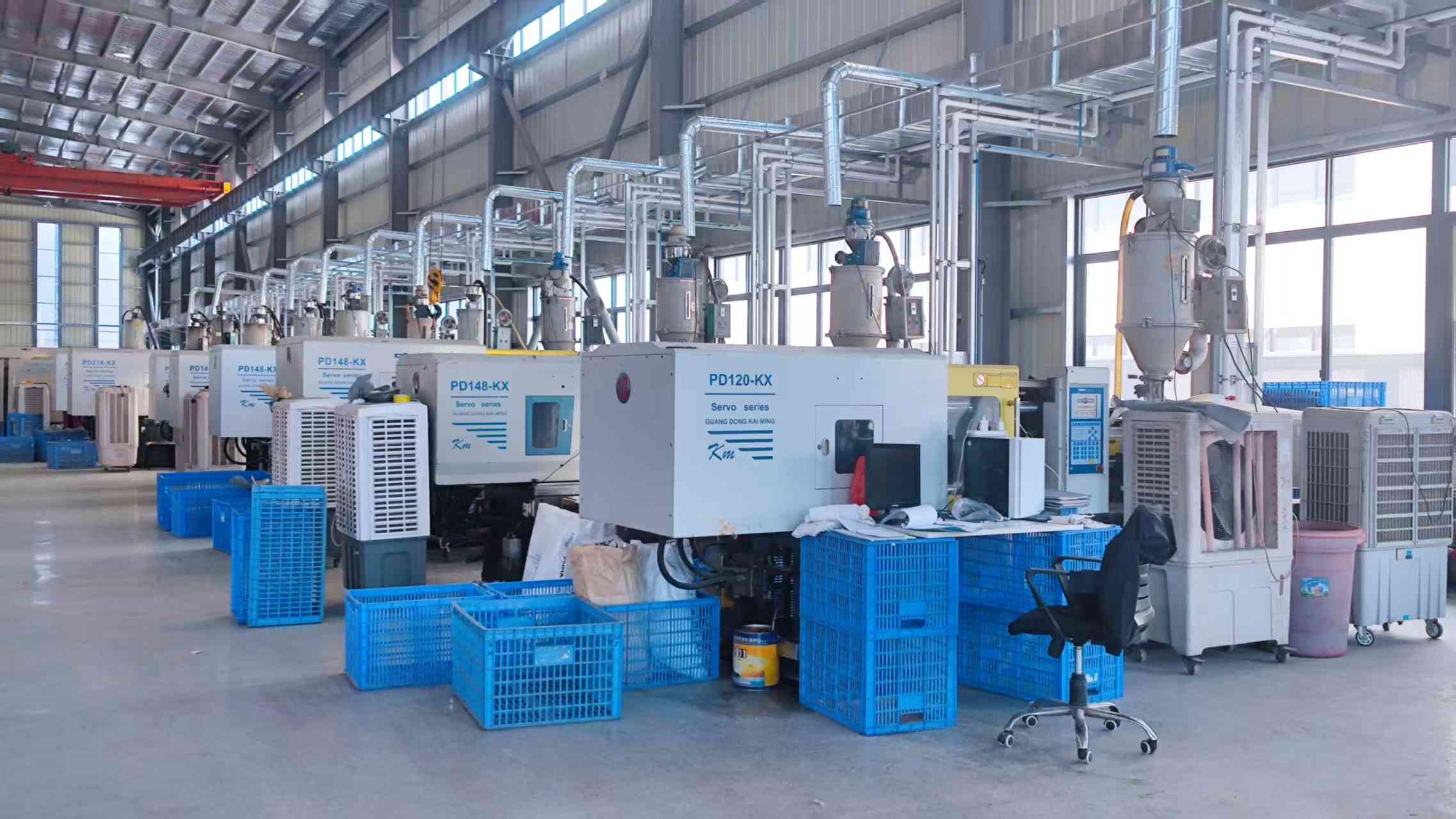
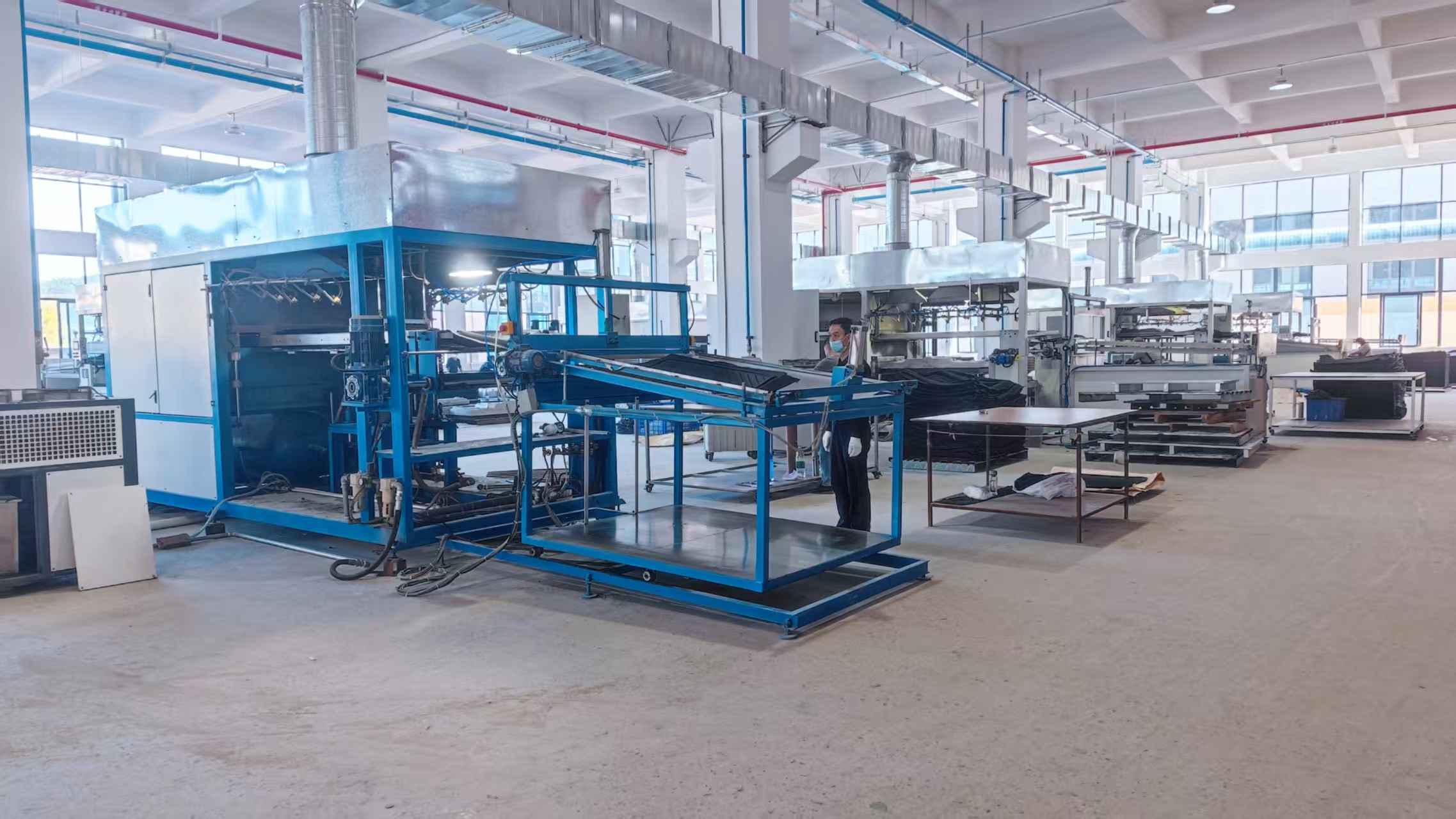
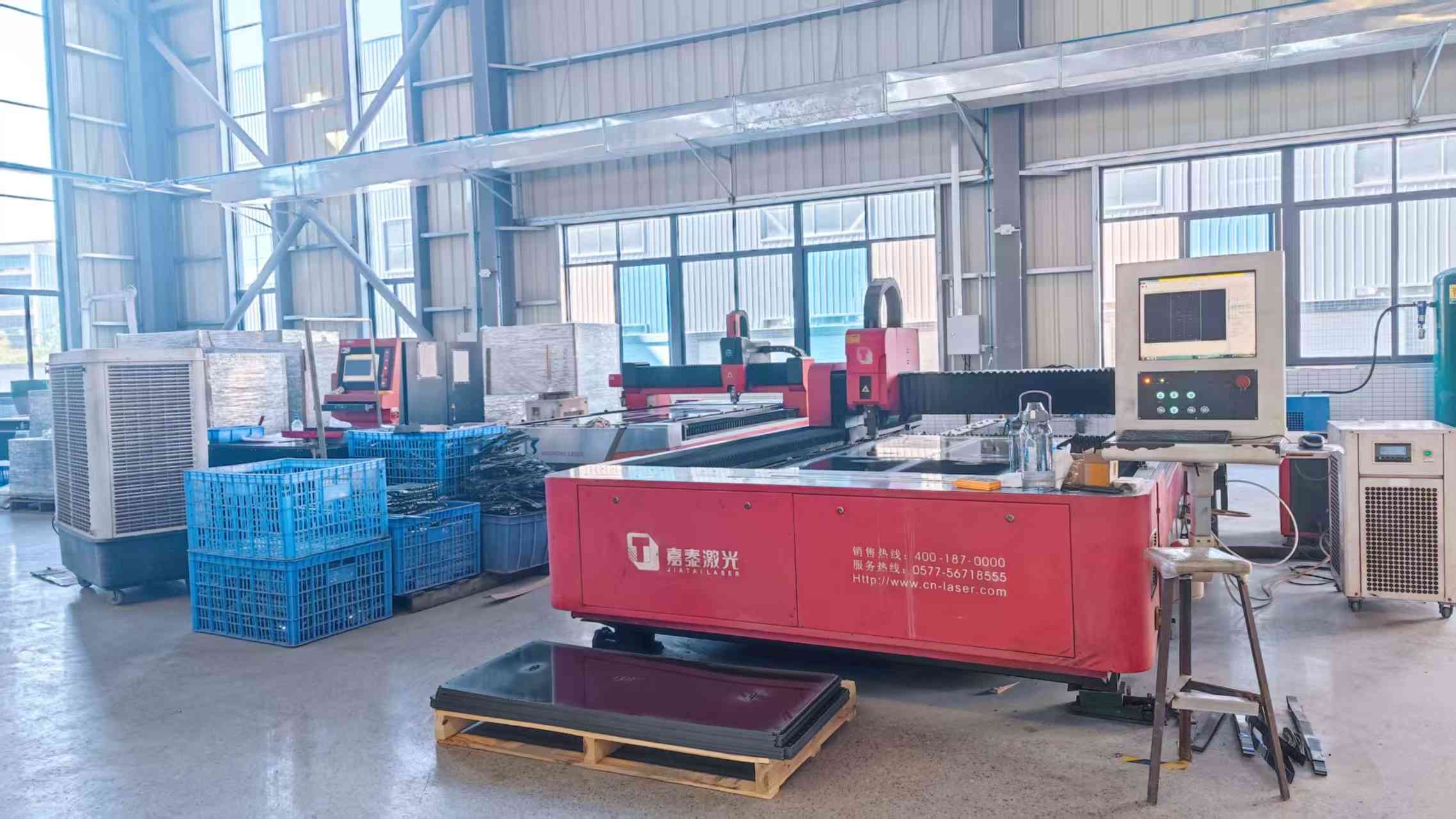
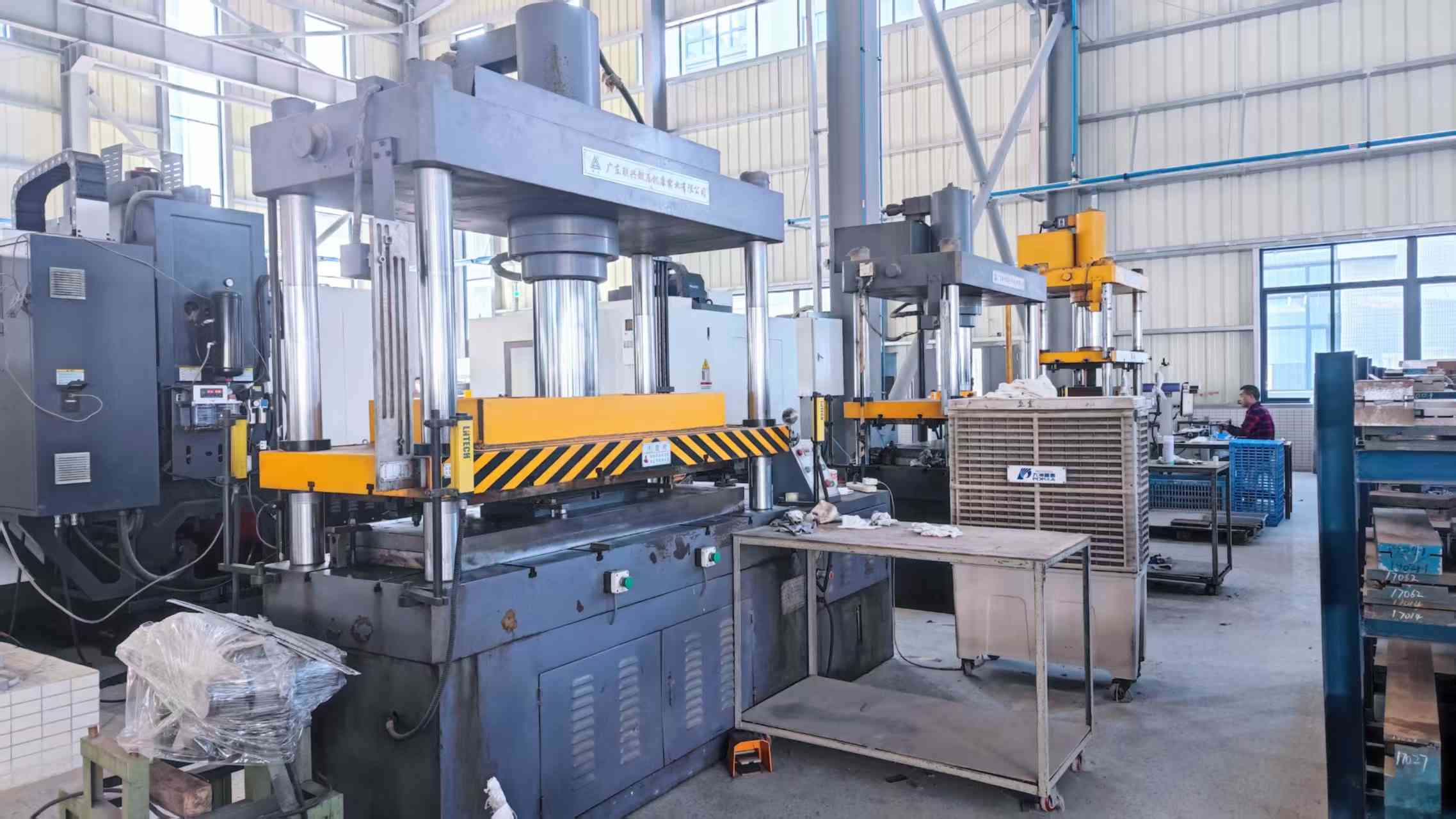
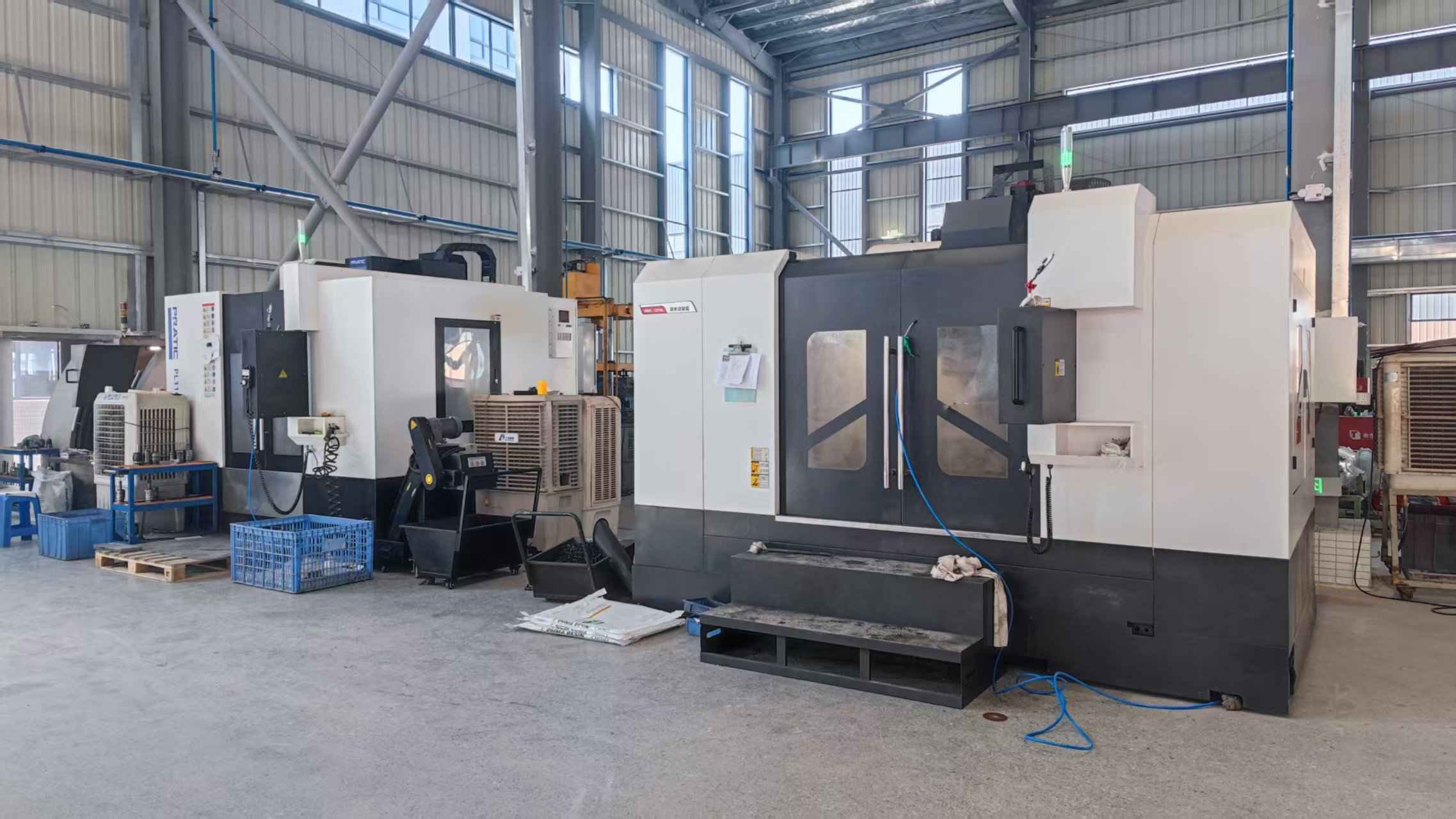
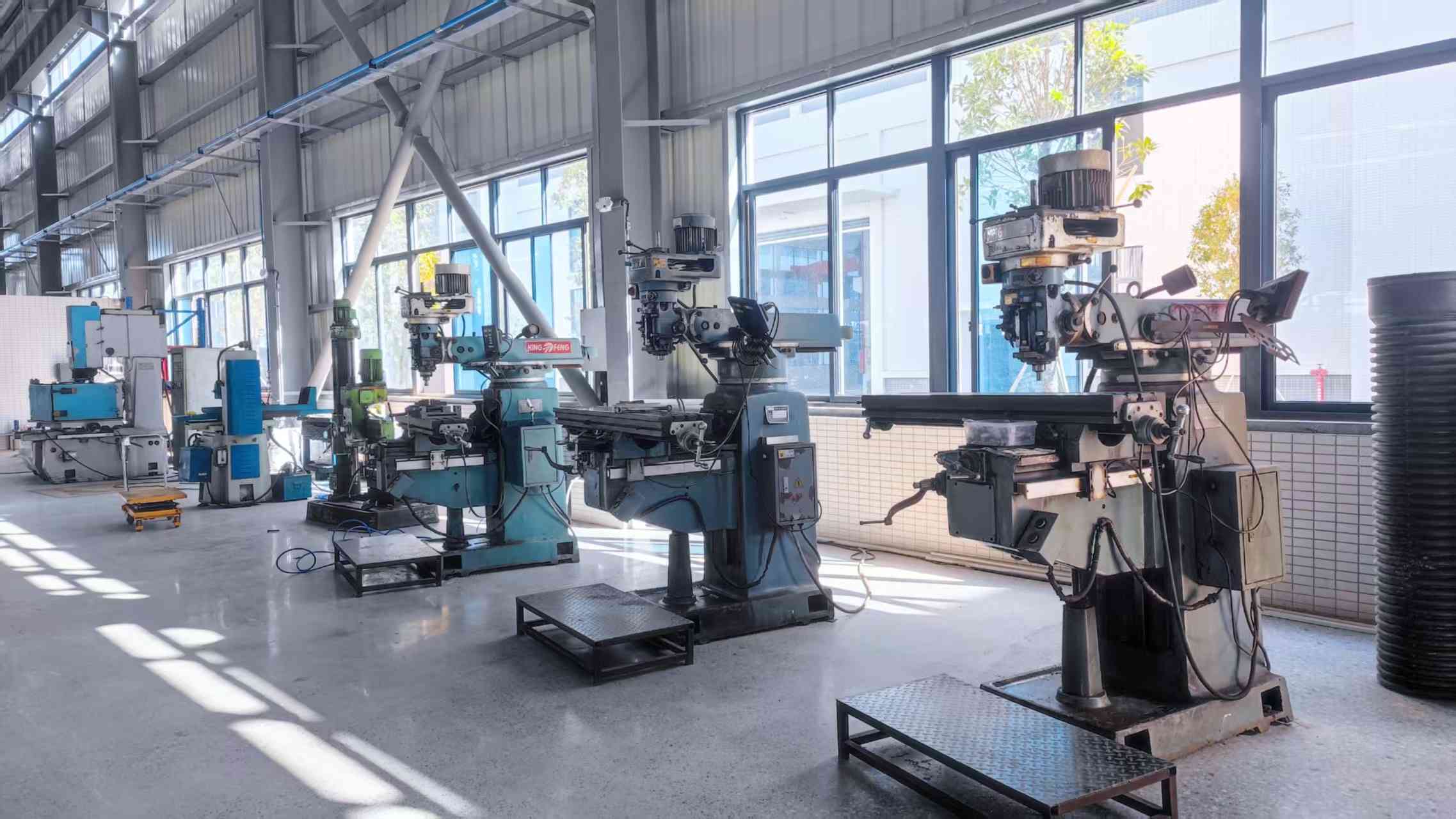
Operating from our central manufacturing hubs in Guangzhou, China, we leverage state-of-the-art injection molding, laser cutting, and hydraulic systems to manufacture parts with exceptional structural integrity. Our raw materials—ranging from aerospace-grade dry carbon fiber to natural raw rubbers for wiper blades—are sourced from vetted global suppliers to guarantee longevity under extreme weather conditions, such as the heavy snows of Hokkaido or the intense summer humidity of Okinawa.
For corporate buyers seeking custom solutions, our OEM/ODM department can engineer bespoke components from physical samples or high-fidelity CAD files. Our advanced CNC machining centers allow for rapid prototyping, enabling Japanese tuning companies and wholesalers to bring new designs to market ahead of the competition.
Request Technical SpecificationsA granular look at the engineering specifications we implement across our Audi accessory production lines.
| Accessory Category | Primary Material Selection | Japanese Market Standard Alignment | Key Performance Attribute |
|---|---|---|---|
| Carbon Fiber Body Kits | Dry Carbon Fiber (Autoclave cured) | MLIT Pedestrian Safety Act Compliant | Exceptional strength-to-weight ratio, high UV-resistance lacquer |
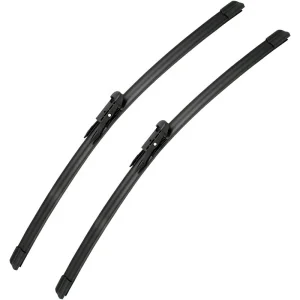
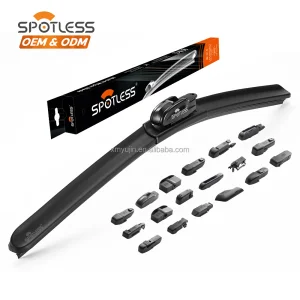
| Performance Wiper Blades | Soft Silica Gel / EPDM Natural Rubber | JIS D5710 Automotive Performance Grade | Smooth operation, streak-free performance in acid rain |
| Bumper Assemblies | Impact-resistant PP (Polypropylene) | OEM Placement & Under-guard Compatibility | Resists low-temperature fractures and road impact |
| Interior Cargo Covers | Flame-retardant Canvas & Aluminum Alloy | FMVSS 302 Flammability Standards | Scratch-resistant fabric with robust recoil mechanism |
| Sport Steering Wheels | Nappa Leather & Alcantara | Shaken SRS Airbag Placement Specifications | Enhanced ergonomic grip with heat-dissipating texture |
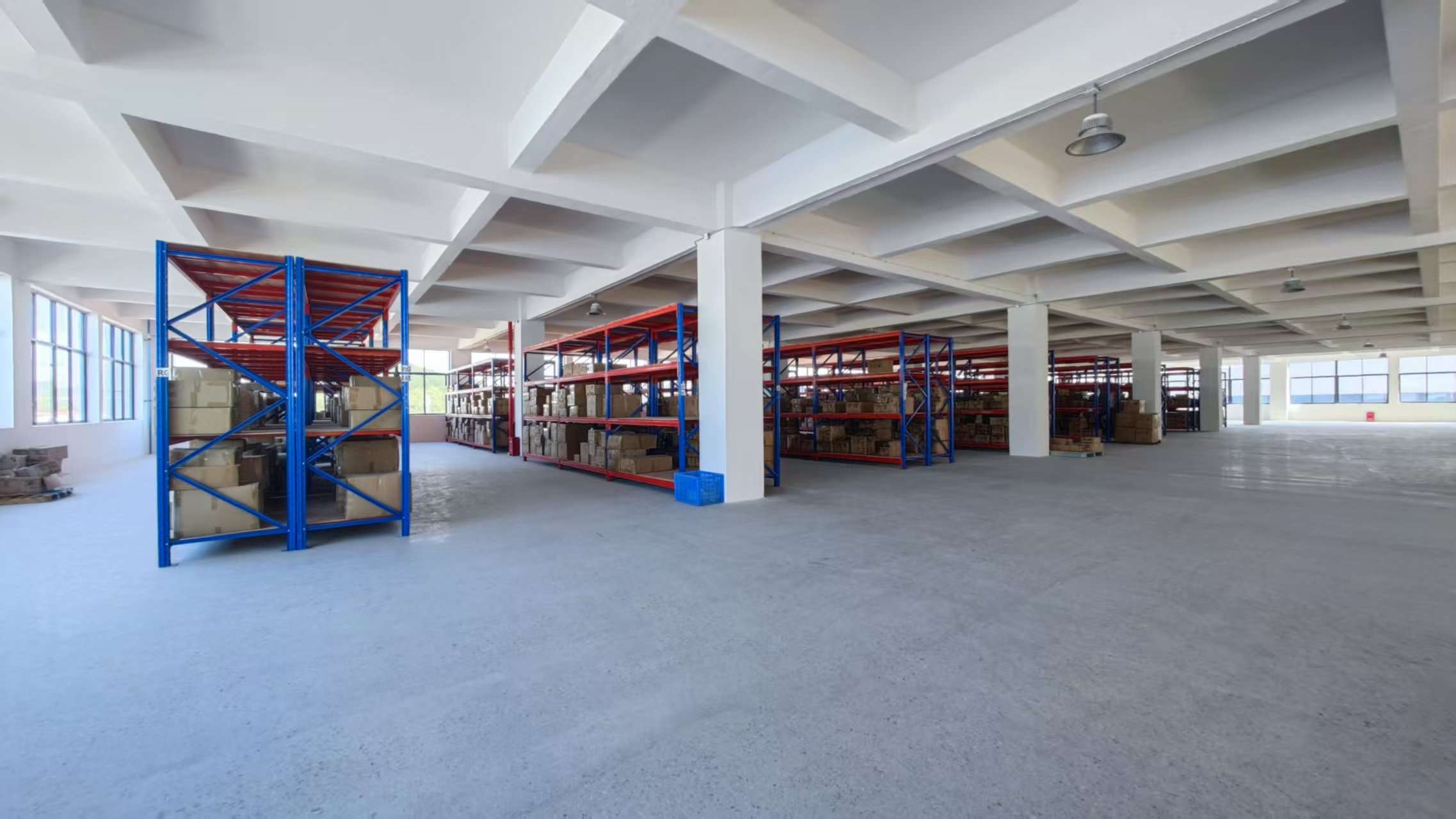
Visualizing our advanced mechanical workflows, assembly lines, and global storage hubs located in Guangzhou.
As the premium automotive market pivots toward electric mobility, smart infotainment integration, and lightweight carbon composites, Guangzhou Molas Auto is continuously investing in forward-looking designs. For the latest Audi e-tron, e-tron GT, and smart hybrid platforms popular in Tokyo, we are integrating lightweight structural components to minimize drag coefficient and support EV range optimization.
Our future technology catalog includes intelligent steering wheels equipped with capacitive touch arrays, biodegradable cabin materials that align with Japan's recycling and green initiatives, and premium optical coatings for headlights to improve performance and minimize glare. Importers partnering with us gain early access to these cutting-edge automotive developments.
Essential guidance on importing, compliance, and custom ordering for Japanese automotive distributors.
Browse our full collection of exterior styling kits, premium interior upgrades, and replacement parts engineered for Japanese luxury import models.
 Molas Auto