Explore our top-tier precision automotive components, engineered to meet stringent OEM standards and performance benchmarks.
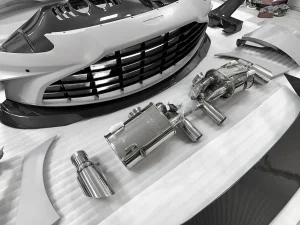
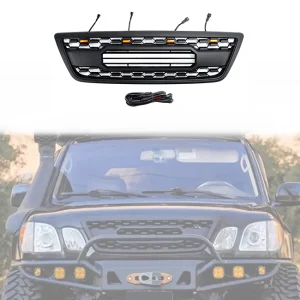
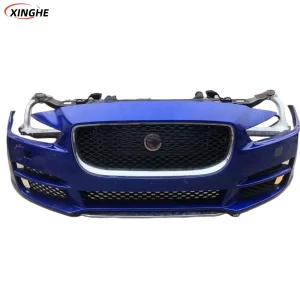
In the automotive aftermarket and original equipment manufacturer (OEM) support sectors, custom grilles represent far more than visual statements. From an engineering perspective, a custom grille dictates aerodynamic efficiency, thermodynamic cooling capacity, structural integrity, and the optimal deployment of advanced driver assistance systems (ADAS) such as millimeter-wave radar and proximity sensors. For tier-1 procurement managers and global automotive styling brands, finding a top-tier manufacturing partner is key to balancing cosmetic excellence with rigorous functional standards.
The manufacturing of custom grilles relies on multiple fields of engineering, including high-precision injection molding, sheet metal fabrication, custom CNC machining, and state-of-the-art polymer chemistry. A high-quality manufacturer must guarantee that the final component can withstand extreme environmental conditions, from high-speed sand impact testing to intense UV exposure, without suffering structural fatigue, paint degradation, or cracking.
Guangzhou Molas Auto Co., Ltd. is a professional manufacturer and global supplier specializing in premium automotive parts and accessories. With years of industry experience, we focus on providing high-quality replacement and aftermarket parts for leading European vehicle brands, including Mercedes-Benz, BMW, Land Rover, Audi, Porsche, and other luxury automotive brands.
Based in Guangzhou, China, Molas Auto integrates manufacturing, sourcing, quality control, and international trade services to deliver comprehensive automotive solutions to customers worldwide. Supported by our advanced production facilities, experienced engineering team, and efficient supply chain management system, we are able to meet diverse customer requirements with reliable products and customized solutions.
We are committed to supplying a wide range of automotive components, including engine parts, suspension parts, steering systems, cooling systems, electrical components, body parts, and other related accessories. Every product undergoes strict quality inspection procedures to ensure stable performance, durability, and compliance with international standards.
Over the years, Molas Auto has established long-term business relationships with customers across South America, Europe, the Middle East, Southeast Asia, Africa, and other international markets. Our reputation is built on product quality, competitive pricing, timely delivery, and professional customer service.
With a customer-oriented approach, we continuously invest in product development, technical innovation, and service improvement. Our experienced sales and technical support teams are always ready to provide professional assistance, helping customers identify the right products and achieve greater business success in their local markets.
Producing custom grilles and advanced body components requires a complete suite of engineering capabilities. Below is an exhaustive breakdown of the production and tooling technologies deployed inside our facilities. Every stage plays a critical role in guaranteeing structural alignment, surface finish longevity, and precise mechanical fitment.
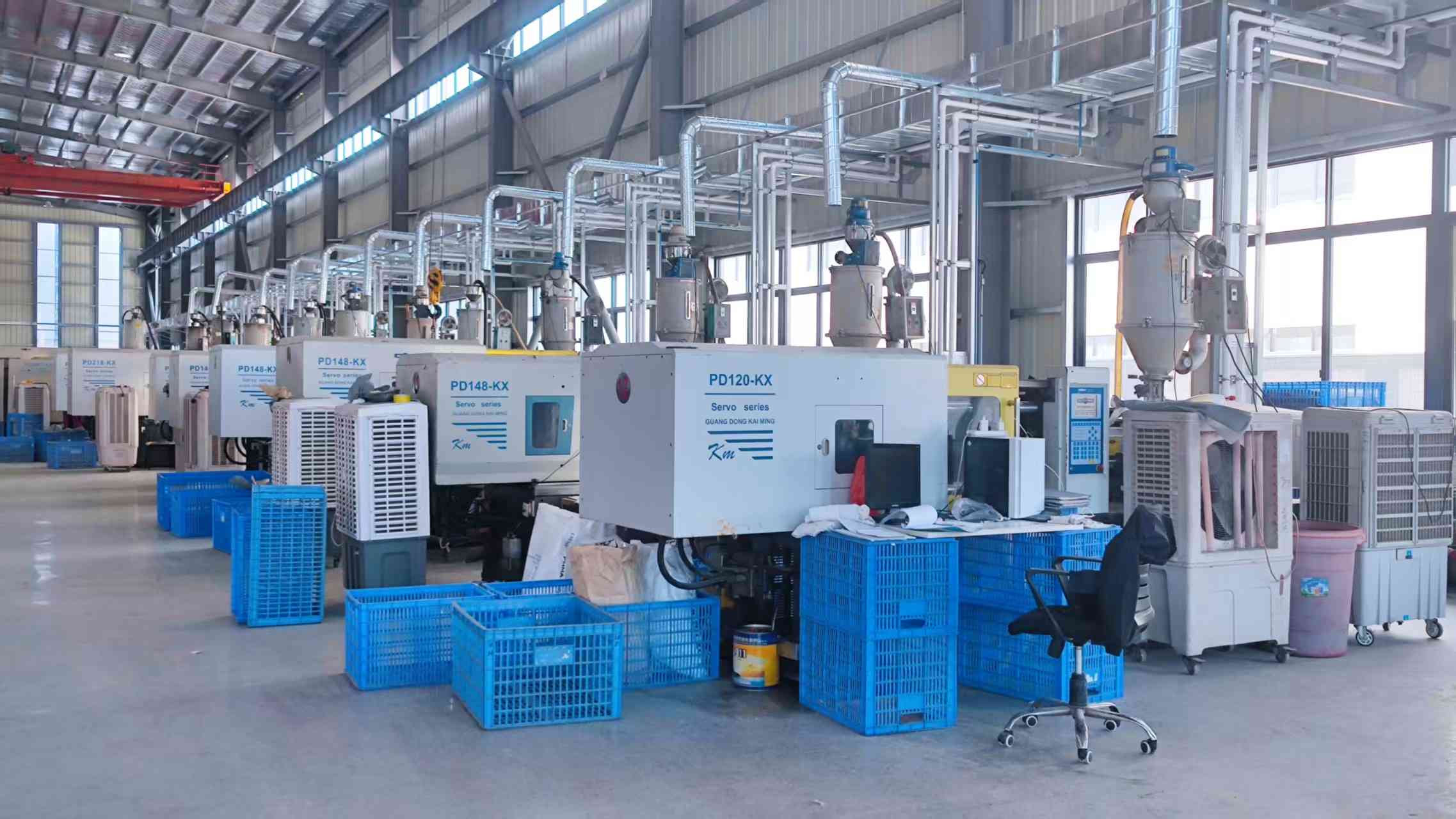
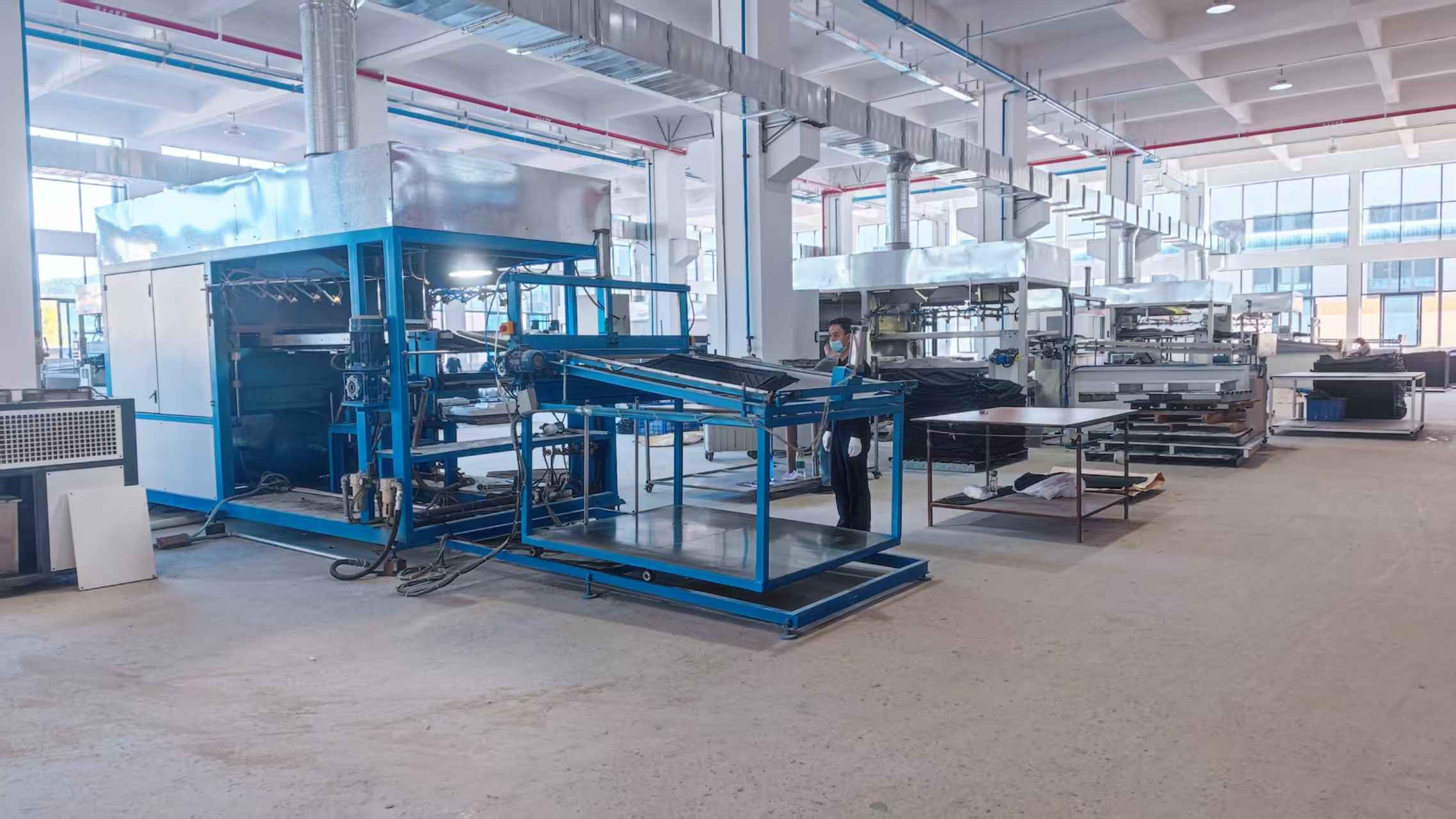
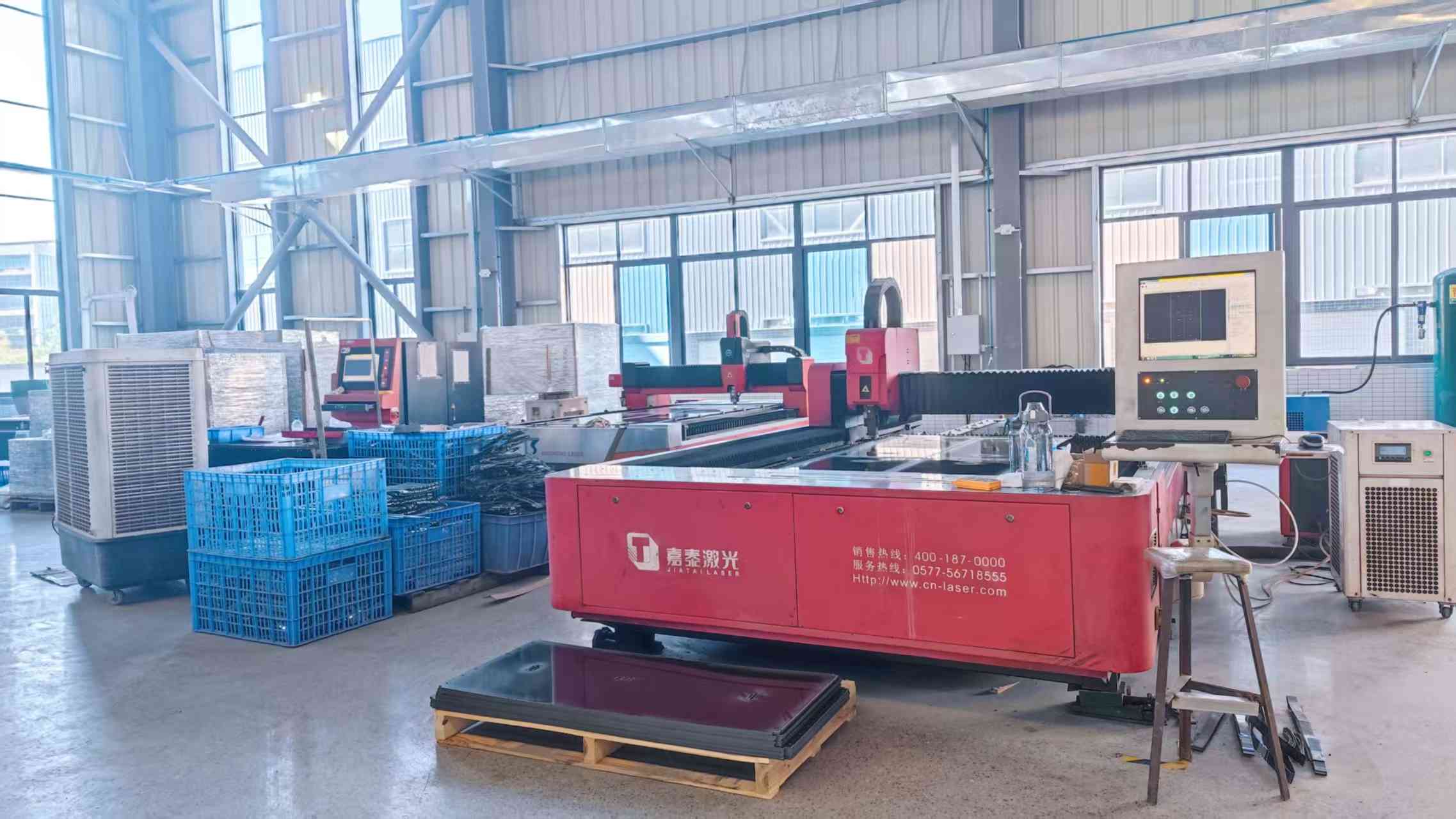
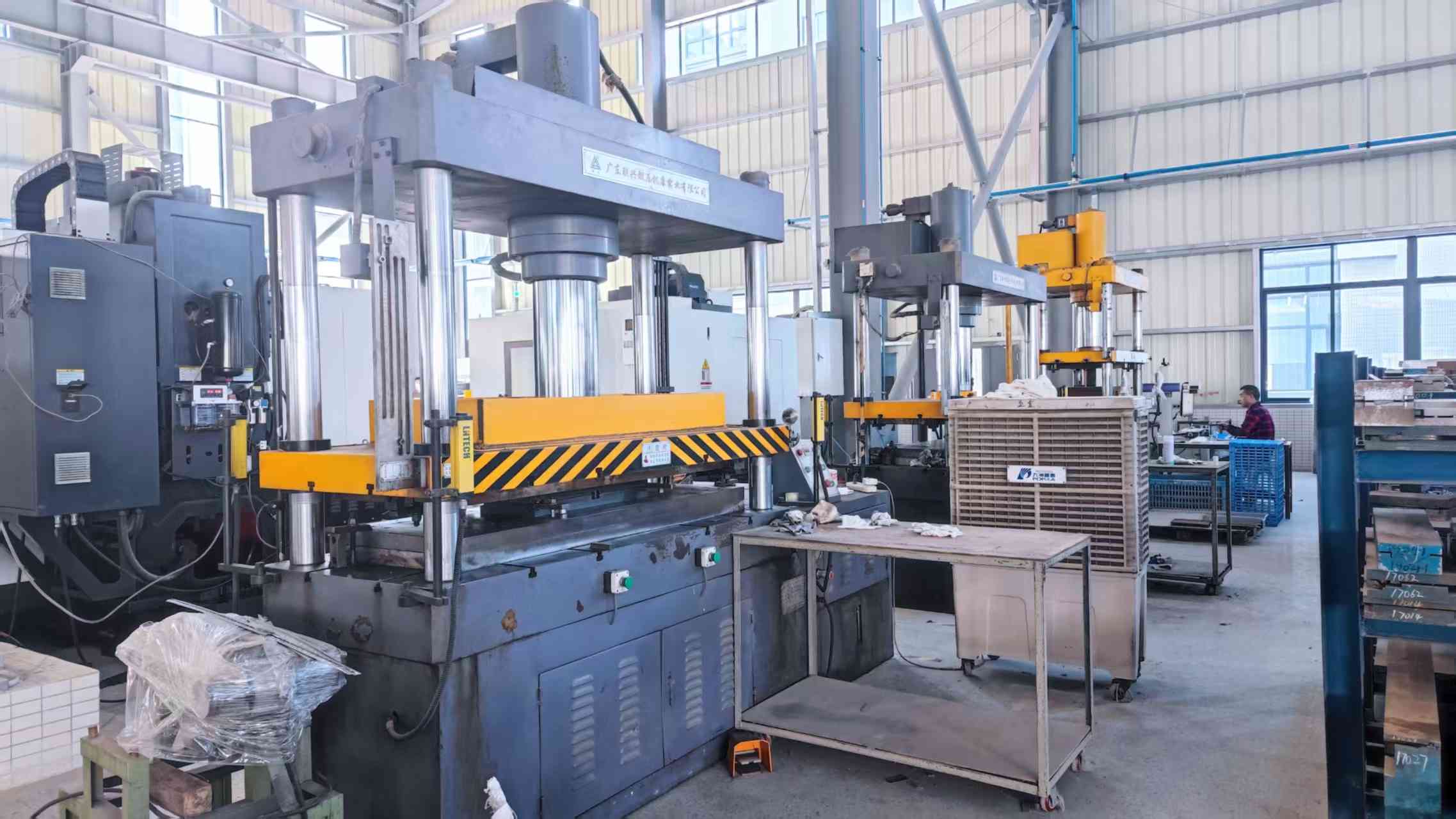
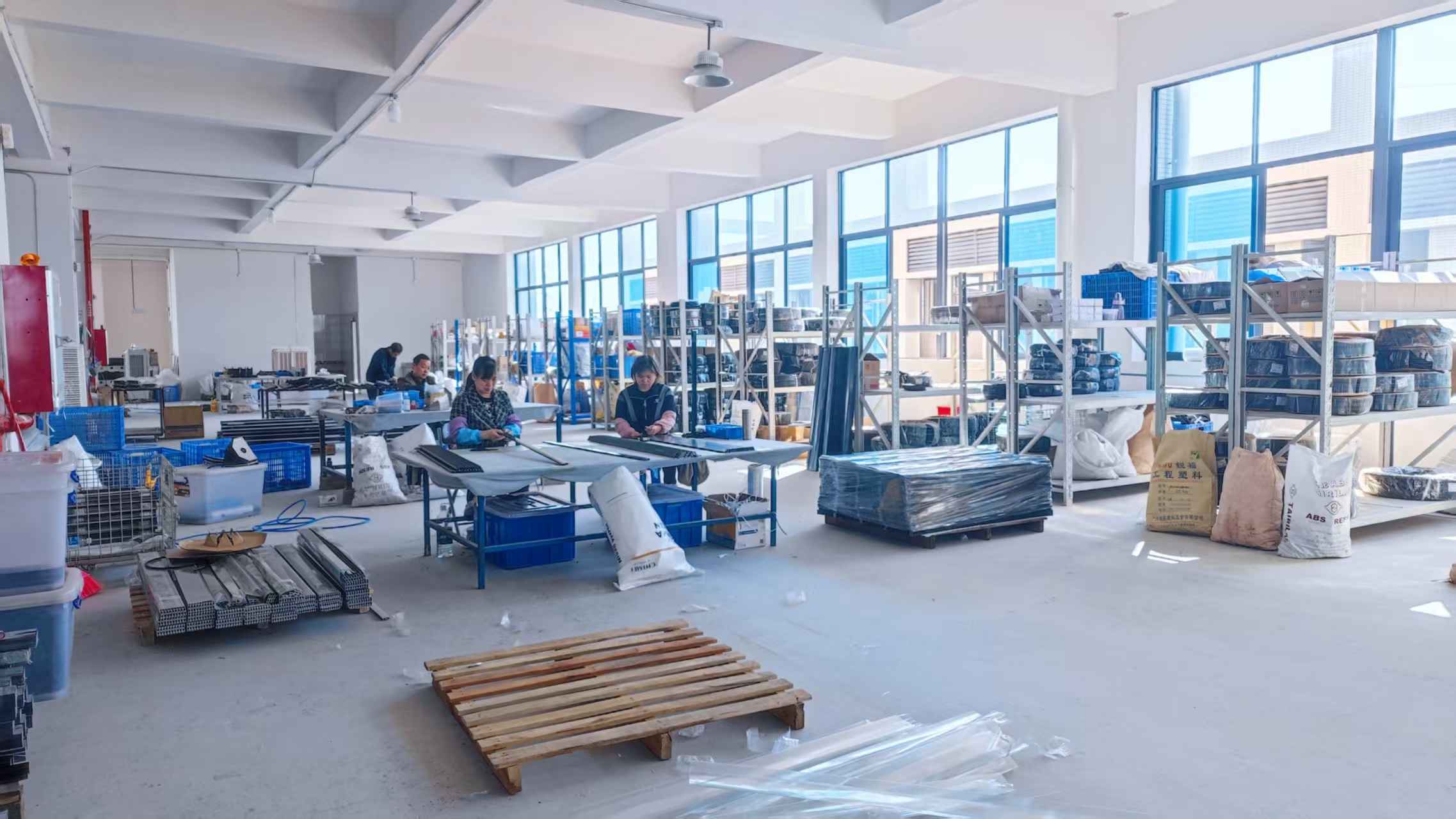
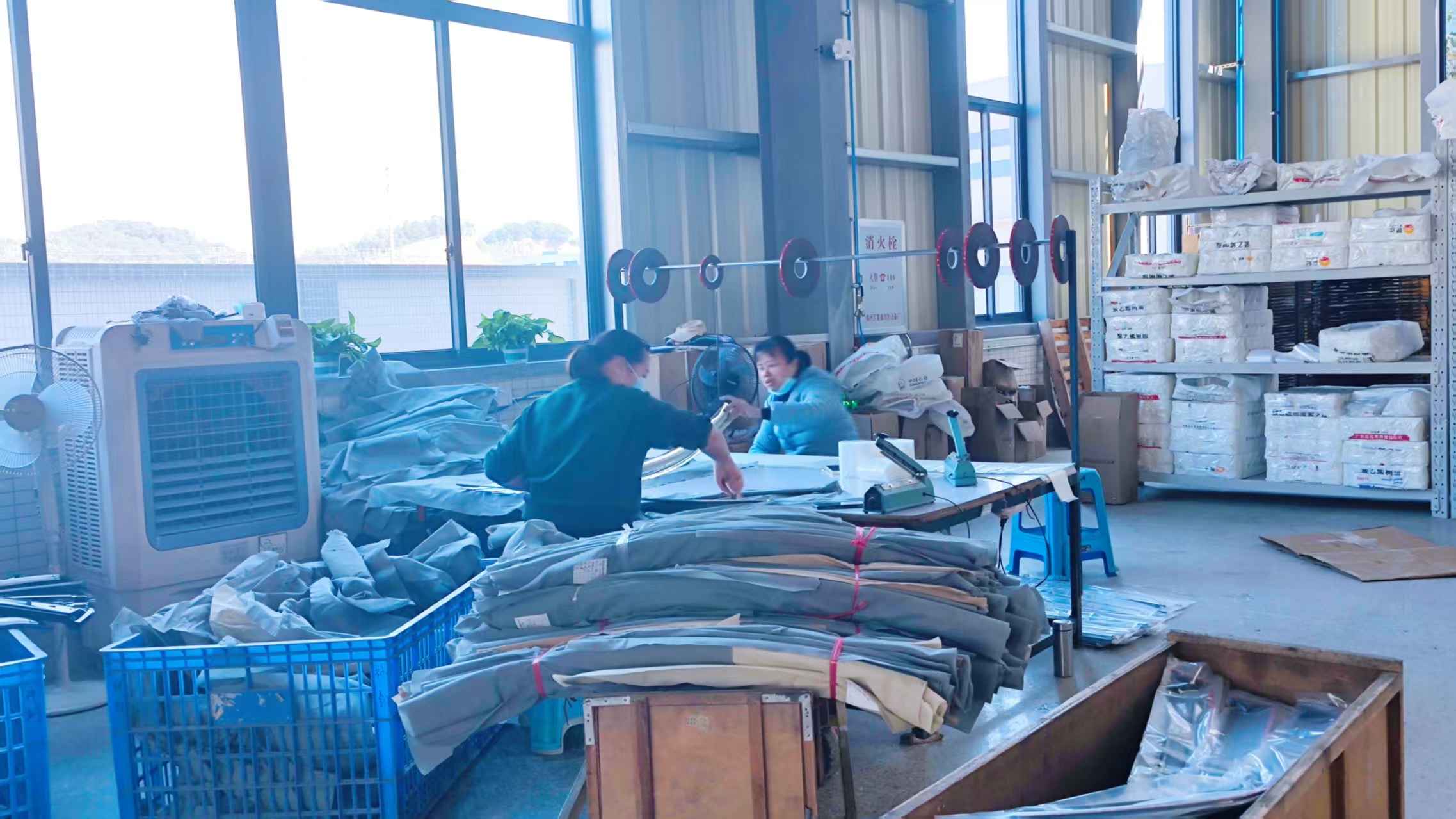
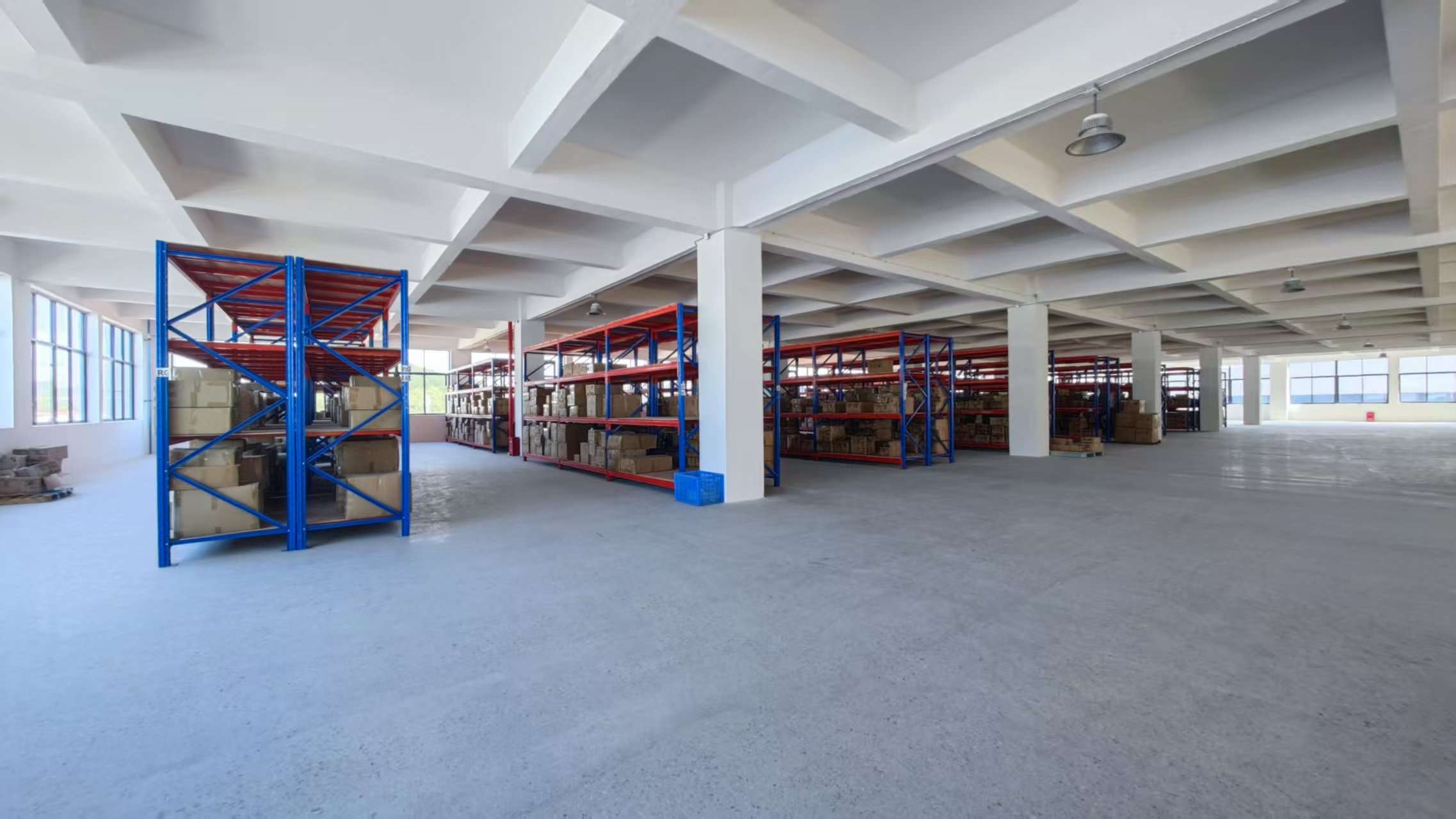
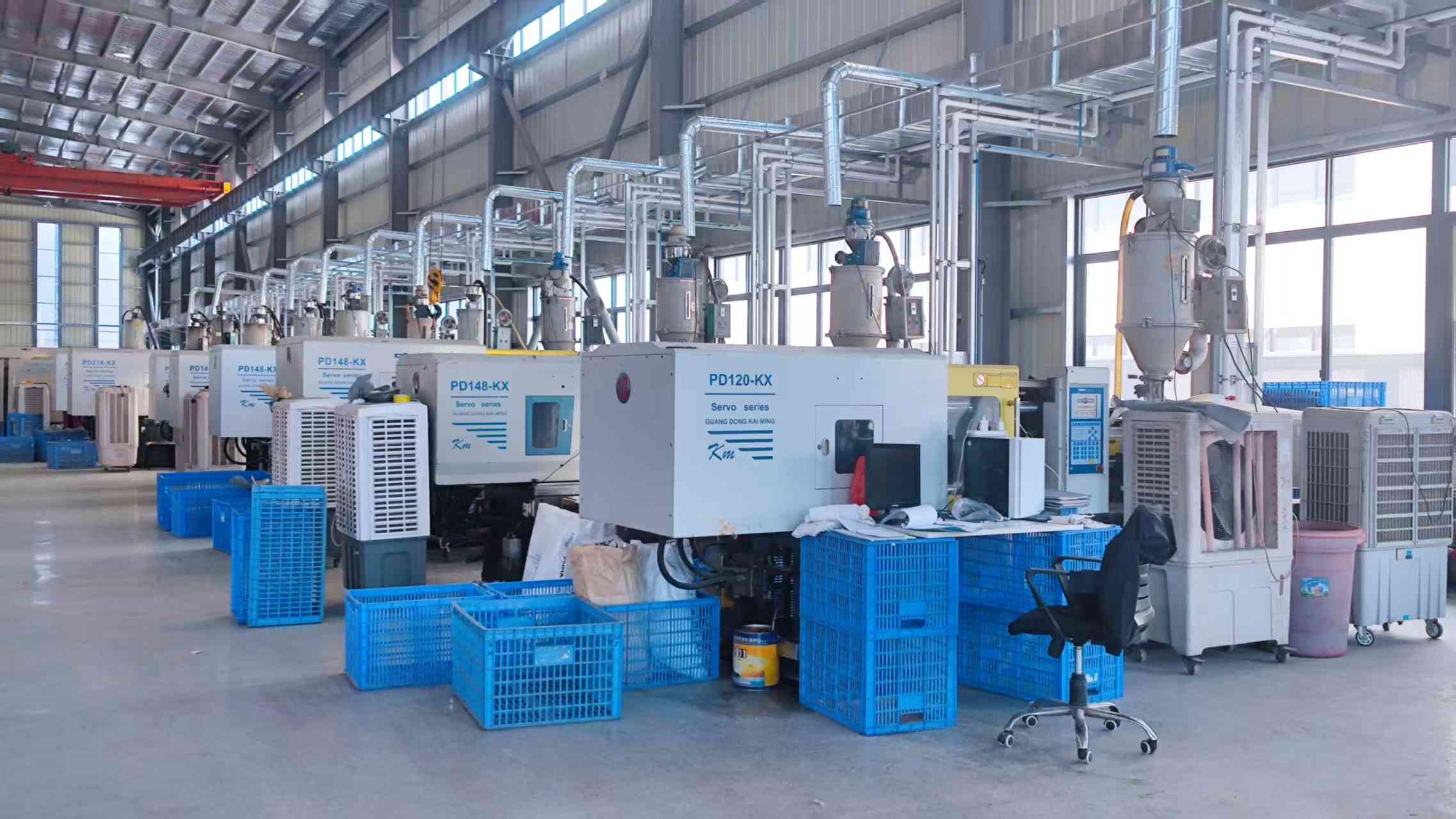
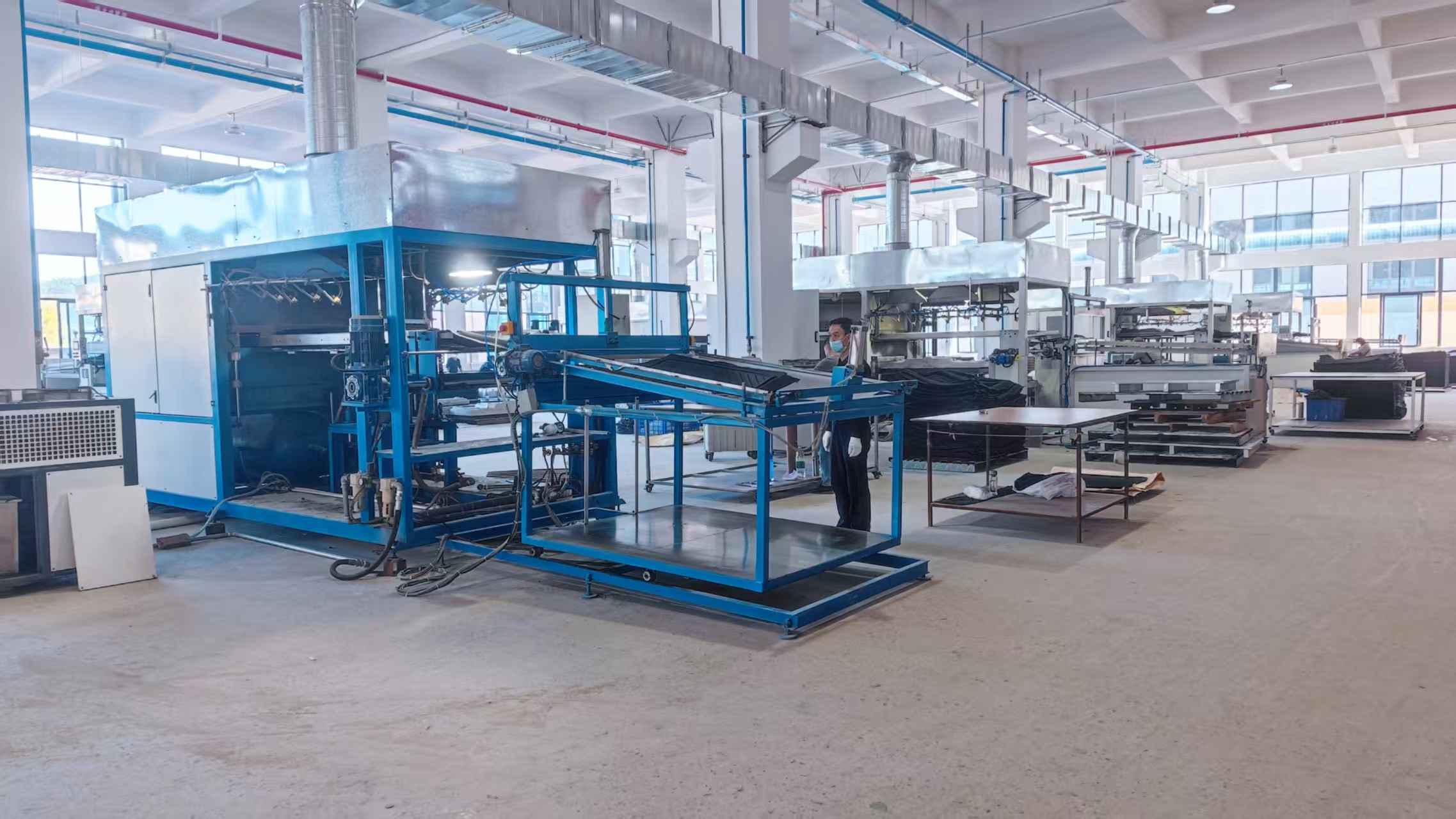
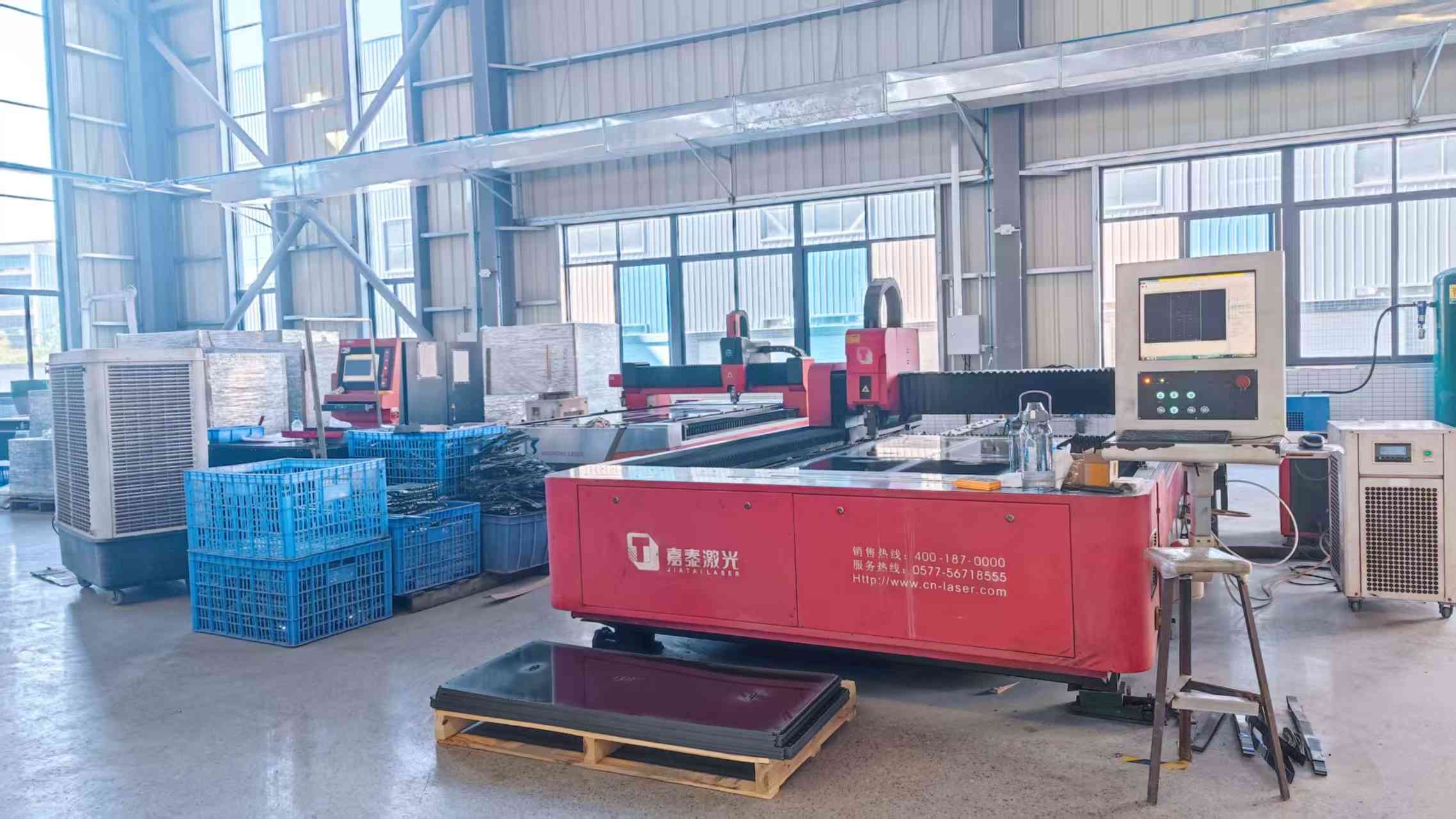
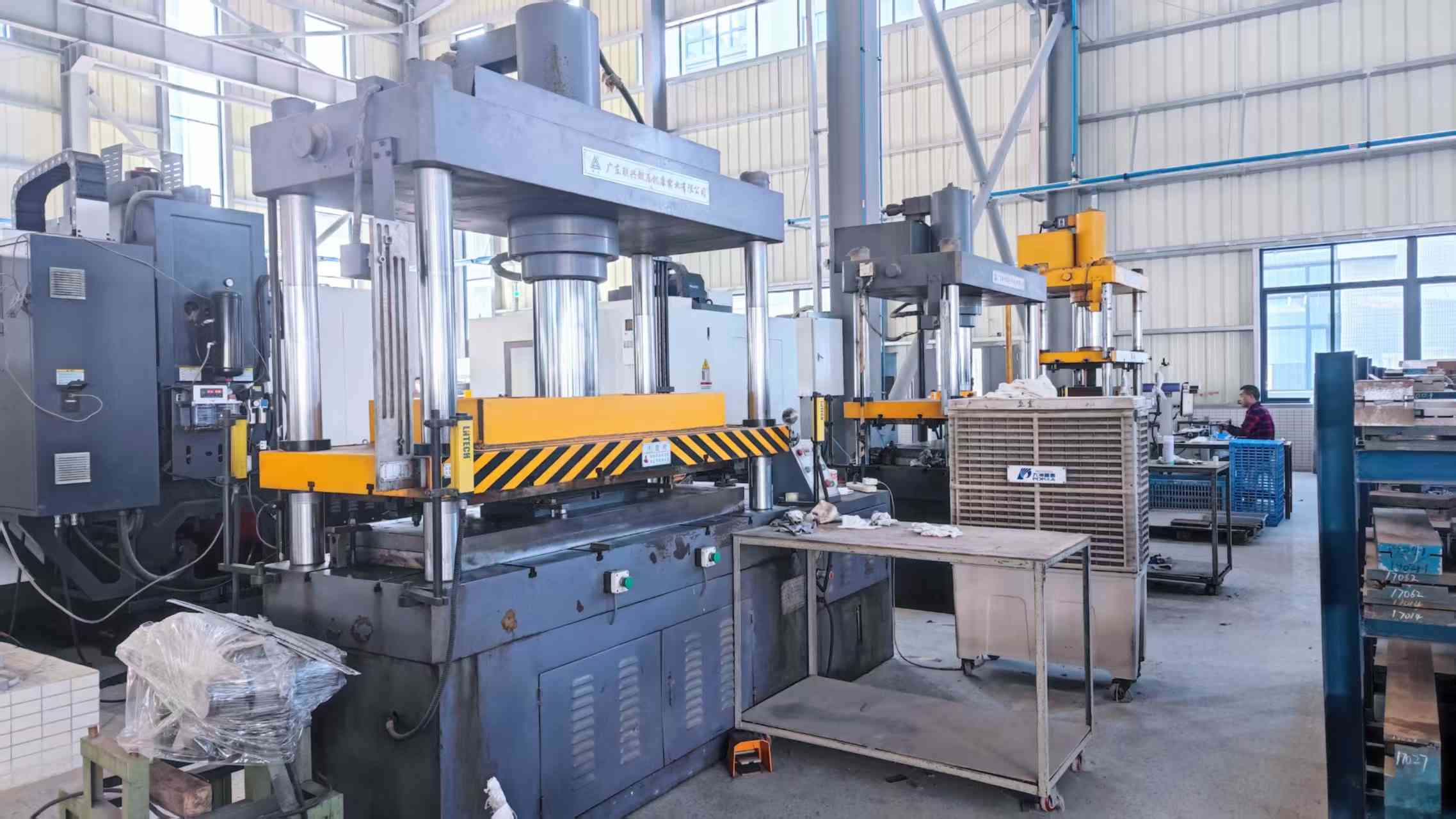
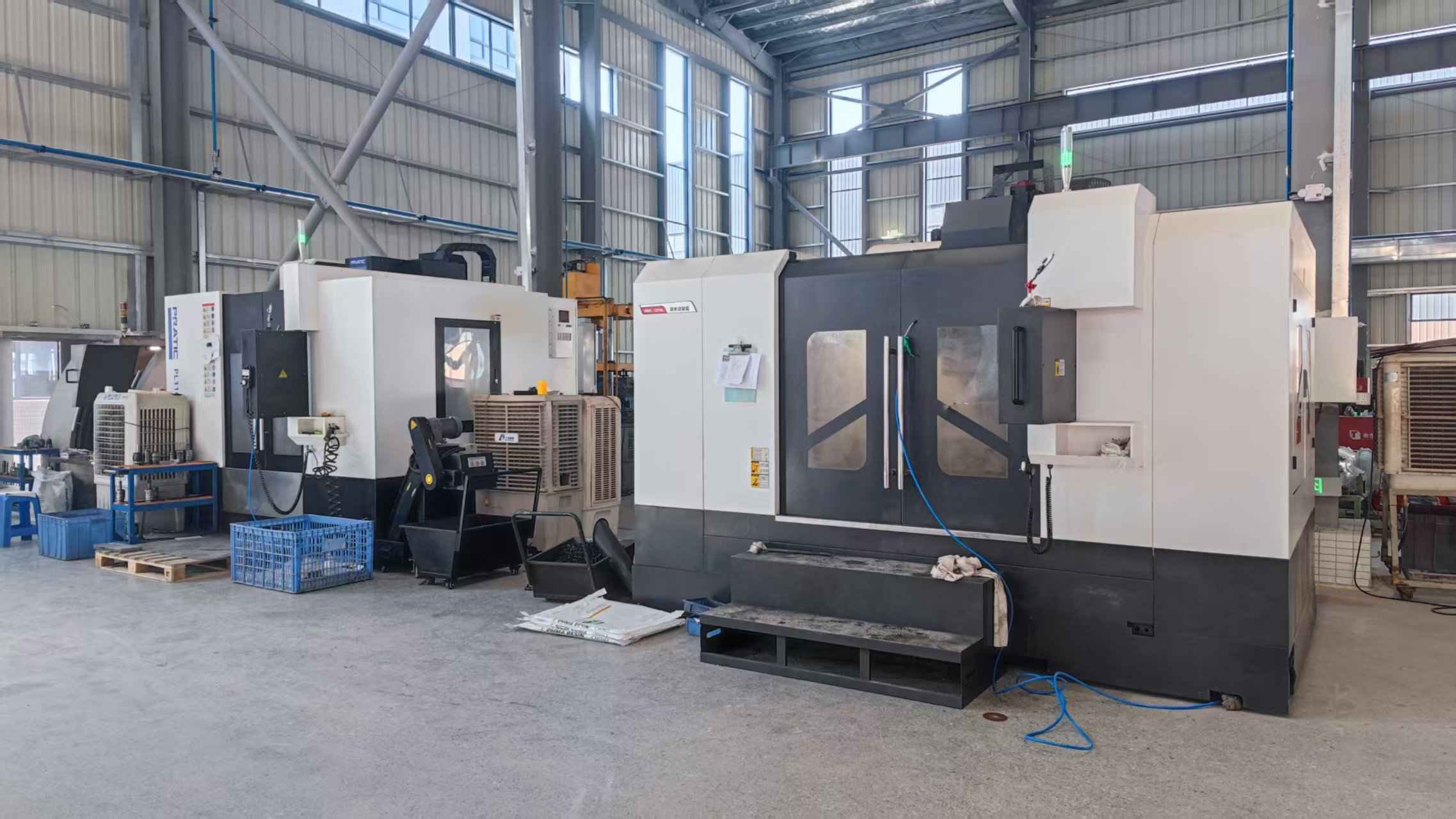
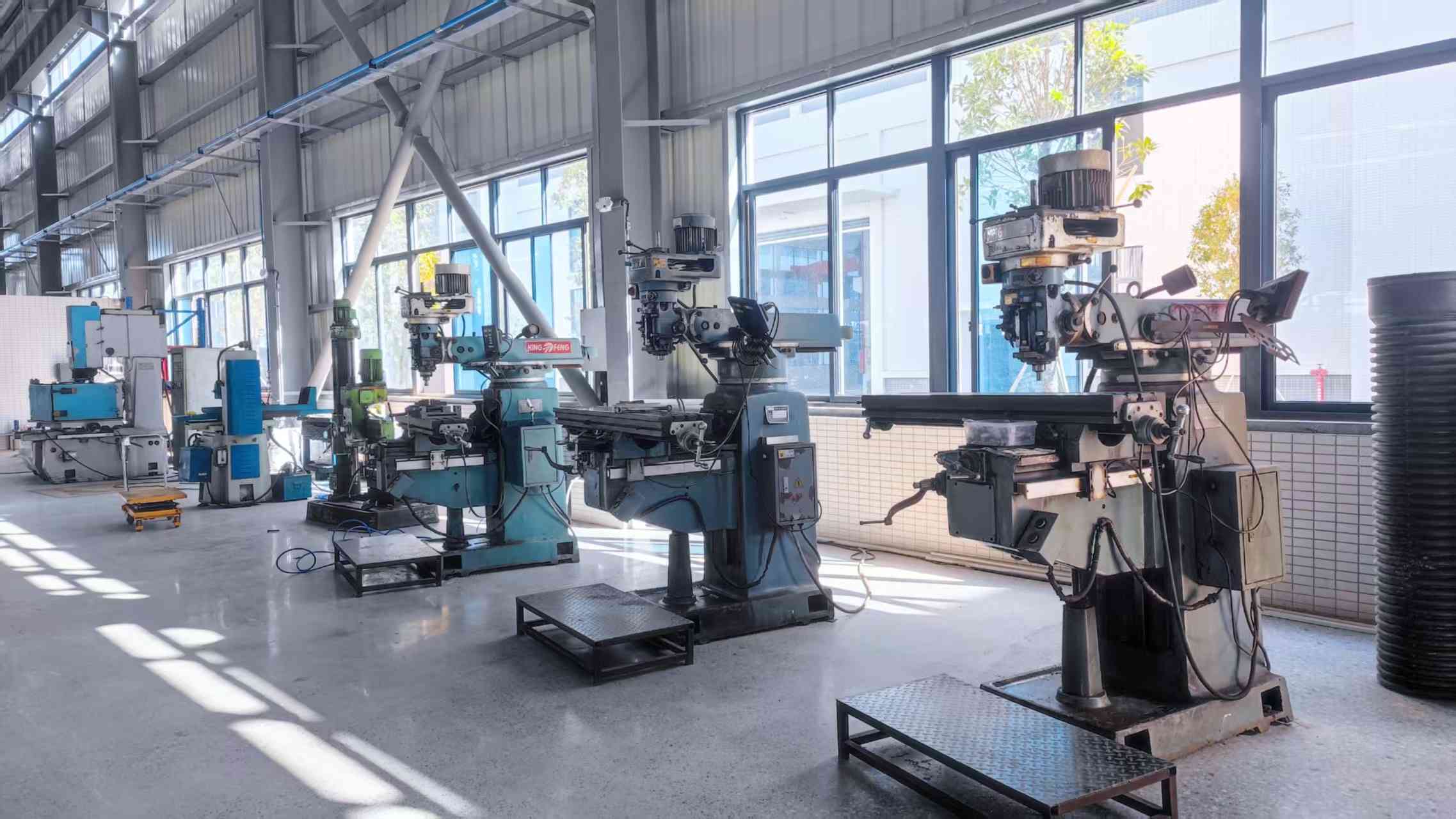
The automotive manufacturing cluster in Guangzhou, China, represents one of the world's most dense ecosystems for advanced materials and specialized automotive engineering. This proximity to raw material producers, chrome-plating facilities, and precision tool makers allows Guangzhou Molas Auto Co., Ltd. to operate with unparalleled agility.
By integrating research and development, manufacturing, and direct shipping logistics under a unified supply chain model, we dramatically reduce lead times for custom product runs. While a typical Western domestic manufacturer might require 12 to 16 weeks for new injection-mold tooling and testing, our integrated team in Guangzhou can compress the design-to-prototype cycle to under 45 days, maintaining global QA standards. This speed-to-market advantage is vital for distributors aiming to launch aftermarket grilles for newly released vehicle models before the competition.
Exporting custom automotive grilles worldwide demands strict adherence to localized transport, homologation, and vehicle safety regulations. A custom grille is not merely a cosmetic cover; it is a critical component that interacts with safety features and pedestrian crash zones.
Our design and engineering phases incorporate compliance measures such as the European Union's ECE R26 regulations concerning external projections. This ensures that no edge of the aftermarket grille poses an unnecessary safety hazard to pedestrians in a collision. Furthermore, for the North American market, materials are formulated to pass the FMVSS 302 flammability test and the SAE J575 environmental test, which evaluates a component's durability against moisture, dust, vibration, and extreme thermal cycling.
Additionally, modern vehicle front ends house vital ADAS units. In response to this engineering shift, our grilles are designed to support and protect these sensors. We conduct rigorous RF (Radio Frequency) and radar signal attenuation testing on our plastic formulations to guarantee that integrated lane-assist, adaptive cruise control, and autonomous emergency braking systems remain 100% operational when passing through the custom grille assembly.
Different geographical regions demand unique engineering profiles for aftermarket custom grilles. Understanding these localized applications is crucial for bulk importers to optimize their catalog:
Procuring custom automotive components at an enterprise level requires deep due diligence. Procurement directors must look beyond price-per-unit metrics to ensure long-term profitability and reputation safety:
Get professional technical answers to common queries regarding custom grille manufacturing, shipping, and technical engineering parameters.
Premium performance upgrades and safety-certified components for modern automotive maintenance and customization.
 Molas Auto